





 English
  Francês
  Alemão
  Italiano
  Japonês
  Norueguês
  Portuguese
  Spanish
  3 min of reading
  1 comment


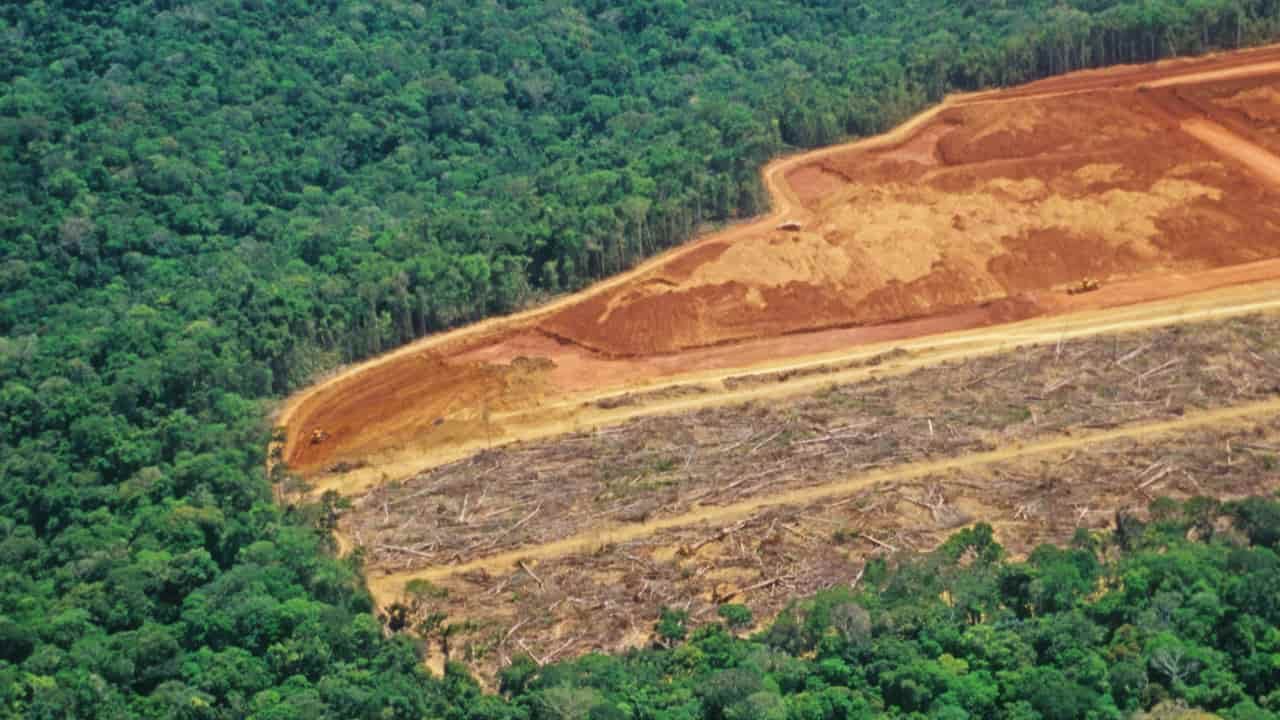


Between 2010 and 2020, the Atlantic Forest lost 186 thousand hectares of native vegetation, with Minas Gerais and Bahia concentrating 60% of the destruction – Impacts on climate, biodiversity and water supply are devastating!
The Atlantic Forest continues to shrink at a concerning rate. A study published in the scientific journal Nature Sustainability revealed that, between 2010 and 2020, more than 186 thousand hectares of native forest disappeared – the equivalent of almost 200 thousand football fields. This means that, every day, enormous areas of this essential biome are converted into pastures, plantations, or developments.
The data was collected by scientists from the Fundação SOS Mata Atlântica, the National Institute for Space Research (INPE), and the University of São Paulo (USP). The research identified over 14 thousand deforested areas over a decade, many of them on private properties and with clear signs of illegal deforestation.
The Alarming Impact of Deforestation in the Atlantic Forest

Deforestation in the Atlantic Forest is not an isolated phenomenon, but rather a continuous process that intensifies every year. The survey indicates that destruction occurs in all 17 states that have areas of the biome, but the problem is more severe in Minas Gerais and Bahia, which concentrated 60% of the total loss. These two states were responsible for half of the area of mature forest deforested in the analyzed period.
-
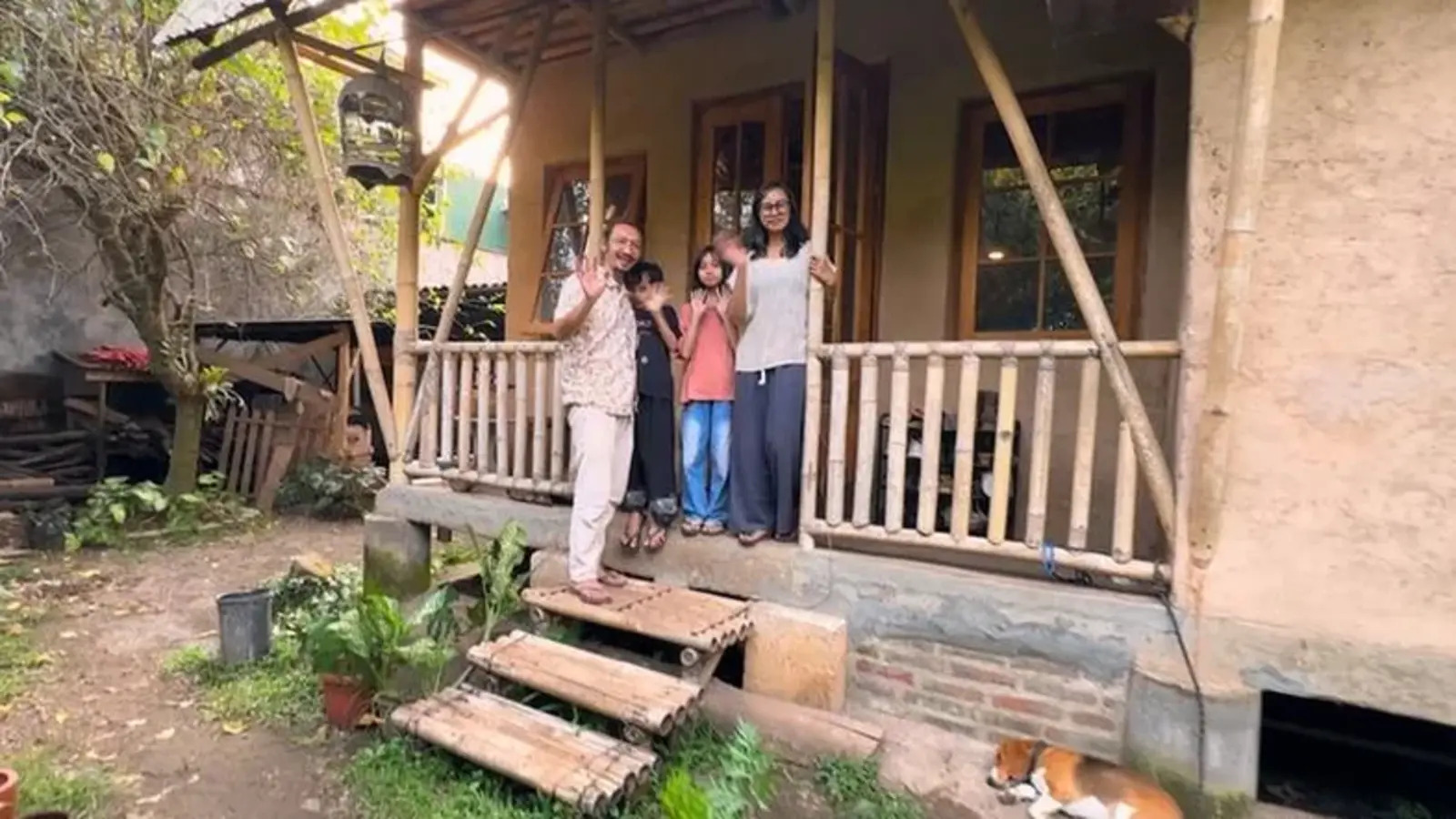
With earth, bamboo, straw, and lime mortar, a specialist builds a house for just over $460 and draws attention for its cost being much lower than traditional construction.
-
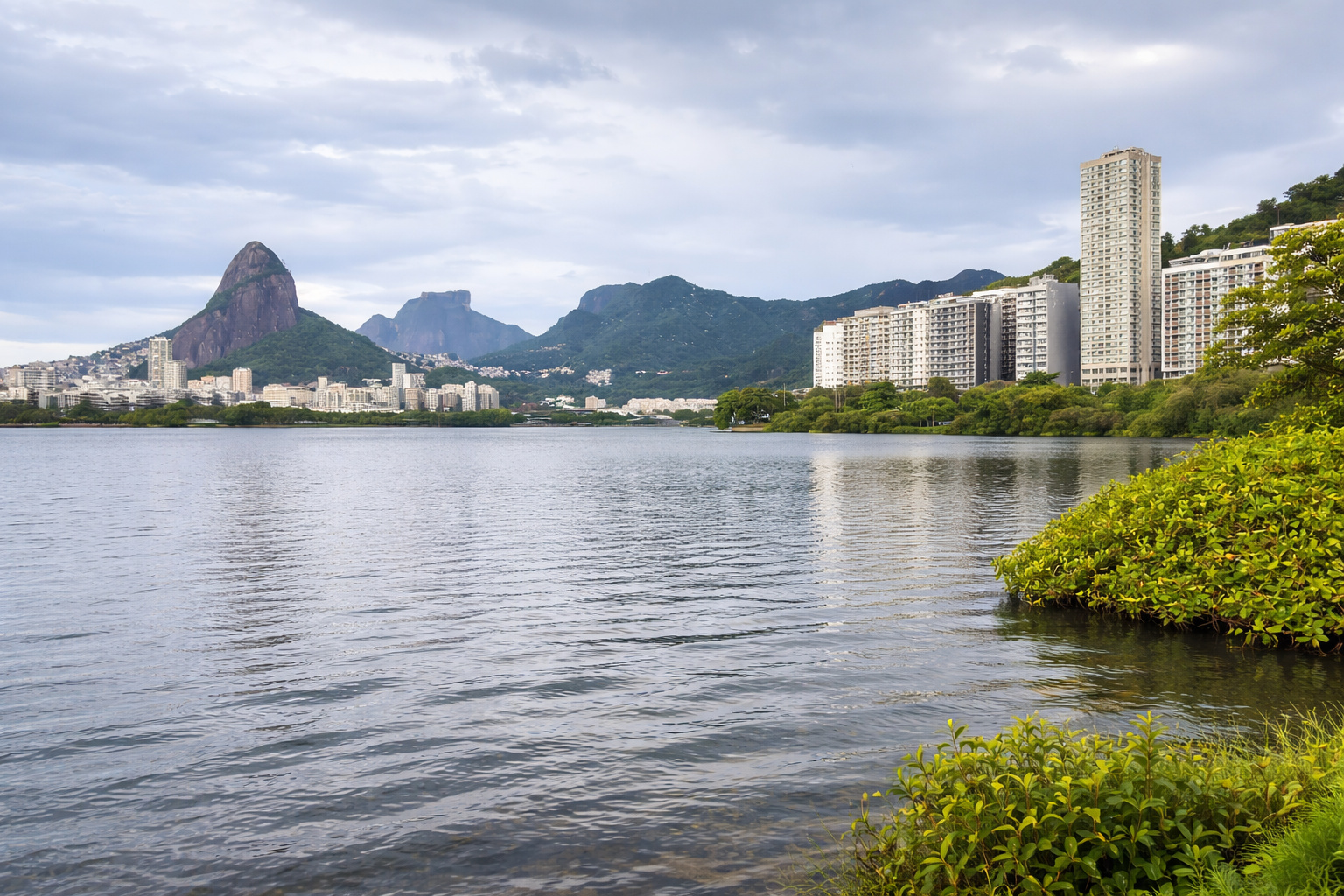
Rodrigo de Freitas Lagoon advances in environmental recovery with sanitation, elimination of irregular sewage, and the resumption of water sports in Rio de Janeiro.
-
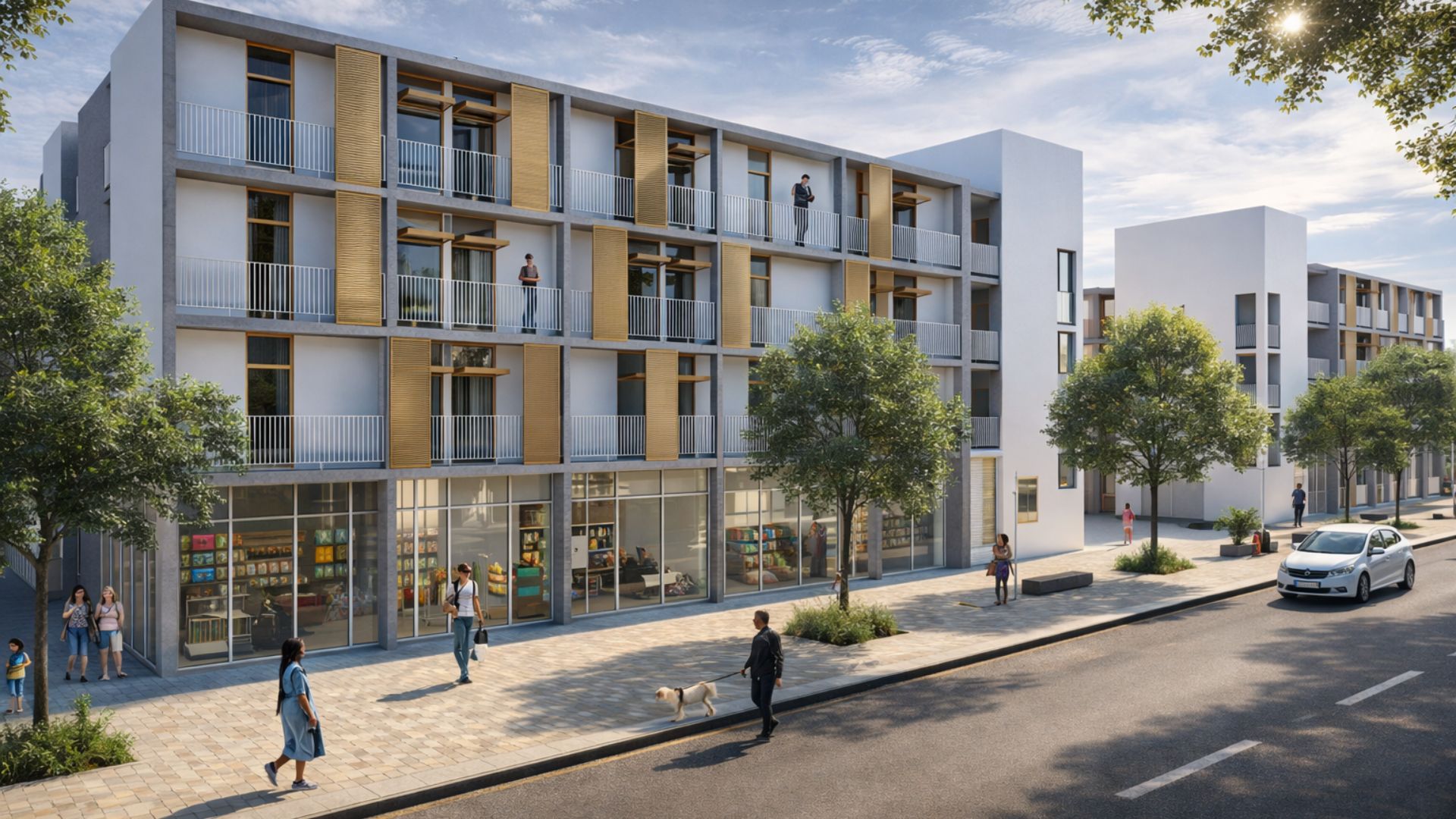
Sustainable housing gains strength with a nationally awarded project in Campo Grande, highlighting innovative solutions that combine sustainability, urban integration, and efficiency in the use of natural resources.
-
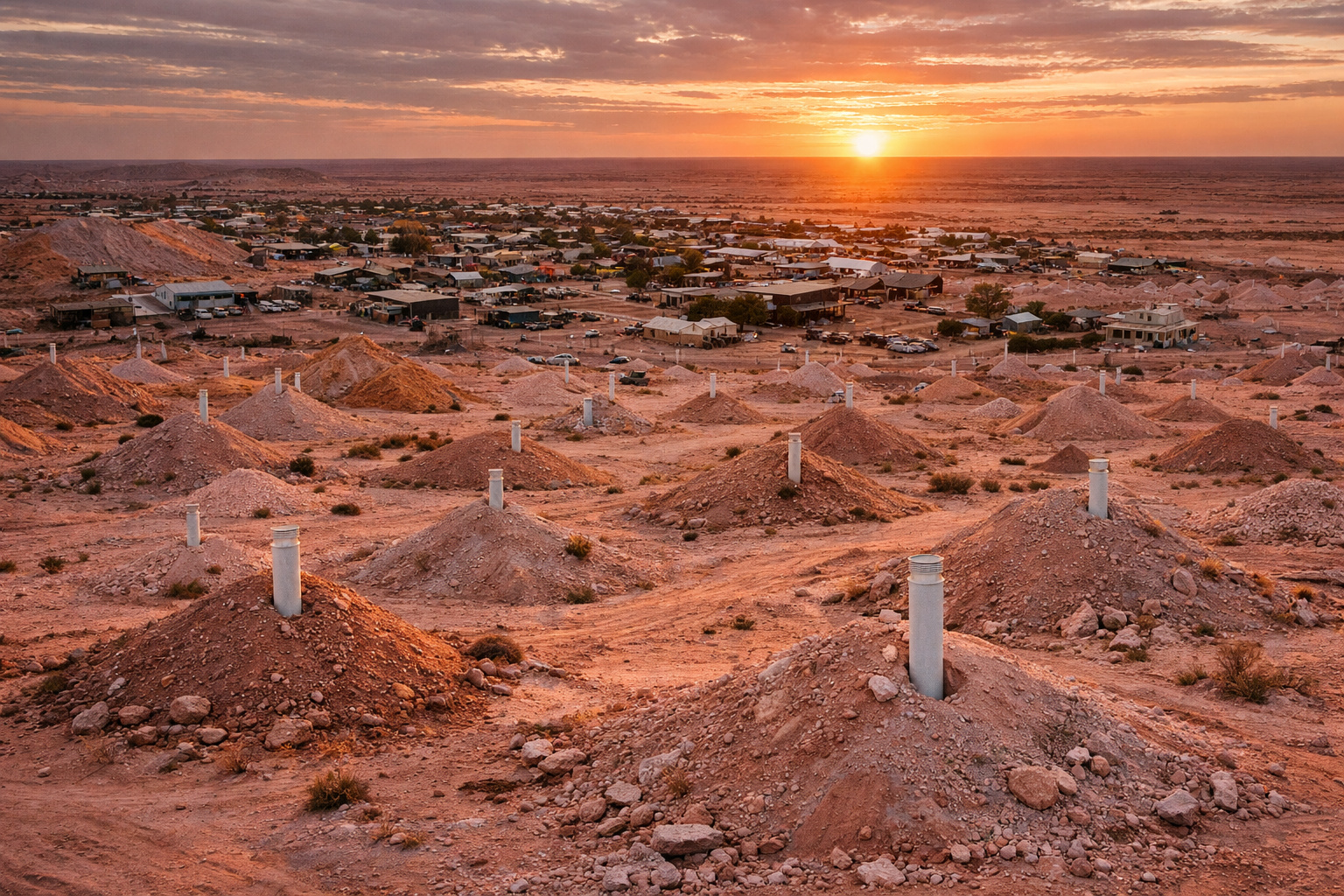
City Where Residents Live Underground to Escape 52°C May Be a Picture of the Future on an Increasingly Hot Planet

Other states also suffer from the advancing environmental degradation. Paraná and Santa Catarina follow closely behind, accounting for 12% and 4% of vegetation loss, respectively. As a result, the landscape of the Atlantic Forest is changing rapidly, putting entire ecosystems at risk.
Why the Atlantic Forest Is Disappearing?
The conversion of the forest for other uses is the main reason for this deforestation. Among the culprits for the devastation of the biome are:
Agricultural and Silviculture Expansion
- Cattle ranching and silviculture (tree planting for timber and cellulose extraction) are the main villains in Bahia and Minas Gerais. In the former, 36% of the deforested land was converted into pastures, while in the latter, 33% of the forest gave way to eucalyptus plantations.
Temporary Agriculture and Urbanization
- In Southern Brazil, deforestation follows a different logic: 41% of the devastated areas were allocated to temporary agriculture, hindering forest regeneration.
- Uncontrolled urbanization also threatens the Atlantic Forest, with cities encroaching on areas that should be protected.
The Consequences of Destruction
Deforestation is not just an environmental problem, but a direct risk to human life. The destruction of the Atlantic Forest brings profound impacts on biodiversity, climate, and water security.
Loss of Biodiversity
This biome is one of the richest in diversity in the world, harboring thousands of endemic species, that is, those that do not exist anywhere else. With deforestation, many of these species face the risk of extinction, which affects the ecological balance of the region.
Impacts on Climate and Water Supply
The Atlantic Forest plays an essential role in climate regulation and the water regime. With the destruction of forests:
- Water supply is reduced, harming rivers and reservoirs;
- The risk of droughts and floods increases, putting millions of people in danger;
- The biome loses resilience to climate change, making Brazil more vulnerable to extreme events.









E muito triste essa situação vamos ser otimistas e achar que a situação vai melhorar.