





 Portuguese
  English
  Spanish
  4 min of reading
  0 comments


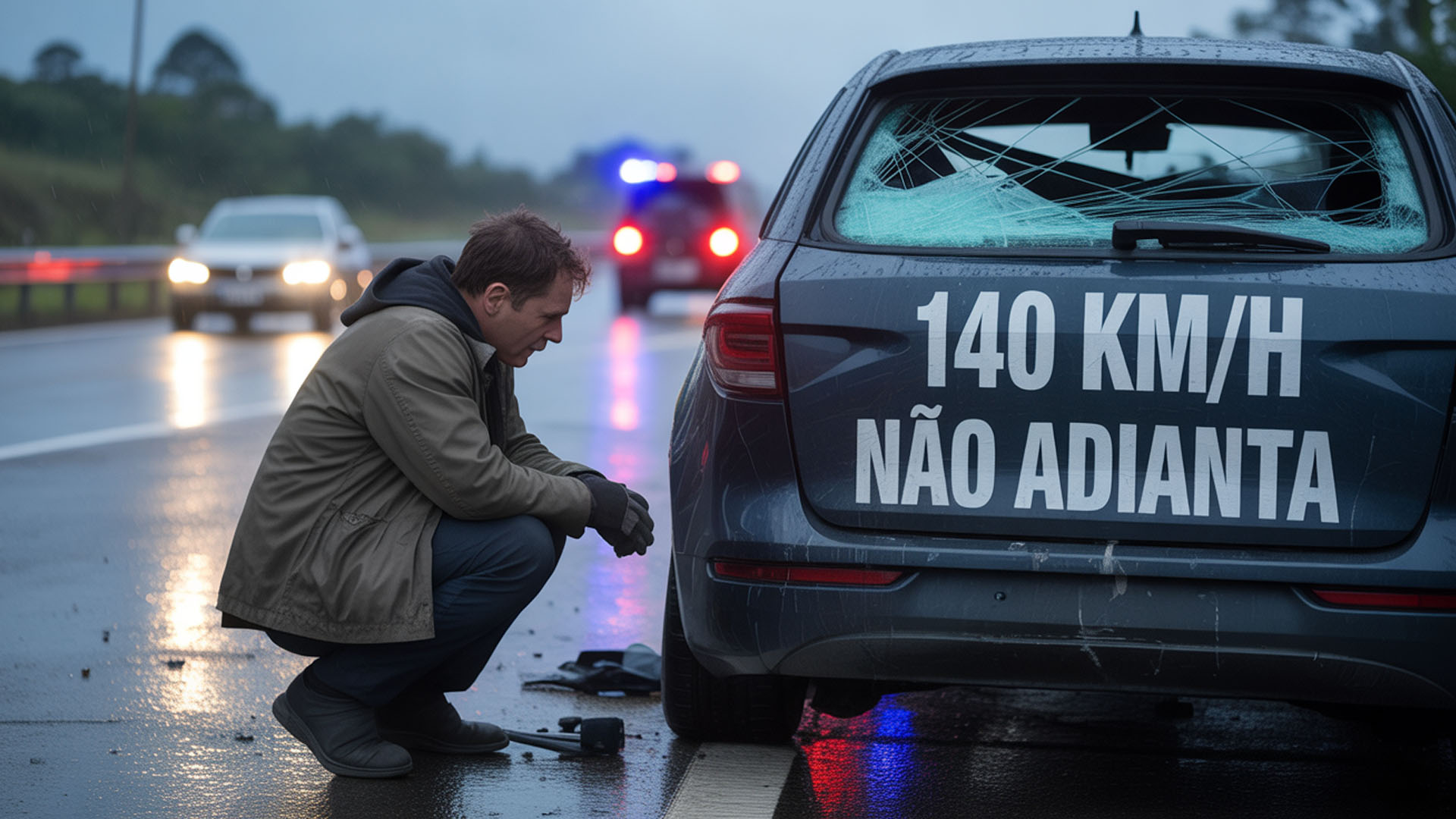
Viral Video Explains, With Simple Calculations, That Increasing From 120 to 140 km/h Saves Only About 4 Seconds Per Kilometer.
A video from math teacher José Ángel Murcia went viral by showing, with simple calculations, that increasing from 120 to 140 km/h “yields” only a few seconds per kilometer. The message gained international media attention and reached the Brazilian audience, useful for discussing road safety and speeding.
In Brazil, the discussion is even more relevant because the CTB sets a maximum limit of 110 km/h for cars on dual carriageways and 100 km/h on single carriageways (unless otherwise stated by signs). In other words, 140 km/h here is riskier and illegal.
Besides legality, official data shows that speeding remains at the top of traffic violations and is associated with deaths and injuries on the roads. The focus of this text is to translate Brazilian numbers, using public sources, into practical guidance.
-
The Argentine government celebrates the lowest poverty rate in 7 years, but experts warn that the methodology has changed, real wages have fallen, unemployment has risen, and the number of people on the streets of Buenos Aires has increased by 57% since Milei took office.

-
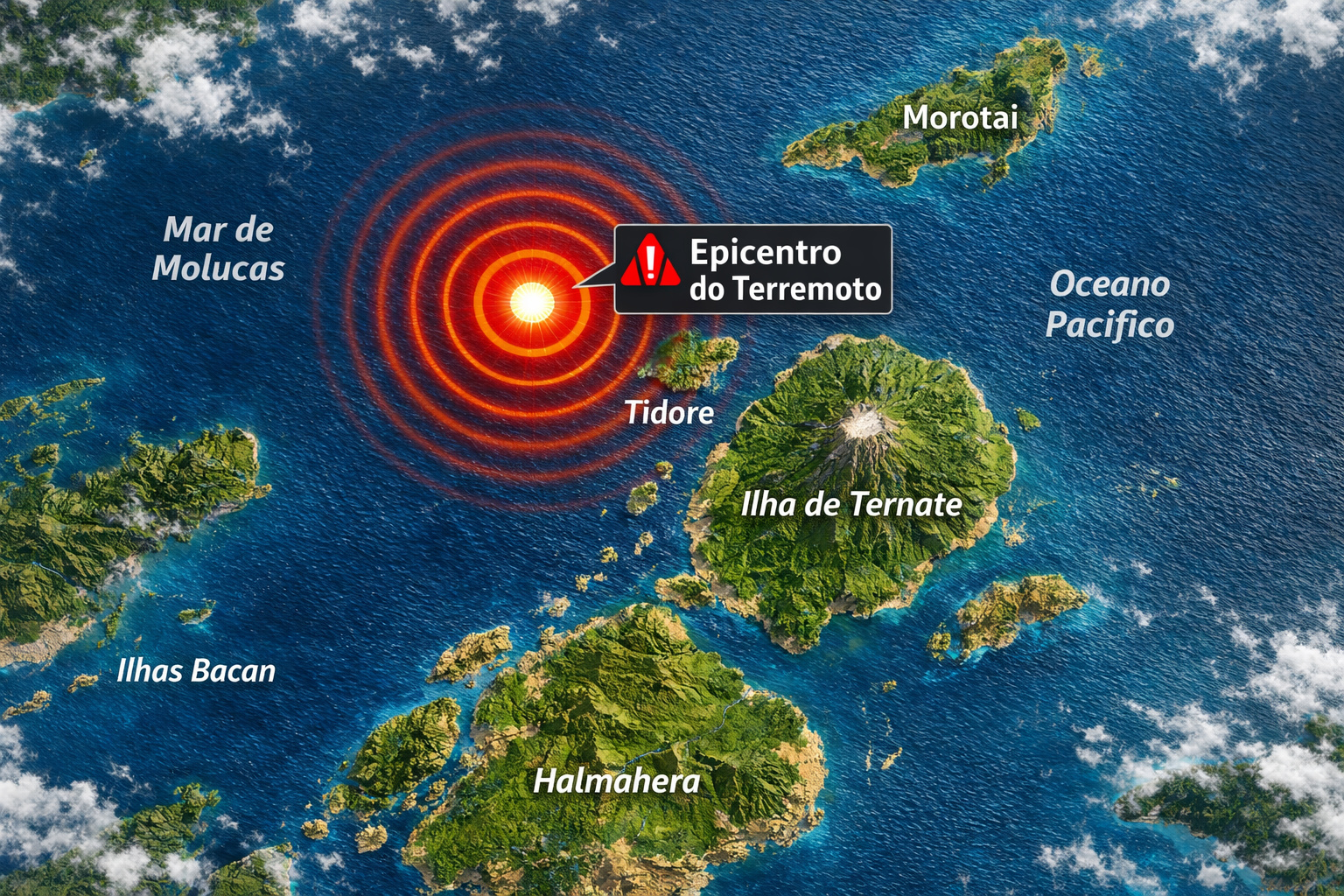
7.8 magnitude earthquake in Indonesia frightens the population, triggers tsunami alert, and hits an island with over 200,000 inhabitants this Thursday.
-
Google will finally let you change that embarrassing Gmail address you created in your teenage years without losing any accounts, logins, or old emails: the feature is already available in the United States.

-
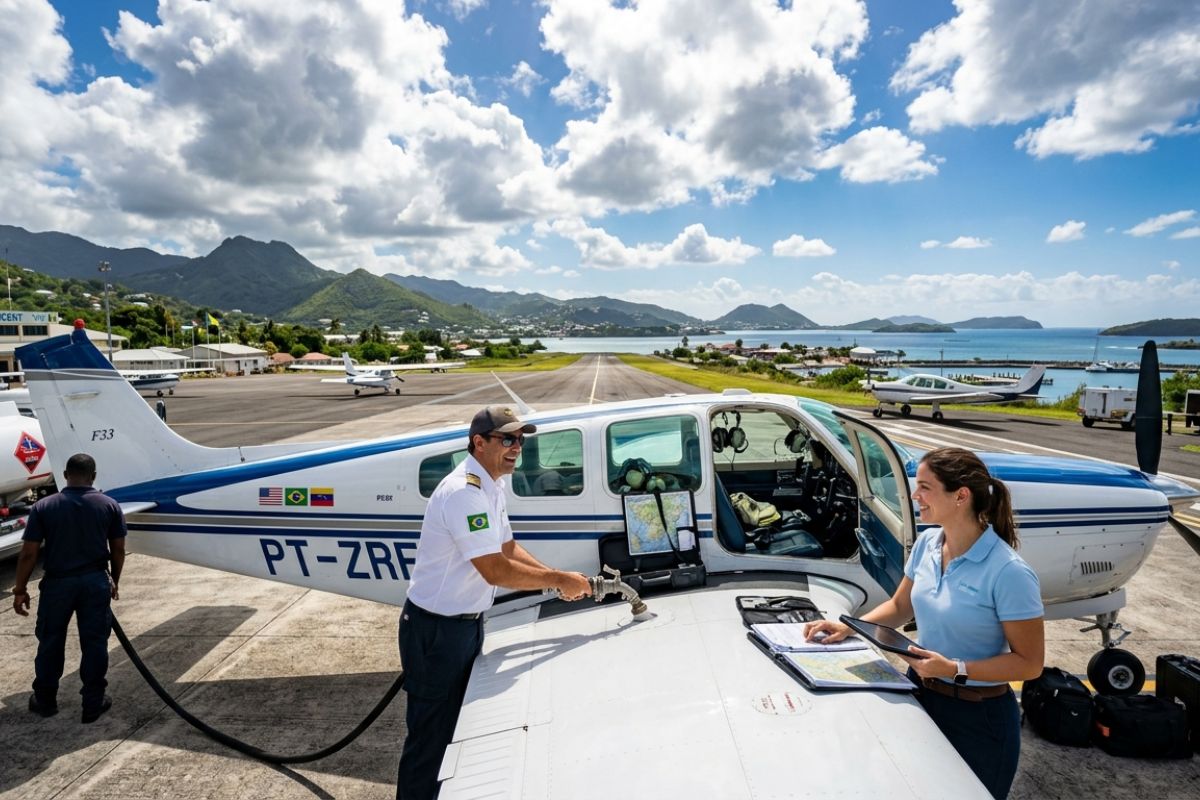
Heading to Brazil in a Bonanza F33 single-engine aircraft: a couple departs from Florida on a visual flight, makes technical stops in the Caribbean to refuel and organize paperwork, and begins the staged crossing until they reach the country.

How Much Time Is “Gained” By Moving From 120 to 140 km/h
@smartickmetodo Share if you found it useful
The calculation is straightforward: time per kilometer = 3,600/velocity. At 120 km/h, 1 km takes 30 s; at 140 km/h, it takes ~25.7 s. The “gain” is ~4.3 s per km. Over 100 km, that amounts to ~7 minutes. Little to justify the risk, fines, and higher fuel consumption.
This effect is marginal at high speeds: increasing by 20 km/h when you are already going fast reduces little total time. The relationship between speed and time is inverse, not linear.
Operational conclusion: the “shortcut” of the accelerator does not deliver what it promises on the clock. And in Brazil, it also increases the chance of punishment and accidents.
Speed Limits in Brazil According to the CTB
In the country, the general rule on dual carriageways is 110 km/h for cars, vans, and motorcycles, and 90 km/h for heavy vehicles. On single carriageways, it is 100 km/h for light vehicles and 90 km/h for heavy vehicles. Specific signs may alter these values.
These limits reflect a policy of acceptable risk given the layout, flow, and infrastructure. In general, 140 km/h exceeds the technical standard of Brazilian roads.
For enforcement purposes, the CTB classifies speeding by severity levels, with fines and suspension of the right to drive when speed exceeds 50% of the limit. Driving above the limit is not an administrative detail.
Speeding in Brazil: What Senatran, PRF and ANTT Show
The Senatran Yearbook recorded over 21.1 million violations in 2023; speeding topped the national ranking. This indicates widespread behavior that increases the risk on the roads.
In the context of federal highways, the PRF reported that, from January to August 2023, speeding and illegal overtaking were the main causes in 3,834 out of 44,108 accidents, resulting in 542 deaths and 4,941 injuries. Speed kills.
In concessioned stretches, the ANTT reported 1,664 deaths in 2023 on federal roads under concession, indicating that the problem is national and persistent.
Why Intuition Misleads: Risk Grows Long Before “Time Drops”
The WHO/PAHO shows that small variations in speed significantly increase the severity of accidents. For pedestrians, the risk of death increases ~4.5 times when going from 50 to 65 km/h; in collisions between cars, 65 km/h already implies a very high risk to occupants.
In safe systems, technical recommendations are to adjust speed, flow separation, and barriers. Where there is a chance of frontal or lateral collisions, high speeds are not compatible with life.
Therefore, “pressing” from 120 to 140 km/h worsens the risk much faster than it improves time. The cost-benefit is unfavorable in any realistic scenario.
Best Practices: Arriving Safely Is Worth More Than Gaining Minutes
Plan your departure and stops. If you need to recover time, do not use speed as an adjustment variable. Prefer to maintain margin and safety distance.
On federal highways, respect the posted limit and avoid overtaking outside allowed areas. These two behaviors were linked to hundreds of deaths in 2023.
If the journey requires higher speeds, check road conditions and restrict urgency to safe sections and within the law. Road safety is a systemic equation, not an individual one.
Want to weigh in? Comment: would you risk ~7 minutes in 100 km for more risk and fines? Should dynamic limits exist in more sections or does that normalize “heavy foot”?









-

Uma pessoa reagiu a isso.