





 Portuguese
  English
  Spanish
  6 min of reading
  0 comments


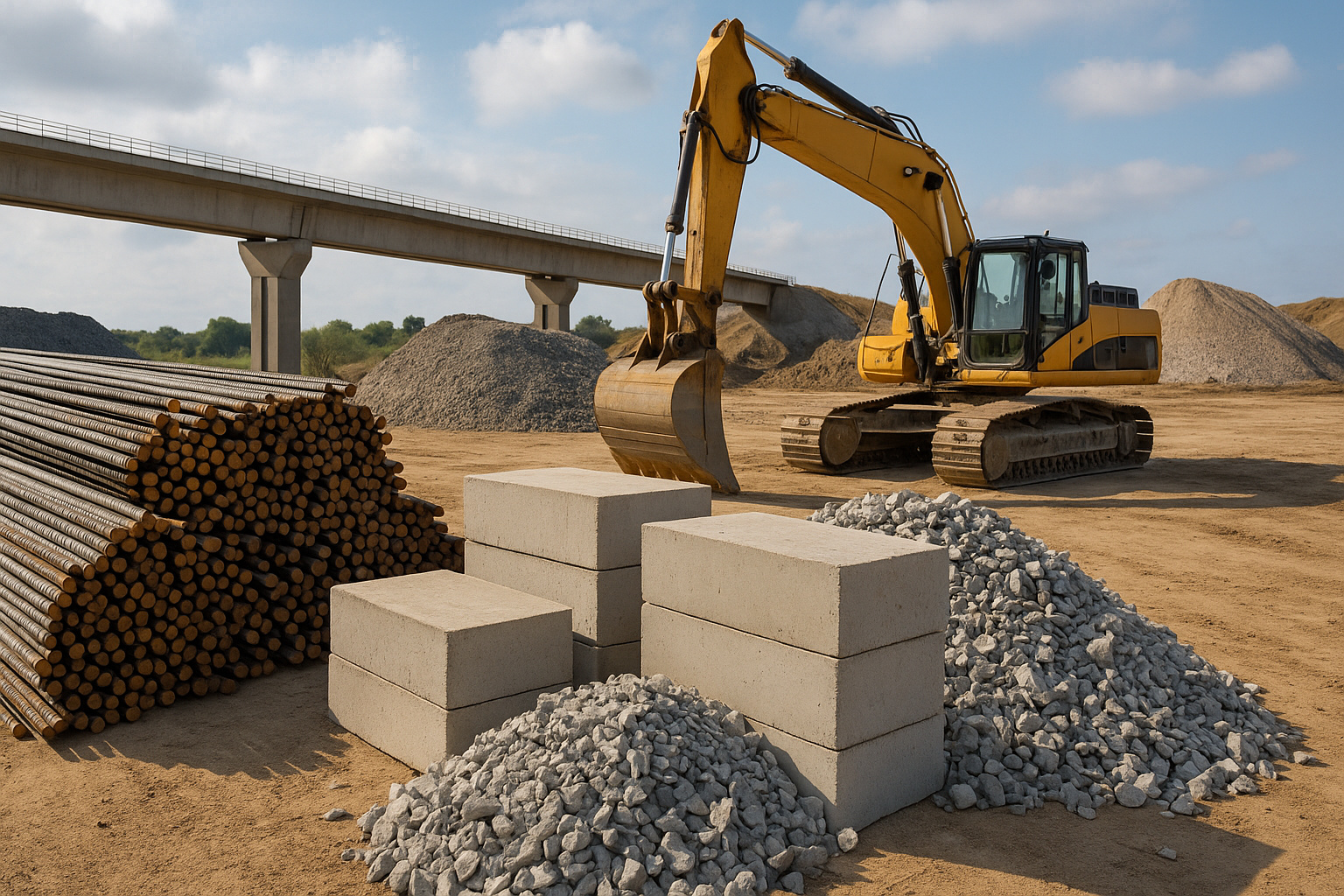
Discover the Main Heavy Construction Materials and Why They Are Essential for Large-Scale Projects and Durable Infrastructure.
Heavy construction has always played a crucial role in the development of robust infrastructures such as highways, railways, bridges, dams, airports, ports, and tunnels.
Unlike small-scale civil constructions, this sector requires a solid foundation of specific, resistant, and durable materials capable of withstanding high loads and constant weather conditions.
Therefore, understanding heavy construction materials helps engineers, architects, public managers, investors, and students to ensure the quality and safety of constructions.
-
Abandoned house for 15 years disappears in the woods, shocks owner with unrecognizable scenery and is reborn in an intense transformation after almost 90 hours of work in just 10 days.

-
In just three hours, a natural stone floor transforms the entrance of the house with an organic effect, immediate drainage, and a sophisticated non-slip finish that doesn’t puddle water, dries quickly, and impresses with the final result.

-
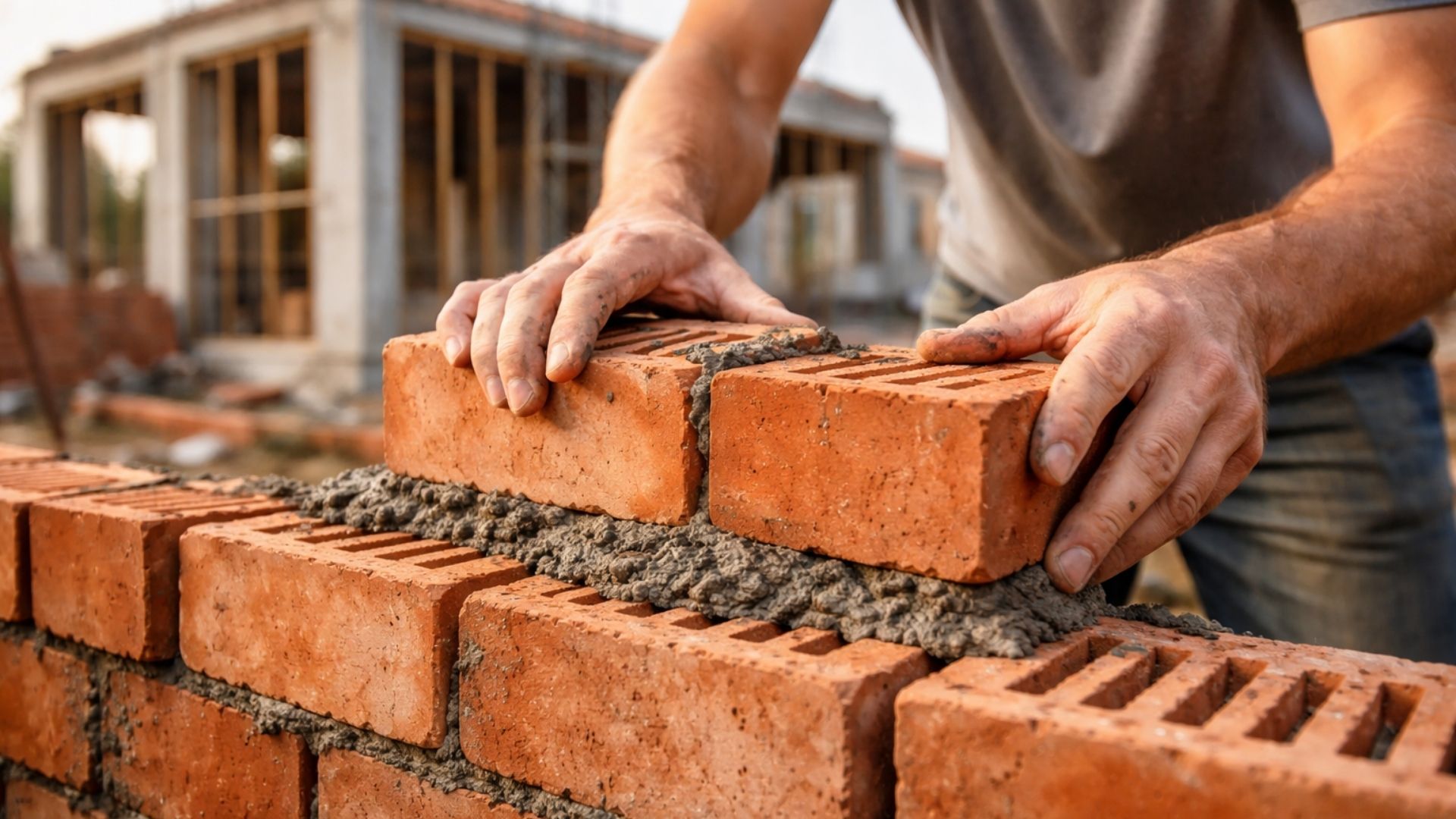
‘Interlocking brick’ made of earth arrives in the construction industry with cost reductions of up to 40% on the project.
-
Espírito Santo will receive the largest engineering project in its history with the duplication of BR 262, which will have 50 viaducts, 28 bridges, and 2-kilometer tunnels cutting through the most challenging mountainous region of the entire state.


According to the National Department of Transport Infrastructure (DNIT), investment in heavy infrastructure in Brazil has significantly grown since the 1950s.
This advancement accompanied the construction of major highways and dams, highlighting the importance of resistant and durable materials for the success of these projects.
Since ancient times, humanity has developed techniques to erect resilient and functional structures.
Peoples such as the Egyptians, Romans, and Greeks used materials like stone, clay, and wood on a large scale.
As highlighted by the National Institute of Anthropology and History (INAH), the pyramids of Egypt, built between 2700 BC and 1700 BC, primarily utilized limestone and granite.
These structures remain stable to this day, proving the durability of the natural materials used at that time.
With the advancement of engineering and technology, new materials emerged and revolutionized major infrastructure projects.
Today, the variety of materials is vast; however, the right choice depends on technical knowledge and the purpose of the project.
It is worth noting that the great ancient constructions like the pyramids of Egypt represent not only symbols of power but also true engineering landmarks, built with limestone and granite that remain stable to this day.
This historical legacy inspires the development of current materials and reinforces the importance of durability and resistance in heavy works.
The Role of Concrete and Steel in Heavy Construction
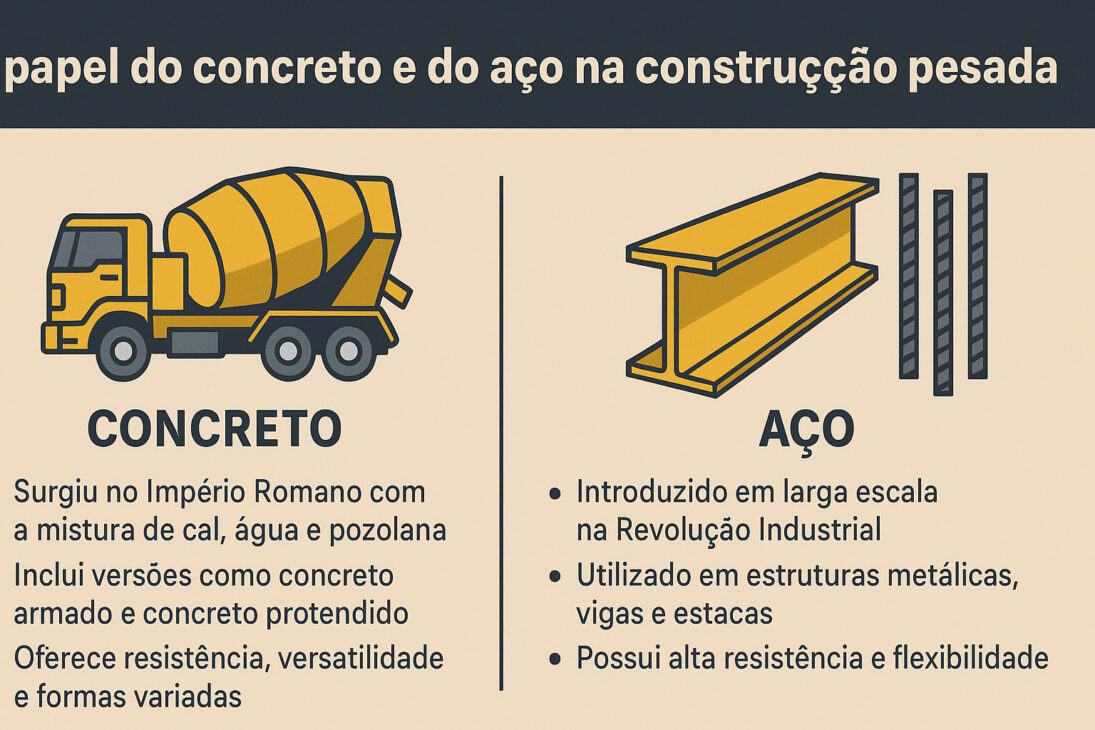
Concrete is one of the most used and indispensable materials in heavy construction projects.
It originated rudimentarily in the Roman Empire, with a mixture of lime, water, and pozzolana.
According to the American Concrete Institute (ACI), the Romans began using this mixture around the 1st century BC, which allowed the construction of iconic structures like the Colosseum, which still stands today.
This invention enabled the erection of large works, such as the Colosseum and aqueducts, which in many cases still endure today.
Over time, professionals began incorporating additives, fibers, and metal reinforcements, leading to versions like reinforced concrete and prestressed concrete.
These technologies are widely applied in overpasses, tunnels, and deep foundations.
In addition to strength, concrete offers versatility, being able to take on different shapes and structures, making it fundamental for complex and large-scale works.
Today, the development of self-compacting concrete, which does not require vibration for application, has optimized construction processes, reducing time and labor costs.
Steel also plays an essential role. Introduced on a large scale during the Industrial Revolution, steel became a key player in metal structures, beams, piles, and reinforcement elements.
According to the Brazilian Steel Association (ABRAÇO), global steel production has grown exponentially since the 19th century.
This advancement made it possible to construct gigantic works, such as suspension bridges and skyscrapers, which require high mechanical strength and flexibility.
These characteristics make steel ideal for projects that endure great loads, such as suspension bridges, overpasses, and retaining structures.
Additionally, steel can be easily recycled, contributing to the sustainability of heavy engineering works.
Another important point, according to ABRAÇO, is that steel allows for modular construction, where parts of the structure are manufactured off-site and then assembled.
This technique accelerates the process and ensures better quality control, gaining ground in modern and complex projects.
Natural Materials and Their Applications in Robust Works

Natural stone remains highly relevant in large-scale constructions.
Granite, basalt, and other resistant rocks mainly serve for foundations, retaining walls, pavements, and surface coatings exposed to erosion.
The durability of stone and its compression resistance make it ideal for projects that require stability over long periods.
Beyond strength, natural stone adds aesthetic and environmental value, as it can often be locally sourced, reducing transportation impact and enhancing cultural heritage.
Therefore, its use remains relevant, especially in projects that prioritize sustainability.
In modern heavy construction, asphalt takes a prominent role, especially in roadway projects.
Derived from petroleum, asphalt paves streets and roads, offering good grip, resistance to heavy traffic, and thermal flexibility.
According to the National Agency for Petroleum, Natural Gas, and Biofuels (ANP), the use of asphalt in Brazil has grown significantly since the 1970s, accompanying the expansion of the road network.
Its use requires a well-compacted base, usually made of gravel and sand, to ensure greater durability of the pavement.
With urban growth and increased traffic, the demand for more durable and sustainable pavements is also rising.
Techniques such as asphalt recycling and incorporation of recycled materials have gained traction to reduce costs and environmental impacts.
Cement also plays an indispensable role in nearly all phases of construction.
It binds solid particles and provides strength, whether as a component in concrete, mortar, or soil stabilization.
The cement industry has evolved over the centuries, and today it offers different types with specific applications, such as Portland cement, the most common, as well as sulfate-resistant and heat-resistant versions.
According to the Brazilian Portland Cement Association (ABCP), national cement production grew more than 200% between 1990 and 2020, reinforcing the material’s importance in heavy construction.
Modern Technical Solutions and Alternative Materials

In addition to traditional materials, new elements are gaining traction due to technical and environmental demands.
A good example is geosynthetics, used in drainage, slope stabilization, soil reinforcement, and waterproofing.
Materials such as geotextiles, geomats, and geogrids improve the structural performance of soils and extend the lifespan of works in unstable terrains.
These products result from advances in materials science and allow for more economical, faster, and efficient construction, especially in regions with fragile soils or prone to movements.
Treated wood, while less common in heavy works, still serves for temporary foundations, provisional walkways, and site containment.
Its use requires treatment against fungi and termites, in addition to compliance with environmental regulations to avoid impacts on nature.
In many projects, wood is used for forms and scaffolding, presenting a practical and accessible solution.
The demand for certified and sustainably managed wood is growing to meet current environmental requirements.
Another important aspect of heavy construction materials involves logistics and economic feasibility.
Often, the choice of materials depends not only on strength or durability but also on transport ease, regional availability, and cost-effectiveness.
An excellent material that requires long-distance transportation may compromise the schedule and budget of the project.
Additionally, the need for specialized labor to work with certain materials can influence the decision.
More complex materials require advanced techniques and training, impacting the time and cost of construction.
Strategic Choice and Ongoing Innovations
Major public works, such as dams, railways, and subways, require integrated planning and deep knowledge of the characteristics of the materials.
The region’s soil, climate, groundwater presence, and the intended use of the structure directly influence the selection of inputs.
Thus, geotechnical, civil, and environmental engineers work together to choose the best technical solutions.
This interdisciplinary collaboration helps avoid future problems, such as settling, cracking, and premature deterioration of the works.
A detailed analysis of the materials and the surrounding environment ensures the safety and longevity of the constructions.
Today, with advances in materials engineering, innovations are emerging.
Composite materials, self-compacting concretes, ecological concretes, and mixtures with additions of industrial waste are already being tested and applied in heavy construction.
These alternatives increase durability, reduce environmental impacts, and enhance productivity on site.
These emerging technologies bring environmental and economic benefits.
For example, the use of industrial waste such as coal ash or glass waste in concrete production contributes to the sustainability of the sector.
The correct choice of heavy construction materials not only ensures the stability of the project but also influences durability, safety, economy, and environmental impact.
In summary, heavy construction relies on robust materials and well-informed technical decisions.
Concrete, steel, asphalt, stone, and cement continue to be fundamental pillars, but engineering is already moving towards using innovative, sustainable, and technologically optimized materials.










Seja o primeiro a reagir!