





 Portuguese
  English
  Spanish
  5 min of reading
  0 comments


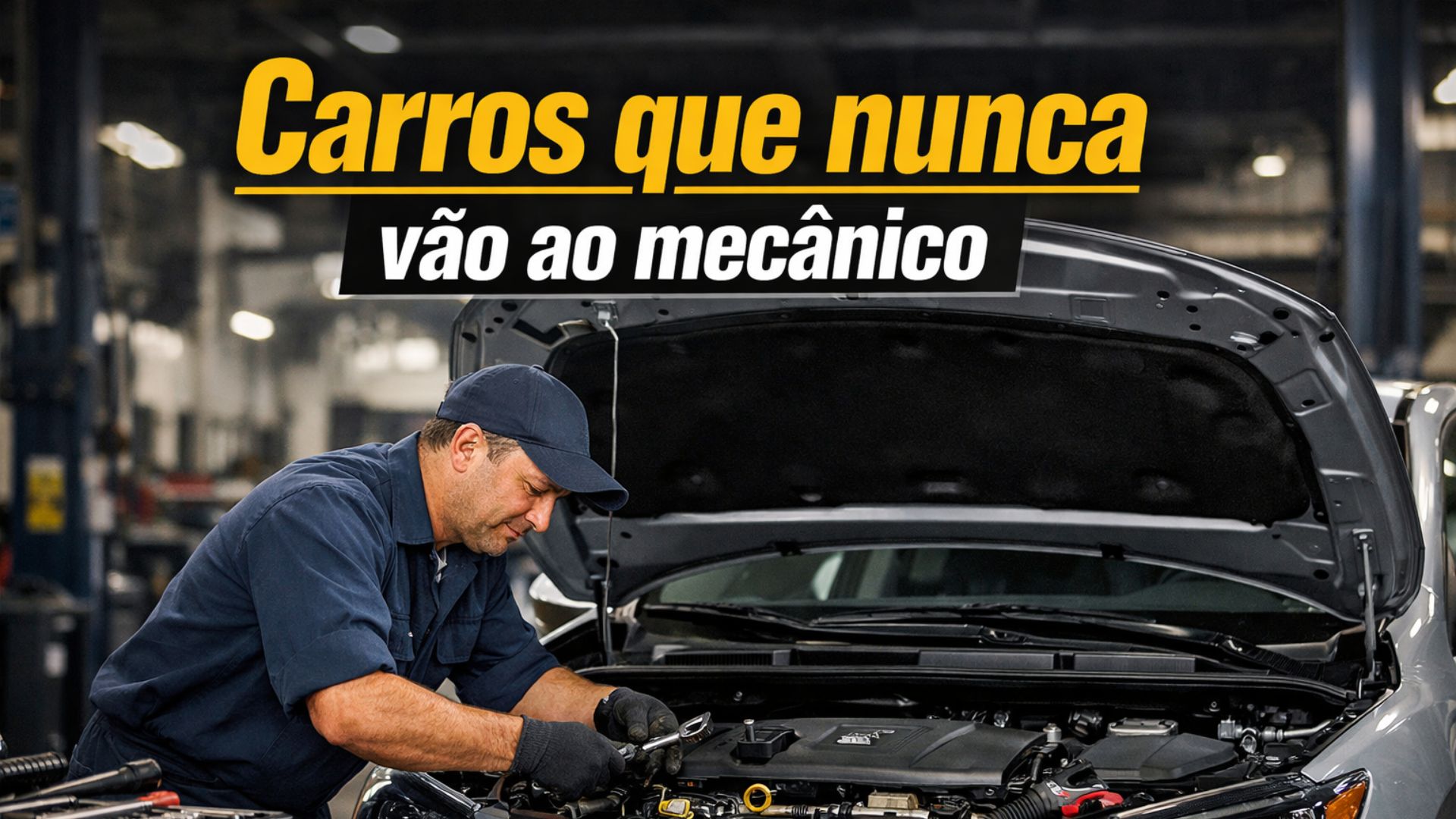
Workshop and Expert Reports Help Understand Why Some Brands Are Associated with Fewer Failures, Predictable Maintenance, and Good Acceptance in the Used Market, Factors That Influence the Purchase Decision of Those Looking to Reduce Costs and Avoid Surprises in Their Daily Lives.
Toyota, Volkswagen, and Honda frequently come up when mechanics are asked about which brands tend to cause less work in the day-to-day operations of workshops, according to an informal survey conducted by content creator Julián Cruz, known on social media as Juliwheels, and reported by the Spanish newspaper El Confidencial.
The idea, as reported in the publication, was to hear from professionals who deal with breakdowns and maintenance to identify manufacturers considered calmer in the routine of those who depend on their car.
This survey does not equate to a technical study with a representative sample, nor does it serve as a guarantee that a vehicle will have no problems.
-
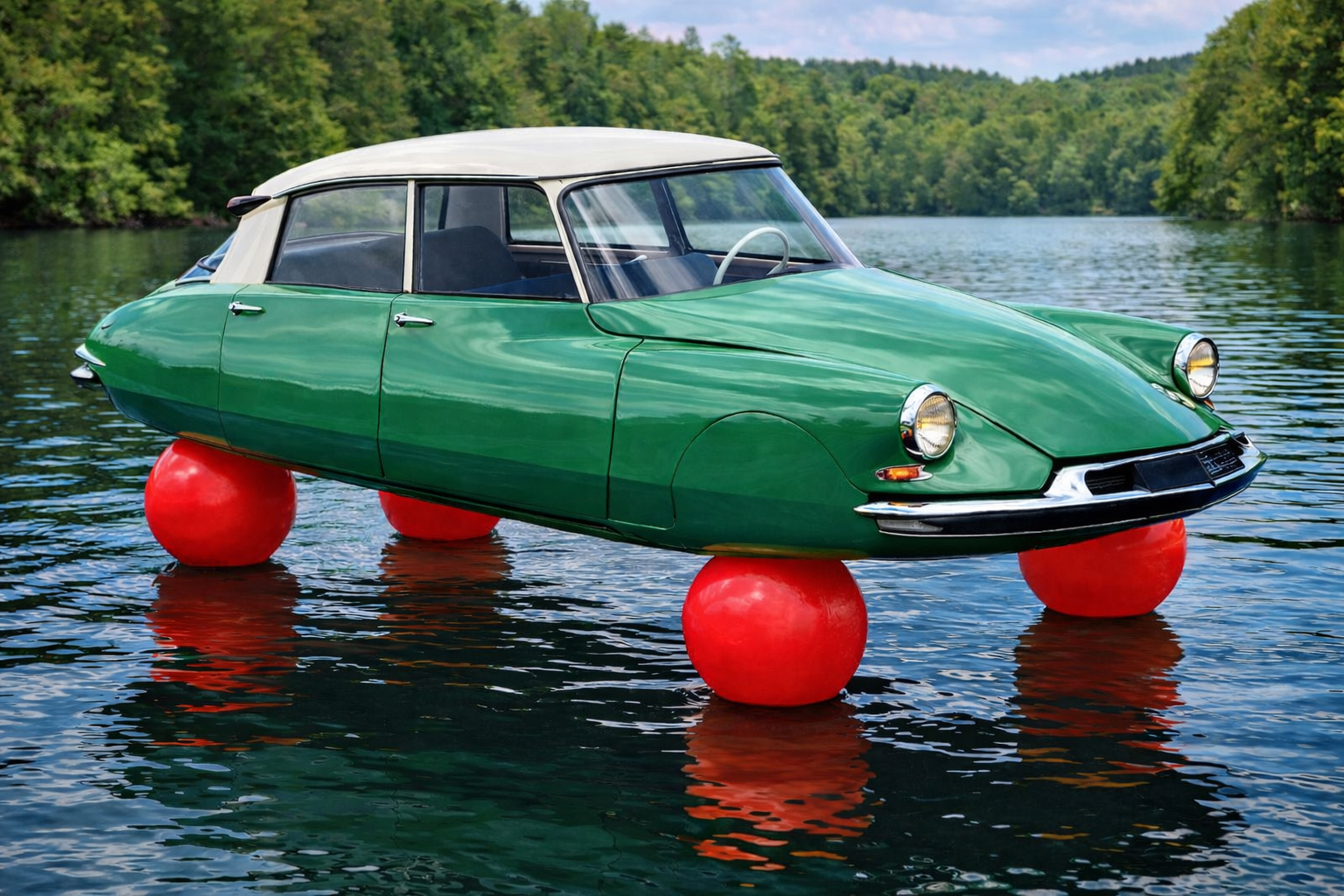
A French brand placed a car on four huge red balloons to prove that its suspension made the vehicle “float,” and the surreal scene became one of the most iconic and unusual images in automotive history.
-
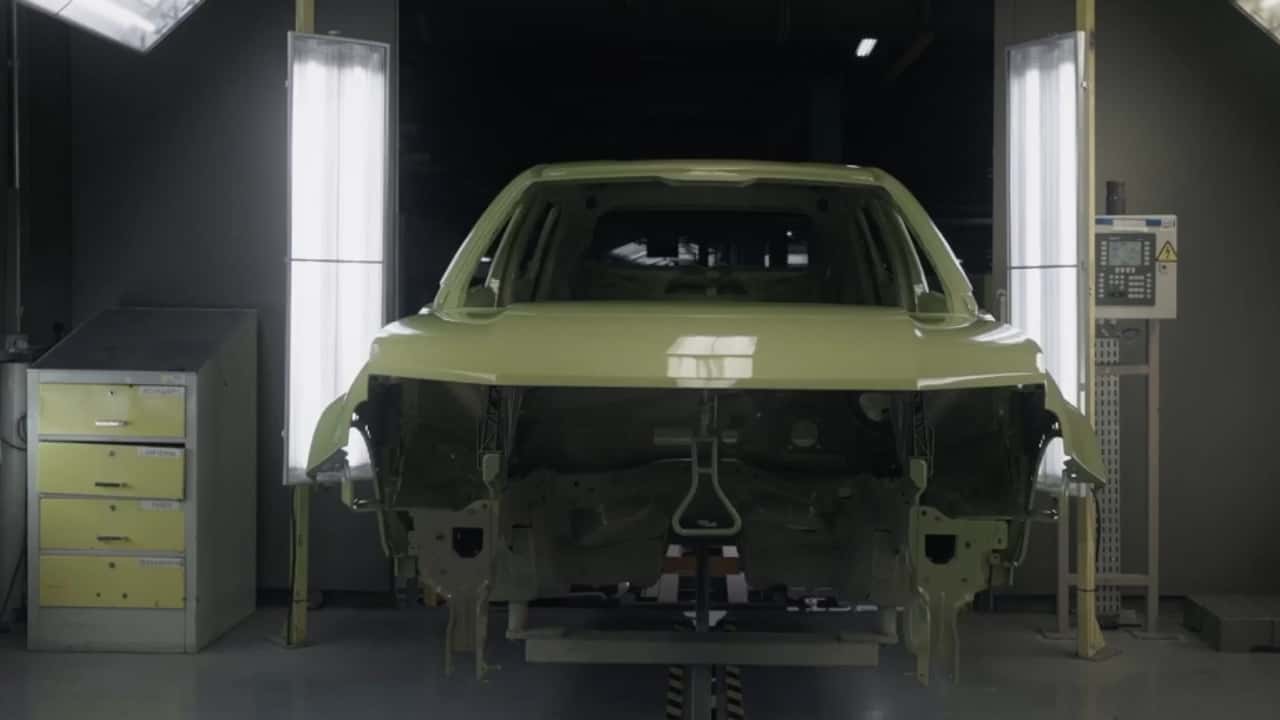
Jeep Avenger begins production in Brazil, debuting as the brand’s new entry-level SUV and inaugurating an unprecedented phase by becoming the first national Jeep manufactured outside of Goiana, as part of a R$ 3 billion plan.
-
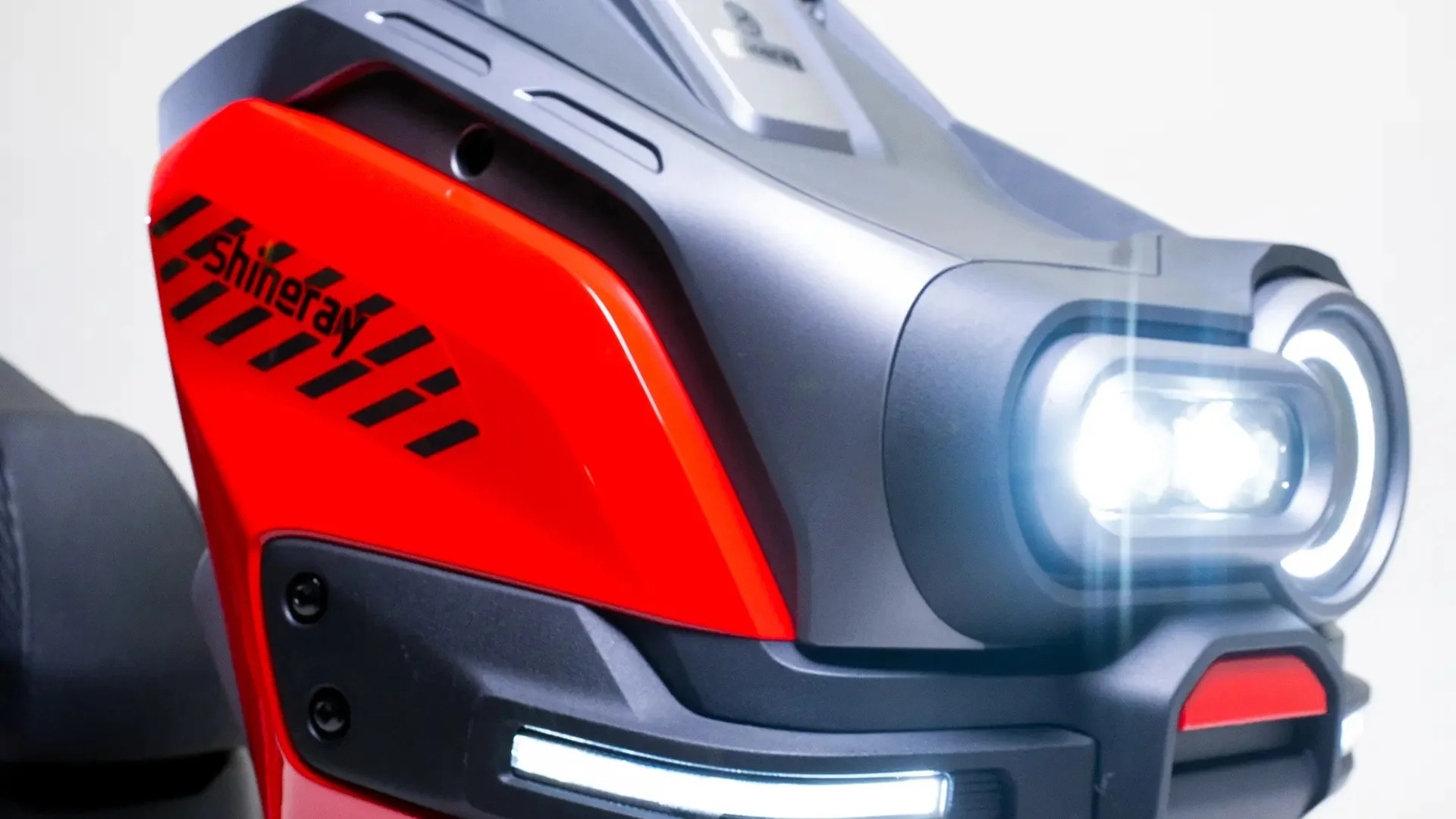
Costing R$ 12,490, the new Shineray Urban Lite 150 “cheap one” arrives in Brazil with a CVT transmission, digital dashboard, and LED lights, making it more affordable than the Biz and targeting those who want to abandon the bus.
-
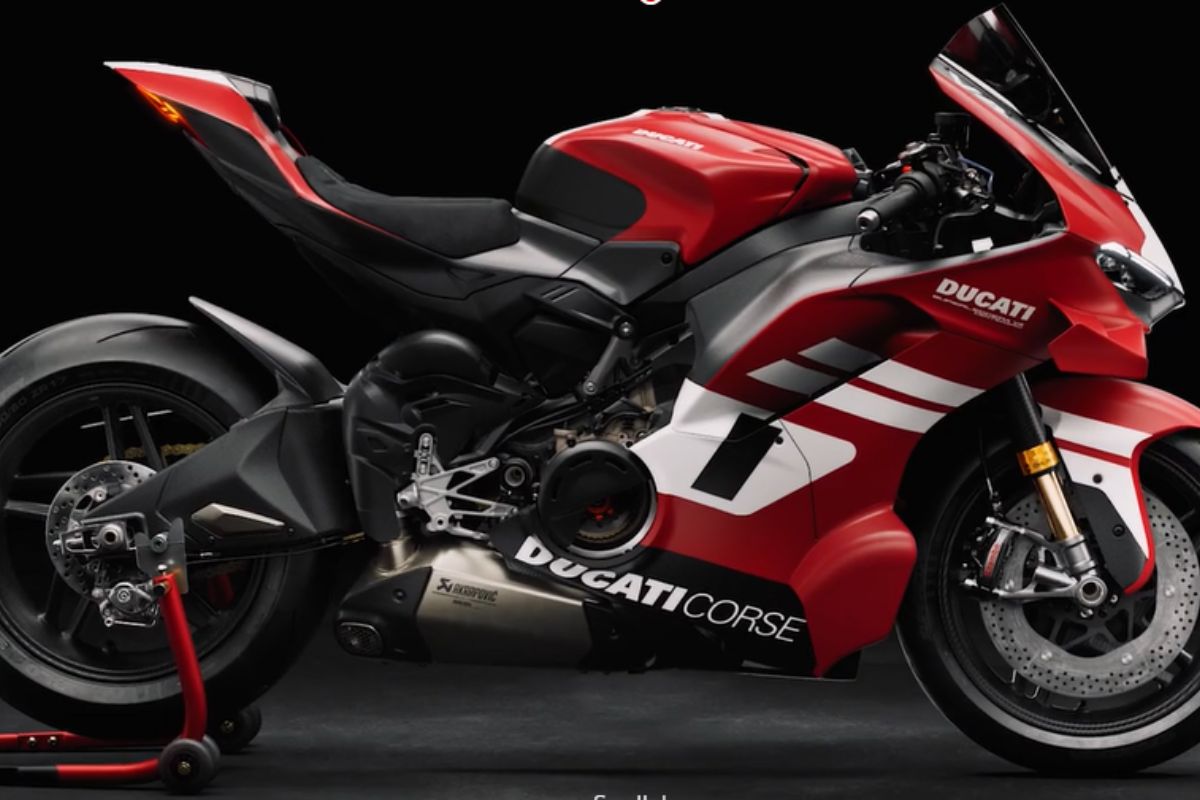
Ducati brings to Brazil the Superleggera V4 Centenario: 228 hp that become 247 with a track kit, carbon fiber and carbon-ceramic brakes, estimated price between R$ 1.5 and 2 million, deliveries only in 2027.

Nonetheless, the viral material reinforces a common perception in the market: established projects, simple maintenance, and parts availability tend to weigh as much as comfort items when choosing a car that spends more time running than sitting still.
Direct Consultation with Mechanics and Practical Experience
At the origin of the discussion is a practical question: which brand to buy to minimize surprises with maintenance and keep costs under control.
By seeking answers directly from mechanics, the influencer specifically targeted those who handle defects that do not show up in test drives and advertisements.


According to El Confidencial’s report, the professionals mentioned in the article more frequently cited manufacturers associated with mechanical reliability and fewer recurring failures.
The final list highlighted in the discussion includes Toyota and Honda as the most mentioned, with Volkswagen completing the trio indicated as a “safe” option due to its robustness and ease of maintenance.
Toyota and the Reputation for Durability
Among the cited brands, Toyota appears as the most associated with reliability.
The explanation presented in the reported content attributes this result to engineering described as focused on longevity and efficiency, with less appeal to solutions considered “experimental” for everyday use.
In this context, the Corolla is regarded as a reference by the mechanics interviewed, always with the implicit caveat that durability depends on timely basic maintenance.
In practice, it is less about a promise of an “indestructible car” and more about a reputation built around well-known mechanics, clear service intervals, and predictable behavior over time.
Another part of the fame comes from the heated used market, where models with a history of reviews tend to be more sought after.
This point, however, varies by version, year, condition, mileage, and region, and cannot be generalized as a fixed rule for all cases.
Volkswagen and the Ease of Maintenance
Volkswagen makes the list due to the combination of durability and convenience for repairs, especially in more traditional models.
The central argument presented in the discussion is operational: when the parts supply chain is wide and the mechanics are well-known, the car tends to spend less time off the road and maintenance can be addressed with greater predictability.

Another factor recalled by professionals is the ease of finding components, which directly impacts the final repair cost and the waiting time for replacements. Even so, “cheap parts” are not an absolute attribute.
Prices fluctuate over time and change according to model, engine, and trim level, in addition to depending on original, aftermarket, or refurbished parts.
Nonetheless, the perception that supports the brand’s prominence is clear: when there is offer and turnover of parts, preventive maintenance becomes more feasible and the owner tends to delay basic care less.
Honda, Durable Engines, and a Consistent History
Rounding out the trio, Honda is associated with the durability of components and the consistency of its engines, according to the reported article.
In the material, the brand appears as synonymous with mechanics that age well when maintenance and replacements of wear items are carried out on time.
The Civic is cited as an example of a resilient car, balancing performance and perceived reliability.
This distinction does not mean an absence of problems: any model can present defects, and the owner’s experience depends on care with oil, cooling, filters, fluids, and the actual history of the vehicle, especially in the used market.
On the flip side, the strength of the name in the after-sales market helps explain why the brand is often mentioned in discussions about rational purchases.
In many cases, the decision involves less about “the perfect car” and more about the chance to avoid expensive maintenance surprises in the short term.
What It Really Means to Show Up Little in the Workshop
The expression that certain cars “almost never” appear in workshops is often a hyperbole of social media.
Cars from these brands, like any others, will visit the mechanic for routine reasons, such as maintenance, tire changes, brakes, suspension, and belts, as well as repairs due to natural wear.
What changes, according to the spirit of the reported content, is the frequency of serious failures and the predictability of what tends to require maintenance.
When a project is well-known, potential problems are also more mapped out, and repairs tend to be more straightforward.
Driving Over 300,000 km Depends on Several Factors
The mention of models exceeding 300,000 km is frequently found in reports from owners and professionals, but this does not equate to a guarantee that any unit will reach that mark “without headaches.”
High mileage is possible, but it depends on objective factors: rigorous maintenance, driving style, fuel quality, type of use, and vehicle history.
In other words, the brand can influence durability, but the car’s history tends to be decisive.
In the seminue and used market, the implicit recommendation is to look beyond the badge and check recorded maintenance, fluid status, cooling system functionality, signs of leaks, and structural integrity.
What Matters in Choosing a Reliable Car
The content that went viral points to a set of criteria more practical than emotional.
Models with established technical solutions tend to have more predictable maintenance, while a good network of parts and services reduces the cost of unforeseen issues.
Resale value, on the other hand, depends on the balance between demand, reputation, availability of units, and vehicle condition, and tends to reward well-maintained cars, with documentation and maintenance in order.
In the end, the choice of Toyota, Volkswagen, and Honda appears as a shortcut to reduce risk, not as a foolproof formula.
The very logic of workshops reinforces this by reminding that preventive maintenance is part of the cost of owning a car, including in the most praised models: “Those who buy well visit the mechanic only to change the oil.”









Seja o primeiro a reagir!