





 Portuguese
  English
  Spanish
  5 min of reading
  0 comments


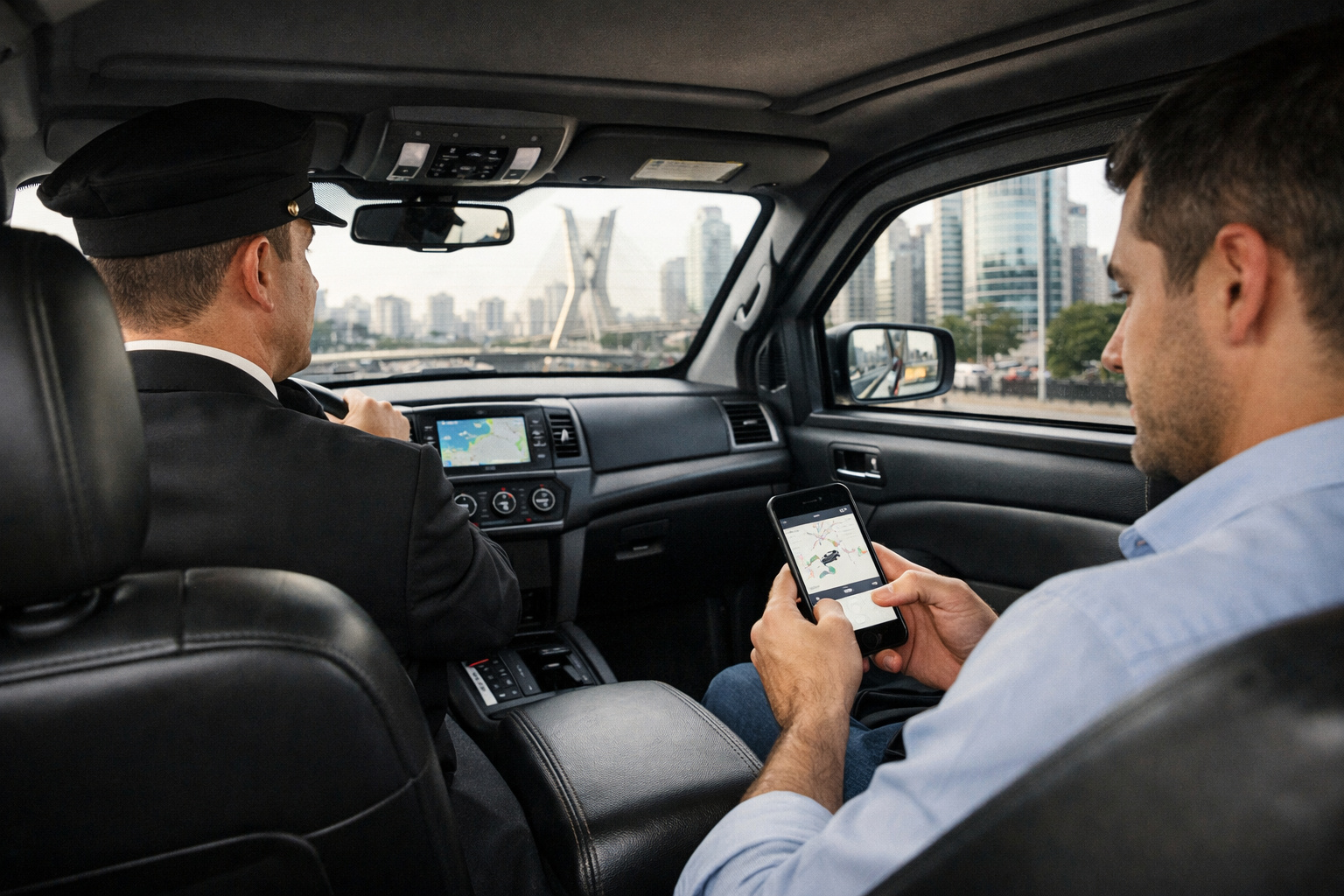
Armored Transportation Apps Grow in Both Capitals, Move Billion Dollar Market and Transform What Was Luxury into Urban Safety Habit
The rise of urban violence in Brazil’s major cities is changing the behavior of part of the population. In Rio de Janeiro and São Paulo, at least three apps already offer rides in armored cars, commonly referred to as “armored Uber.” What was once seen as a luxury item now consolidates as a protection alternative amid growing fear.
This information was released by a special report that analyzed the sector’s growth in both capitals and heard from users, entrepreneurs, and public safety experts. Additionally, recent data from the Brazilian Association of Armored Vehicles (Abrablin) reinforce the scale of the phenomenon.
After being robbed in April 2024, entrepreneur Patrícia Mões de Abreu, 36, decided to change her routine. A resident of Rio de Janeiro, she prioritized transportation in protected vehicles. Although she replaced her family’s car with an armored one, she also uses the app Vou de Blindados RJ up to four times a month, especially for short trips, such as going to the airport or nighttime commitments.
-
What the Public House of Julius Caesar was like inside in the Roman Forum: layout, atrium with compluvium and impluvium, tablinium and peristyle, and the scandal of the Bona Dea, revealed in an AI recreation.

-
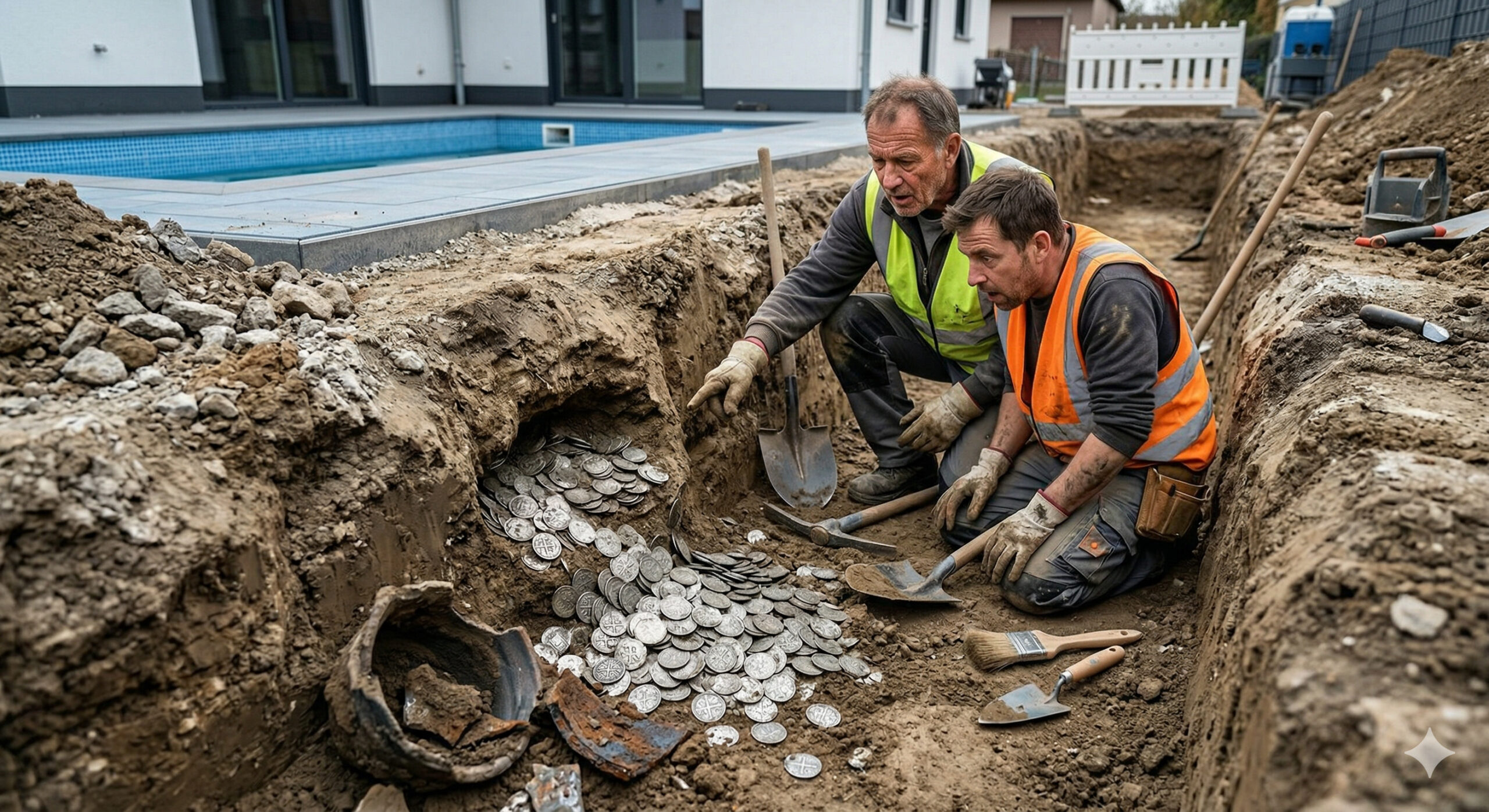
While digging a trench next to a pool in Germany, workers found more than 1,500 silver coins from 1320 in the rubble, revealing a treasure buried for over 700 years.
-
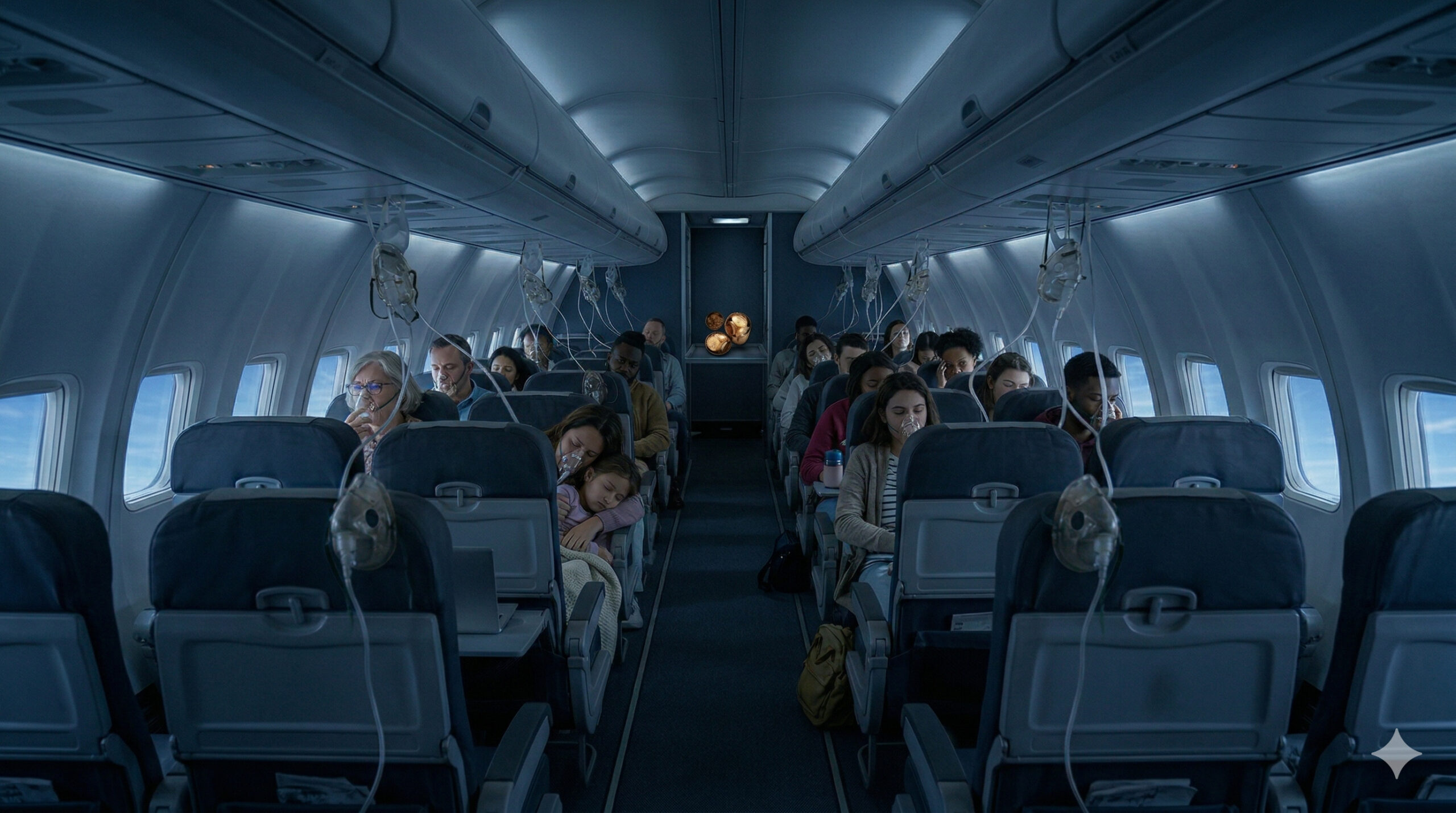
Flight Helios 522, the “ghost” flight with 121 people: the commercial aircraft flew for more than 2 hours on autopilot after a pressurization failure left pilots and passengers unconscious and only stopped when it ran out of fuel.
-
Researchers have located a nearly intact vessel that disappeared 125 years ago on the bottom of icy waters, with masts still preserved and rare details that impress archaeologists.


According to Patrícia, the trauma from the robbery was decisive for her decision.
The robbery was desperate; I had to engage in a physical struggle with the criminals to get my eldest son out of the car, and I decided never to go through that again in my life. In addition to replacing the family vehicle with an armored one, I started using the app for short trips, she reports.
Even so, in 2025, while already in an armored car, she faced another attempted robbery but managed to leave the location unharmed.
Armored Uber: How Much Does It Cost and Why Is Demand Growing

The reinforcement in security comes at a price. Rides that would cost, on average, R$ 25 in traditional apps can reach R$ 100 in armored services, meaning up to four times more expensive. Still, demand is growing.
Entrepreneur Renato Nunes, owner of Vou de Blindados RJ, had been operating in the protected vehicle rental market since 2017. However, in light of the increasing demand, he decided to launch the app in January this year.
Initially, the platform had 27 registered partner vehicles. Currently, it has 184 level A3 cars, protection considered effective against stray bullets, robberies, and attempts to break windows for theft. For now, the service operates in the Metropolitan Region of Rio, but there are plans for expansion to São Paulo and the Northeast.
In addition to Rio, São Paulo also sees significant growth. In the capital city, doctor Marcela Marchetti, 32, has made using the app Rhino a habit, especially when going out at night or to unfamiliar places.
What I appreciate most is the ability to quickly request an armored vehicle. It has brought a lot of convenience to my daily life and has become a routine, she states.
Unlike other mobility apps, Rhino, the first armored app launched in Brazil in January 2024, does not register private drivers. To maintain standards and ensure safety, drivers are hired to operate the company’s own fleet. Today, the platform serves about 300,000 registered clients just in the capital city.
According to CEO and co-founder Daniil Sergunin, the proposal is to democratize a level of security previously restricted to owners of armored vehicles.
Armoring Market Grows 24.6% and Expands Access
The expansion of “armored Uber” accompanies the growth of the fleet of protected cars in the country. Between 2024 and 2025, the number of armored vehicles on the streets increased by 24.6%, totaling approximately 43,000 new vehicles, according to data from Abrablin.
In Bahia, for example, the association found that in the first half of 2025, the average number of armoring increased from 22 to 35 per month a 60% increase compared to the same period in 2024.
For Marino Maciel, president of Abrablin, the main goal of armoring is not to prevent crime but to allow occupants to escape safely.
Today we see many people opting to buy a used or nearly new car just because it is armored. There are already more affordable materials and improved processes that help popularize the service. This feature has become an asset at the time of purchase, he explains.
Luxury market influencer Ícaro Cattin, 25, believes that the adoption of the service goes beyond status.
It’s much more a matter of security and habit than ostentation. In cities like São Paulo, many people already see it as part of their protection routine, he states.
Does Armoring Guarantee Safety? Experts Weigh In
Despite the rapid growth, experts warn that an armored car is not an absolute guarantee of safety.
The public safety researcher from Uerj and retired PM colonel, Robson Rodrigues, emphasizes that the driver needs to be trained to operate the vehicle correctly, understanding types of armoring, vulnerable points, and appropriate maneuvers in risk situations.
When used correctly, it brings more security for both passengers and drivers. But technical preparation is essential, he assesses.
Colonel José Vicente da Silva Filho, former National Secretary of Public Security, states that there are no statistical data justifying a mass rush towards armoring. According to him, crimes such as vehicle theft showed a 6% decrease in 2024, according to the Public Safety Map of 2025.
However, Vicente acknowledges that the market growth may be linked to the feeling of fear.
People seek resources to feel more protected. This happened with security cameras, electronic devices, and now with armored cars — he explains.
In summary, “armored Uber” emerges as a direct response to the perception of insecurity. Although costs are high, the number of users is growing, and the market is strengthening. What was once a symbol of luxury is now transforming into an accessible urban protection alternative just a few clicks away.
And you, would you pay up to four times more for a ride to feel safer in major cities?






Seja o primeiro a reagir!