





 Portuguese
  English
  Spanish
  4 min of reading
  75 comments





Brazilian Job Market Faces a Standstill: Business Owners Struggle to Hire, but Workers Refuse Formal Jobs for Fear of Losing Social Benefits. In a Viral Outburst, Businesswoman Marisa Granchelli Exposes the Labor Crisis, Criticizing Generation Z’s Attitude and Warning About the Future of Retirement.
Amid a challenging economic landscape, where unemployment is at historically low levels, an unsettling contradiction emerges in the Brazilian job market: companies from various sectors face significant difficulties in hiring and retaining qualified professionals.
This reality raises questions about the factors contributing to the labor shortage, even in a country with an abundant workforce.
An emblematic example of this situation is the account of Marisa Granchelli, a nearly 60-year-old entrepreneur and owner of the R.M. Flores flower shop in Holambra (SP).
-
These are the drivers who may stop paying tolls on highways in a project that promises to reduce costs for those who live from transportation in Brazil.

-
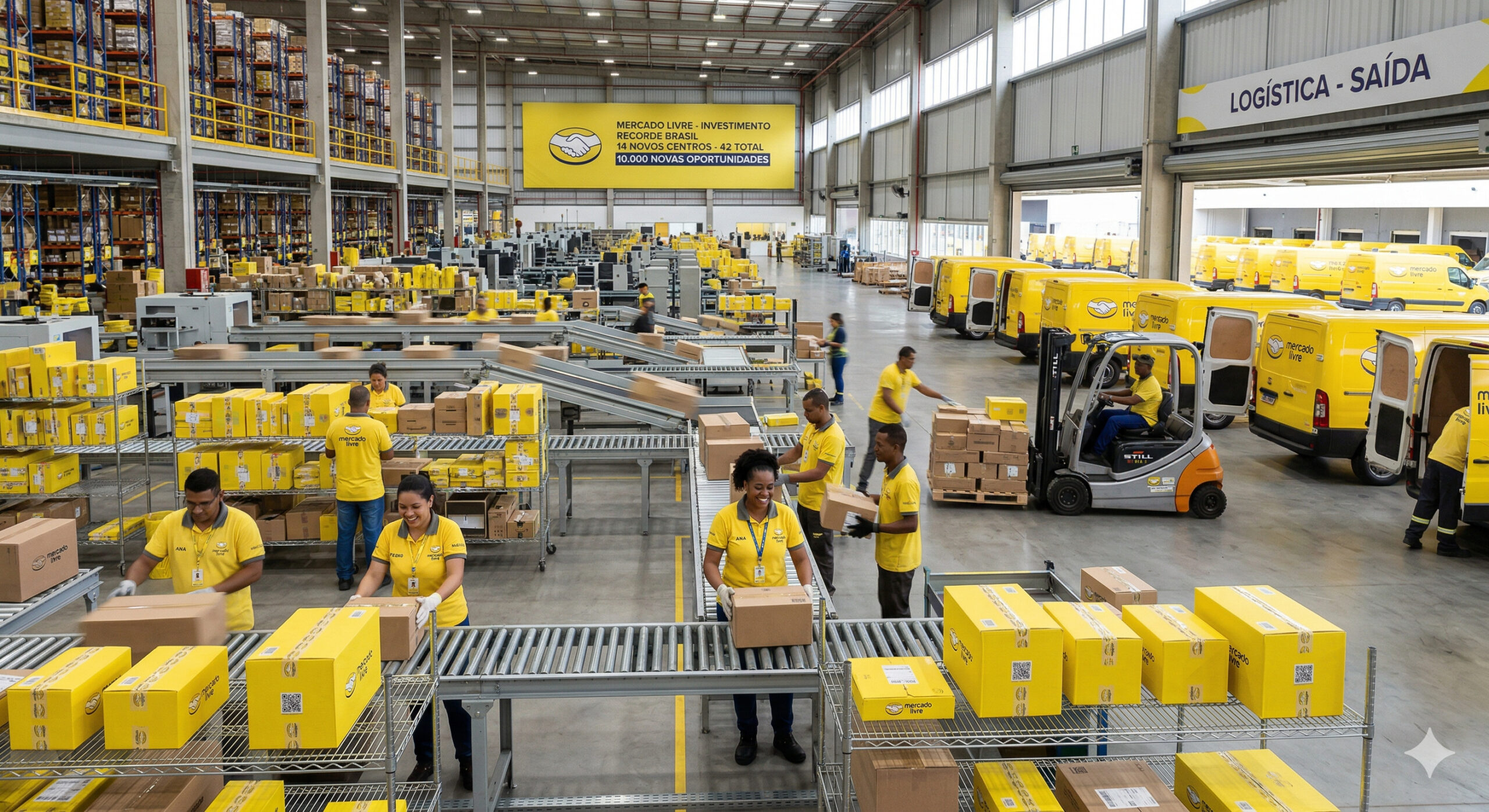
Mercado Livre “opens the vault” and announces a record investment of R$ 57 billion in Brazil in 2026, a value 50% higher than the previous year, with an expansion plan that includes 14 new logistics centers, totaling 42 units in the country and hiring an additional 10,000 employees.
-
How investment in technology can revolutionize the national economy and enhance industrial gains, according to a study that highlights the direct impact on productivity, innovation, and wealth retention within Brazil.

-
(Video): Italian pilot lands plane on moving train at 120 km/h and achieves unprecedented feat in aviation, even with a narrow runway and without direct visual contact.


In a video that went viral on social media, with over 130,000 views, Marisa expresses her frustration with the difficulty of finding employees willing to work formally.
“We can’t find anyone to work”, laments the businesswoman. “Most already receive some type of government assistance and don’t want to be registered for fear of losing that benefit.”
Challenges with Young Labor
In addition to the scarcity of candidates, Marisa highlights the difficulties in dealing with younger employees. According to her, many are offended by constructive feedback, making the work environment challenging.
“When you hire someone younger, you can’t say anything anymore, because they think we’re offending them”, she says in the video
Call for More Experienced Workers
In light of this scenario, Marisa makes a plea for older individuals, even retirees, to consider returning to the job market.
“Anyone who wants to, from 60, 70 years old, in good health, even if retired, can come look for me here at R.M. Flores.”
Impact of Social Benefits on Hiring
The businesswoman also warns about the excessive dependency on government assistance and suggests that this choice may lead to negative consequences in the long run.
“Be careful, folks, those who are deluding themselves because they receive some type of government stipend and think it’s doing them good.”
“I regret to inform you that in a few years, you will regret it because you won’t be able to retire.”

National Overview of Labor Shortage
The situation faced by Marisa is not isolated. According to research by the Brazilian Institute of Economics of Fundação Getulio Vargas (FGV IBRE), conducted in October 2024, 58.7% of Brazilian companies reported difficulties in hiring or retaining professionals.
In the construction sector, as reported by the CPG portal, this percentage rises to 60.4%.
Most Affected Sectors and Main Challenges
FGV IBRE’s research indicates that the shortage of qualified professionals is more pronounced in the industry, commerce, services, and construction sectors.
The main difficulty cited by companies (64.9%) is the lack of qualification, especially in technical areas and engineering.
Strategies Adopted by Companies
To overcome these challenges, many companies have invested in internal training (44%) and offered additional benefits (32%).
However, these measures are not always sufficient: 21.5% of companies reported the need to increase employees’ working hours and 17% mentioned delays in deliveries due to lack of personnel.
In the construction sector, 21.1% of companies reported delays and 18% operate below capacity or refuse new contracts due to the lack of labor.
Economic and Social Consequences
The shortage of professionals affects the economy as a whole. The need to offer higher salaries to attract talent can lead to an increase in operational costs, which are often passed on to consumers, contributing to inflation.
Moreover, important projects may be delayed or canceled due to personnel shortages, negatively impacting economic growth and infrastructure development.
For experts in the field, the situation described by Marisa Granchelli and supported by national research highlights the urgent need for public policies and private initiatives focused on training and professional qualification.


Aligning the skills of the workforce with market demands is essential to overcome current challenges and ensure sustainable economic development.
In this sense, the contradiction between the low unemployment rate and the difficulty of companies in finding qualified labor in Brazil may reveal structural challenges in the job market.
Stories like Marisa Granchelli’s highlight the need for a change in mindset regarding formal work, promoting greater professional qualification and better opportunities for the future.








Que tal readequar as margens de lucro para pagar melhores salários…é que muitas empresas se financeirizaram e tem o acionista de um ladro cobrando maior taxa de lucro por dividendo e do outro o cliente pedindo preço justo e do outro o trabalhador que não aceita salario de fome…então é uma vantagem para a empresa que não foi financeirizada ela pode reduzir a sua margem já que não tem acionista para pagar dividendo…
E um absurdo motorista categoria D ganhar 2470 na carteira
Esta geração também não é mais ****, não aceita um salário mínimo e uma escala 6×1 de exploração e uma jornada de 40 horas. Se diminuir a jornada, aumentar o salário e reduzir a jornada, ela vai conseguir mão de obra. Agora se querer explorar…. Vai ficar na mão!!!