





 Português
  Inglês
  Espanhol
  4 min de leitura
  0 comentários


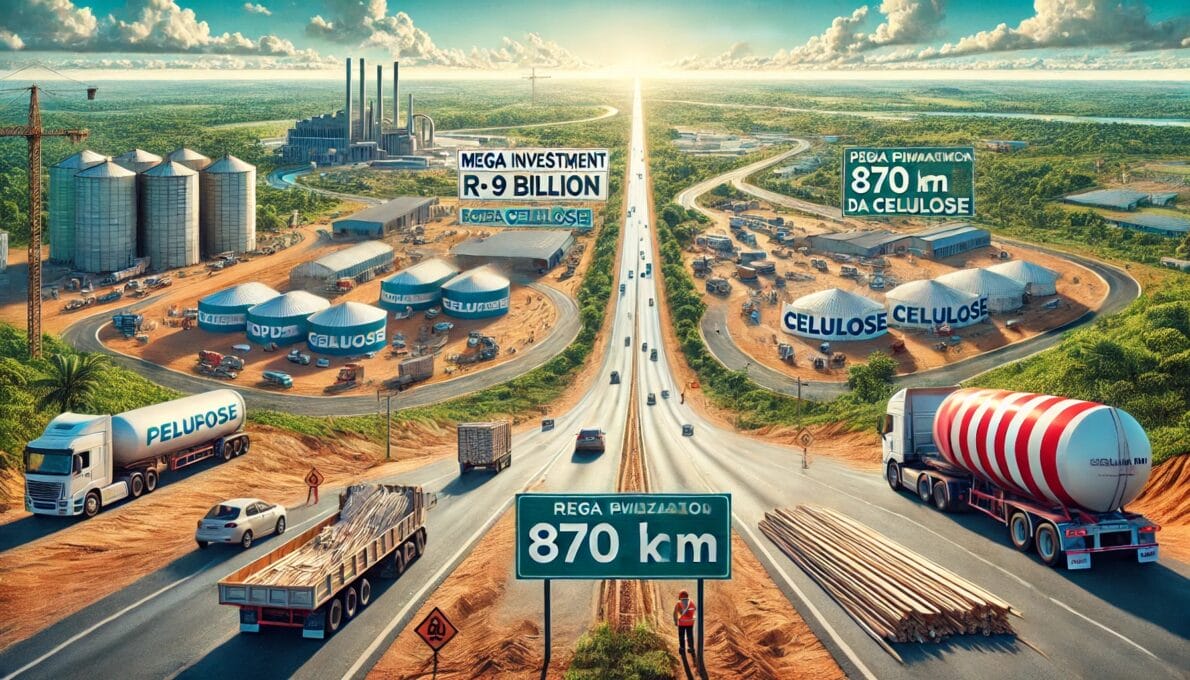
Privatization Of State Highways Promises Improvements To Over 800 Km Of Roads. The Mega Investment Aims To Modernize And Enhance The Cellulose Route And Is Expected To Generate Thousands Of Direct And Indirect Jobs.
The Government of Mato Grosso do Sul has taken an important step towards the development of the Cellulose Route by recently publishing the concession notice for the highways that are part of this important route for the outflow of cellulose production from the state. With a mega investment of R$ 9 billion in private capital, the project aims to modernize and improve the conditions of state and federal highways linking major factories in the cities of Três Lagoas, Ribas do Rio Pardo, and Inocência. The auction for privatization will take place on December 5 in São Paulo and promises to unlock thousands of jobs for the entire region.
What Is The Cellulose Route?
The Cellulose Route is an important outflow route for cellulose production in Mato Grosso do Sul, one of Brazil’s most productive regions in this sector. The factories located in Três Lagoas, Ribas do Rio Pardo, and Inocência use the highways to transport their production to the main markets in the country, making this route essential for the region’s economy.
However, with the growth of production and the increase in heavy vehicle traffic, the highways that make up this route need improvements to ensure safety and efficiency in the transportation of goods. This is exactly where the mega investment will come in through the privatization of the highways.
-
Historic bankruptcy of Centauro shocks the market, and the century-old company puts more than 500,000 products, machines, and complete infrastructure up for online auction.
-
New shoe factory in Ceará is expected to create 400 jobs and strengthen the local economy.
-
No one imagined it, but a mixture of sawdust with a mineral that fights fires surprises scientists with a result that changes the course of fire-resistant construction.
-
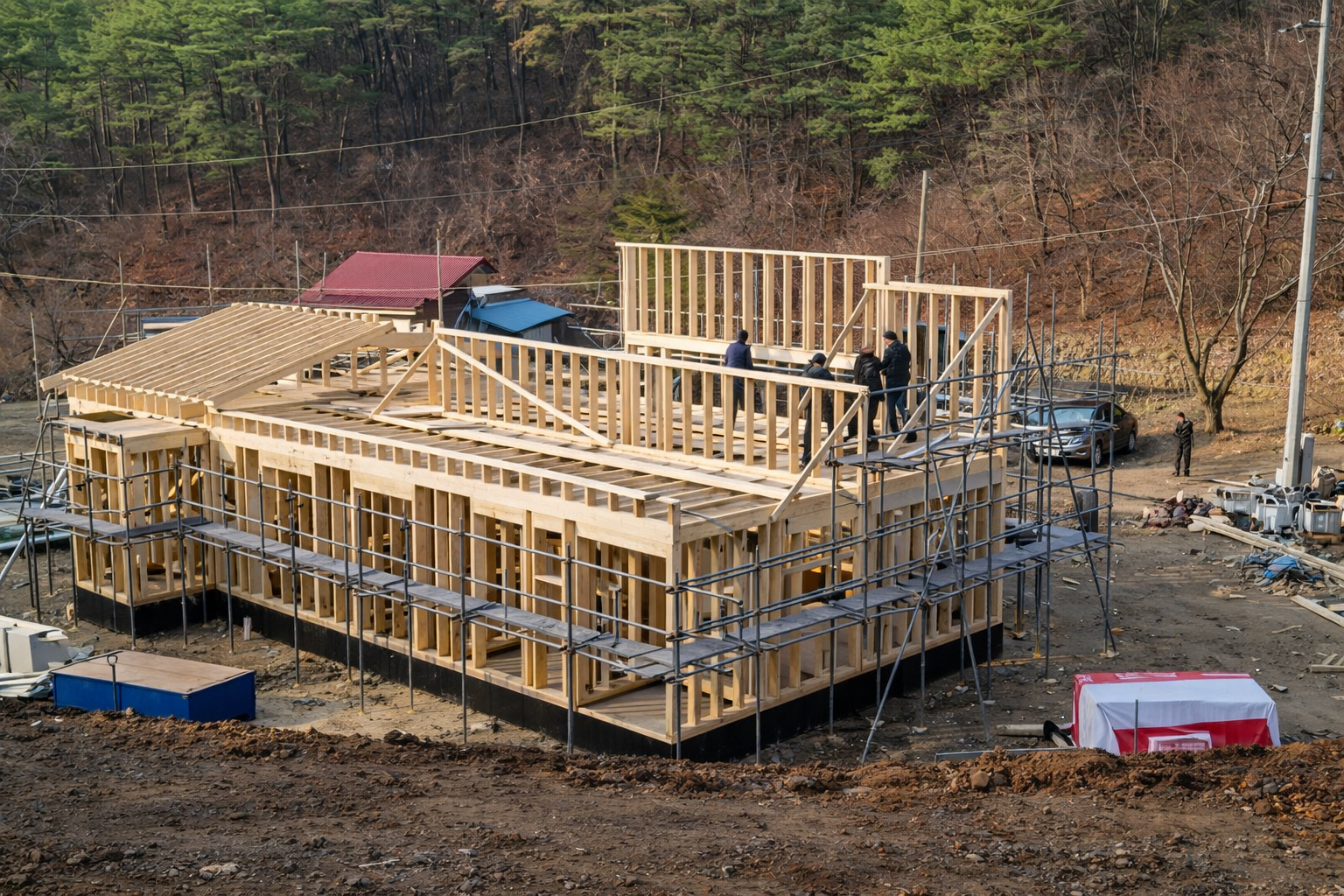
From empty land to a high-end house, wooden construction uses a lightweight system, metal structure for the foundation, ventilated ceramic cladding, and special windows to create an efficient and comfortable living space throughout the year.
The Mega Investment Of R$ 9 Billion And Highway Improvements
The highway concession project that makes up the Cellulose Route involves an investment of R$ 9 billion in improvements and modernizations along 843 km of roads. The block of highways that will go to auction crosses nine municipalities in the state, including strategic cities like Campo Grande, Três Lagoas, Ribas do Rio Pardo, and Nova Alvorada do Sul. Among the main improvements are:
- Duplication of 135 km of highways;
- Implementation of 457 km of shoulders;
- 203 km of third lanes to facilitate traffic;
- 36 km of bypasses in municipalities, improving urban traffic flow;
- Wildlife crossings to preserve wildlife, with 22 crossings planned;
- 6 crossings over railway lines and 16 pedestrian walkways;
- New stopping and resting points for truck drivers, including parking areas and restrooms.
These improvements promise not only to increase traffic capacity and the safety of the highways but also to reduce travel time and transportation costs for companies using the Cellulose Route. The forecast is that these investments will create numerous direct and indirect jobs in the region, from the construction of improvements to the operation and maintenance of the highways.
What Changes For The Users Of The Roads?
The privatization of the state and federal highways that make up the Cellulose Route means that the management of these roads will be conducted by a private concessionaire, to be chosen at the auction in December. This concessionaire will be responsible for carrying out all improvement and maintenance works on the highways during the concession period, which will be 30 years.
One of the main changes for highway users will be the introduction of tolls. The concession includes the installation of toll systems along the roads, which may generate some additional costs for drivers. However, the government assures that the tolls will be fair and that the benefits brought by the improvements to the roads will offset this cost. The revenue will be used to maintain the highways in good condition, ensuring safety and comfort for drivers.
Modernization Of The Highways Is Expected To Attract Investments To The Region And Thousands Of Jobs
The mega investment in the Cellulose Route not only brings benefits for the transportation of goods but also for the local economy. The expectation is that the modernization of the highways will attract new investments to the region, generating jobs and business opportunities in various sectors.
The construction and improvements of the roads, for example, should create thousands of direct jobs during the works. The operation of the privatized highways, including toll services, rest areas for truck drivers, and road maintenance, will also open new job opportunities, directly benefiting the population of the municipalities where the highways pass.
For companies using the Cellulose Route to move their production, the improvements to the roads will reduce logistical costs, making their products more competitive in the market. This can stimulate the growth of cellulose factories and attract new investments to the state, further expanding job opportunities in the region.
Cellulose Route And Environmental Preservation
An important aspect of the highway concession project is the attention given to environmental preservation. The government of Mato Grosso do Sul has included in the investment package several measures to protect the fauna and flora along the highways. Among the actions are the construction of wildlife crossings, which will allow animals to cross the highways safely, and the installation of guiding fences and warning signs to prevent accidents with wild animals.
The project is part of the Estrada Viva program, which promotes environmental education for drivers and road users. The idea is to raise awareness among the population about the importance of preserving the environment, even in areas of intense road traffic.









Seja o primeiro a reagir!