





 Portuguese
  English
  Spanish
  3 min of reading
  0 comments


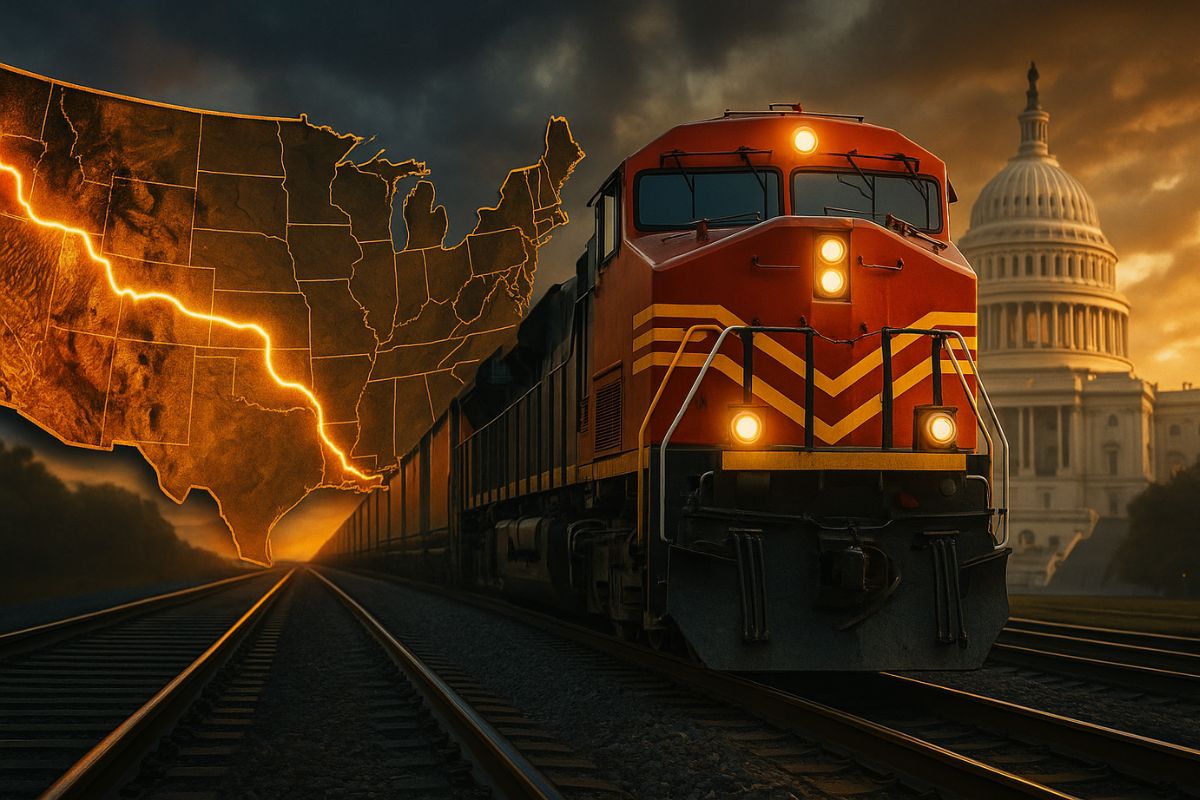
Negotiations Between Giants of the American Railroad Industry Raise Consolidation Alerts and Rekindle Transcontinental Railroad Ambitions
North American railroads are experiencing a historic moment. The Union Pacific Railroad (UP), the largest freight operator in the western United States, has confirmed that it is in advanced negotiations to merge with Norfolk Southern Railway, which dominates operations in the East. The merger, if finalized, would result in the first transcontinental railroad in the country — a significant reconfiguration in U.S. logistics.
According to the Wall Street Journal, the talks could lead to the creation of the largest Class I railroad in the country, with a combined market value exceeding US$ 190 billion. The movement is being closely monitored by competitors, regulators, and investors, and could generate an unprecedented wave of consolidations in the sector.
Who Are the Giants Involved in the Merger?
The Union Pacific is responsible for railroads covering the western U.S., connecting Pacific ports to industrial centers. Meanwhile, Norfolk Southern operates in the East and South of the U.S., being a key player in intermodal transport and the movement of agricultural commodities, coal, and manufactured goods.
-
Historic bankruptcy of Centauro shocks the market, and the century-old company puts more than 500,000 products, machines, and complete infrastructure up for online auction.

-
New shoe factory in Ceará is expected to create 400 jobs and strengthen the local economy.
-
No one imagined it, but a mixture of sawdust with a mineral that fights fires surprises scientists with a result that changes the course of fire-resistant construction.

-
From empty land to a high-end house, wooden construction uses a lightweight system, metal structure for the foundation, ventilated ceramic cladding, and special windows to create an efficient and comfortable living space throughout the year.

If united, the companies would form the only private railroad operating coast to coast, eliminating the need for transfers between operators. For UP’s CEO, Jim Vena, this could represent fewer logistical delays and greater operational efficiency, reducing long-standing bottlenecks in rail transport.
Why Could the Merger Happen Now?
Norfolk Southern is facing a moment of vulnerability. The company lost its CEO in 2024 after an internal scandal and was already facing pressure from shareholders following a high-impact derailment in 2023. Additionally, its financial performance has been unstable.
Experts consulted by the WSJ suggest that a more favorable regulatory environment under the current Republican administration may be encouraging companies to seek consolidation. Unlike previous governments, there is less political resistance to megamergers in strategic sectors such as transportation and energy.
What Would Be the Impact of the New Railroads?
A merger between UP and Norfolk would create a logistic monopoly with unprecedented reach, but it would also spark immediate reactions from rivals. BNSF, controlled by Berkshire Hathaway, and CSX, the current leader in the East, are already being pressured to respond.
According to Professor Jason Miller from Michigan State University, CSX and BNSF may have to join forces to maintain competitiveness. Rumors suggest that Berkshire Hathaway consulted Goldman Sachs, but Warren Buffett formally denied any movement.
CSX, for its part, has indicated that it is open to negotiations, according to a statement to Bloomberg, suggesting that consolidation in the sector may be inevitable.
And How Are Investors Reacting?
Since the Wall Street Journal reported the negotiations on July 17, shares of Union Pacific have fallen 3%, while Norfolk Southern’s stocks have risen 8%, reflecting market optimism regarding the deal.
Currently, Union Pacific is valued at US$ 132 billion on the New York Stock Exchange, while Norfolk Southern is valued at US$ 63 billion. The deal, if approved, will undergo review by the Surface Transportation Board (STB), the Department of Justice, in addition to consultations with unions and state agencies.
What Is at Stake with These Megamergers?
If approved, these mergers could change the economic geography of the U.S.. Industrial companies, agribusiness, logistics operators, and even consumers might feel the effects, both positive and negative, of this new structure. Reductions in logistical costs could benefit the supply chain, but there are also concerns about market concentration and loss of competition.
For now, the market is closely watching the next steps of the negotiations. One thing is certain: railroads have returned to the center of the contest for economic and strategic power in the U.S. — with a direct impact on American global competitiveness.
Or do you fear the risk of monopoly and loss of competition? Share your opinion — we want to know how you see the future of railroads in the U.S. economy.








Seja o primeiro a reagir!