





 Portuguese
  English
  Spanish
  6 min of reading
  2 comments


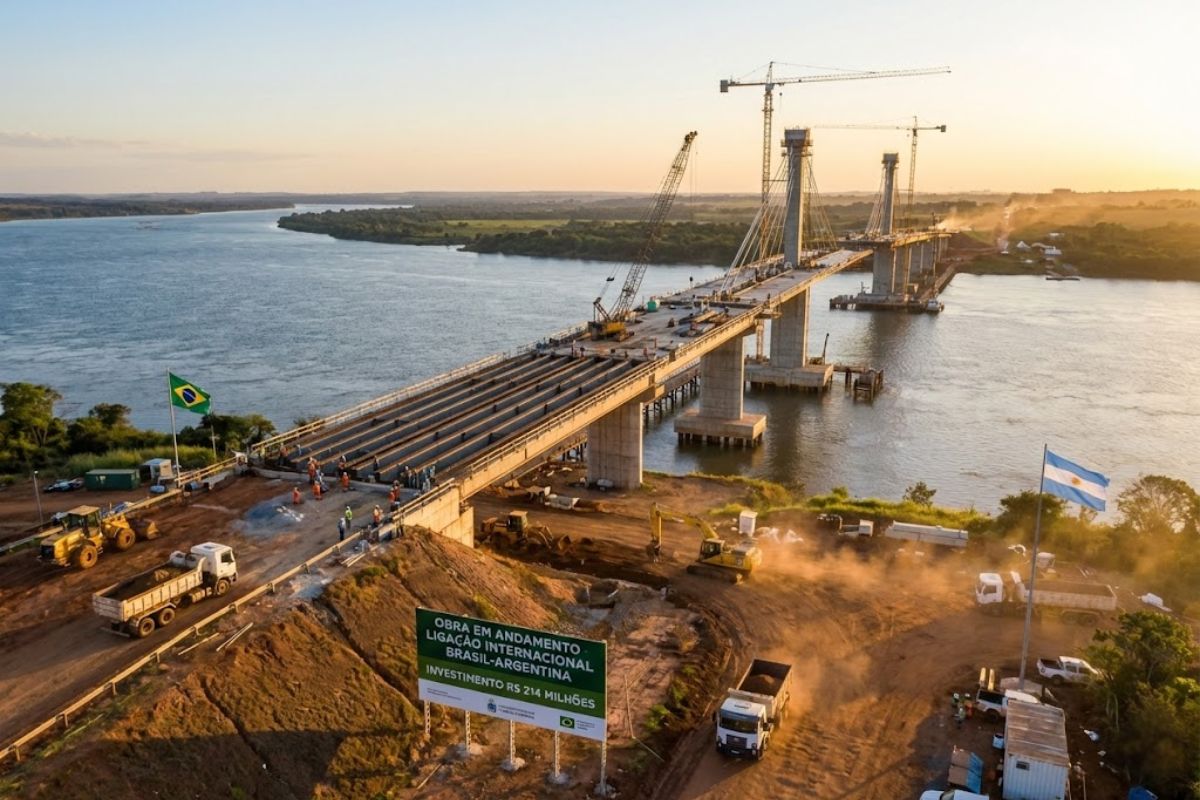


New Mega Project Over The Uruguai River, Linking Porto Xavier To San Javier, Enters Decisive Phase In 2026, Promises To Reduce Dependence On Ferries, Integrate Agro-Business And Tourism Chains, And Reposition The Brazil-Argentina Corridor As The Central Axis Of Mercosur By 2030, With New Jobs, Investments And Monitoring At The Binational Border
In 2025, after decades of binational discussion and waiting over 90 years in the border region, the mega project of the new bridge between Porto Xavier, in Rio Grande do Sul, and San Javier, in the Argentine province of Misiones, moved from the realm of promises to the official execution schedule. Estimated at around R$ 214 million, the link over the Uruguai River is regarded by authorities from both countries as a central piece of the future integration network of the Southern Cone.
Starting in 2026, when the effective start of work fronts is expected, the mega project will gradually reconfigure the logistical axis between Brazil and Argentina, currently sustained by ferries with limitations in scheduling, capacity, and safety. The expectation is that by the end of the decade, the bridge will be fully operational, altering routes, shortening distances, and creating a new circulation hub for people and services at the gaucho border.
Why The Mega Project Between Brazil And Argentina Is Considered Strategic

Currently, the crossing between Porto Xavier and San Javier depends on ferries subject to floods, droughts, and operational interruptions, affecting carriers, exporters, and residents who cross the border daily.
-
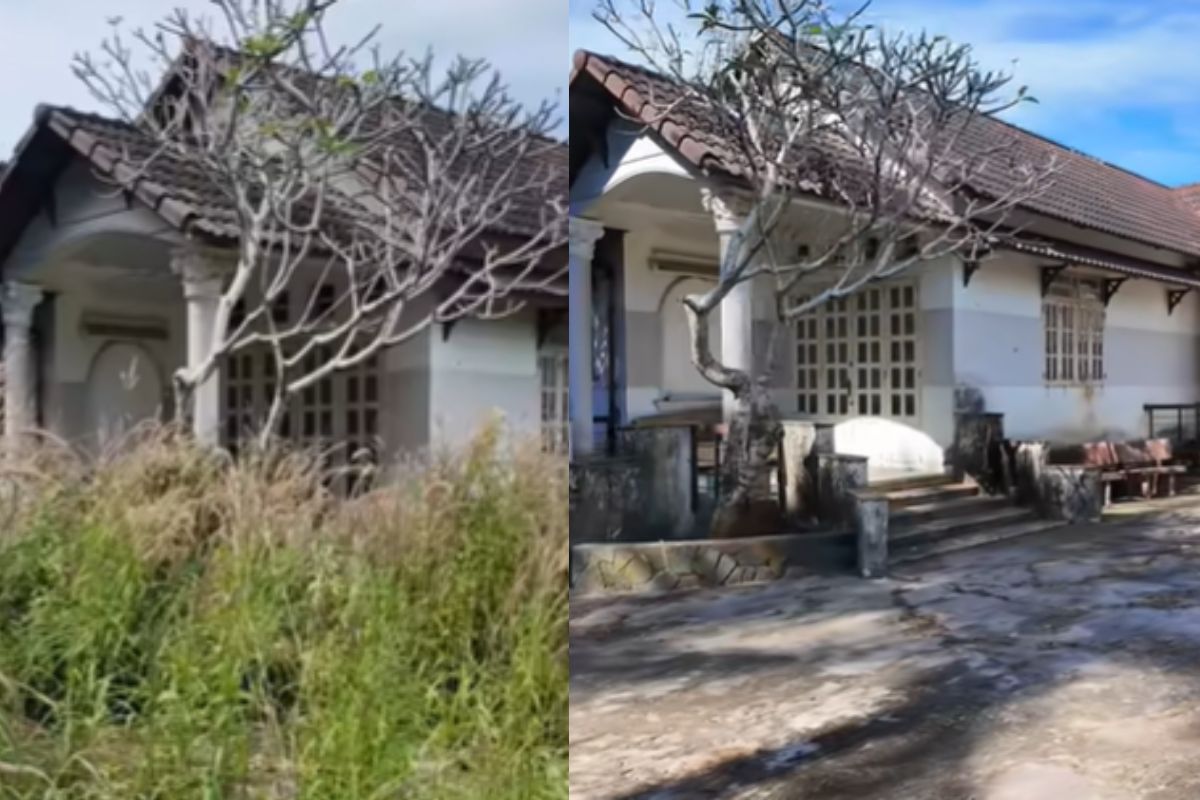
Abandoned house for 15 years disappears in the woods, shocks owner with unrecognizable scenery and is reborn in an intense transformation after almost 90 hours of work in just 10 days.
-
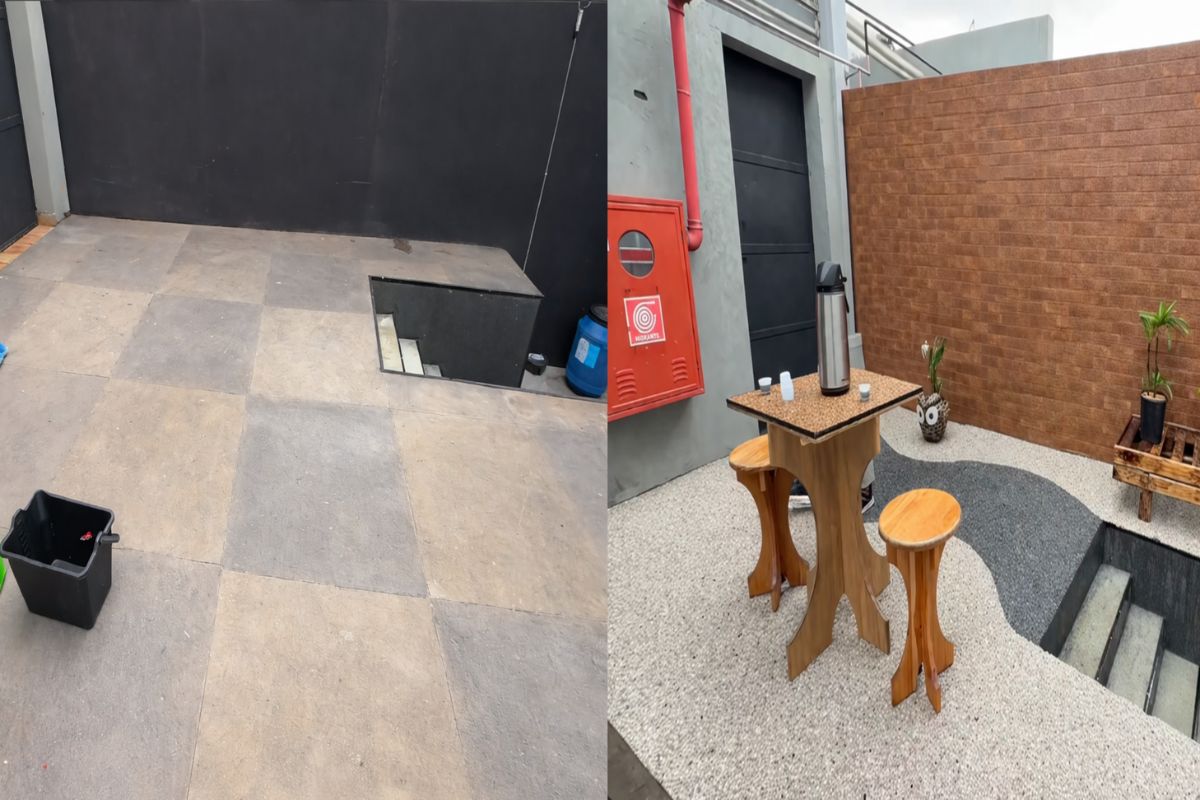
In just three hours, a natural stone floor transforms the entrance of the house with an organic effect, immediate drainage, and a sophisticated non-slip finish that doesn’t puddle water, dries quickly, and impresses with the final result.
-
‘Interlocking brick’ made of earth arrives in the construction industry with cost reductions of up to 40% on the project.

-
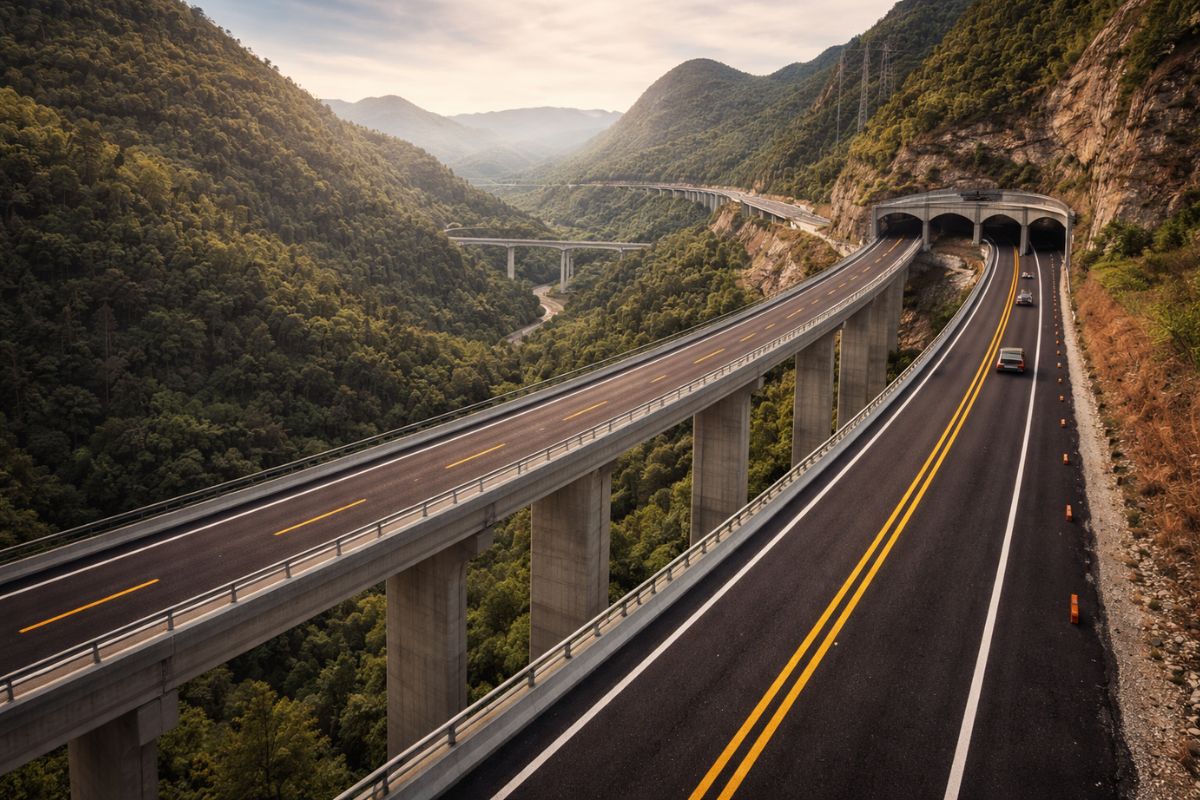
Espírito Santo will receive the largest engineering project in its history with the duplication of BR 262, which will have 50 viaducts, 28 bridges, and 2-kilometer tunnels cutting through the most challenging mountainous region of the entire state.

The new bridge is described as a mega project capable of replacing this intermittent system with a continuous road flow, having a direct impact on travel time, freight costs, and logistical predictability.
Governments and productive sectors see the link as a permanent corridor between Northwest Rio Grande do Sul and Northeast Argentina, reinforcing the circulation of grains, meats, industrial inputs, and services.
The mega project is expected to reduce the concentration of international traffic at a few crossing points, such as Uruguaiana, and to distribute the flow better within Mercosur, creating alternative outlets and diminishing historical bottlenecks.
Besides the economic dimension, the bridge carries symbolic weight.
The region, which has been accustomed to relying on the ferry for decades, begins to envision a new level of integration, with faster movements for work, study, health, and border tourism.
In practice, the mega project redesigns the access map between the interior of Rio Grande do Sul, Misiones, and other states and provinces connected to the Atlantic-Pacific bioceanic corridor.
How The New Bridge Over The Uruguai River Will Be

The mega project was designed to support traffic growth in the coming decades, combining road capacity, safety, and monitoring.
The structure will be about 950 meters long, with a deck elevated approximately 18 meters above the water level to allow navigation on the Uruguai River, and a width of around 17.5 meters to accommodate two lanes of traffic, shoulders, and circulation for pedestrians and cyclists.
The layout includes two lanes for cars and trucks, a bike lane, and a walkway, with LED technology lighting and plans for near real-time monitoring systems.
The mega project was conceived not only as a physical link bridge but as an advanced point for traffic control, road safety, and customs inspection between Brazil and Argentina, with specific areas for vehicle and personnel inspection at the accesses.
The height of the deck, the design of the guardrails, and the so-called anti-roll guardrails aim to reduce the risk of serious accidents, especially in windy, rainy, and foggy conditions.
The structural solution also preserves the navigability of the Uruguai River, maintaining the passage of local vessels and integrating the mega project into the existing dynamics of river transport at the border.
Schedule, Investment, And Execution Of The Mega Project
The contract for the mega project between Porto Xavier and San Javier foresees an investment of approximately R$ 214.6 million, under the coordination of the Brazilian federal government and executed by the Consortium Ponte Rio Uruguai RS.
The scope includes the basic and executive project, the works of the main structure, the access roads within national territory, and the environmental obligations associated with the undertaking.
The schedule stipulates the beginning of the works in 2026, with a timeline of around four years for completion, totaling 1,440 days of execution and 1,620 days of contractual validity, including tests, signaling, implementation of security systems, and final adjustments.
In practice, the expectation is that the mega project will be operational by around 2030, provided that the stages of project, licensing, property acquisitions, and binational coordination progress within the planned windows.
On the Argentine side, the adjustment of accesses and border control structures occurs in coordination with the Brazilian agenda, since the efficiency of the corridor depends on technical and operational alignment between the two countries.
The goal is to deliver a bridge ready to receive both the smaller regional traffic and the long-distance truck flow, connected to internal Mercosur routes.
Expected Economic And Logistical Impacts With The Mega Project

The replacement of the ferry with a continuous-flow road bridge tends to reduce logistical costs related to queues, limitations on daily capacity, and forced stops due to weather issues.
Transporters can begin to plan routes more accurately, and exporting companies gain predictability in arrival times at ports and distribution centers. This change is considered one of the main economic effects of the mega project.
With a shorter and more stable route, Northwest Rio Grande do Sul strengthens ties with Northeast Argentina, creating new opportunities for chains linked to agribusiness, food industry, forestry sector, and specialized logistics services.
The mega project is seen as a trigger for investments in warehouses, distribution centers, service stations, and support structures in the border region, expanding the local job base and tax revenue for municipalities on both sides.
In tourism, the expectation is that the link will favor integrated circuits among historic cities, wineries, natural areas, and regional events, with a more intense flow of Argentine and Brazilian visitors.
The ease of crossing the Uruguai River by land, at any time, reduces practical barriers that currently discourage short weekend or business trips in the border zone.
Changes For The Local Population And For The Integration Of Mercosur
For residents of Porto Xavier, San Javier, and nearby cities, the mega project is set to change work, study, and access to healthcare and commerce routines.
Currently, the crossing relies on the operation of the ferry, which imposes rigid time windows and uncertainties for those who need to travel frequently.
With the bridge, the displacement becomes continuous, favoring family, professional, and community ties in a region that has historically been integrated but physically limited.
On a larger scale, the bridge is treated as part of an integration design that connects the south of Brazil and the north of Argentina to bioceanic corridors linking the Atlantic to the Pacific.
If it meets the schedule and delivers the planned capacity, the mega project has the potential to rank among the most strategic bridges in Latin America, repositioning the gaucho border in the logistical landscape of the continent and creating new route options for cargo that currently circulates through saturated axes.
At the same time, experts warn that the effective impact of the mega project will depend on the quality of road access, customs coordination, security in the region, and the capacity of both countries to maintain conservation investments in the long term.
The bridge resolves a historical bottleneck over the Uruguai River, but it needs to be integrated into a consistent policy of infrastructure and regional integration to deliver all the expected gains.
In the end, the mega project between Brazil and Argentina is more than concrete and steel over the Uruguai River: it is a test of planning capacity, cooperation, and long-term execution in the Southern Cone.
Do you believe that this mega project will actually be able to transform the life of those who live and work at the border, or is the potential being overestimated compared to what will be delivered by 2030?










Não deveriam aproveitar esse mega projeto com a implantação conjunta de uma ferrovia ?
Por que no projeto não se aproveita a travessia ferroviária? Simples de responder: porque são dois países pobres, desprovidos de imaginação e cegos em assuntos de crescimento econômico e logística.