





 Portuguese
  English
  Spanish
  4 min of reading
  17 comments


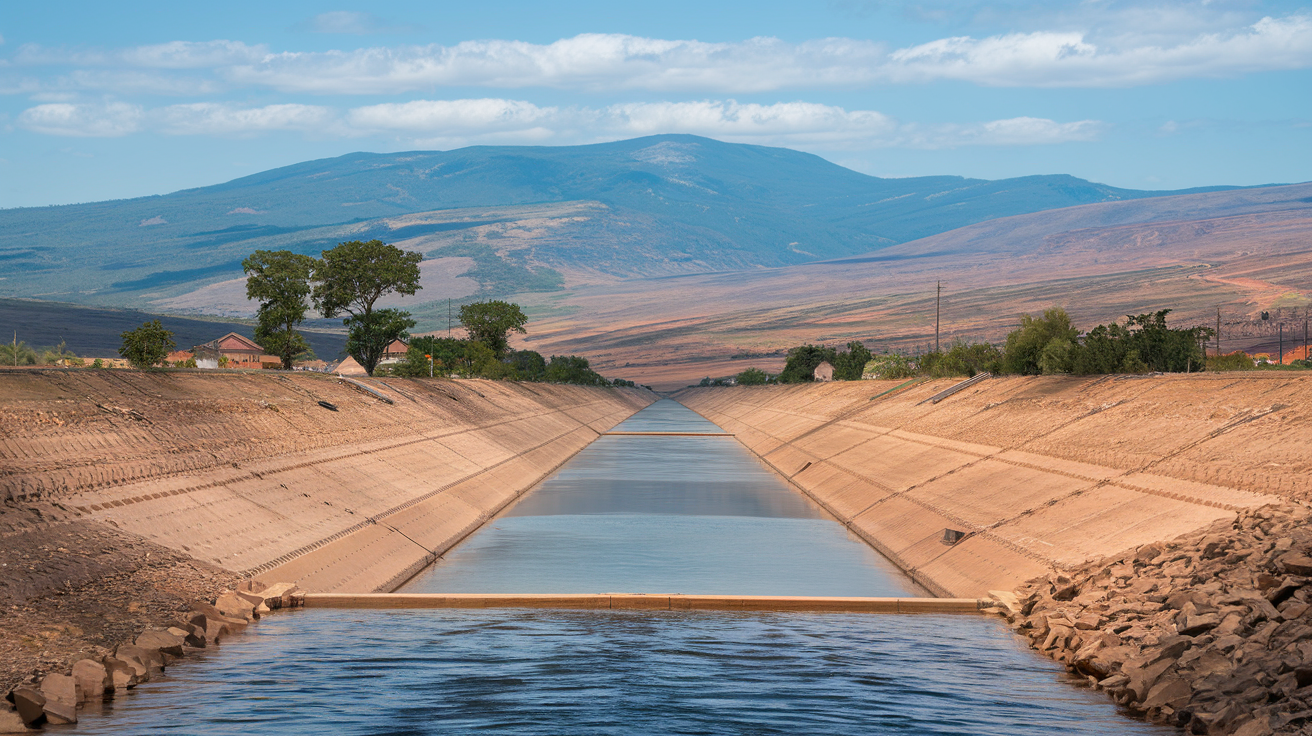


Meet The Mega Project Of The Transposition Of The São Francisco River. Hydraulic Project Has 477 Km Of Channels And Revolutionizes The Combat To Drought In The Northeast.
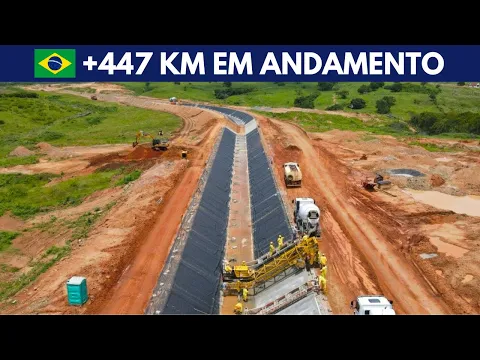
Mega Project In The Northeast: The Transposition Of The São Francisco River Is One Of The Largest Water Infrastructure Works In Brazil, Designed To Reduce The Impacts Of Drought In The Northeast And Bring Water To Regions Historically Affected By Scarcity. With 477 Km Of Concrete Channels Already Built, The Project Is Divided Into Two Main Axes: North And East, Benefiting Millions Of People In States Like Pernambuco, Ceará, Paraíba, And Rio Grande Do Norte.
However, The Expectation Is That The Scope Of The Work Will Be Expanded. Currently, New Stages Are Underway, And A Complementary Project Is Scheduled To Begin In 2025, Reinforcing The Importance Of The Transposition For Water Security And Sustainable Development In The Region.
The Transposition Of The São Francisco River
The First Mention Of The Hydraulic Transposition Project Of The São Francisco River Occurred In The 1840s During The Empire Of Brazil. Dom Pedro II, On A Visit To The Northeast, Was Presented With The Idea Of Channeling The Waters Of The São Francisco To Regions Affected By Droughts. However, The Technical And Financial Limitations Of The Time Prevented The Mega Project From Advancing.
-
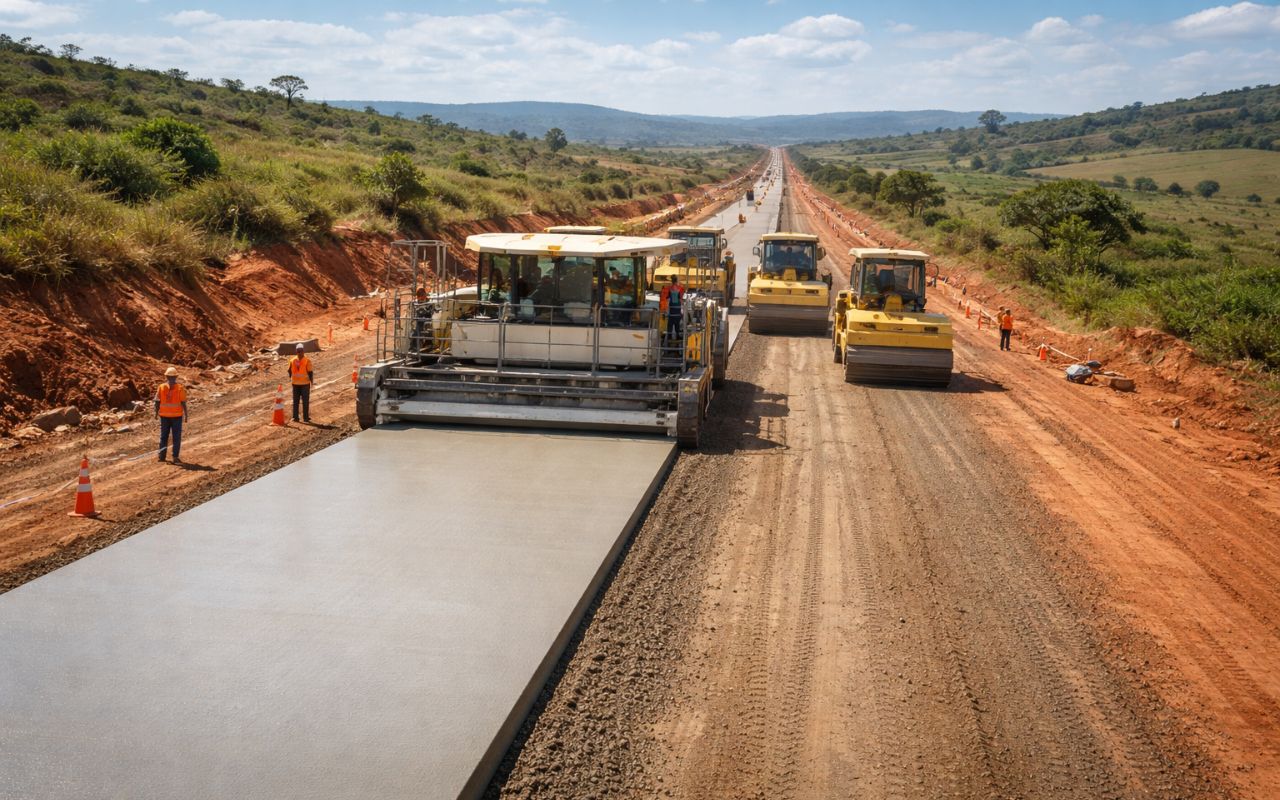
New CCR concrete paving technology promises roads up to 3x more durable, less maintenance, and cost reduction in Brazil.
-
Made from recycled plastic, plastic wood is gaining space in the construction industry because it does not rot, resists moisture, and reduces maintenance costs over the years.

-
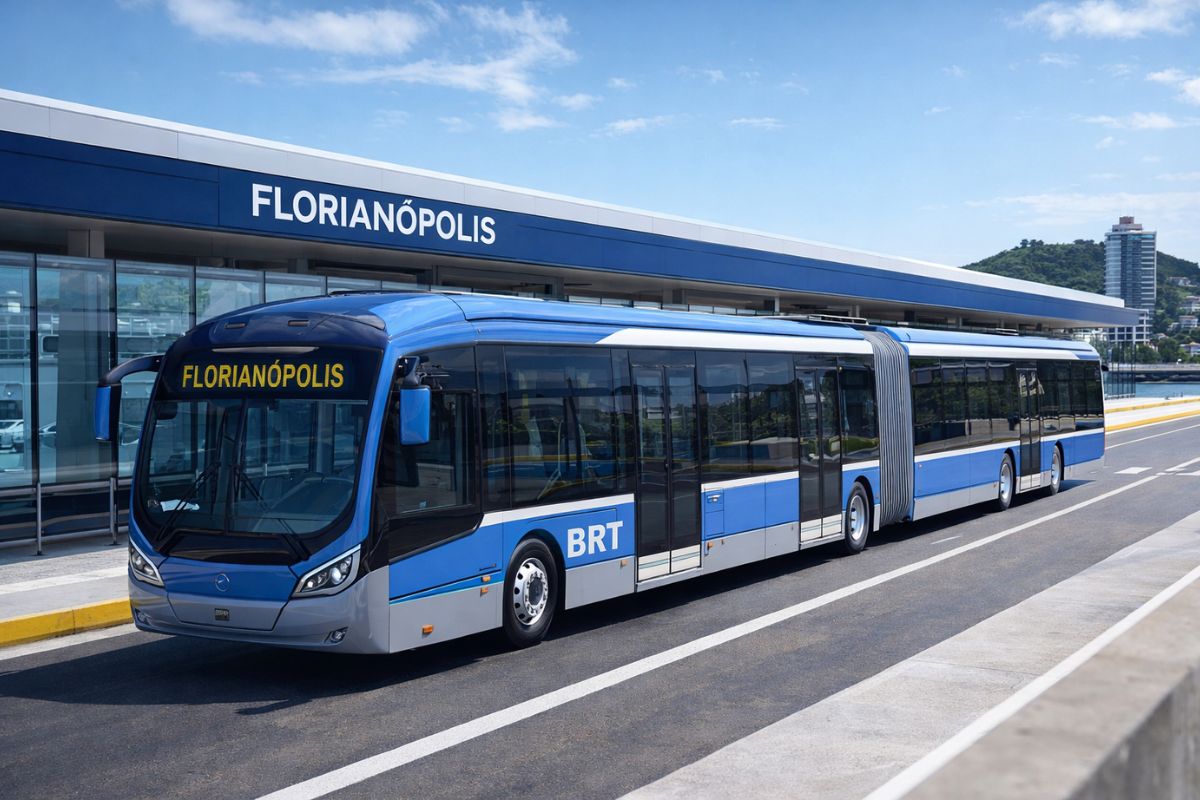
Florianópolis will receive a million-dollar BRT that will begin construction in 2026 with nearly 400 million in funding from the federal government and the Inter-American Development Bank, and the map already shows the routes for the exclusive bus corridors.
-
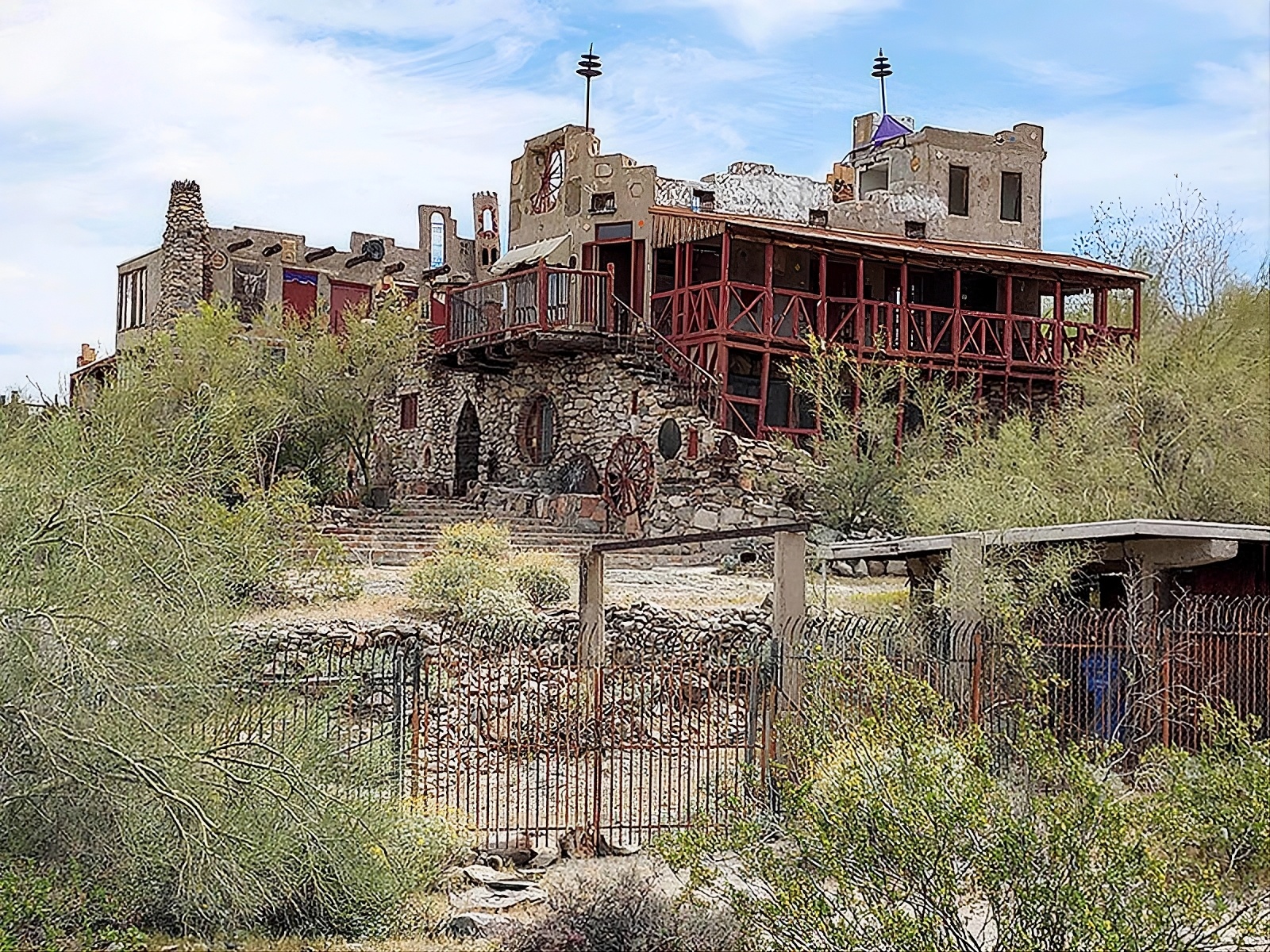
Without a blueprint, without an engineer, and using scrap from the dump, a father spends 15 years building an 18-room castle for his daughter, featuring tram tracks, 13 fireplaces, and over 700 m², which may now be demolished.


The devastating drought from 1877 to 1879, Which Devastated About 10% Of The Population Of Ceará, Revived The Debate About The Viability Of The Transposition Of The São Francisco River. During The Drought, Engineers Were Sent To The Region To Study Possible Solutions. The Construction Of Dams And Barrages Like The Cedro Dam Was One Of The Proposed Alternatives.
Despite This, The Transposition Of The São Francisco River Continued To Be Viewed As The Definitive Solution To The Drought Problem, However, The Hydraulic Project Faced Numerous Difficulties Over The Following Decades, Being Resumed Only In The 20th Century With Advances In Technology And Engineering.
The Modern Project Of The Transposition Of The São Francisco River Began To Take Shape In 1985, At The National Department Of Works And Sanitation. In 1999 The Project Was Transferred To The Ministry Of National Integration. Although Considered Strategic For The Northeast, The Mega Project Faced Legal And Bureaucratic Disputes That Delayed Its Start.
Understand How The Mega Project Of The Northeast Is Composed
In July 2007 The Works Began, Marking The Start Of One Of The Largest Water Constructs In The World.
Originally, The Transposition Of The São Francisco River Planned The Construction Of 699 Km Of Channels And Several Additional Branches. However, The Lula And Dilma Governments Reduced The Hydraulic Project To 477 Km, About 68% Of The Initial Plan.
This Change Also Included The Construction Of Monumental Infrastructure, Such As 13 Aqueducts, 9 Pumping Stations, 27 Reservoirs, And 4 Tunnels, With Cuncas 1 Being The Largest In Latin America, Measuring 15 Km In Length.
The North Axis, With 260 Km In Length, And The East Axis, With 217 Km, Were The Two Main Components Of The Project. The North Axis Aims To Supply Important Rivers And Dams, While The East Axis Provides Water For The Sertão And The Agreste. These Axes Are Essential To Ensure Water Supply In Regions That Have Historically Suffered From Drought.
Transposition Of The São Francisco Will Have PPP In 2025
It Is Worth Mentioning That The Federal Government Is About To Close A Water Management Contract For The Transposition Of The São Francisco River With The Four States Benefited By The Project, Which Are Ceará, Paraíba, Pernambuco, And Rio Grande Do Norte.
Alongside The Signing Of The Contract, The Modeling Of A Public-Private Partnership (PPP) For The Operation Of The Two Axes (North And East) Of The Transposition, Currently Managed By The National Water Security Secretariat Of The Ministry Of Integration And Regional Development, Will Enter A Decisive Phase.
The PPP Means That The Future Company Responsible For The Management And Operation Of The Water Will Also Receive Public Contributions To Close The Project’s Accounts. According To Waldez, One Of The Commitments To Be Taken On By The Concessionaire Is The Installation Of New Sets Of Pumps To Elevate The Water Of The Hydraulic Project.








Esta é a obra + importante do Brasil. Imaginem o que teria acontecido no Nordeste nestes 2 anos de intença seca se não tivesse essa megaobra para abastecer milhões de Nordestinos?
Imaginemos que com as atuais secas, agravadas pelas intensas ondas de calor, como seria se já tivesem com esta obra fornecendo água para esta região, seria outra carnificina.
Só pra relembrar: na terrível seca de 1877/1879, onde, cerca de 500 mil Nordestinos morreram de sede e fome
Esta obra tem que contemplar o Piaui. São cerca de 50 km para levar água para a região +seca do Piauí, perenizando um dos maiores rios, o Piaui, e aumentando até o volume do 2° maior do Nordeste, que é o Parnaíba.
Se não é o governo do Biroliro dar impulso, as obras teriam acabado somente em 2080 e teria reduzido o alcance para 150 km. Desvio de verba e superfaturamento desde 2005.
E tem **** aplaudindo.
Lula fez 80% e o restante foi dividido entre Temer e Bolsonaro, e ambos não teriam feito nada se não fosse por Lula tirar do sonho , fazer o projeto, licitações, e a execução da quase totalidade.
Politica de Governo progressista é isso, com projetos que visam o longo prazo.
O risco é os extremistas nazi-**** retornarem e voltarmos a estaca zero