





 Portuguese
  English
  Spanish
  7 min of reading
  0 comments


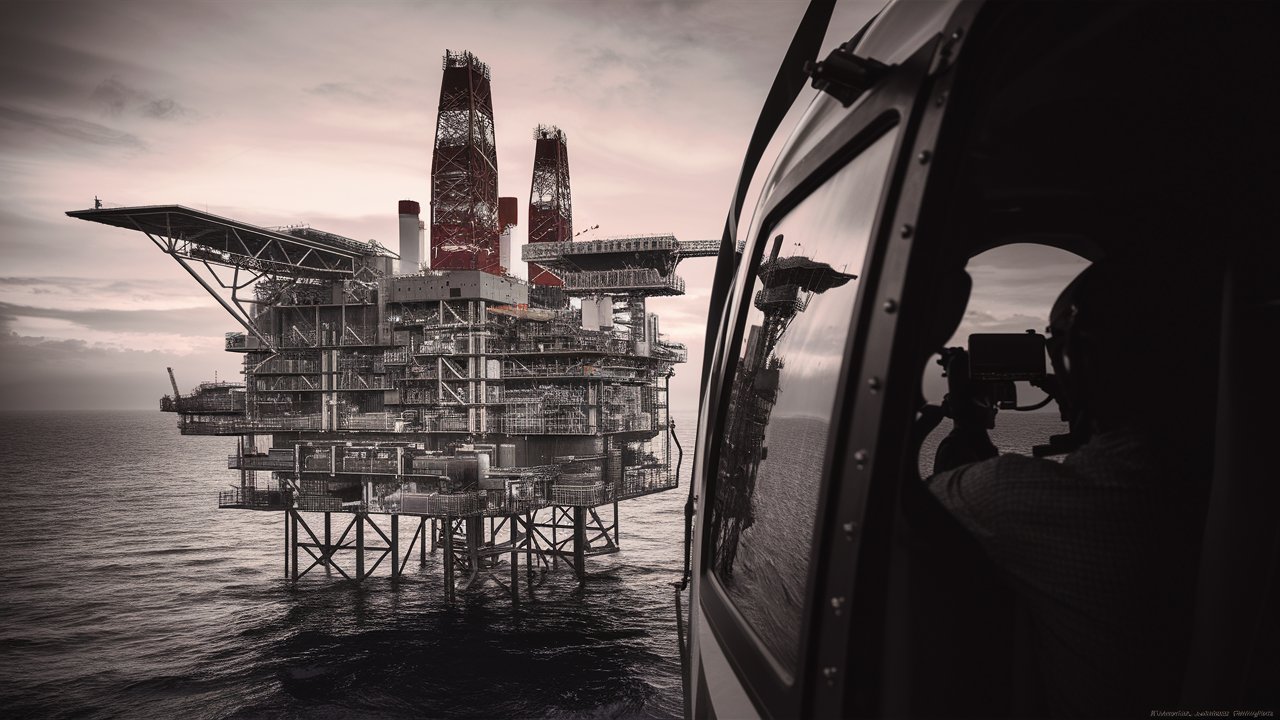
The Oil and Gas Industry in Brazil Is Constantly Evolving, Driven by the Advancement of Offshore Mega Platforms. These Structures Are Fundamental for Efficient Extraction in the Pre-Salt, Increasing Production and Generating Jobs.
Brazil has been consolidating its position in the global oil and gas market, especially with the adoption of offshore mega platforms. These investments aim to increase production and enhance operational efficiency. However, logistical and environmental challenges also need to be considered.
According to the National Agency of Petroleum, Natural Gas and Biofuels (ANP), since 2006, when the pre-salt was discovered, the exploration of these reserves has received significant incentives. Petrobras, the main operator in the sector, announced in 2023 an investment plan of R$ 78 billion for new platforms by 2027.
What Are Mega Platforms and How Do They Work?
Mega platforms are floating units for oil and gas production designed to operate offshore, with high extraction capacity. In Brazil, these structures are fundamental for pre-salt exploration, given the geological complexity of these reserves.
-
Lula reveals a masterstroke by Petrobras to undo a deal made by Bolsonaro, which involves the return of an important refinery that currently produces less than half of what was expected and makes Brazil dependent on international diesel.
-
A study confirms that the natural gas sector will reduce greenhouse gas emissions in Brazil by 0.5% and accelerate the energy transition by 2026.

-
Petrobras implements a severe adjustment and confirms a 55% increase in the price of aviation kerosene with a proposal for installment payments for the companies.

-
The rise in oil prices could ensure an extra revenue of R$ 100 billion for the Federal Government, indicates a recent economic study.


The first major pre-salt platform, the FPSO Cidade de São Paulo, began operations in January 2013. Since then, new units have been incorporated into the fleet, including the FPSO Guanabara, inaugurated in 2022, and the Almirante Tamandaré, expected to begin operations in 2024.
Main Features of Mega Platforms:
- High Production Capacity: they can extract up to 225 thousand barrels of oil per day.
- Operational Efficiency: reduction of extraction costs and improvement of offshore logistics.
- Technological Innovation: use of advanced equipment to optimize exploration and minimize losses.
- Job Creation and Economic Impact: strengthening of various sectors of the oil and gas industry.
The Growth of Production in the Pre-Salt
The Brazilian pre-salt has established itself as one of the main poles of oil production in the world. In 2010, production in this layer was limited, but over the years, technological advances allowed for a significant increase. In 2017, it surpassed 1 million barrels per day, and in 2023, according to the ANP, it represented 75% of total national oil production.
How Do Mega Platforms Contribute to This Evolution?
- Drilling of wells with advanced technology to maximize extraction.
- Implementation of new systems to optimize efficiency and reduce environmental impacts.
- Expansion of offshore operations, reducing dependence on oil imports.
The numbers show that the trend is continuous growth, reinforcing Brazil’s role in the international oil and gas market.
Economic Impact and Job Opportunities
The expansion of offshore mega platforms not only boosts oil production but also generates positive impacts on the economy, especially in job creation and strengthening the production chain.
According to a survey by the Brazilian Institute of Oil and Gas (IBP), the offshore sector generated over 500 thousand direct and indirect jobs in 2022. The expectation is that this number will increase 15% by 2025, driven by the expansion of operations.
Main Impacts on the Job Market:
- Creation of new jobs in engineering, maintenance, and offshore operation.
- Stimulus to the shipbuilding industry, boosting the manufacturing of support vessels.
- Expansion of the specialized services sector focused on extraction and refining.
With this trend, the oil and gas sector continues to be one of the main employers in the national economy.
Challenges for the Offshore Sector
Despite technological advancements and investments, the operation of offshore mega platforms involves challenges that require constant planning and innovation.
According to the National Energy Plan 2050, prepared by the Ministry of Mines and Energy, there needs to be better alignment between investments and environmental regulations. Furthermore, the global energy transition imposes the need for sustainable measures in the sector.
Main Challenges in the Sector:
- Infrastructure and Logistics: need for modernization of ports and transport systems.
- Professional Training: growing demand for specialized workers.
- Environmental Sustainability: development of solutions to reduce emissions and minimize ecological impacts.
- Regulation and Public Policies: adaptation to national and international requirements for oil and gas exploration.
With the implementation of adequate measures, the sector will be able to balance growth and environmental responsibility, ensuring sustainable exploration.
Perspectives for the Future of Mega Platforms in Brazil
Brazil has been consolidating its position in the global oil and gas market, especially with the adoption of offshore mega platforms. These investments aim to increase production and enhance operational efficiency. However, logistical and environmental challenges also need to be considered.
According to the National Agency of Petroleum, Natural Gas and Biofuels (ANP), since 2006, when the pre-salt was discovered, the exploration of these reserves has received significant incentives. Petrobras, the main operator in the sector, announced in 2023 an investment plan of R$ 78 billion for new platforms by 2027.
What Are Mega Platforms and How Do They Work?
Mega platforms, in turn, are floating units for oil and gas production designed to operate offshore as they have high extraction capacity. In Brazil, these structures therefore play a fundamental role in pre-salt exploration, as the geological complexity of these reserves requires advanced technologies.
The first major pre-salt platform, the FPSO Cidade de São Paulo, began operations in January 2013. Since then, new units have been incorporated into the fleet, including the FPSO Guanabara, inaugurated in 2022, and the Almirante Tamandaré, expected to begin operations in 2024.
Main Features of Mega Platforms:
- High Production Capacity: they can extract up to 225 thousand barrels of oil per day.
- Operational Efficiency: reduction of extraction costs and improvement of offshore logistics.
- Technological Innovation: use of advanced equipment to optimize exploration and minimize losses.
- Job Creation and Economic Impact: strengthening of various sectors of the oil and gas industry.
The Growth of Production in the Pre-Salt
The Brazilian pre-salt has established itself as one of the main poles of oil production in the world. In 2010, production in this layer was limited, but over the years, technological advances allowed for a significant increase. In 2017, it surpassed 1 million barrels per day, and in 2023, according to the ANP, it represented 75% of total national oil production.
How Do Mega Platforms Contribute to This Evolution?
- Drilling of wells with advanced technology to maximize extraction.
- Implementation of new systems to optimize efficiency and reduce environmental impacts.
- Expansion of offshore operations, reducing dependence on oil imports.
The numbers show that the trend is continuous growth, reinforcing Brazil’s role in the international oil and gas market.
Economic Impact and Job Opportunities
The expansion of offshore mega platforms not only boosts oil production but also generates positive impacts on the economy, especially in job creation and strengthening the production chain.
According to a survey by the Brazilian Institute of Oil and Gas (IBP), the offshore sector indeed generated over 500 thousand direct and indirect jobs in 2022. Furthermore, the expectation is that this number will increase by around 15% by 2025, as the expansion of operations has been a determining factor for this growth.
Main Impacts on the Job Market:
- Creation of new jobs in engineering, maintenance, and offshore operation.
- Stimulus to the shipbuilding industry, boosting the manufacturing of support vessels.
- Expansion of the specialized services sector focused on extraction and refining.
With this trend, the oil and gas sector continues to be one of the main employers in the national economy.
Challenges for the Offshore Sector
The future of offshore mega platforms in Brazil is, therefore, directly linked to technological advancement and, in addition, to the sector’s ability to adapt to new demands of the global market. Thus, the forecast is that investments will continue to grow, which will consequently consolidate the country as one of the leading global oil producers.
According to the National Energy Plan 2050, prepared by the Ministry of Mines and Energy, better alignment between investments and environmental regulations is required. Also, the global energy transition imposes the need for sustainable measures in the sector.
Main Challenges in the Sector:
- Infrastructure and Logistics: need for modernization of ports and transport systems.
- Professional Training: growing demand for specialized workers.
- Environmental Sustainability: development of solutions to reduce emissions and minimize ecological impacts.
- Regulation and Public Policies: adaptation to national and international requirements for oil and gas exploration.
With the implementation of adequate measures, the sector will be able to balance growth and environmental responsibility, ensuring sustainable exploration.
Perspectives for the Future of Mega Platforms in Brazil
The future of offshore mega platforms in Brazil is, therefore, directly related to technological advancement and the sector’s ability to adapt to new global market demands. Thus, the expectation is that investments will continue to grow, consequently consolidating the country as one of the main global oil producers.
Trends for the Coming Years:
- New platforms entering into operation, expanding national production capacity.
- Greater operational efficiency, with innovations that reduce costs and increase safety.
- Expansion of global presence, strengthening Brazil as a relevant player in the international oil and gas market.
Thus, by following these trends, the Brazilian oil and gas sector can maintain its competitiveness and significantly contribute to the country’s economic development.
Trends for the Coming Years:
- New platforms entering into operation, expanding national production capacity.
- Greater operational efficiency, with innovations that reduce costs and increase safety.
- Expansion of global presence, strengthening Brazil as a relevant player in the international oil and gas market.
By following these trends, the Brazilian oil and gas sector can maintain its competitiveness and significantly contribute to the country’s economic development.










Seja o primeiro a reagir!