





 Português
  Inglês
  Espanhol
  3 min de leitura
  0 comentários


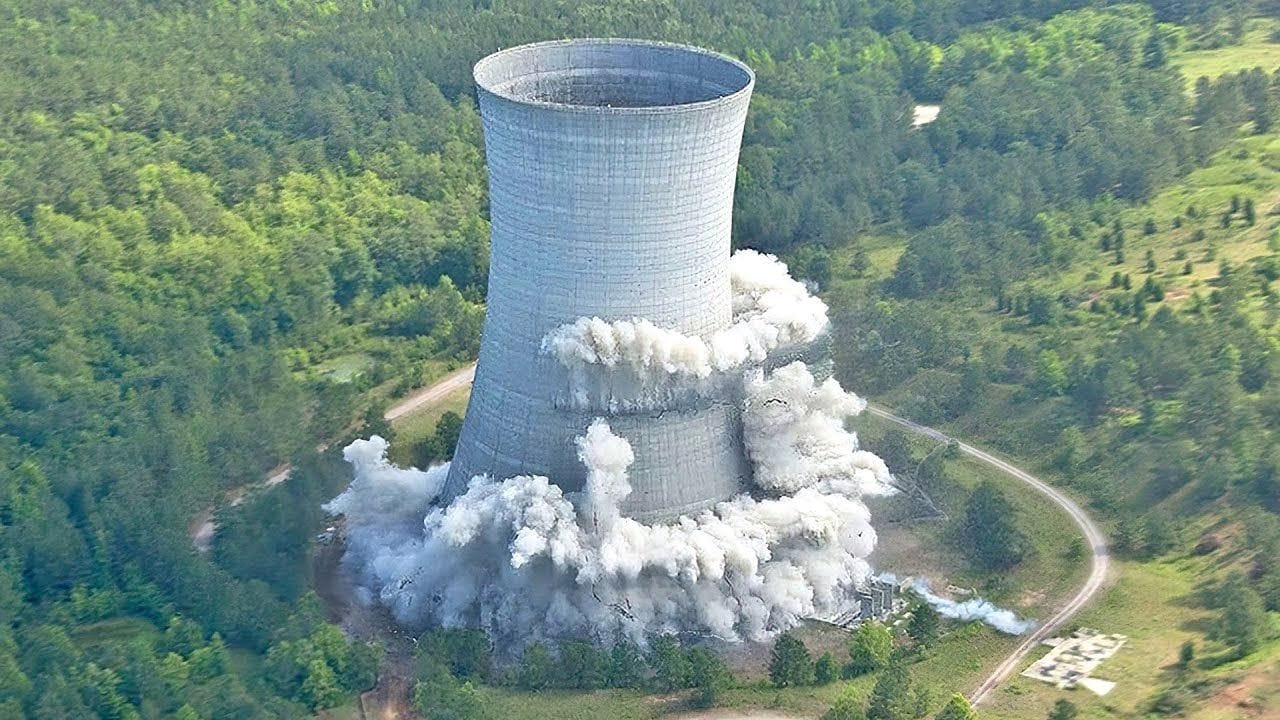
The History Of Civil Construction Is Marked By Gigantic Megaprojects That, Despite Their Grandeur, Ended Up Being Demolished. From The E.F.E Tower, A Landmark In Germany, To The Colossal Extra Horse Power Plant In Germany, These Projects Represent Engineering Feats And Landmark Moments In The History Of Construction.
These demolitions, while representing the end of iconic structures, also symbolize new beginnings and the constant evolution in the field of civil construction. Each of these implosions not only marked the urban landscape but also the history of global engineering and architecture.
E.F.E Tower – Frankfurt, Germany


The EFE Tower, with its impressive 116 meters, was the tallest building demolished in Europe. Built for the University of Frankfurt between 1972 and 1974, it became inactive in 2013. Planning for its demolition began that same year, culminating in a spectacular implosion on January 2, 2014, witnessed by approximately 10,000 people. The two-phase implosion made way for the new specific “One for West.”
Golden Flower Building – Chian, China
At 118 meters tall, the Golden Flower was demolished in 2015 after years of abandonment and structural changes. The demolition of this building, formerly owned by a pharmaceutical company, was a complex operation, using 1.4 tons of dynamite and 12,000 detonators. Debris cleanup took about 70 days, with the site now accommodating a new mixed-use construction combining residential and commercial use.
-
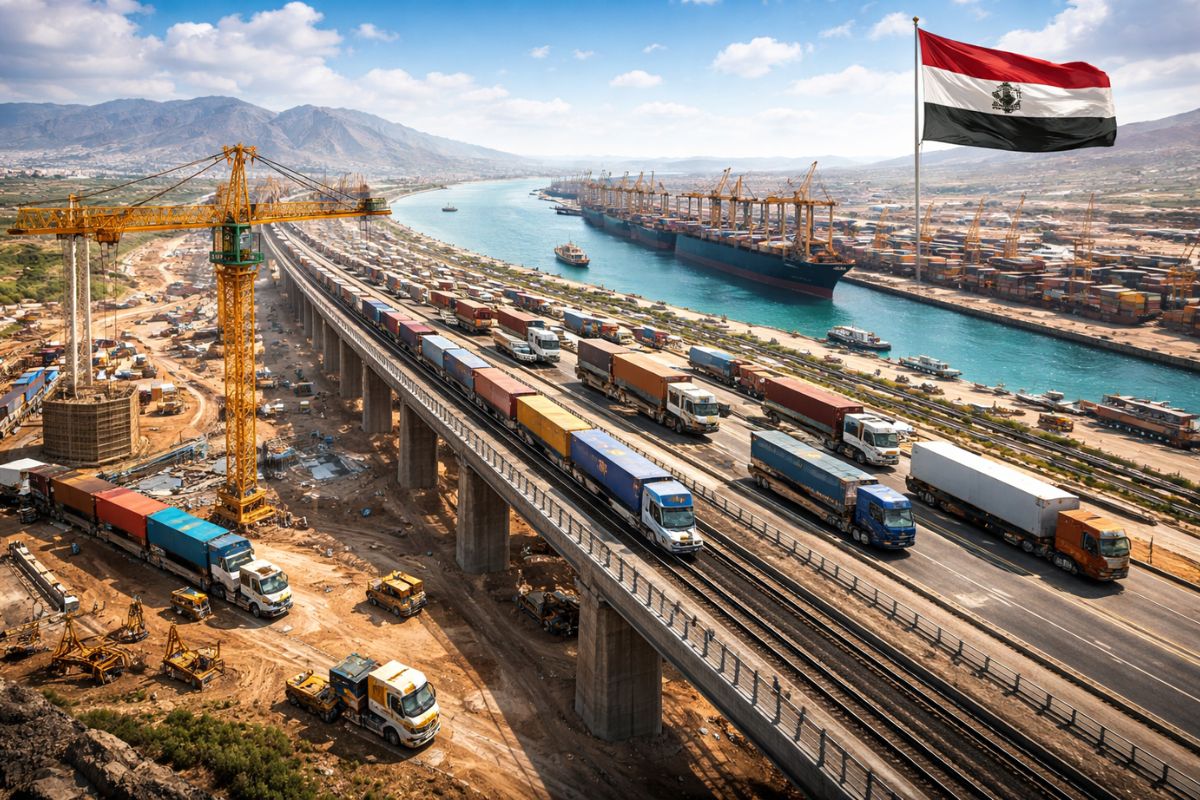
A megaproject worth R$ 89 billion is advancing in Iraq and promises to change the game in global trade by creating a new corridor between Asia and Europe, reducing traditional routes and repositioning the country as a logistics powerhouse.
-
Goodbye bedside table: floating shelves become a trend in 2026 by freeing up space in the bedroom, improving circulation, bringing visual lightness, and integrating technology without taking up floor space.

-
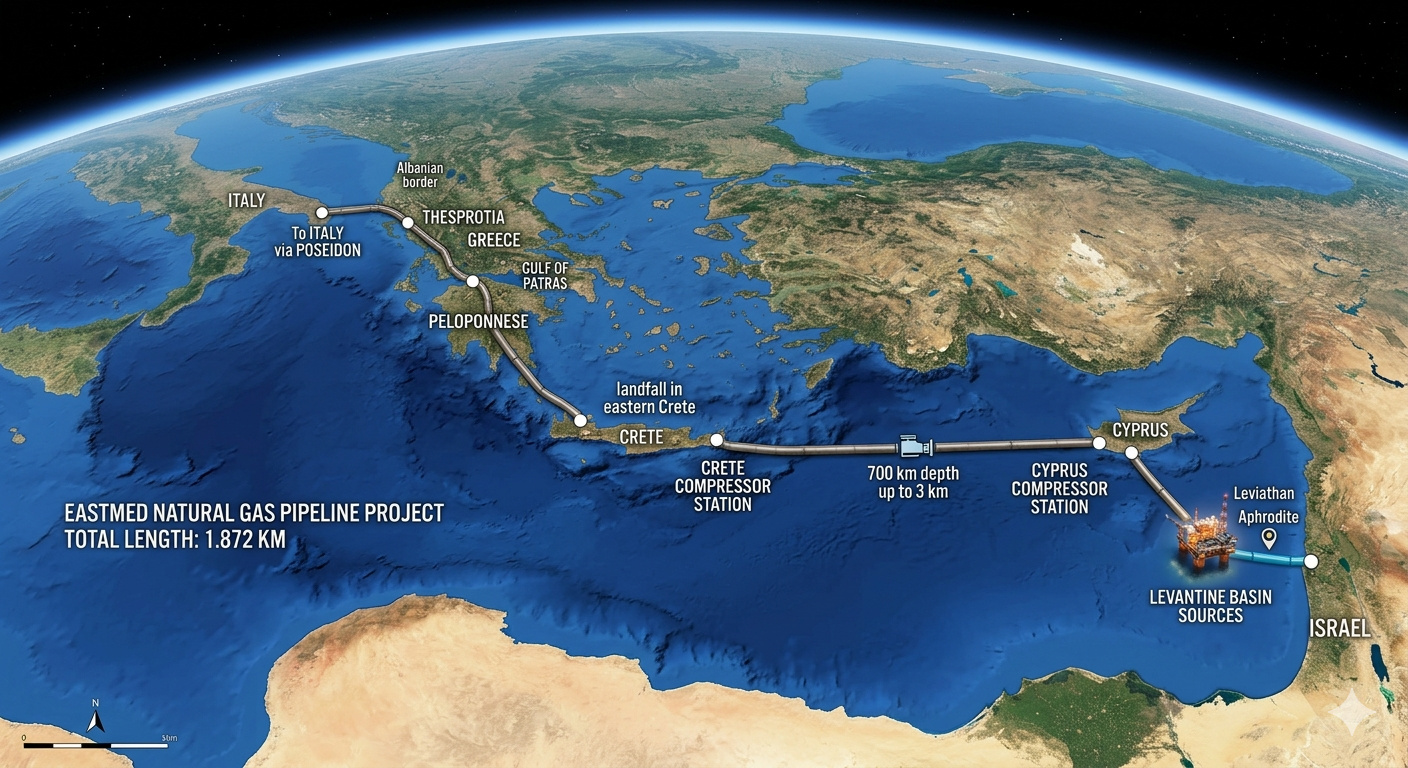
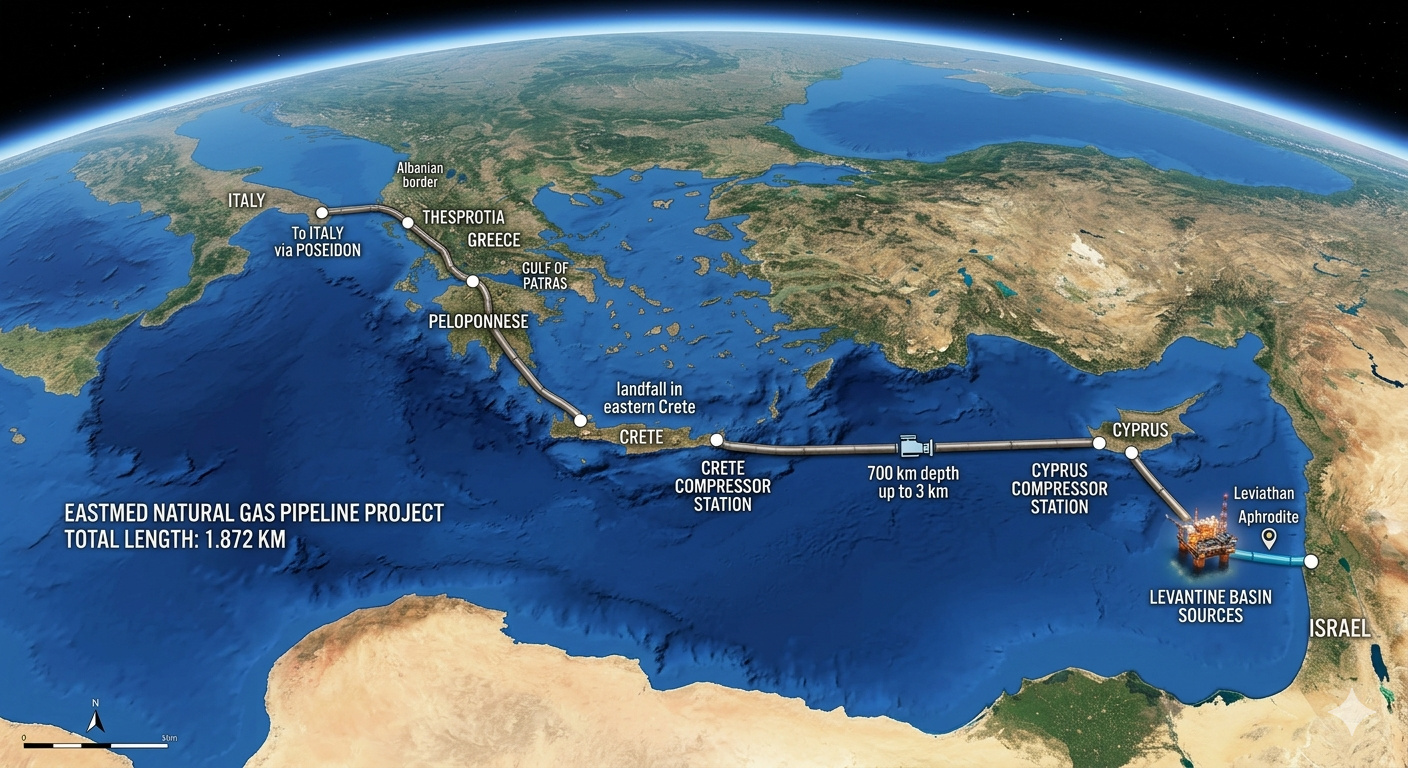
Israel, Greece, and Cyprus signed an agreement in 2020 to transport gas from the Mediterranean to Europe via a 1,872 km pipeline, but Turkey claimed sovereignty over part of the maritime route, and the project never materialized.
-
Israel, Greece, and Cyprus signed an agreement in 2020 to transport gas from the Mediterranean to Europe via a 1,872 km pipeline, but Turkey claimed sovereignty over part of the maritime route, and the project never materialized.
J. Hudson Department Store – USA
Standing at 132 meters tall, the J. Hudson department store in the USA was demolished in 1998 after more than 80 years of operation. The implosion of this historic building, which was once the world’s largest department store, drew around 20,000 spectators. In its place, a new megaproject of 238 meters in height is under construction.
Briton Point Power Plant – USA
The cooling towers of the Briton Point power plant, standing 152 meters tall, represent the largest demolition of structures of this type in the world. The coal plant, operational since 1957, was decommissioned in 2017 due to environmental concerns. Its implosion in 2019 was a milestone in the energy transformation of the New England region.
Mina Plaza – Abu Dhabi
Mina Plaza, planned to be a complex of four towers standing 165 meters tall, was demolished in 2020 before its completion due to disagreements among investors and lack of funding. Careful implosion was necessary due to adjacent constructions, utilizing 6,000 kg of plastic explosives.
Extra Horse Power Plant – Germany
The demolition of the chimney of the Extra Horse coal power plant, measuring 337 meters, was the tallest and most impressive ever performed. Built in 1981 and decommissioned in 2005, the chimney was imploded in 2006. The planned operation involved rigorous planning and attracted a large audience, highlighting the magnitude of demolition efforts in megaprojects.
The history of megaprojects and their demolitions reveals the constant evolution of engineering and architecture, as well as the dynamics of cities around the world. From the Eiffe Tower in Frankfurt, through the Golden Flower Building in Chian, to the monumental Extra Horse power plant in Germany, each of these projects not only marked the urban landscape but also the history of construction.
They demonstrate how grand structures can be rethought and repurposed for new purposes, reflecting the changes in the needs and vision of societies. In each location – Frankfurt, Chian, the J. Hudson department store in the USA, the Briton Point power plant, Mina Plaza in Abu Dhabi, and the Extra Horse power plant in Germany – the demolition of a megaproject signifies not just the end of an era, but also the beginning of a new one, where new constructions and ideas emerge to better serve future generations.










Seja o primeiro a reagir!