






 Portuguese
  Spanish
  3 min of reading
  0 comments


Brazil is the stage for several grand projects, but not all are examples of success. From underutilized bridges to wind farms that did not withstand the wind, we will explore six useless works that consumed millions of reais from public coffers. Discover how these projects failed to meet expectations, despite substantial investments.
These works, marked by planning failures, execution issues, or even bureaucratic and political questions, represent not just a financial waste, but also questions about the efficiency and effectiveness of public management in Brazil.
Serro Chato Wind Farm

Located in Rio Grande do Sul, the Serro Chato Wind Farm, one of the largest in Brazil, faced a significant setback in 2014. With an investment of over 300 million reais, the park had eight towers knocked down and 27 turbines affected due to a windstorm. Interestingly, the storm that caused the disaster was not uncommon in the region. Eletrosul, responsible for the project, is still seeking solutions to these technical issues.
Dredging of Porto Rio Grande
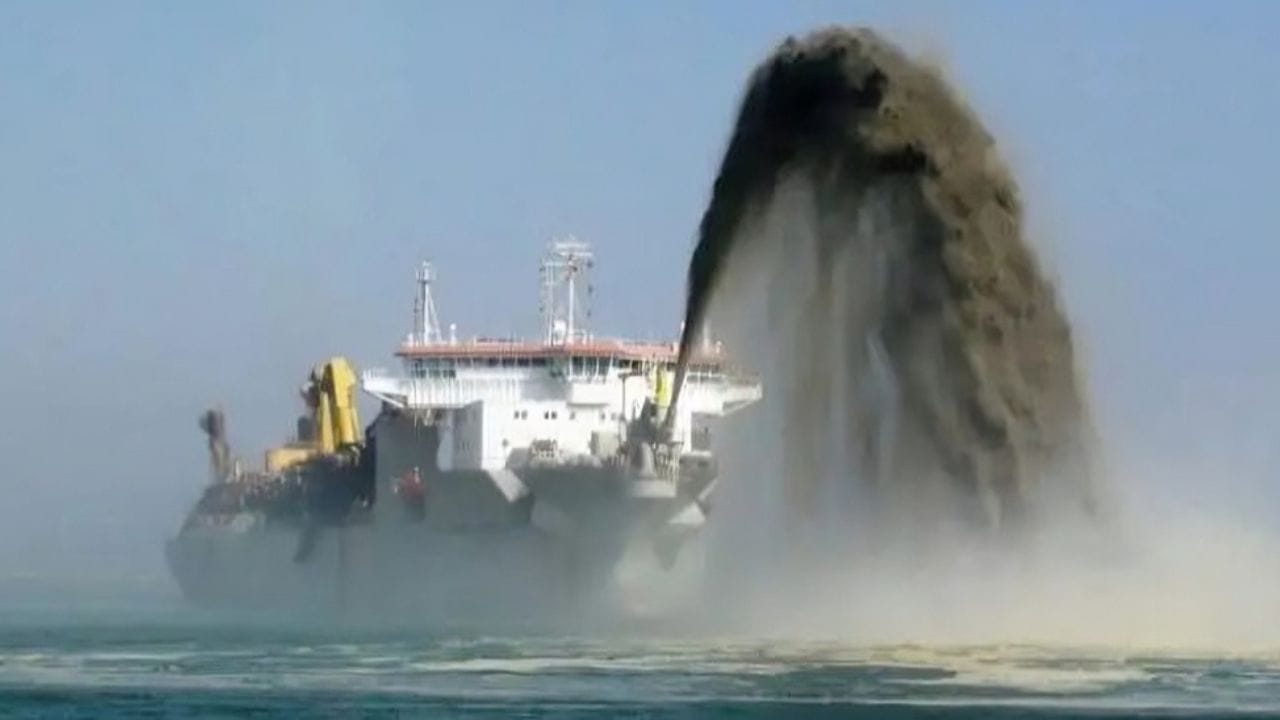
In 2009, the dredging project of Porto Rio Grande, aimed at increasing its depth from 14 to 16 meters, consumed 196 million reais. The work, completed in 2013, remained nearly seven years without effective use due to non-approval by the navy. A new renovation, finished in 2020, cost an additional 500 million, with the hope of improving the situation.
-
A mother of four sought a safer family environment, watched tutorials on the internet, built a 325 m² house with her family, and learned foundation, walls, plumbing, and electrical work without any professional experience.

-
Brazilians build modern houses 10 minutes from Disney, with luxury finishes, 3 bedrooms, 3 bathrooms, a $227 condo fee, and potential for Airbnb, targeting investors who want to use the property in Orlando and rent it out when they are not in the United States.

-
A city with fewer than 2,000 residents believed that 3D-printed houses would solve its housing crisis, but the project stalled, walls cracked, the printer disappeared from the site, and the FBI got involved in the case.
-
India transforms coconut husk into biodegradable mats to reinforce rural roads, uses natural fibers under asphalt, stabilizes unstable soils, and demonstrates how agricultural waste can replace petroleum derivatives in projects subject to heavy rain and traffic.




Franco-Brazilian Binational Bridge
Connecting Oiapoque in Amapá to Saint Georges in French Guiana, the Binational Bridge, completed in 2012, remained unused for five years due to bureaucratic issues. Costing 236 million, the bridge is not a viable option for most local residents, due to high insurance costs and documentation required for crossing.
Bridge in Medeiros Neto
In Bahia, the bridge over the Água Fria River, with an initial cost of 2.3 million reais, had its construction halted upon realizing the need to displace nearly 40 families for its completion. After years of abandonment, the construction was resumed and completed in 2021.
Pier in Natal
The tourist pier in Natal, built with an investment of 72 million reais, faced a critical miscalculation: the ships intended to dock at the pier could not pass under the Newton Navarro Bridge. Interestingly, the tourism secretary at the time, who owned a local hotel, argued that cruise ships were useless for the city’s economy.
Bridge in Maricá
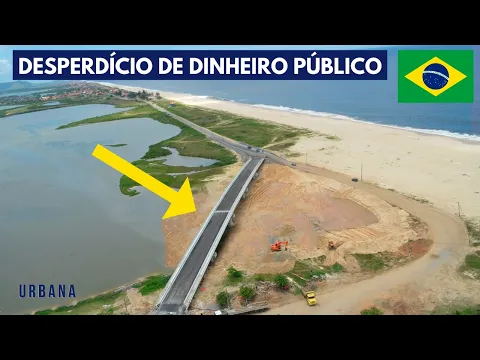
The city of Maricá, in 2014, gained notoriety for a bridge built at a cost of 10 million, over a location without water. To justify the construction, a canal was artificially opened, resulting in potential environmental issues.
Useless Works
The landscape of useless works in Brazil, ranging from energy infrastructures to transport projects, highlights critical challenges in planning, execution, and management of public resources. The Serro Chato Wind Farm, with its structure damaged by windstorms, is an example of technical failure in a renewable energy project. Porto Rio Grande, despite dredging efforts and significant investments, remained underutilized for years, reflecting gaps in coordination and regulatory approvals. The Franco-Brazilian Binational Bridge, although completed, faced bureaucratic and financial obstacles that limited its use, exposing deficiencies in infrastructure integration and international policy.
Similarly, the bridge in Medeiros Neto, despite its eventual completion, symbolizes the waste of resources caused by failures in urban planning. The tourist pier in Natal, a construction incompatible with existing infrastructure, illustrates a blatant miscalculation and possible conflicts of interest. Finally, the bridge in Maricá, built without a real need, culminates in an example of questionable public investment and environmental concerns.
These projects collectively serve as a stark reminder of the importance of careful evaluation, rigorous planning, and transparency in the implementation of large public works. They emphasize the need for reforms in decision-making processes and infrastructure management in Brazil, aiming to optimize the use of public funds and ensure that future projects are not only viable but also beneficial to the communities they intend to serve.





Be the first to react!