





 Portuguese
  English
  Spanish
  4 min of reading
  0 comments


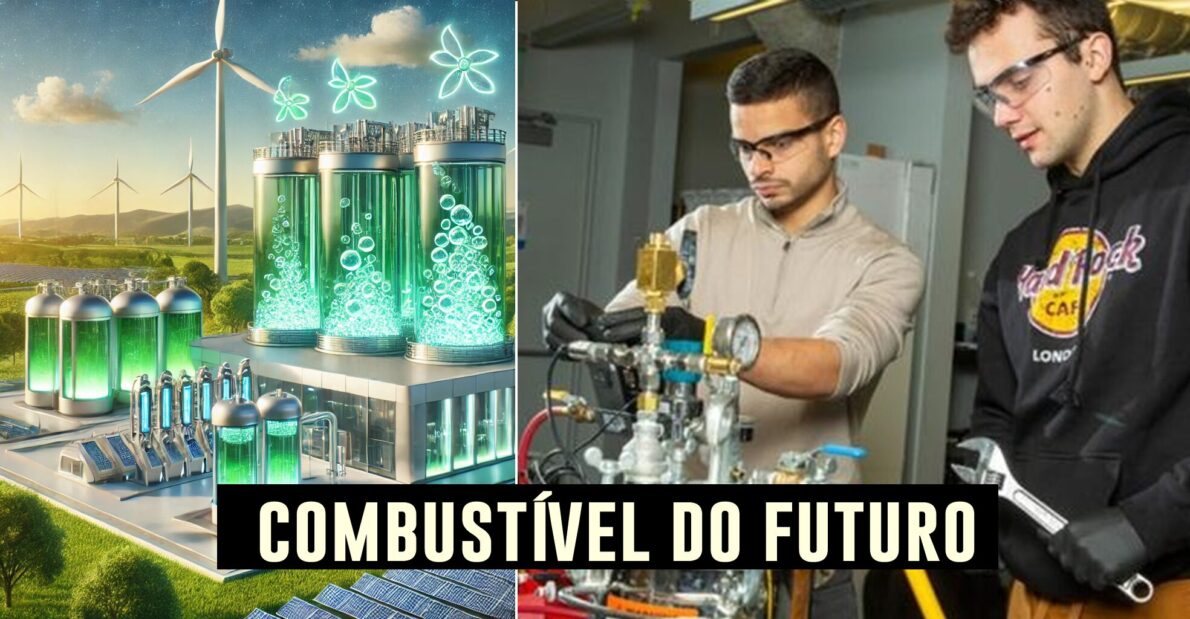
Revolutionary Innovation: Scientists Use Seawater, Soda Cans, and Caffeine to Generate Green Hydrogen Gas, a Sustainable Solution for the Energy Future
The global shipping industry is responsible for about three percent of all greenhouse gas emissions, posing a major problem for the environment. Amid this growing concern, researchers at MIT have developed an innovative and scalable approach to reduce emissions in the maritime sector through the production of green hydrogen fuel.
What makes this discovery even more surprising are the ingredients used in the process: old soda cans, seawater, and caffeine.
This unusual combination of materials may be the key to a revolution in fueling vessels, providing a clean and sustainable alternative to the use of fossil fuels.
-
A Canadian retiree creates a hydroelectric system on a real river, generating energy continuously throughout the day and demonstrating how the power of water can supply a house with stability even in a simple structure.

-
Petrobras reaffirms its commitment to the market and ensures that it will carry out the energy transition safely to maintain national sovereignty.

-
Researchers discover a possible hydrogen deposit of up to 46 million tons beneath an ancient coal basin, and the volume could exceed half of the entire global production.

-
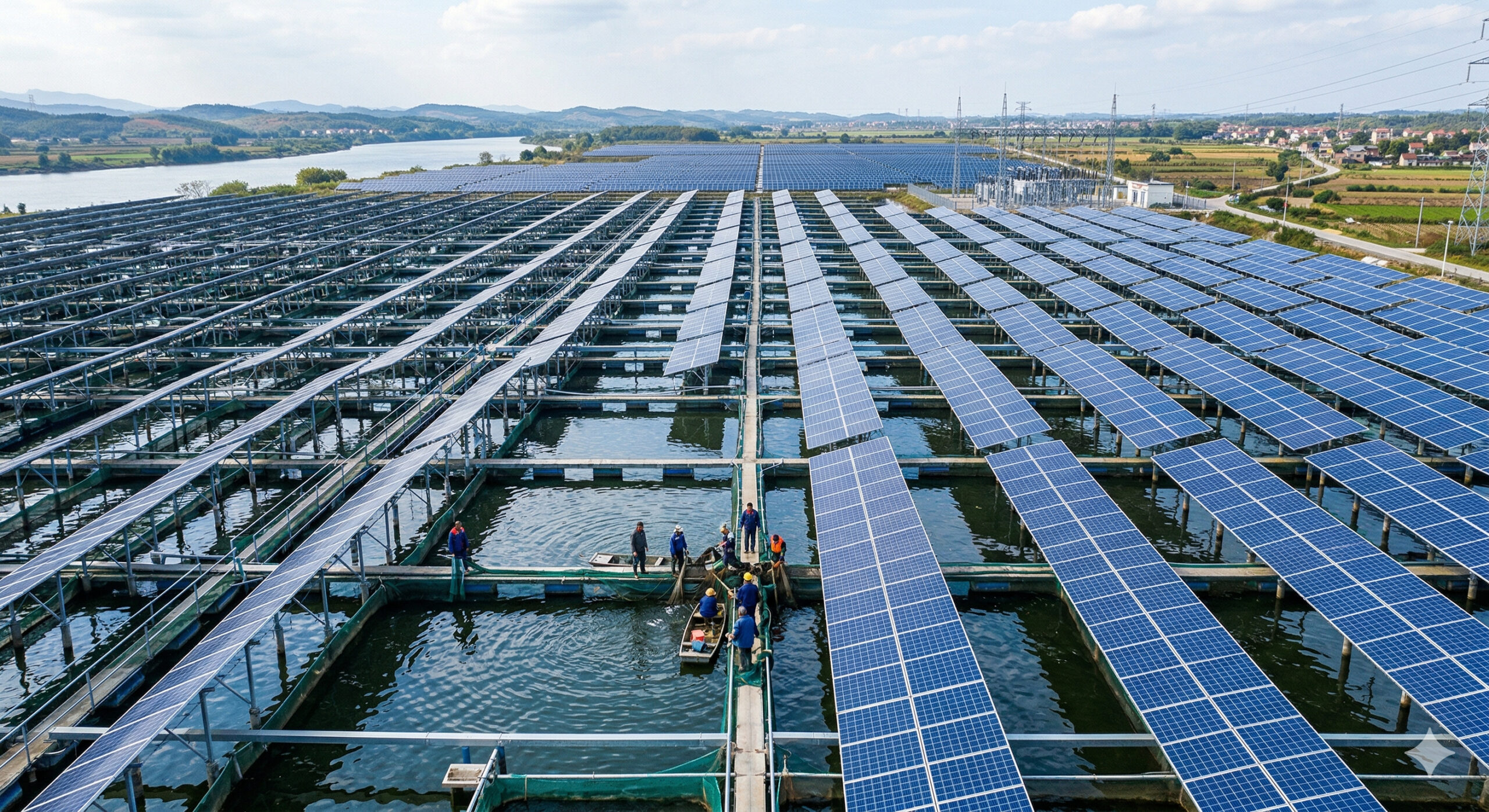
China bets on the Fishery-PV model and transforms fish farms into giant solar plants, covering ponds with panels that generate energy while utilizing the same space for large-scale aquaculture production.

The Solution to Two Challenges
When pure aluminum reacts with water, hydrogen is generated as a byproduct. However, after the initial reaction, a layer of oxide forms on the surface of the aluminum, blocking future reactions. This prevents the continuation of the process unless the aluminum is purified.
One possible solution involves using alloys like gallium and indium to purify the aluminum, but these metals are expensive and rare.
Another crucial challenge in using hydrogen as fuel is its high flammability, making transportation and storage risky. In pressurized tanks, as is the case with traditional fuels, hydrogen can be extremely volatile, increasing the risk of explosions.
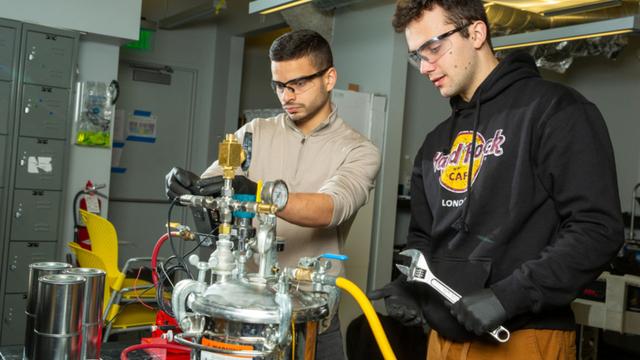
The scientists at MIT believe their new approach could solve both problems. They have developed a method that allows the purification of aluminum through the reuse of gallium and indium alloys, lowering the costs of the process.
Additionally, the method enables green hydrogen fuel to be produced and consumed directly on vessels, eliminating the need to transport the volatile gas.
Transforming Soda Cans into Fuel
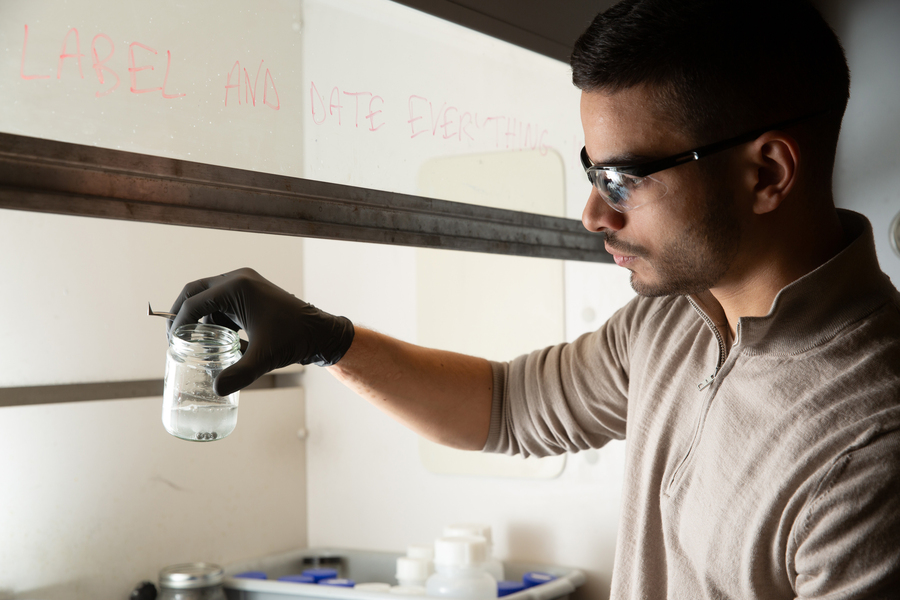
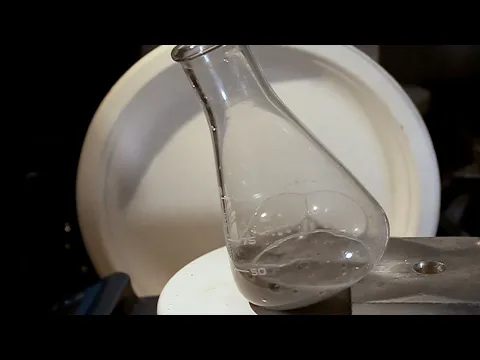
During the study, researchers converted old soda cans into small aluminum pellets, treated with a gallium-indium alloy to remove impurities. When these pellets were mixed with filtered seawater, the result was the production of hydrogen gas. However, the initial process was slow, taking several hours to generate a significant amount of hydrogen.
To accelerate the reaction, the team turned to chemicals commonly found in kitchens. Among the substances tested, caffeine stood out. By adding a low concentration of imidazole (a compound found in caffeine), researchers were able to dramatically increase the reaction speed. With the use of this additive, the hydrogen production time decreased from two hours to just five minutes.
Furthermore, the use of imidazole and saline water ions allowed for the recovery and reuse of over 90% of the gallium-indium alloy, making the process more economical and sustainable.
This recovery is crucial, as the limited availability of rare metals like gallium is one of the main obstacles to the large-scale production of green hydrogen.

Hydrogen Production on a Large Scale
About 95% of the hydrogen produced today still relies on non-renewable sources, such as coal and natural gas. This new method proposed by MIT researchers offers an alternative that is not only cleaner but also more accessible and scalable.
With the possibility of recycling aluminum from soda cans and using seawater, green hydrogen production could become a viable solution for various industries, especially maritime.
Ships, submarines, and other vessels already have access to seawater, which would facilitate the implementation of the method. The only requirement would be the supply of aluminum and caffeine, materials that are much cheaper and easier to transport than traditional fossil fuels.
The researchers are developing a reactor that could be used directly on vessels, allowing hydrogen to be produced in real-time as the vessels move.
This reactor would contain a stock of aluminum pellets, along with a small amount of gallium-indium and caffeine, as well as seawater to generate hydrogen fuel on demand.
A Future Powered by Green Hydrogen
The research is still in development, but the study’s authors are optimistic about the potential of this technology.
They estimate that a reactor supplied with 18 kilograms of aluminum would be capable of generating enough hydrogen to power an underwater glider for 30 days.
Aly Kombargi, the lead author of the study and a PhD student at MIT, emphasizes that this approach could be expanded to other means of transportation, such as trucks, trains, and even airplanes.
He suggests that, in the future, we may be able to extract the water needed for hydrogen production from the moisture in the air, eliminating even the need to transport large quantities of water.
If this technology becomes a reality, it could radically transform the shipping sector and other industries, drastically reducing greenhouse gas emissions and providing a clean and sustainable alternative to the use of fossil fuels.










Seja o primeiro a reagir!