





 Português
  Inglês
  Espanhol
  2 min de leitura
  1 comentário


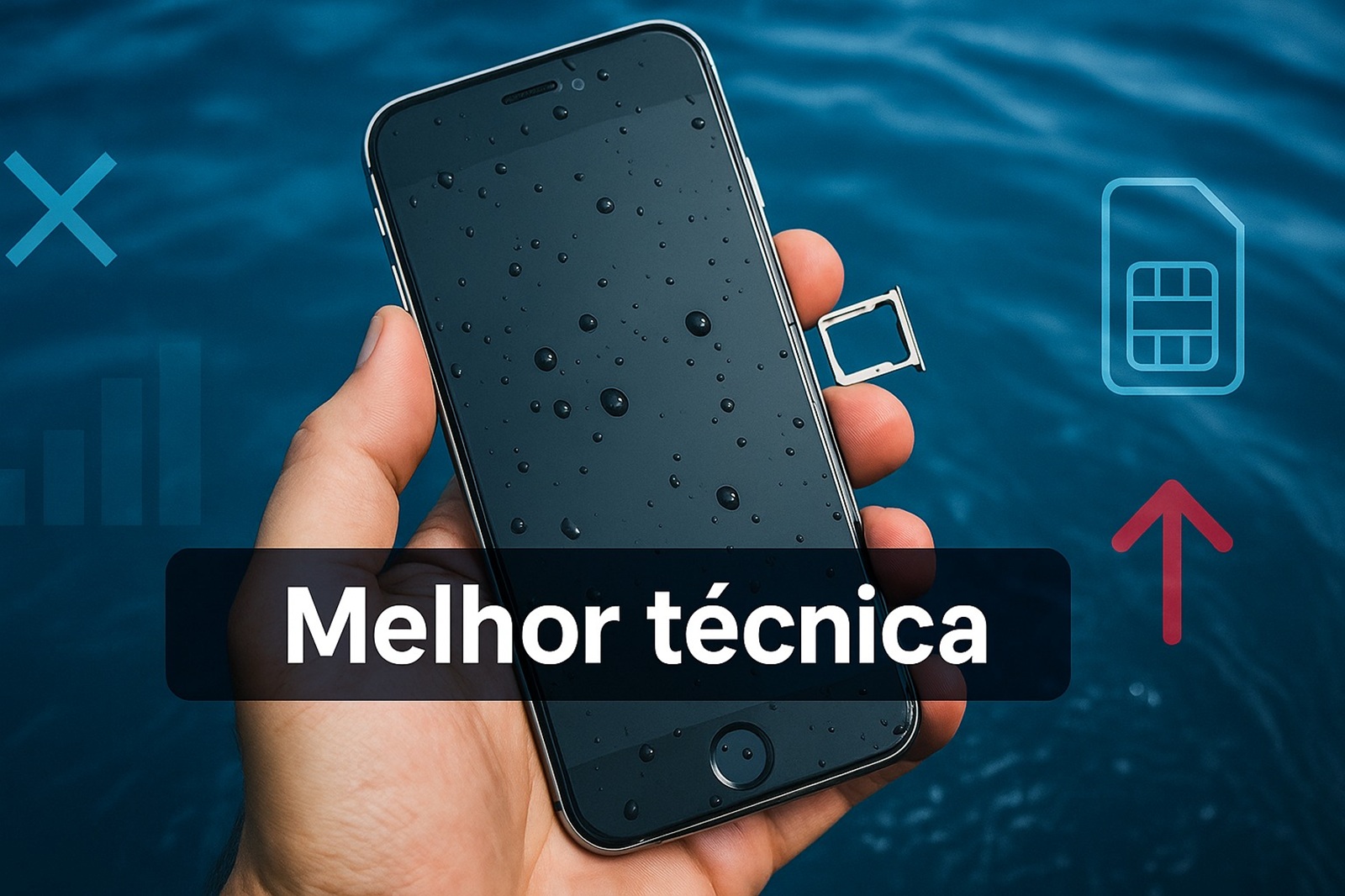


Experts Explain That Patience, Ventilation, and Simple Care Are More Effective Than Rice or a Hairdryer When the Smartphone Falls in Water
Years ago, the most popular trick to save wet phones was simple: submerge the device in a bowl of rice.
Over time, smartphones have become more water-resistant, and this practice has lost ground. Today, experts highlight a more effective and safer method to prevent internal damage.
What to Do Immediately
If the phone falls in water, turn it off without hesitation. This is the first step to prevent short circuits.
-
The world’s first octopus farm wants to open in the Canary Islands and is already provoking an international reaction: the plan aims to produce 3,000 tons per year.

-
Drought may be creating stronger superbugs in the soil and helping antibiotic resistance reach hospitals, warns a study highlighting a problem that could grow alongside extreme weather.

-
The biggest scam in history: Napoleon’s France deceived the United States by selling them a territory that was Spanish.

-
Why is the Danakil Desert so dangerous? It has unstable terrain and how extreme temperatures and toxic gases turn the region into one of the most hostile environments on Earth.


Next, gently tap it with the palm of your hand to remove excess water from the charging port.
Never use cotton swabs or napkins in this process, as they can push moisture further inside.
After that, remove the SIM card, memory card, and also the protective case. Leave the device in a well-ventilated area for a few hours to dry naturally.
This time may vary depending on how wet the phone got. Here, patience makes all the difference to preserve the components.
What to Avoid in the Process
As tempting as it may seem, do not use a hairdryer. Hot air can damage circuits and compromise the device’s lifespan. Letting ambient air do the work is always the safer choice.
When the phone is completely dry, reinsert the memory card and SIM card. Only then turn on the device to check if it is still functioning.
The Importance of IP Certification
Each smartphone receives a certification from the manufacturer that indicates its resistance to dust and water. This code starts with the letters “IP,” followed by two numbers. The first number shows dust resistance; the second indicates water resistance. The higher the number, the greater the protection.
For example, devices with level 6 resist powerful water jets. Level 8 devices can withstand continuous immersion, while level 9 can handle high-pressure and temperature jets. If the phone has a high certification, the risk of damage will be lower. If the rating is low, complete drying becomes essential to avoid damage.








Hi my loved one I wish to say that this post is amazing nice written and include approximately all vital infos Id like to peer more posts like this