





 Portuguese
  English
  Spanish
  5 min of reading
  0 comments



The Paulista Highway Is a National Reference in Safety, Innovation, and Sustainability, Connecting the Capital to Tourist Destinations and Industrial Poles. Datafolha Research and Reporting from Folha de S. Paulo Highlight the Reasons for the Distinction.
The Bandeirantes Highway, managed by CCR AutoBan, has been recognized as the best road in Brazil for travel, according to a report published by Folha de S. Paulo, based on Datafolha research.
The title has been won for the third consecutive year, consolidating the road as a national reference in infrastructure, technology, and road safety.
With a length of 159.67 kilometers, the highway connects the city of São Paulo to important economic and tourist hubs in the state, such as Campinas, Jundiaí, Americana, and Limeira.
-
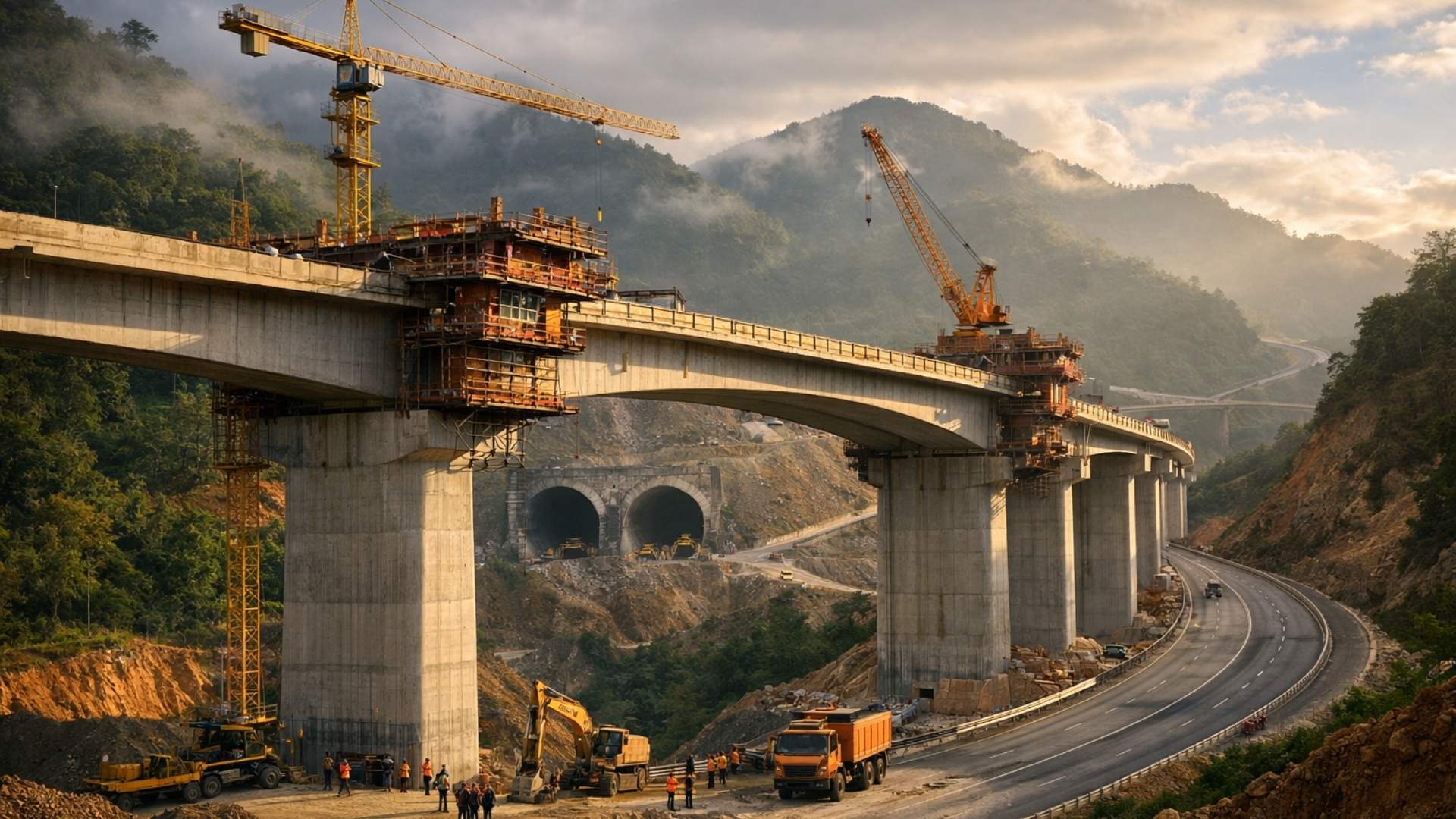
The government puts R$ 8.6 billion on the table to change the highway (BR) with 50 overpasses, 28 bridges, 4 tunnels, and 40 km of bike lanes in 180 km of historic duplication.
-
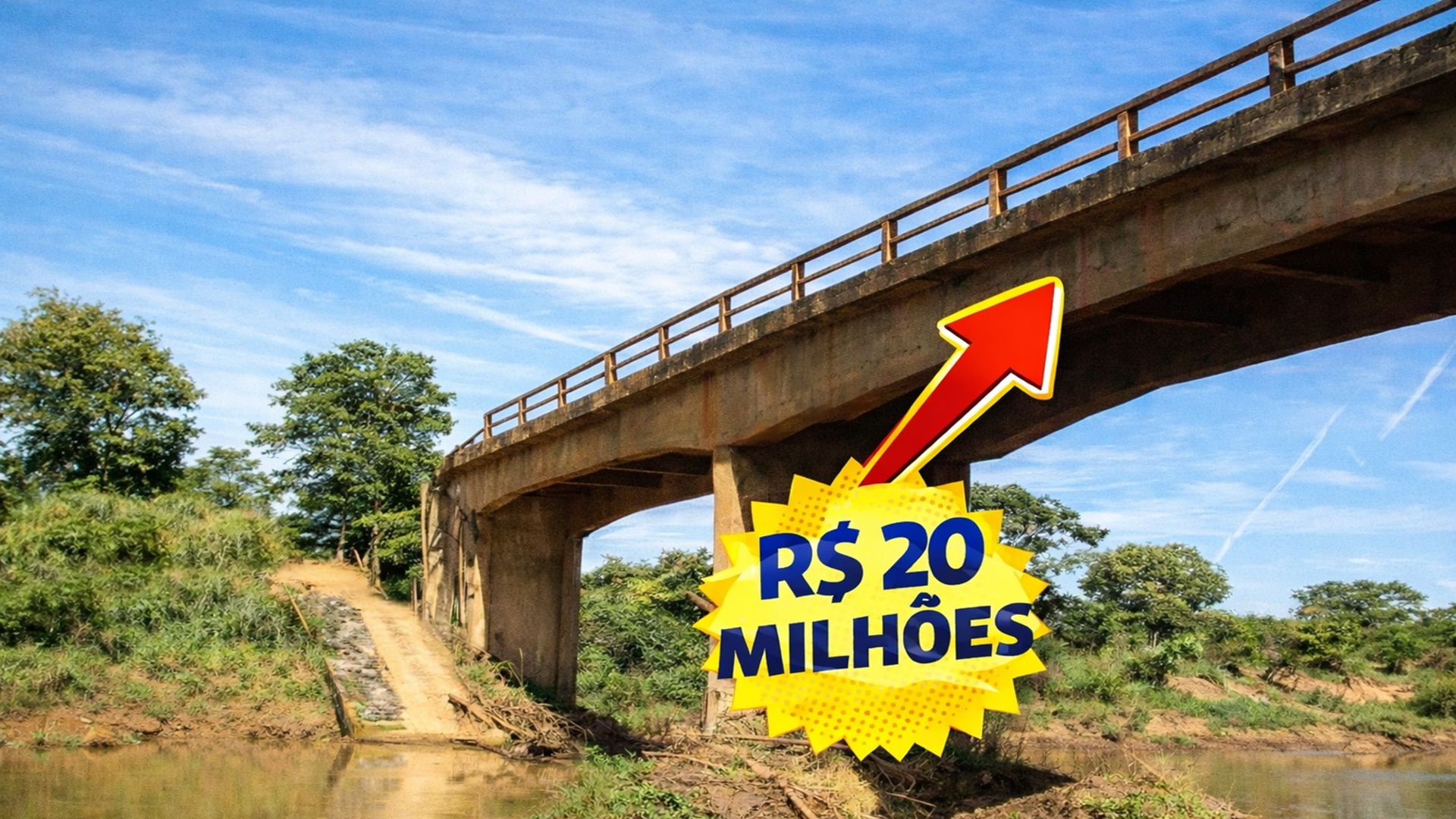
BRL 20.1 Million Bridge Project Kicks Off: 200-Meter Construction to Improve Access in Three Cities in Minas Gerais
-
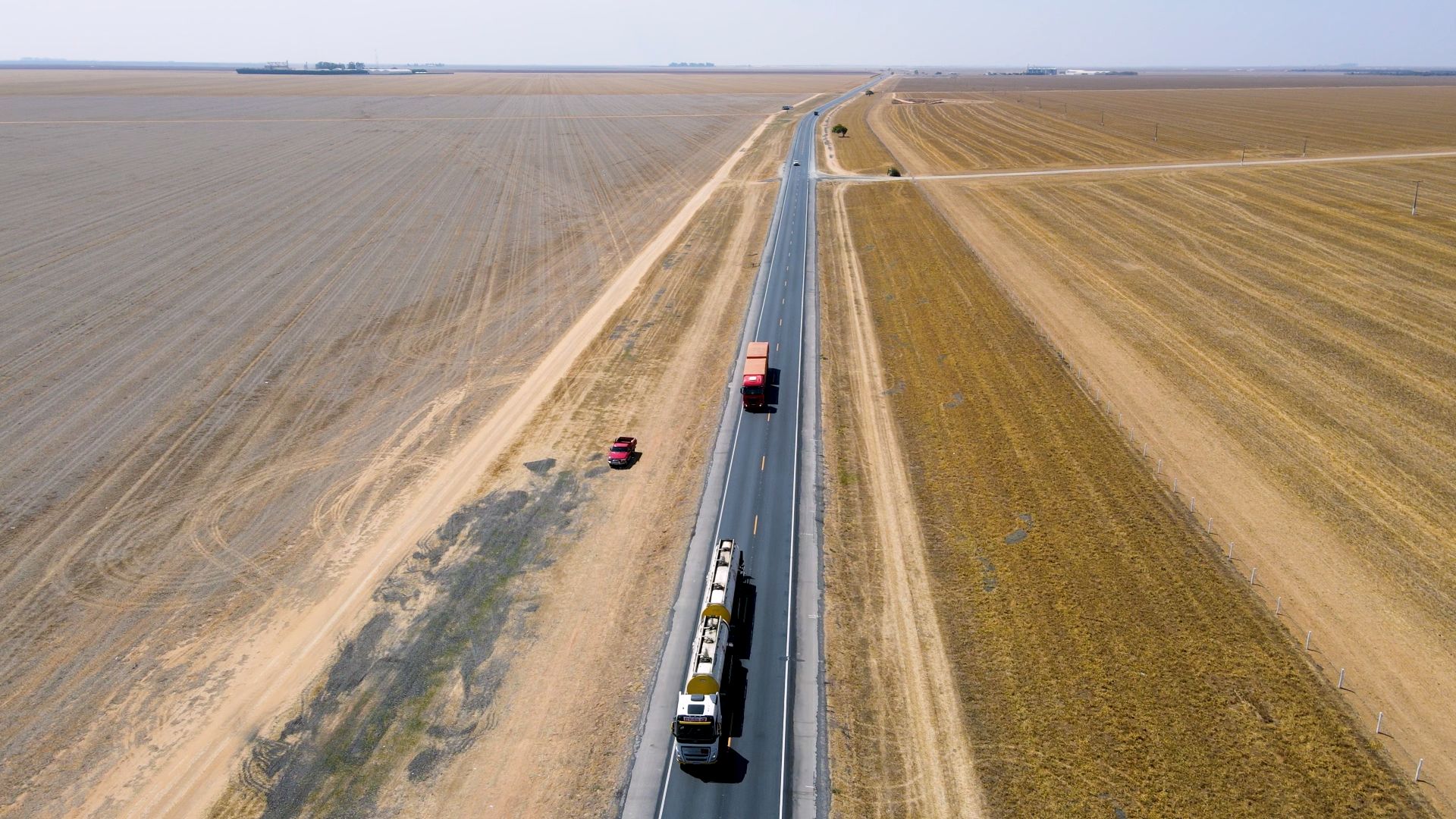
‘Endless Road’ In Brazil Is One of The Largest In The World: 145 Km Stretch On An Important Highway (BR) Crosses The West Of Bahia And Had 135.9 Km Revitalized With R$ 35.3 Million
-
Engineer From ITA Who Worked at Embraer Leads Free Flow Expansion With National Artificial Intelligence and Technology for Toll Without Barriers in Brazil


The Datafolha survey, according to the newspaper’s findings, interviewed residents of São Paulo’s capital from classes A and B, and 21% of respondents pointed to AutoBan as the main choice for long-distance road travel.
The criteria that justified the preference include, mainly, high safety standards, smooth traffic, constant maintenance, and technological innovations implemented over the last few years.
Safety and Real-Time Monitoring on the Bandeirantes Highway
AutoBan’s operation stands out for its investment in technology and automation to ensure driver safety.
The Operational Control Center (CCO), located in Jundiaí, monitors the entire length of the highway 24 hours a day, seven days a week.
The surveillance system currently has 106 strategically positioned cameras, whose images are monitored in real-time by trained teams.
By 2025, the process of replacing them with smart cameras, capable of automatically detecting anomalous situations and triggering instantaneous alarms, is already underway, according to Folha de S. Paulo’s reporting.
In addition to surveillance, AutoBan has a dedicated fleet consisting of 25 tow trucks, 18 inspection vehicles, three water trucks, one crane truck, four trailers for capturing animals, twelve ambulances, and one advanced pre-hospital care mobile unit.
This equipment ensures a quick response to accidents, breakdowns, and other emergencies, reducing intervention time and increasing road safety, as also noted by the newspaper.
Technological Innovation and Sustainability in Asphalt on the Bandeirantes Highway
In recent years, CCR AutoBan has been investing in robots for signage of sections under construction, which are already in testing at various points along the highway.
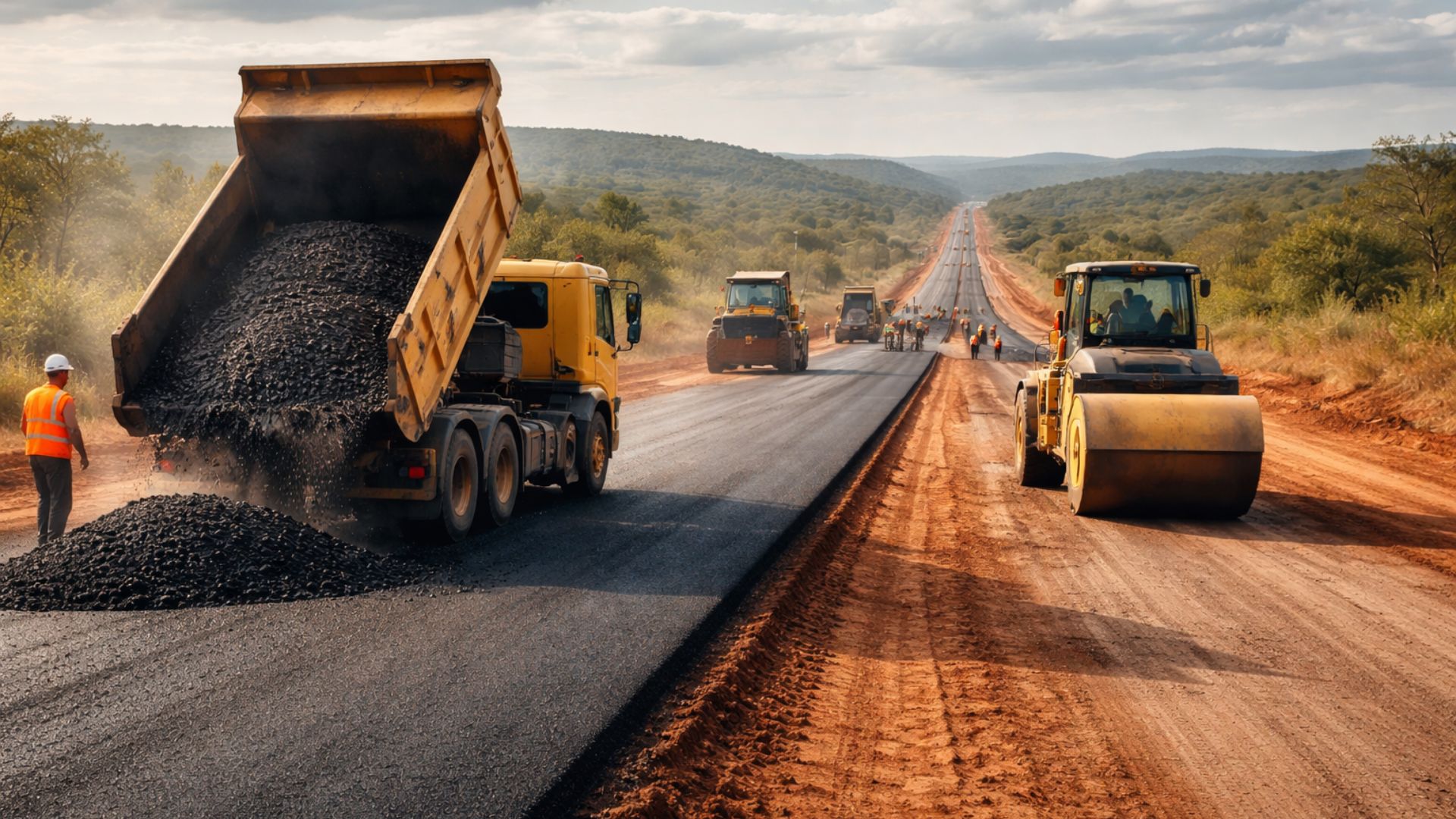
This technology aims to increase the safety of workers and users, as well as to make the process more efficient, especially in asphalt resurfacing situations.
The current resurfacing, which began in 2024 and is expected to be completed by April 2026, has already reached 52% of the total length.
The new asphalt incorporated by AutoBan uses rubber from recycled tires.
This solution, in addition to being environmentally responsible, provides a reduction in vehicle braking time and an increase in comfort, according to technical evaluations from the concessionaire.
The project aims to reuse up to 1.3 million tires by the end of the works.
Although the cost is about 30% higher than conventional asphalt, the concessionaire defends the investment, arguing that the benefits in safety and comfort outweigh the financial difference.
Folha de S. Paulo also highlighted the positive impact of the sustainable initiative in the road sector.
New Toll Models and Communication
Among the next innovations planned for AutoBan is the replacement of traditional toll plazas with the free flow system, which allows automatic charging without the need for stops, speeding up traffic flow and reducing congestion.
This model is already being implemented on various roads across the country and is expected to be completed on Bandeirantes by 2027.
Another important change will be the removal of emergency call boxes installed along the highway.
According to information gathered by the report, the devices have become obsolete due to the wide coverage of mobile phone networks.
Currently, only a small stretch of the highway experiences signal instability, and there is already a plan to install an antenna to resolve this specific point.
The expectation is that, within two years, emergency phones will no longer be necessary, aligning AutoBan with the international standard for smart roads.
Management, Recognition, and Economic Impact
The commitment to road safety is at the heart of CCR AutoBan’s management.
According to the concessionaire’s director, Rodrigo Monteiro, in an interview with the newspaper Folha de S. Paulo, every operational decision prioritizes the integrity of drivers, staff, and rescue teams.
In emergency cases, there is no hesitation in halting traffic to ensure user protection.
This rigor in actions is one of the factors contributing to the high approval of the highway by São Paulo users.
The robust infrastructure, the continuous operation of support teams, and the use of advanced technological resources establish AutoBan as a reference among Brazilian roads.
Beyond technical aspects, the attention to the environment, exemplified by the use of recycled tires in asphalt, also contributes to its positive reputation.
Logistical and Tourist Importance of AutoBan
The Bandeirantes Highway is fundamental for freight flow and the movement of tourists in the interior of São Paulo.
It connects the capital to destinations such as Hopi Hari, Wet’n Wild, Outlet Premium, and important industrial and logistics centers.
By serving both passenger transport and freight, AutoBan plays a strategic role in the development of the state of São Paulo.
Awards, Rankings, and Leadership Among Highways
The choice of AutoBan as the best road in Brazil reinforces the importance of continuous investments in infrastructure, technology, and sustainability.
National surveys and rankings frequently highlight the highway in categories such as safety, maintenance, and innovation, reinforcing its leadership position in the road sector.
The Bandeirantes Highway represents, for many drivers, the ideal standard of highway to be followed throughout the country.
With so many advancements, the question arises: what innovations do you consider essential to make Brazilian roads even safer and more sustainable?







-

-

-

8 pessoas reagiram a isso.