





 Portuguese
  English
  Spanish
  4 min of reading
  0 comments


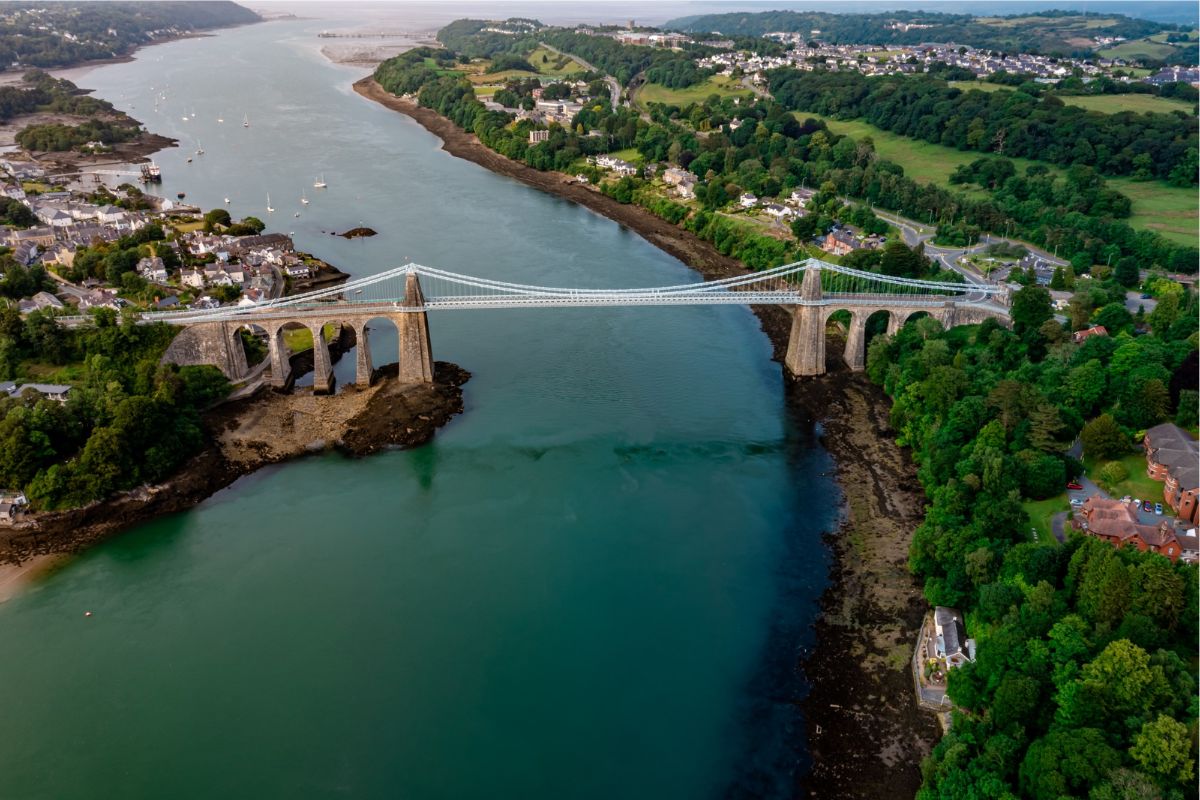
Thought For Carriages, The Menai Bridge, Inaugurated In 1826, Remains In Operation In The United Kingdom And Maintains To This Day A Connection That Transformed The Region.
An open work in 1826 continues to operate daily in the United Kingdom and keeps alive one of the most daring solutions of 19th-century engineering. The Menai Bridge connects Wales to the island of Anglesey and remains an important piece for circulation between communities separated by the sea.
The impact goes beyond longevity. Designed at a time when carriages still dominated transportation, the structure helped unlock a crossing that was expensive, unstable, and often dangerous for travelers, farmers, and merchants.
Crossing In The Menai Strait Hindered Trade And Movement
Before the bridge, crossing the Menai Strait depended on boats and ferries subject to strong currents and swift tides. At many moments, the crossing simply did not happen, which isolated people and delayed goods.
-
Rigid bags with their days numbered: new trend prioritizes comfort in 2026.

-
YouTuber creates an excavator equipped with a giant 4.5-meter sword to challenge his brother to a rematch, and the invention quickly goes viral on social media.

-
The U.S. Army surprises the world by presenting the UH-60MX Black Hawk helicopter capable of flying without pilots, controlled by a tablet, featuring the MATRIX system, smart sensors, and full autonomy in real combat and rescue missions.

-
Heineken’s factory in Brazil produces 300 million beer cans in just 4 months, reaches 1 million hectoliters, received R$ 2.5 billion, and is already projecting an annual capacity of 5 million with sustainable technology.


Producers in the region tried to take herds across the water to the other side, but many animals were lost along the way. Additionally, the cost of crossing increased when boatmen realized that passengers had no alternative.
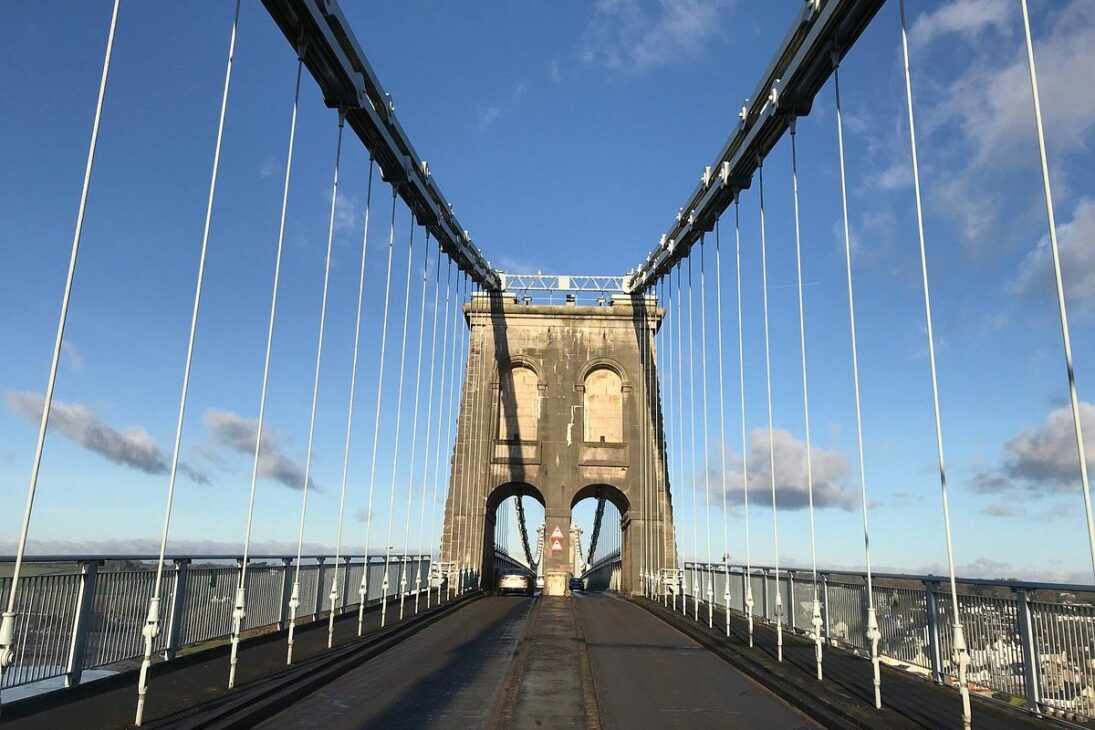
Project Opened Path For Essential Route Between London And Holyhead
The pressure for a solution grew when the government decided to consolidate the link between London and the port of Holyhead, a strategic point for travel to Dublin. The major obstacle was precisely the Menai Strait, which concentrated a difficult bottleneck to bypass.
It was in this scenario that the Scottish engineer Thomas Telford proposed an unusual solution for the time. Instead of supporting the road on columns within the water, he designed a suspension bridge with a large clear span over the sea.
Suspension Structure Became World Landmark In 1826
The proposal seemed too advanced for the early 19th century, but it was realized. The main span reached 1,368 feet, about 417 meters, a dimension considered enormous at that time.
When completed, the Menai Bridge became the world’s largest road suspension bridge. The result changed the logic of local crossings and allowed the passage of vessels without blocking the channel.
Standardized Iron Chains Helped Support The Structure
The support system was one of the most impressive points of the project. The suspended deck was held by 16 giant chains, made up of hundreds of forged iron bars produced with the same standard.
According to YouTube, An Online Audiovisual Content Platform, each chain was about 1,714 feet long and weighed approximately 121 tons. This standardization allowed for quicker replacements in case of wear, something very uncommon at that moment in engineering.
First Crossing Happened On Stormy Morning
The inauguration took place on January 30, 1826. That night, a carriage with passengers arrived at the site expecting to use the ferry, but found poor conditions at sea.
With the new structure ready, the crossing was made around 1:30 AM. The episode marked the beginning of a concrete change in the circulation of people and goods between Ireland and England.
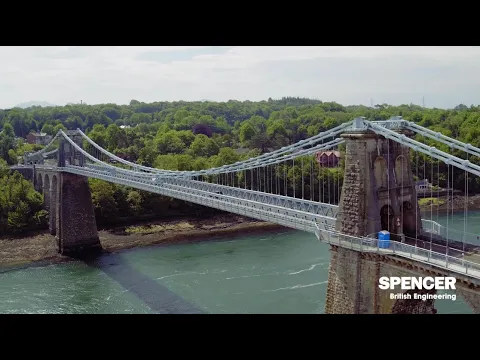

Original Parts Remain Visible After Two Centuries
Even with renovations over time, the bridge preserves relevant historical elements. The original iron was replaced with steel and a new deck was installed in the 1930s, but the limestone pillars from the region continue to support the structure.
During interventions, engineers found marks left by 19th-century tools on the stones. Metal pins were also identified between masonry blocks, used to contain lateral movements and reinforce the stability of the structure.
Daily Use Keeps Bridge As Regional Symbol
Today, the bridge operates with a speed limit of 20 miles per hour and restrictions for heavy vehicles, but it continues to be used every day. This shows how a decision made nearly 200 years ago still directly impacts local routines.
Over time, the crossing ceased to be just infrastructure and became a representation of social, economic, and historical connection. The work brought communities closer, facilitated movements, and maintained strategic value for the region.
A bridge designed for carriages has managed to span centuries without losing relevance. This historical weight reinforces the magnitude of the transformation caused by a engineering solution that still supports movements and changes strategic perspective.









-

Uma pessoa reagiu a isso.