





 Portuguese
  English
  Spanish
  5 min of reading
  0 comments


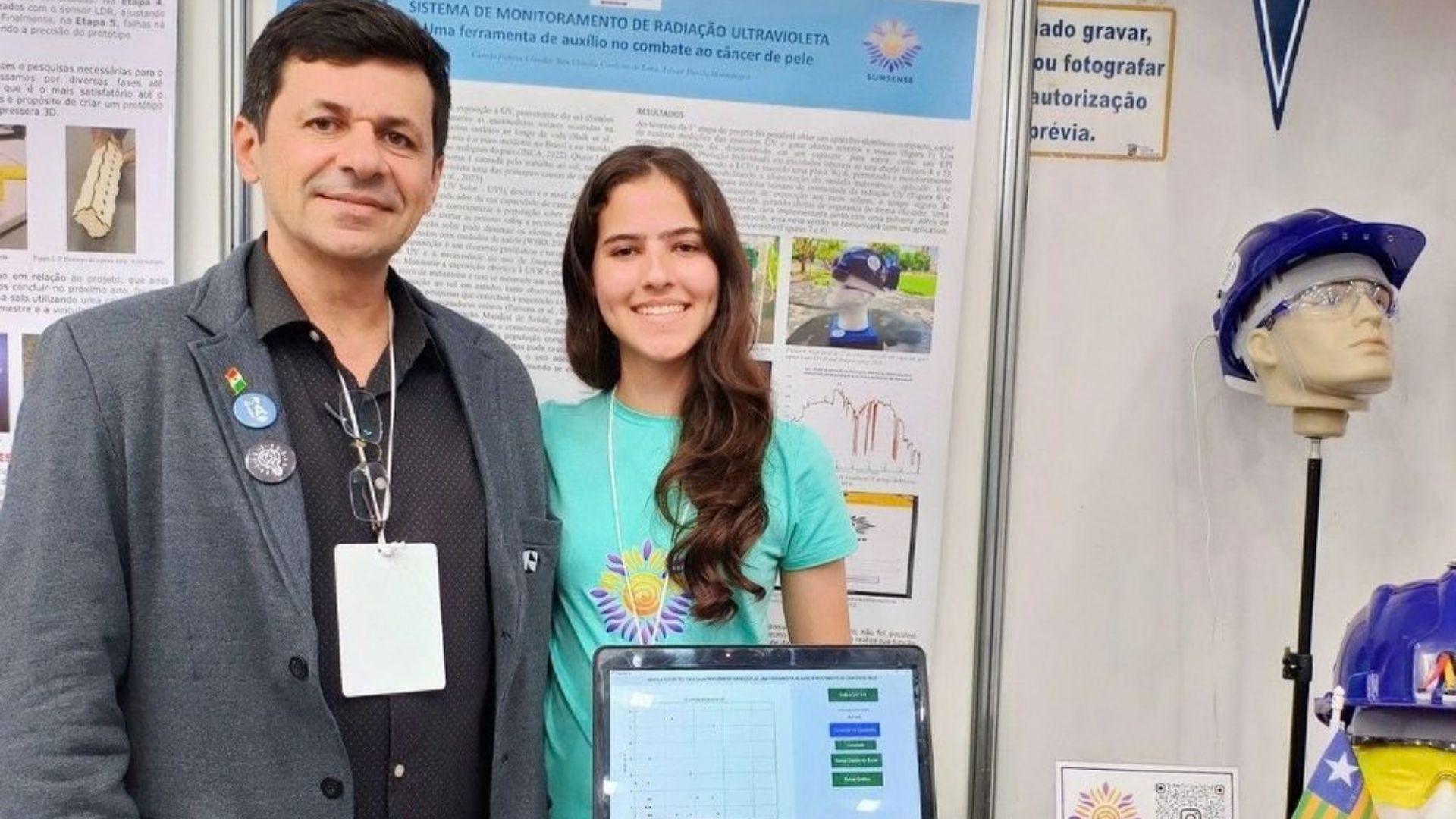
Invention Created By Piauí Student Transforms Sensors And Solar Radiation Data Into Customized Sun Exposure Alerts, Combining Real-Time Monitoring, Individualized Calculation And Digital Connection To Help Users Identify Invisible Risks Of Ultraviolet Radiation In Their Daily Lives.
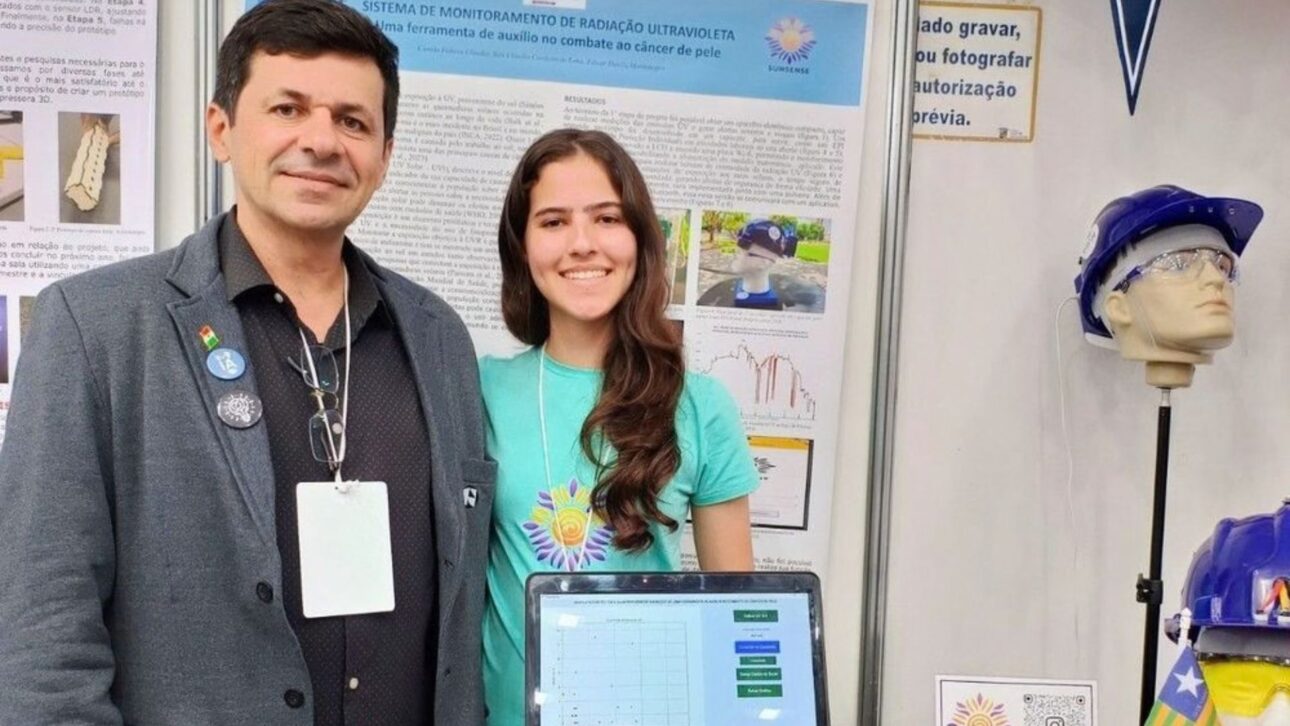
The Piauí student Camila Feitosa Cláudio, then 16 years old when the project gained public visibility in 2024, developed Sunsense, a device that monitors ultraviolet radiation, calculates the safe time for sun exposure and issues alerts to indicate when being outdoors may become harmful.
The initiative was presented as a support tool for preventing skin damage, including burns and skin cancer, and took the young woman to national scientific fairs and an invitation to an international event.
Device Measures UV Radiation And Sends Alerts In Real Time
In practice, the prototype gathers sensors capable of identifying the intensity of solar radiation and converting this reading into visual and auditory warnings.
-
Spain surprises the world by erecting 62 artificial dunes, mixing sand with natural remains of posidonia, and causing the structure to lose only 1.4% of its volume in 1 year.

-
With 16 Bulava missiles, improvements in acoustic stealth, and a design focused on silent patrols, Russia’s nuclear submarine was born to ensure Moscow’s invisible retaliation and has become one of the pillars of its maritime strength.

-
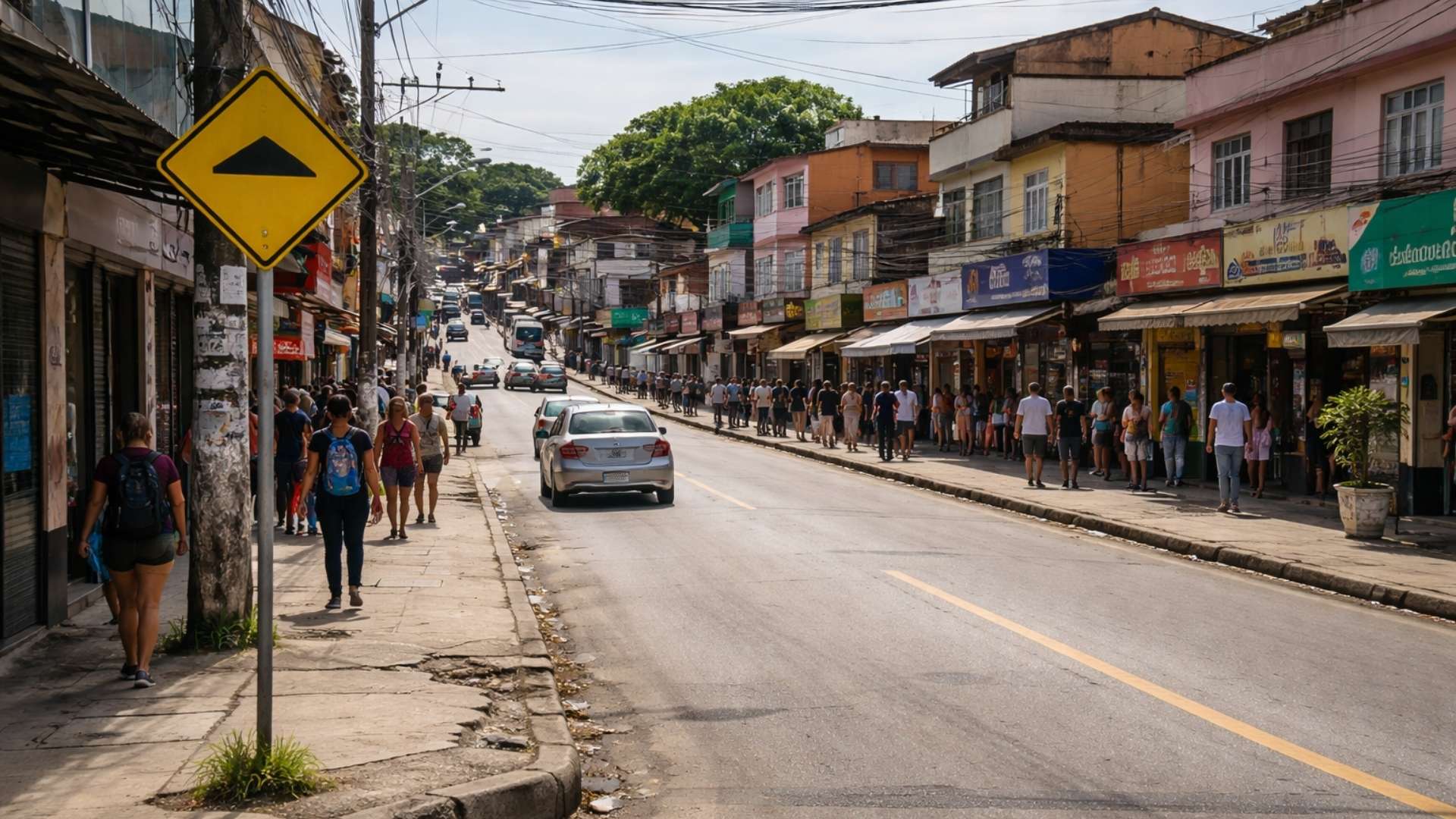
‘Populous’ city in Rio among the worst in Brazil in national ranking and exposes silent development crisis.
-
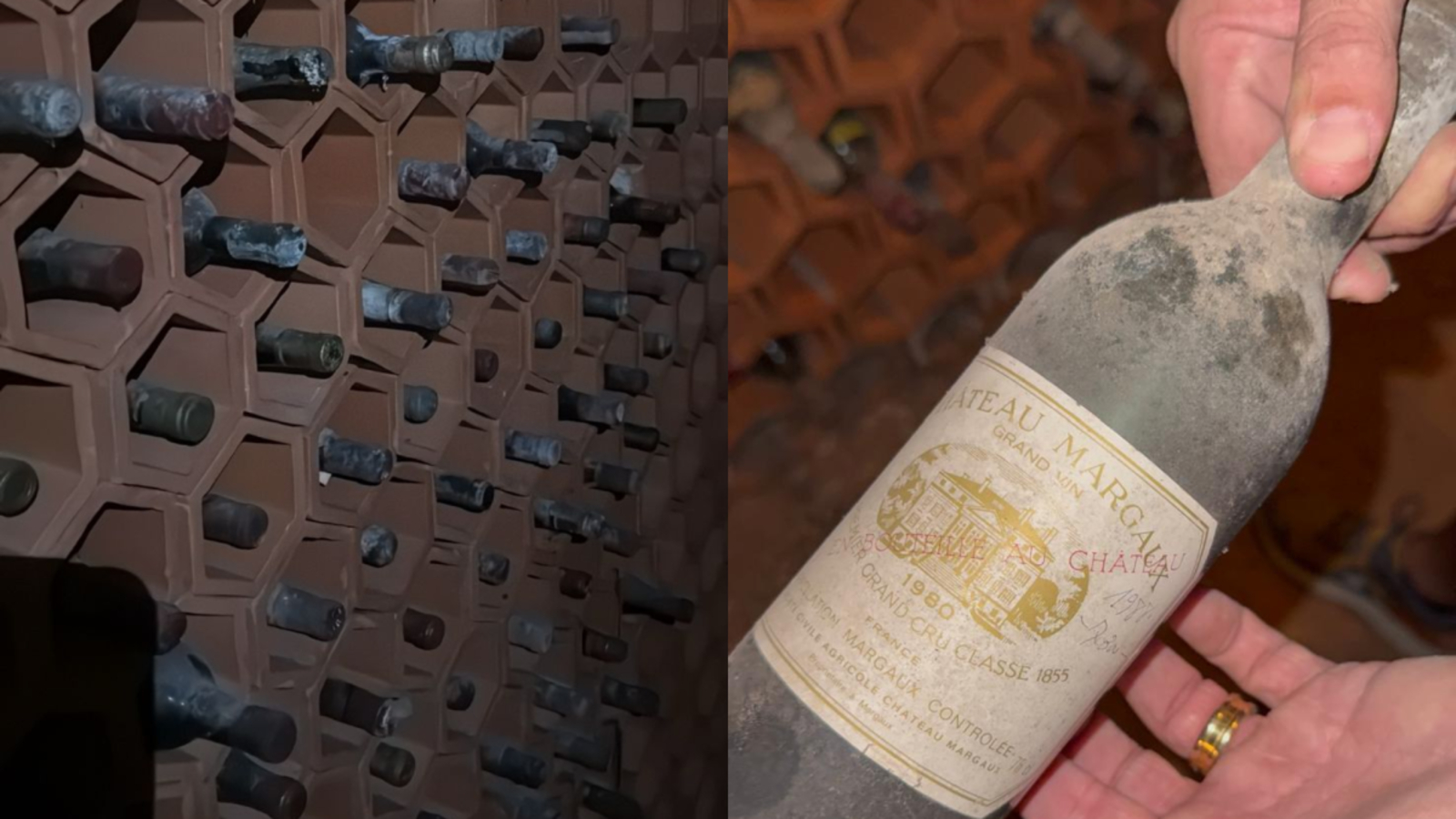
Couple buys house in the South Zone of São Paulo, opens a hidden door in the garage, and finds a secret wine cellar with dozens of old wines forgotten since the 1970s.

Furthermore, the system was integrated with a Wi-Fi connected board, allowing the data to be transmitted in real time for continuous monitoring of exposure.
Instead of simply informing that the ultraviolet index is high, the equipment was designed to transform the technical measurement into objective, understandable and applicable guidance in everyday life.
Calculation Considers Skin Type And Sunscreen Use
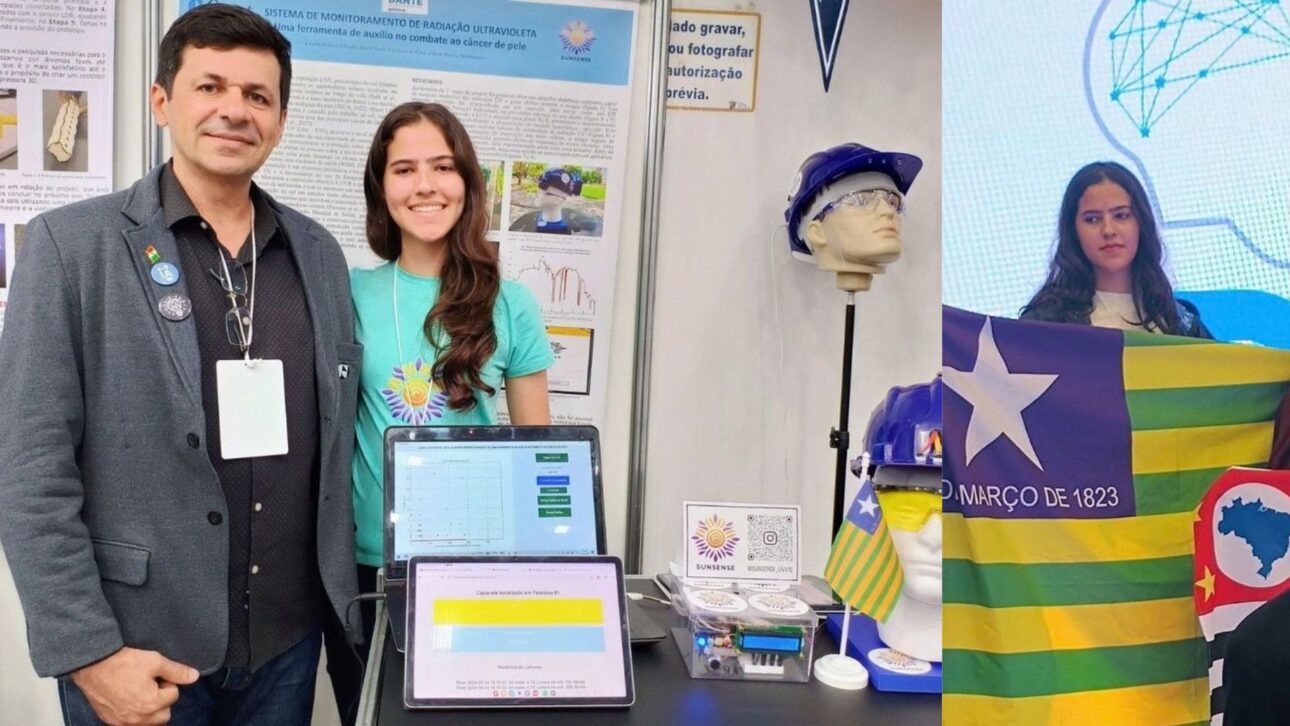
The unique feature of Sunsense is precisely in its personalized calculation.
According to public descriptions of the project, the mechanism considers user characteristics, such as skin type, sunscreen factor used and level of sun exposure, to estimate how long that person can stay under a certain radiation without exceeding a margin considered safe by the system.
Thus, the alert is no longer generic and instead functions as an individualized warning, more suited to the routine of those who work, study, exercise or spend long periods in open areas.
Idea Originated From The Difficulty Of Perceiving Risks Of Solar Radiation
The proposal emerged from a problem that is simple to understand but difficult to monitor with the naked eye.
Even on normal days, UV radiation intensity varies over time, and many people only notice excessive exposure when the effects have already appeared on their skin.
When presenting the project, Camila explained that the device alerts when solar incidence becomes harmful and can serve as a reminder for protective measures, such as reapplying sunscreen or stopping exposure.
The technology, in this sense, aims to bridge the gap between the invisible risk of radiation and immediate decision-making by the user.
Public Health Problem Reinforces The Importance Of The Solution
The public interest surrounding the invention is also explained by the sanitary context in which it exists.
Joint estimates from the World Health Organization and the International Labor Organization indicate that nearly one in three non-melanoma skin cancer deaths is associated with work under the sun.
The report, released in November 2023, reinforced the weight of occupational exposure to ultraviolet radiation as a risk factor and highlighted a global dimension to a topic that is often treated merely as a daily care recommendation.
Project Evolves And May Turn Into Smartwatch
It was at this intersection of school science and public health problem that the project began to gain traction.
According to information released by Piauí authorities, Camila began developing the mechanism in May 2023 and, throughout testing, progressed to versions with more features and greater practical use potential.
One of the announced developments was the adaptation of the solution to the format of a smartwatch, with the same function of measuring radiation and notifying the user on their wrist, enhancing the portability of the device and bringing the prototype closer to a product for continuous use.
Scientific Awards Projected The Student Internationally
The journey in fairs and awards helped to project the student beyond the school environment.
Sunsense was named a finalist at FENADANTE 2024 and received first place in the Health Sciences category in scientific awards attributed to the project in public disclosures from Piauí and in records of academic events.
In parallel, the invention was accredited for the I-FEST², international science and technology fair held in Tunisia, with the student presented as a representative of Northeastern Brazil in that innovation circuit.
Entry Into The Piauí Innovation Ecosystem
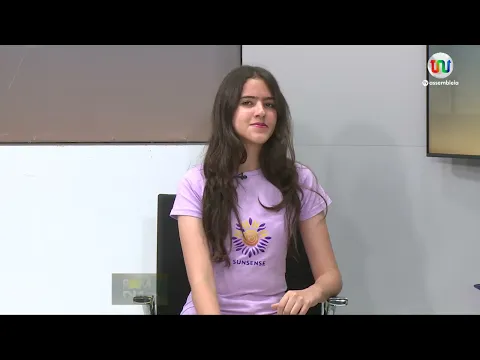

This journey also led Camila to the innovation ecosystem of the state.
The student was welcomed at the HUB of Investe Piauí and invited to participate in an acceleration program aimed at maturing the solution.
The institutional evaluation released at the time indicated that the project combined social relevance and technological appeal, but still needed to advance in stages such as market research, validation of adherence with potential users and evolution of prototypes until reaching a final version closer to commercial application.
Technology Transforms Invisible Data Into Preventive Behavior
Another noteworthy aspect is the combination of ease of use and functional sophistication.
Sunsense was not described merely as a UV radiation meter but as a system that interprets environmental data and returns to the user a practical response in alert language.
In a country with high temperatures and significant solar incidence for much of the year, this type of tool is likely to elicit interest because it translates an invisible variable into immediate preventive behavior, something especially relevant for those exposed to the sun out of necessity rather than choice.
The impact of the invention, therefore, rests less on the creator’s age alone and more on the ability to connect research, public utility and everyday application in a single proposal.
By developing a device that measures radiation in real time, correlates this reading with individual characteristics and triggers alerts via light, sound and connectivity, the young researcher transformed a topic often treated abstractly into a tangible prevention tool.
The result is a rare case where school science transcends the laboratory, enters the health debate and approaches real problems affecting workers, students and anyone subjected to prolonged sun exposure.







-

Uma pessoa reagiu a isso.