





 Portuguese
  English
  Spanish
 4 min of reading
  0 comments



The Gifted Brazilian Girl Laura Büchele Was Accepted Into Mensa, the World’s Most Exclusive International Association for High IQ Individuals, After Scoring 139 Points on an Intelligence Test and Surprising Experts With Adult Vocabulary and Rare Maturity for Her Age.
The story of Laura Büchele, a gifted Brazilian girl from Itajaí, Santa Catarina, caught the world’s attention when she was accepted, at the age of nine, into Mensa, the oldest and most prestigious society for high IQ individuals on the planet.
With a score of 139 on an intelligence test administered by psychologists in the United States, Laura joined a group that represents only 2% of the global population, made up of individuals with exceptional intellectual performance. The achievement impressed professionals in the field and reignited the debate about how to identify and stimulate children with high abilities from an early age.
Who Is the Gifted Brazilian Girl Accepted Into Mensa
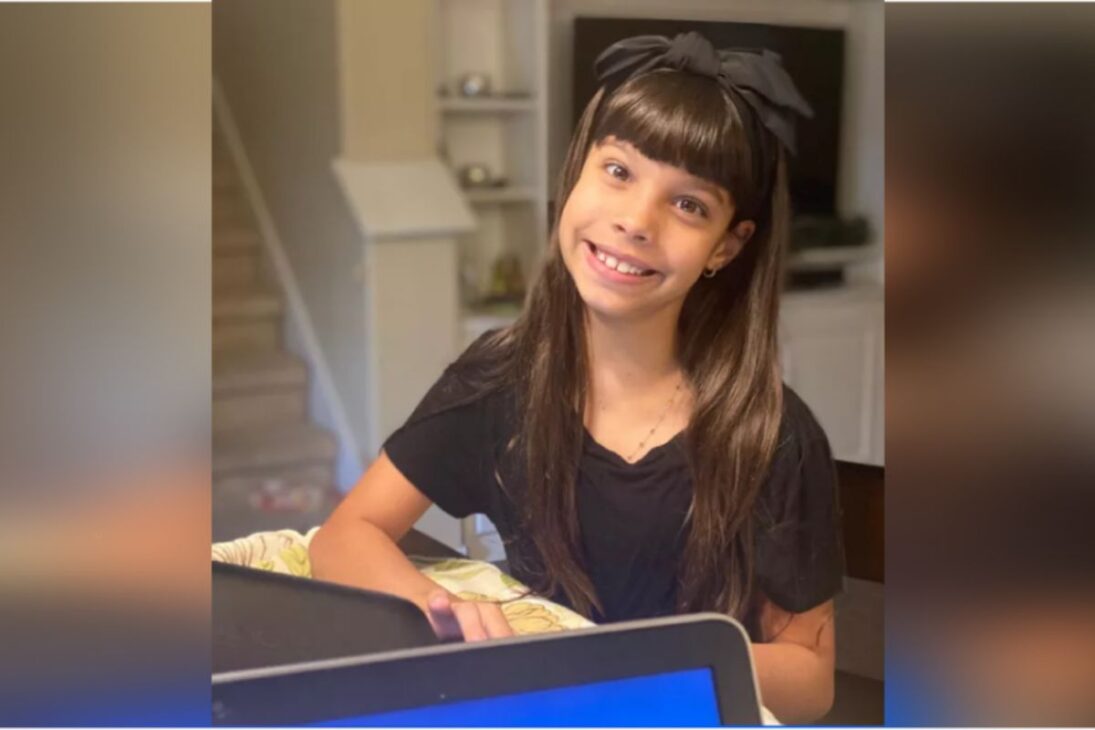
Born to Bruna Büchele, Laura was raised on the coast of Santa Catarina but was living with her family in the United States when she underwent the IQ assessment.
-
In 200 days, a Finnish man builds with his own hands an 11-meter boat powered by solar energy with “infinite autonomy,” capable of dispensing with refueling and already used as a floating house.

-
Neurologist Richard Restak issues a severe warning to all people over 65: there is a daily habit he recommends completely eliminating from your life because it is destroying your neurons and accelerating memory loss.
-
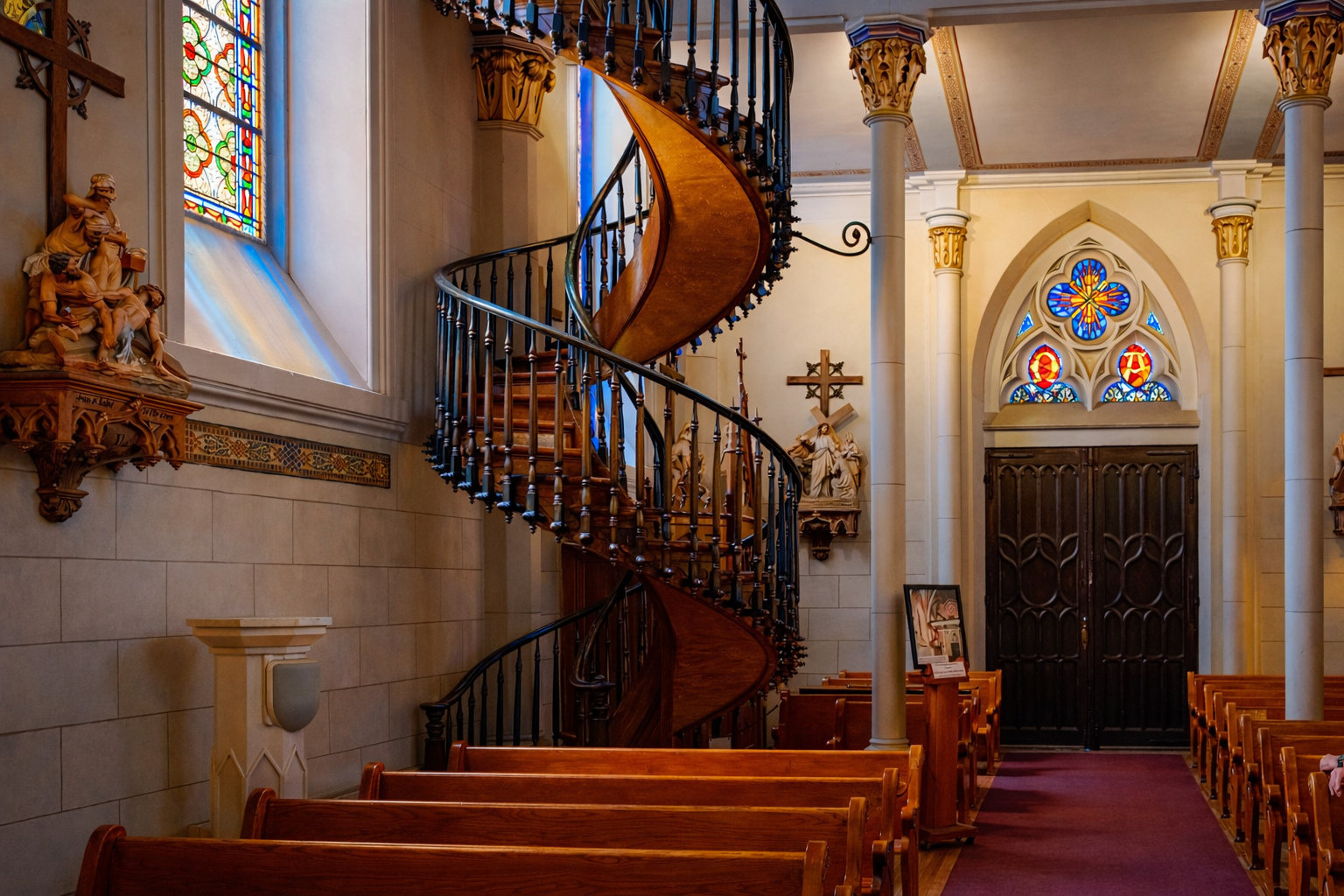
With 6.1 meters and 33 steps, the spiral staircase of the Loretto Chapel in the United States gained fame worldwide for making two complete 360-degree turns without a central support.
-
With 30 meters in length, a house in England appears to float in the air and surprises engineers and architects around the world due to its visual effect and construction method suspended over sloped terrain.

The results placed her in a group of children classified as “gifted”, a term used internationally to designate individuals with high cognitive abilities and above-average reasoning.
According to her mother’s reports, the diagnosis was sought after noticing an intellectual development far beyond expectations.
Laura displayed adult vocabulary, unusual curiosity, and ease in understanding complex topics, characteristics typical of gifted children.
The test confirmed what the family already suspected: she possessed cognitive abilities superior to her age group.
What Is Mensa and How Does Selection Work
Mensa is an international organization founded in 1946 in the United Kingdom, present in over 100 countries and dedicated to bringing together individuals with high intellectual potential.
To be accepted, one must obtain a score equal to or greater than 98% of the population on standardized IQ tests.
The association functions as a global support network, promoting meetings, research, and encouragement of intellectual development for its members.
Admitting a child as young as nine years old, like Laura, is a rare event, as most accepted members are adults who have undergone academic and professional testing.
The Achievement and International Repercussions
Laura’s score of 139 on the IQ test placed her among the smartest children in the world. The global average is 100 points, and only a minority surpasses 130.
The result led to the official call from Mensa in the United States, making Laura one of the few Brazilians to join the society of geniuses.
The news quickly spread through national and international outlets, highlighting the girl’s early talent and unusual maturity.
Psychologists involved in the process described Laura as a child with high abstraction capacity, logical reasoning, and advanced verbal comprehension.
During interviews at the time, her mother stated that the biggest challenge became finding suitable environments for stimulation and social interaction, as gifted children often tend to get bored in conventional schools.
Life in the United States and Educational Incentives
After being recognized, Laura and her family remained in the United States, where she had access to special programs aimed at students with high abilities.
According to reports from 2020, she even received an early university scholarship targeted at educational enrichment projects.
The American educational system offers support for “gifted children” with personalized curricula, contact with mentors, and freedom to explore areas of interest.
The family reported that Laura adapted well to the model, balancing advanced learning with typical childhood leisure activities.
Early Maturity and the Expert View
Besides her high IQ, Laura exhibited atypical emotional and behavioral maturity for her age.
Experts who evaluated her noted that she expressed herself with sophisticated vocabulary and adult-like logical reasoning, features that do not always accompany a child’s social development.
According to psychologists, this type of profile requires continuous monitoring and emotional support, as the gap between cognitive capacity and emotional age can lead to anxiety, isolation, or frustration.
Therefore, Mensa and specialized schools usually offer safe environments for the holistic development of these young individuals.
What Is Known About Her Currently
Since her story gained international attention in 2020, the family chose to preserve Laura’s privacy, keeping her away from media spotlight.
This distancing is common in cases of gifted children, especially when there is early exposure.
There is no recent public information about her studies or new achievements, but experts highlight that this decision for privacy is positive for the child’s emotional and social balance.
Laura continues to live in the United States, with access to development programs for young individuals with high abilities.
The Importance of Early Identification of Giftedness
The case of Laura Büchele draws attention not only for her genius but also for the importance of early identification of intellectual giftedness.
Recognizing and stimulating children with this profile prevents the waste of potential and reduces the risk of emotional and academic difficulties.
The World Health Organization estimates that about 3% of the child population has high abilities, but most cases go unnoticed due to lack of diagnosis.
Laura’s example reinforces the need to equip teachers and parents to recognize signs of exceptional performance, such as intense curiosity, quick reasoning, and advanced language.









-

-

-

-

-

-

63 pessoas reagiram a isso.