





 Portuguese
  English
  Spanish
  4 min of reading
  0 comments


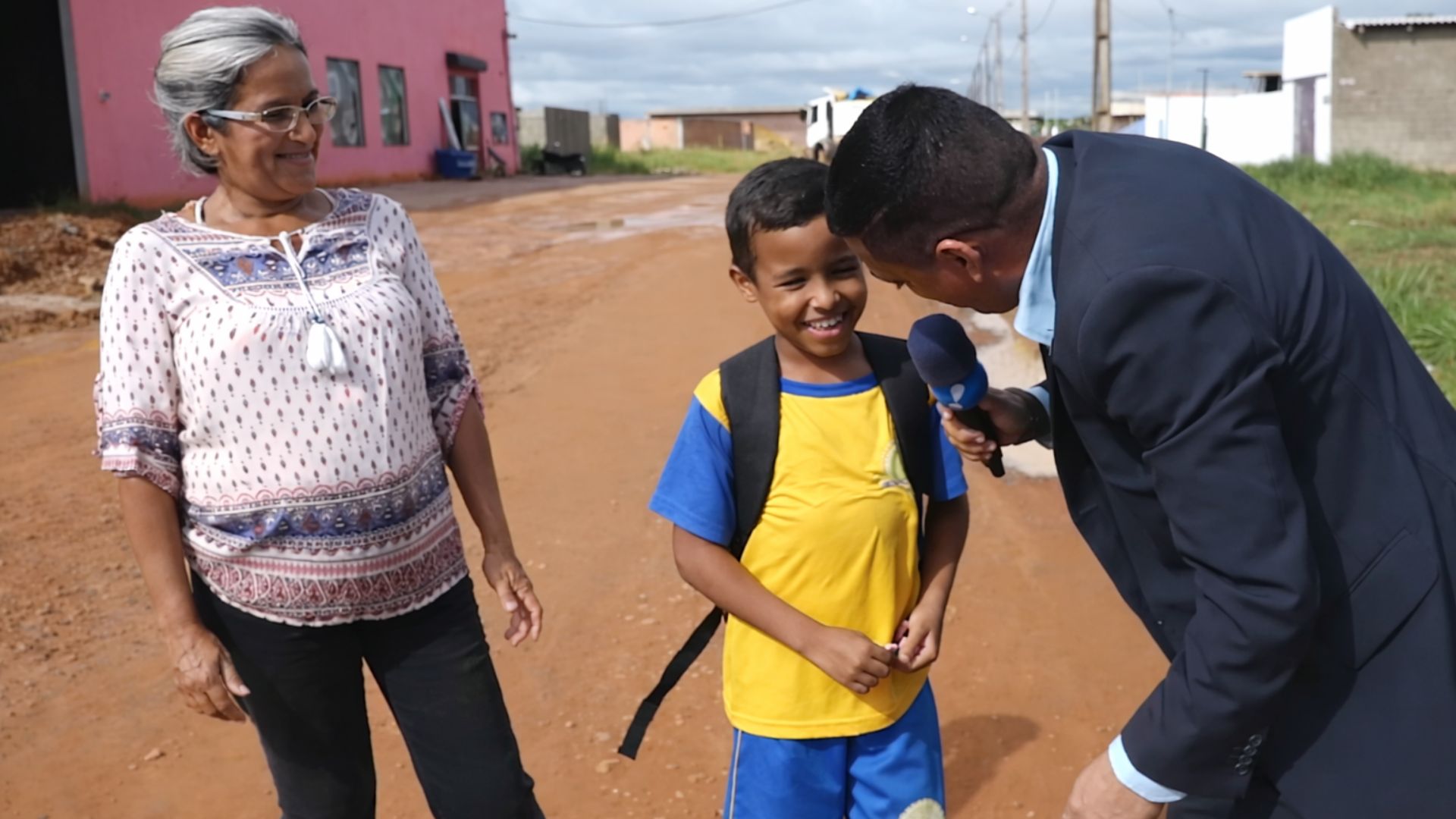
The Exhausting Routine of Mother and Son, Walking Long Distances to Ensure the Right to Education, Viralized on Social Media, Mobilized Police and Triggered a Wave of Solidarity by Revealing Simple Dreams in the Face of an Extreme Reality
The story that touched thousands of Brazilians circulated again as a striking reminder of social inequality and resistance. In a periphery marked by dirt roads, constant mud, and the absence of regular public transport, a boy of just 9 years had to walk long distances daily to avoid dropping out of school. Alongside his mother, he traversed the same route under scorching sun and heavy rain, turning the trip to school into a true test of physical and emotional endurance.
The information was disclosed through journalistic records and videos that circulated on social media at the time, according to reports published by local outlets and content shared by public safety professionals who accompanied the case. The images and testimonies quickly caught attention for the simplicity of the story and the harshness of the routine faced by the family.
A 6 km Routine That Repeated from Monday to Friday
From Monday to Friday, the mother would leave home early, taking her son to school. The total distance amounted to about 6 kilometers per day, consisting of 3 km one way and another 3 km back, walked along unpaved avenues. The lack of transportation meant there was no viable alternative to ensure the child’s school attendance.
-
This small town in Germany created its own currency 24 years ago, today it circulates millions per year, is accepted in over 300 stores, and the German government allowed all of this to happen under one condition.

-
Curitiba is shrinking and is expected to lose 97,000 residents by 2050, while inland cities in Paraná such as Sarandi, Araucária, and Toledo are experiencing accelerated growth that is changing the entire state’s map.

-
Tourists were poisoned on Everest in a million-dollar fraud scheme involving helicopters that diverted over $19 million and shocked international authorities.

-
Hidden beneath the dense forest of the Sierra Nevada, Betoma emerges in a neighbor of Brazil as the greatest archaeological discovery of the century, revealing a colossal ancestral city covering over 18 km², with 8,334 stone structures and the potential to rewrite the history of South American civilizations.


Additionally, the route was marked by mud during rainy periods and intense dust on sunny days. Still, the walk had to be done daily, as the boy’s education was of utmost priority, even in the face of the financial difficulties the family faced.
However, the effort was not limited to the distance. Physical exhaustion accumulated throughout the week, making the routine even heavier for a school-aged child and for a mother who had to balance caring for her son and the family’s survival.
The Simple Dream That Moved the Country
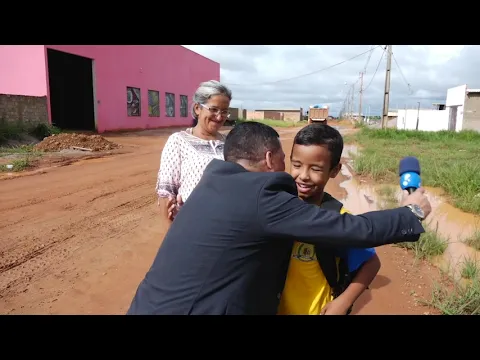

During a conversation recorded on video, the boy was asked about his dreams. Without hesitation, he replied that he had two big wishes. The first was to meet Ronaldo, idol of Brazilian football. The second, even more symbolic, was to get a bicycle, not for leisure but as a way to lessen his mother’s daily suffering on the way to school.
This detail was crucial in moving the audience. The dream of the bicycle did not represent a consumer object, but a child’s attempt to ease an excessively harsh reality for someone just 9 years old. The simple speech revealed precocious maturity and awareness of the family’s struggles.
As a result, the story began to mobilize people who followed the case, including military police who witnessed the family’s routine and decided to help in some way, offering support and visibility to the situation.
School Approval, Faith, and Hope for Better Days
Despite all the adversities, the boy managed to pass the school year, a fact celebrated with pride by his mother. The school approval symbolized not only an academic advancement but also the reward for months of physical and emotional effort. Even facing delays, exhaustion, and structural difficulties, he maintained his attendance and successfully finished the school year.
Amidst the emotion, the mother emphasized faith as a central element to move forward. The family lived off informal activities to ensure daily food, while one of the older children was unemployed. Still, hope remained alive, sustained by the belief in better days.
The story, which circulated widely at the time, became a true portrait of the inequalities faced by thousands of Brazilian families, especially in regions where access to basic services is still limited.
What should be the role of the public power to ensure that no child needs to walk miles every day just to access school?







Seja o primeiro a reagir!