





 Portuguese
  English
  Spanish
  5 min of reading
  0 comments


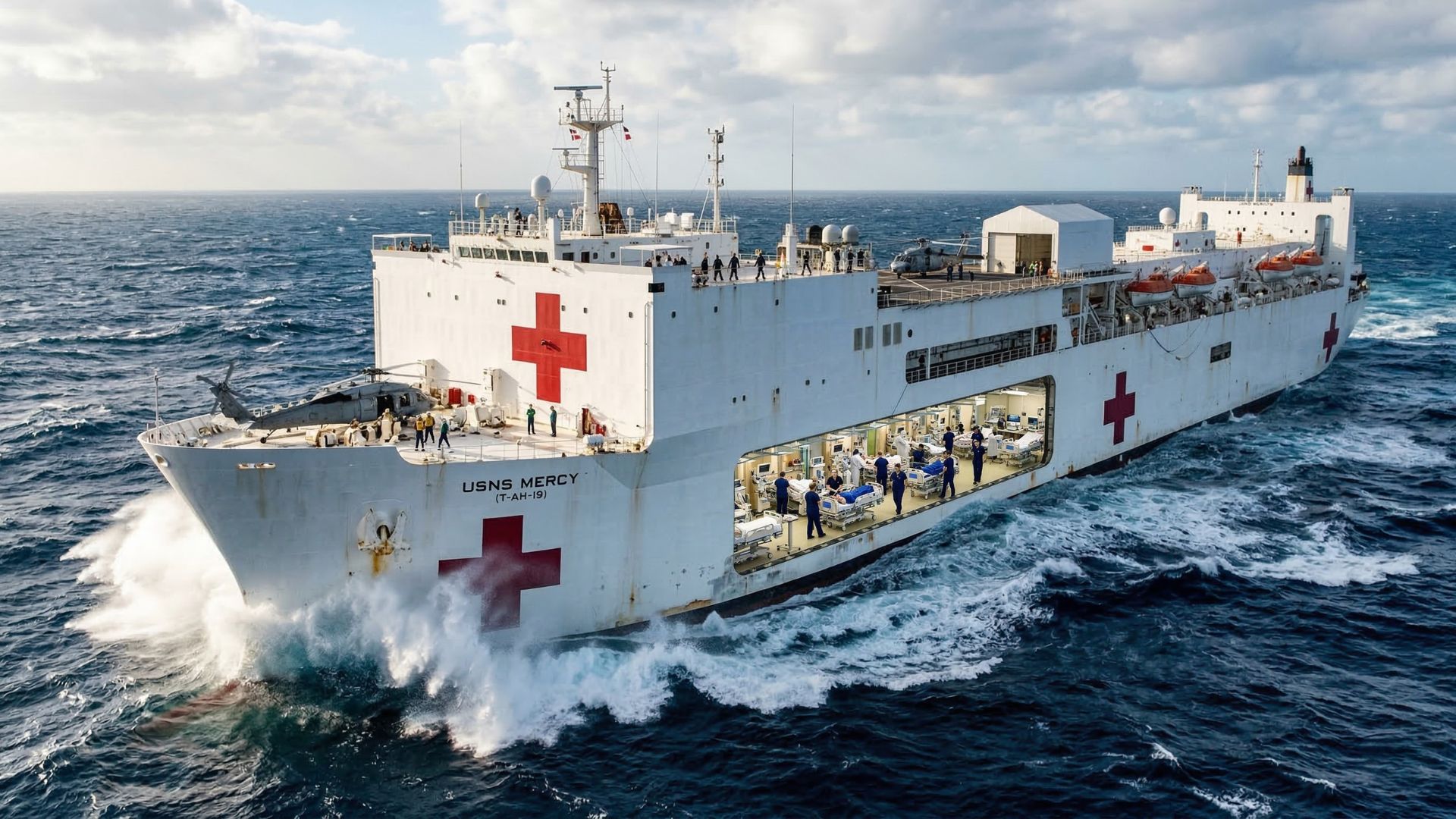
US Navy Hospital Ship Brings Medical Structure Comparable To That Of Large Land Hospitals, With Surgery Center, Intensive Care And Helicopter Evacuation. Platform Operated By The US Navy Serves In Wars, Natural Disasters And Humanitarian Missions, Bringing Advanced Care To Coastal Areas Pressured By Health Crises.
The USNS Mercy Is One Of The Largest Naval Medical Platforms In Operation In The World And Concentrates, In A Single Hull, Resources For Hospitalization, Surgery, Intensive Care, And Aeromedical Evacuation Mobilized For War, Disaster, And Humanitarian Assistance Scenarios.
Operated By The Military Sealift Command, The Logistics Branch Of The U.S. Navy, The Ship Was Designed To Bring High-Complexity Care Closer To Coastal Areas Pressured By Health System Collapses, Earthquakes, Tsunamis, Epidemics, And Armed Conflicts.
Dimensions And Hospital Structure Of The USNS Mercy
The Numbers Help To Size The Scale Of This Structure.
-
He found the largest gold shipwreck in the United States with tons of the precious metal at a depth of 2,400 meters in the Atlantic and recovered a treasure that no one thought possible to reach, but 500 gold coins disappeared without explanation.

-
The United States has a serious problem with its F-35s: China is already producing fighters at a pace that exceeds American capacity and could manufacture up to 300 aircraft per year before the end of the decade, shifting the global military balance.
-
A retired IT professional built a 22-meter boat in his backyard in Oklahoma with a school bus engine, light pole masts, and handmade watertight doors to become the redneck version of Jacques Cousteau.
-
China is building a city in Brazil: a complex with an investment of R$ 5.5 billion comes to light, but allegations involving workers draw attention.


Official Data From The Military Sealift Command Indicates That The Mercy Is 894 Feet Long, About 272.5 Meters, Displaces 69,552 Tons, And Houses A Hospital Facility With 1,000 Beds, 11 General Surgery Rooms, And An Interventional Radiology Suite.
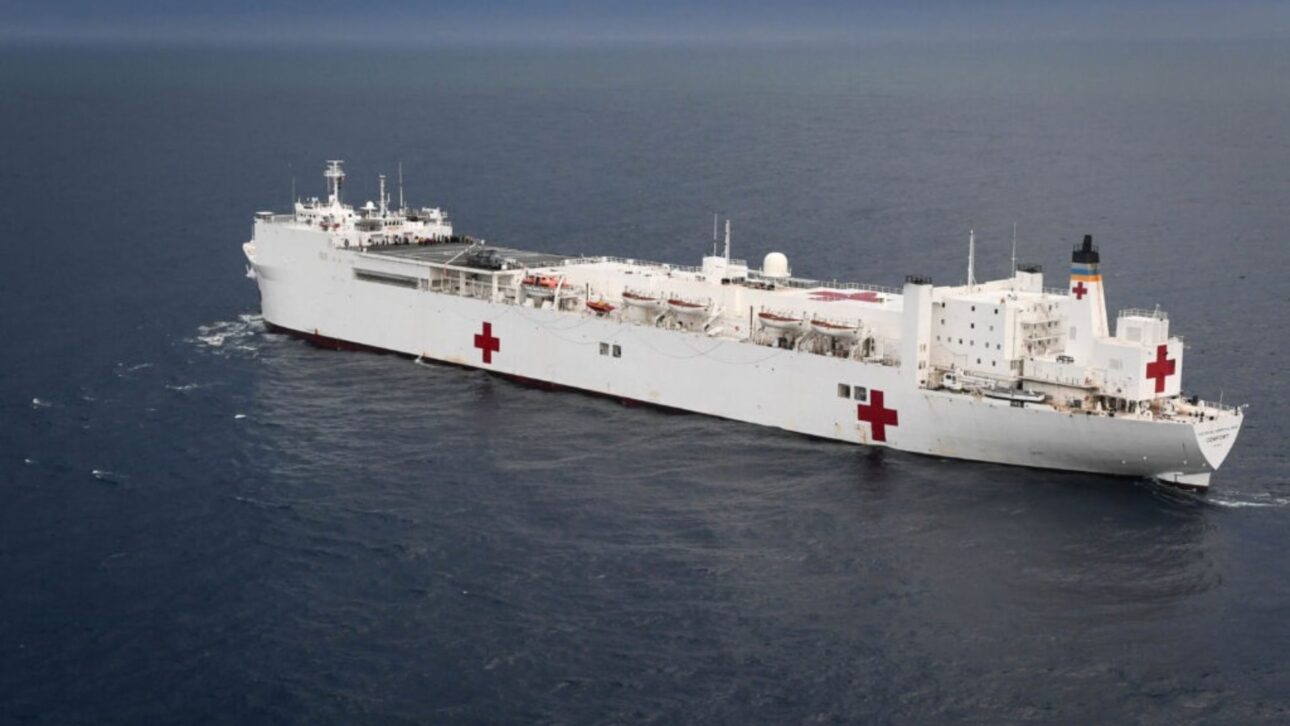
The Same Page States That The Ship Has 15 Wards, 80 Intensive Care Beds, Blood Bank With A Capacity Of 5,000 Units, And 10 Personnel Elevators, In Addition To Laboratory, Pharmacy, And Essential Support Systems To Keep Care Operational During Prolonged Missions.
Floating Hospital For Wars, Disasters, And Health Crises
In Practice, The Vessel Operates As A Temporary Extension Of The Hospital Infrastructure On Land, Especially When The Local Network Suffers Damage Or Loses Response Capacity.
The Fleet Command Defines The Hospital Ships As Mobile Surgical Facilities, Aimed At Supporting American Military Forces As Well As Humanitarian Aid Operations And Disaster Relief In Different Regions.
This Combination Explains Why The Mercy Often Appears In Times Of High Pressure On Health And Coastal Logistics Systems.
Although Associated With The US Navy, The Mercy Is Not A Combat Ship.
Its Mission Is Medical And Logistical, Focusing On Screening, Stabilization, Surgery, Hospitalization, And Advanced Hospital Support.
This Places It In A Rare Category Even Within The American Naval Structure.
According To The Military Sealift Command, The United States Maintains Only Two Hospital Ships Of This Type: The USNS Mercy And The USNS Comfort.
Origin Of The Ship And Conversion Of Tanker To Hospital
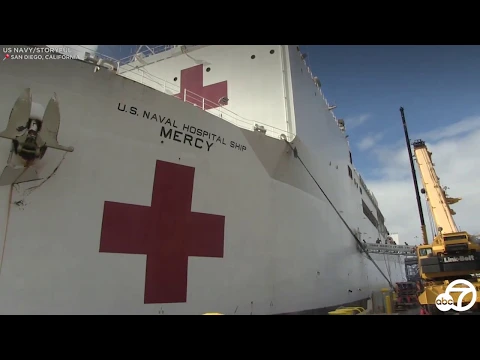

The Origin Of The Vessel Helps To Understand Its Unusual Size.
Before Becoming A Floating Hospital, The Ship Started As The Oil Tanker SS Worth, Built In 1976 By The National Steel And Shipbuilding Company In San Diego.
The Conversion Process Began In 1984 And Transformed A Hull Designed For Liquid Cargo Transport Into A Large-Scale Medical Platform, Delivered To The U.S. Navy On November 8, 1986.
This Structural Repurposing Allowed For The Creation Of Spacious Internal Areas, Essential For Accommodating Wards, Surgical Centers, Diagnostic Equipment, And Support Areas.
Medical Equipment And Capacity For Care At Sea
In Addition To Size, The Mercy’s Differentiator Lies In The Variety Of Resources On Board.
The Handbook And Official Statistics From The Military Sealift Command Describe Capabilities Such As Digital Radiology Services, Tomography, Oxygen Production, And Laboratory Support, Which Expands The Possibility For Diagnosis And Treatment At Sea.
In Disaster Scenarios, This Autonomy Reduces Immediate Dependence On Shore Hospitals, Especially When Ports, Roads, Airports, Or Urban Networks Have Been Compromised.
The Presence Of Helicopter Flight Deck Reinforces This Logic By Facilitating Removals, Arrival Of Teams, And Rapid Transportation Of Supplies.
Crew, Operation, And Readiness For Mobilization
The Operational Scale Also Draws Attention For The Amount Of Personnel That The Ship Can Receive When Fully Activated.
The Military Sealift Command States That The Mercy Can Accommodate Up To 1,200 Military Personnel, In Addition To Civilian Mariners Responsible For Navigation, Machines, And On-Board Services.
Still, It Does Not Remain Fully Staffed At All Times.
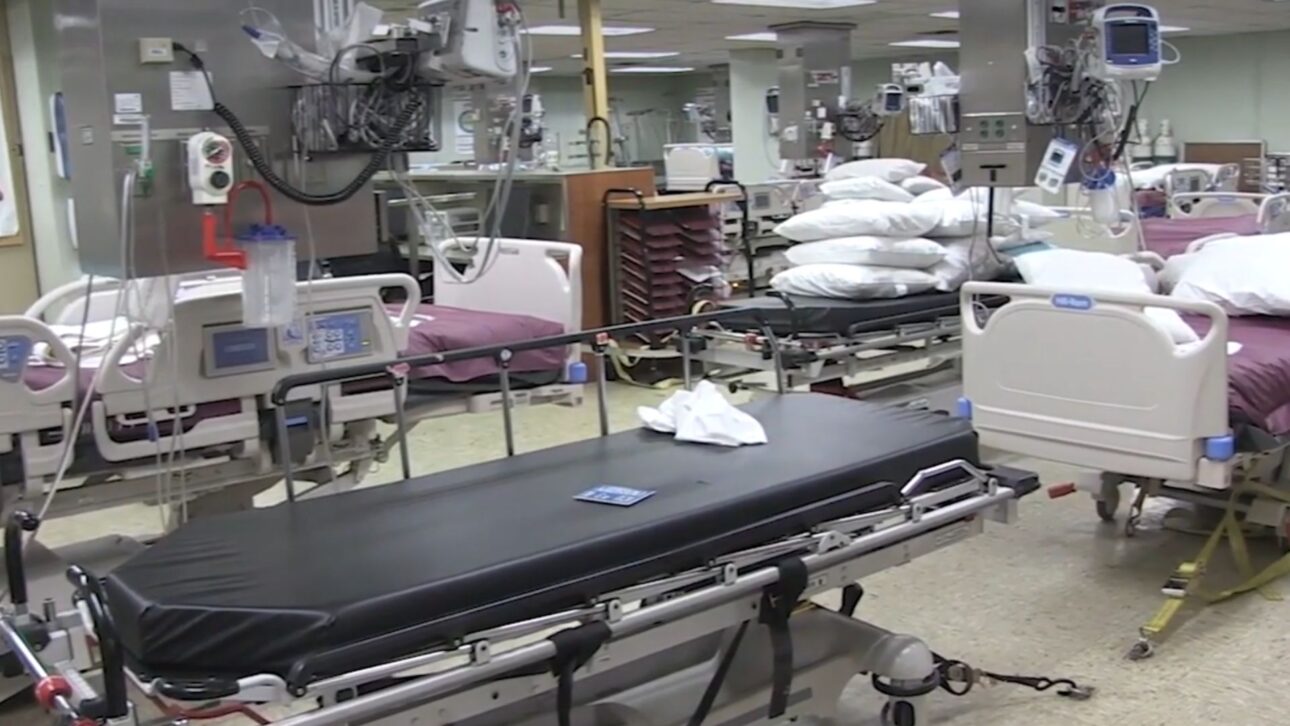
During Periods Without A Mission, The Vessel Remains In Reduced Operational Status, With A Streamlined Crew, And Can Be Expanded When Full Mobilization Is Required.
The Official Website Of The Ship Highlights The Requirement Of Readiness For Activation In Five Days.
This Employment Model Helps To Preserve Resources And Concentrate Medical Personnel When There Is A Concrete Demand.
Instead Of Maintaining A Maximum Structure Permanently On Board, The U.S. Navy Works With A Readiness System That Allows For Rapid Transformation Of The Ship Into A Larger Hospital Unit.
The Logic Is Different From That Adopted In Vessels Of Continuous Naval Presence, But Makes Sense For An Asset Aimed At Contingencies, Surgical Support, And Assistance Missions That Depend On Timely Activation.
Humanitarian Missions And Presence In The Indo-Pacific
In Recent Years, The Mercy Has Gained Visibility Again In The Pacific Partnership, An Initiative Described By The U.S. Navy As The Largest Annual Multinational Humanitarian Assistance And Disaster Response Preparedness Mission In The Indo-Pacific.
In October 2023, The Ship Departed San Diego For The Pacific Partnership 2024-1 Operation, And Returned In February 2024 After About Four Months Of Activities.
According To Official Announcements, The Mission Included Medical Training, Engineering, Cooperation With Local Authorities, And Strengthening Regional Emergency Response Capabilities.
This Type Of Employment Shows That The Role Of The Mercy Goes Beyond Immediate Reaction To Disasters.
The Vessel Also Serves As An Instrument Of International Coordination, Joint Training, And Prior Preparation Of Regional Partners, In A Strategy That Combines Assistance, Interoperability, And Diplomatic Presence.
Instead Of Symbolizing Force Projection Through Offensive Weapons, The Ship Represents The Ability To Deploy Intensive Medicine, Evacuation, And Hospital Support To Remote Areas Or Those Affected By Sudden Crises.
Naval Engineering Adapted To Emergency Medicine
The Physical Dimension Of The Mercy Reinforces This Uniqueness.
With 106 Feet In Breadth And A Speed Close To 17 Knots, The Ship Brings Together, In A Maritime Environment, Functions That Normally Would Require Fixed Installations And Great Integration Between Hospital, Logistics Center, Air Unit, And Storage Structure.
The Result Is A Rare Platform Of Naval Engineering Applied To Medicine, Capable Of Supporting Screening, Surgery, Intensive Care, Hospitalization, And Laboratory Support Far From The Coast, With A Response Margin That Is Difficult To Reproduce In Smaller Vessels.





-

Uma pessoa reagiu a isso.