





 Portuguese
  English
  Spanish
  4 min of reading
  0 comments


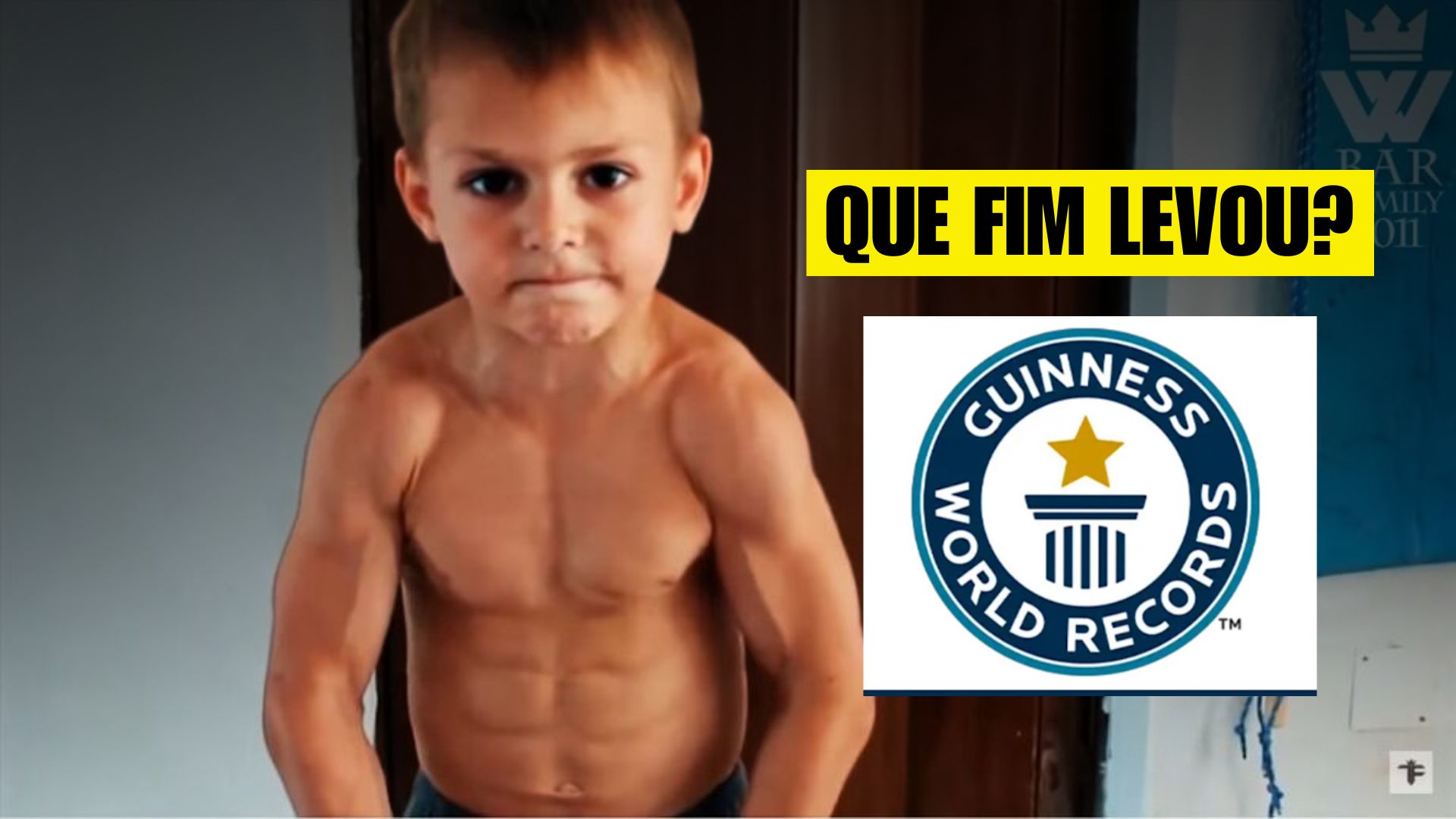
Giuliano Stroe Gained Worldwide Fame as a Child When He Entered Guinness, Became a Phenomenon on TV Shows, and Faced Controversies Over His Intense Training Routine. Today, at 21, He Pursues a New Sports Journey.
The Romanian Giuliano Stroe, who became known worldwide at the age of 5 as “the strongest boy in the world” after entering the Guinness in 2009, has now turned 21 and redirected his sports career.
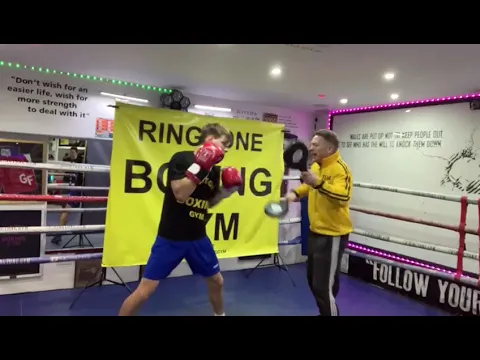
Without the childhood bodybuilding that made him famous, he maintains an intense training routine and has transitioned to boxing, a sport in which he is already appearing in sparring and amateur fight videos.
On social media, he has resumed posting frequently and showcases this new phase.
-
Storms on Jupiter are up to 100 times more powerful than on Earth and reveal extreme phenomena that challenge everything we know about weather.

-
With five floors, the building made of red sandstone, marble, and limestone surprises with its strength, appears to float, and remains stable even when submerged in water, thanks to its hydraulic engineering.

-
Brazilians are no longer welcome in these countries, even with valid passports.

-
Nothing from Switzerland or the USA: the first city in the world to reach the highest standard of quality of life is in Brazil.


From Viral Fame to Guinness
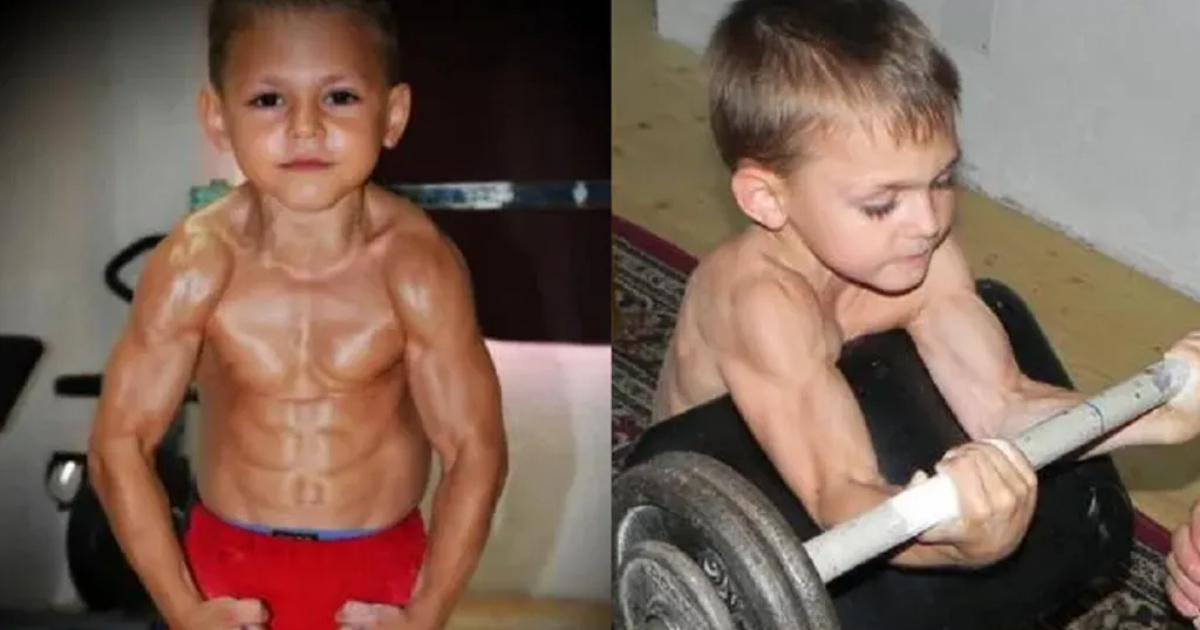
The boy’s fame began when training videos circulated in 2008, showing unusual exercises for his age, such as push-ups at 90 degrees and balance on the rings.
The following year, Giuliano set the record for the handwalk of ten meters with a weighted ball between his legs, an achievement made on a TV show and certified by Guinness.
On February 24, 2010, he broke another record by completing 20 push-ups at 90 degrees, again in front of the cameras.
Pressure, Questions, and Family
The nickname “strongest boy” brought exposure and also debates about the limits of early training.
Child protection agencies in Romania monitored the case, and in 2013, there was a legal dispute involving the guardianship and medical supervision of the children.
The family denied any excess, and at the time, the father stated: “He trains of his own free will, not because I force him to”.
Documents cited in news reports indicate that authorities sought to ensure examinations and monitoring of development, and the father regained custody that year.
Adolescence Away from the Spotlight
Over time, the routine of childhood records gave way to a more discreet period.
However, videos continued to appear on the family’s official YouTube channel, now focusing on general conditioning and initiation into boxing.
Records show Giuliano in sparring and amateur fights both in Romania and in Italy, including in Piove di Sacco, the city where he was born.
The presence of his brother, Claudio, remains constant in training, maintaining the sports bond that marked their childhood.
From Mat to Ring
In adulthood, Giuliano is seen equipped with a helmet, gloves, and mouthguard, performing mitt work, speed drills, and controlled rounds.
Recent videos highlight his participation in grassroots championships such as the Under-22, and training in local clubs.
The collection of posts indicates a solidified transition: the discipline developed in gymnastics and strength training has been converted into the fundamentals of Olympic boxing, focusing on movement, guard, and punch volume.
Return to Social Media
In addition to YouTube, profiles attributed to Giuliano show activity on TikTok in August 2025, with broadcasts and short training videos.
The strategy repeats, in another context, the path that projected him fifteen years ago: using platforms to document his sports evolution, now with an emphasis on boxing technique and physical preparation.
The content also attracts criticism — a constant trait since the early years — to which he responds naturally by continuing to publish his routine.

What Remains of the Records
The childhood titles no longer define the goal.
Today, the aim is to build a resume as a young athlete, not as a prodigy.
Although the records from 2009 and 2010 remain milestones in his biography, the narrative is different: less spectacle and more process.
The accumulated experience in coordination, mobility, and specific strength provides a foundation for a fighting style that emphasizes rhythm and endurance — qualities useful in amateur and developmental categories.
Father, Training, and Limits
The presence of his father, Iulian Stroe, continues to be a recurring theme.
International reports note his close involvement in training, allegations of excess, and the family’s defenses regarding oversight and the autonomy of their children.
The history in Romanian courts, with decisions favoring the children’s return to family care after evaluations, helps explain why the case has remained in the public eye for so many years.
Nonetheless, the current phase points to a more sports-oriented environment than performative, with a clearer training schedule and competitive goals.
Italy, Romania, and the Path to the Ring
Giuliano was born in Piove di Sacco, in Italy, and has built part of his journey between his country of origin and Romania, where he grew up and trained.
Videos capture sparring sessions and matches in clubs in both countries.
There are recent mentions of training in foreign gyms, indicating activity in various boxing centers.
While it is not always possible to confirm a permanent residence, the competitive and training routine suggests a developing career, with local and regional stages.
From Extraordinary Childhood to Organized Sport
The story of Giuliano illustrates an uncommon path: from stardom in early childhood to striving for traditional sports recognition.
Without exaggeration, current videos showcase an athlete who seeks to combine technique, physical preparation, and ring experience.
The past in Guinness serves as a calling card; however, the present consists of rounds, training, and small results that, when combined, may open doors in increasingly demanding tournaments.
As he sharpens his guard and adjusts his footwork, what will be Giuliano Stroe’s next step in boxing: to establish himself in national tournaments or to seek sports exchange to accelerate the transition to the professional level?






-

-

-

5 pessoas reagiram a isso.