





 Portuguese
  English
  Spanish
  4 min of reading
  0 comments


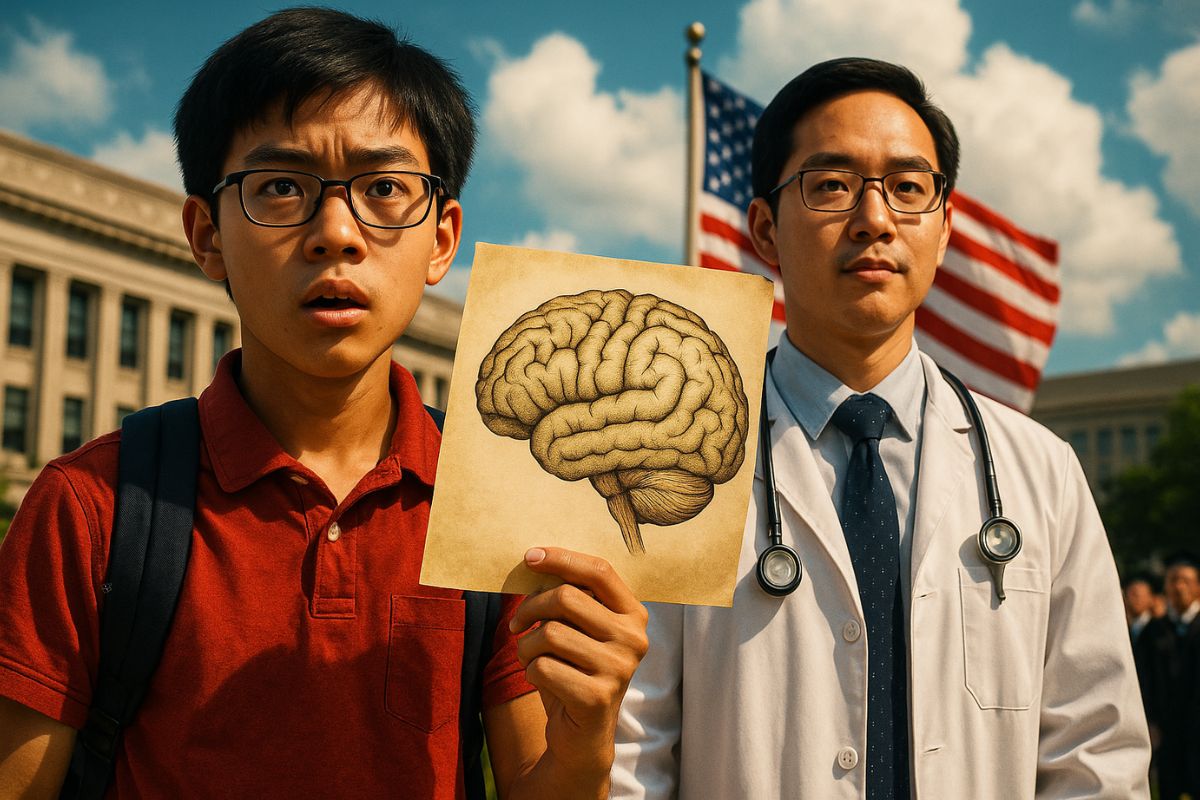
The Story of the Gifted Boy Who Entered College at 9, Graduated MD at 21, and Became a Reference in Pediatric Neurology
The gifted boy Sho Yano turned precocity into a scientific career. Born in 1990, he entered university at age 9, began studying medicine at 12, and graduated as a physician at 21. With an IQ estimated at around 200, higher than that of Albert Einstein according to reports at the time, his path became a case study on talent education and academic acceleration.
Sho’s gifted boy journey was not only filled with applause. The early achievement drew criticism, isolation, and the need to prove maturity in competitive environments. By choosing to appear in the media, he sought to pave the way for other children with high abilities, without romanticizing the real dilemmas that accompany giftedness.
Who Is Sho Yano and Why His Story Matters
Sho Timothy Yano’s biography brings together multicultural origins and family support focused on education.
-
Brazil becomes a beacon of hope for ending plastic waste by leading a global plan that could prevent millions of tons from entering the oceans.

-
The low-cost solution called PatchPal, invented in South Africa to fix potholes in minutes, does not crack and prevents water from entering, becoming more compact with each car that drives over it, revolutionizing road repairs that governments have forgotten.

-
The 2nd safest city in Brazil is attracting new residents, industries, formal jobs, and also has a giant free park.

-
“Brazilian California”: the city is one of the best places to live in Brazil.


Son of a South Korean mother and a Japanese father, he showed exceptional signs early on, reading at a very young age, writing in preschool, and composing music at age 5, in addition to playing the piano skillfully.
The public impact came when the boy, then 9 years old, entered Loyola University Chicago.
A few years later, at age 12, he was accepted into the University of Chicago’s medical school.
The case reignited debates about how school systems should respond to outlier students, without falling into the extremes of overprotection or excessive pressure.
Accelerated Academic Trajectory and Career Milestones
The acceleration was continuous. Yano graduated with honors, progressed to a combined MD PhD program, and defended his doctoral thesis in molecular genetics and cellular biology at age 18.
At 21, he earned his medical degree, an unprecedented achievement at his institution.
In practice, this meant a teenager’s life spent in laboratories and libraries.
There were allegations of prejudiced comments from peers and underestimation due to his age, yet he maintained focus on research and clinical work.
The stated goal was always to serve medicine responsibly, demonstrating that precocity can go hand in hand with professional maturity.
What Explains Giftedness and How It Is Nurtured
The literature on high abilities points to an interaction of factors.
In Yano’s case, there are rare cognitive ability, a family environment that stimulated curiosity, and access to flexible educational pathways.
This combination enabled grade skipping and a customized curriculum.
None of this eliminates challenges. Giftedness is not synonymous with emotional ease, and accelerating without support often comes at a high price.
What distinguishes sustainable trajectories is the presence of mentors, psychological support when needed, and realistic goals aligned with socio-emotional age, not just intellectual capacity.
Pediatric Neurology and Clinical Calling
After completing his MD, Yano pursued residency in pediatric neurology, an area dealing with genetic syndromes and neurodevelopmental disorders.
This choice connects his laboratory training to complex cases that require a look at genetics, metabolism, and behavior, translating cutting-edge science into direct patient care.
The hospital career includes academic involvement and teaching.
In university settings, physician-scientists serve as a bridge between bench and bedside, a role in which precocity only matters if accompanied by method, ethics, and teamwork.
This was the path he described as his central purpose.
Myths and Truths About IQ, Precocity, and “Geniuses”
The IQ number draws attention, but high IQ does not guarantee success by itself. Without routine, feedback, and resilience, talents can be lost.
It is also false that prodigies “know everything.” They usually know a lot about very few subjects and need broad education to avoid being technically brilliant yet humanly fragile.
Another myth is that acceleration is always the best solution. For many, curricular enrichment without skipping steps works better.
For others, acceleration is crucial to avoid demotivation. The key is individualized assessment, something Yano’s journey helps illustrate with concrete cases.
The Role of Family, School, and University
The Yano family provided support, but Sho himself reports that the decisions to advance were his, and that public exposure had an educational purpose: to reduce the stigma surrounding giftedness.
This is a lesson for families that confuse parents’ dreams with the child’s plan. The student needs a voice in the matter.
Schools and universities, in turn, benefit when they adopt clear policies for acceleration, mentoring, and bullying prevention.
The educational message emerging from this case is simple yet powerful. Flexibility with responsibility produces better results than forcing unique models for extraordinary profiles.
Why the Story Remains Relevant
The trajectory of the gifted boy has become a reference because it touches on three sensitive fronts: education, science, and health.
It shows that precocity can generate real impact if it comes with structure, and that countries need pathways for talent without compromising social protection and ethics.
It is also a reminder that fame does not sustain a career. What sustains is scientific evidence, patient care, and ongoing learning.
By choosing a discreet profile focused on medical practice, Yano signals what the real stage is that truly matters: the real world, where knowledge improves destinies.
The story of the gifted boy inspires and provokes. In your opinion, does accelerating the education of children with high abilities help or create risks that schools cannot manage? Should hospitals and universities have mandatory protocols for prodigious students, or should the approach be case by case? Share in the comments what you have seen in practice. We want to hear from families, teachers, and healthcare professionals who have experienced this reality.







Seja o primeiro a reagir!