





 Portuguese
  English
  Spanish
 4 min of reading
  0 comments


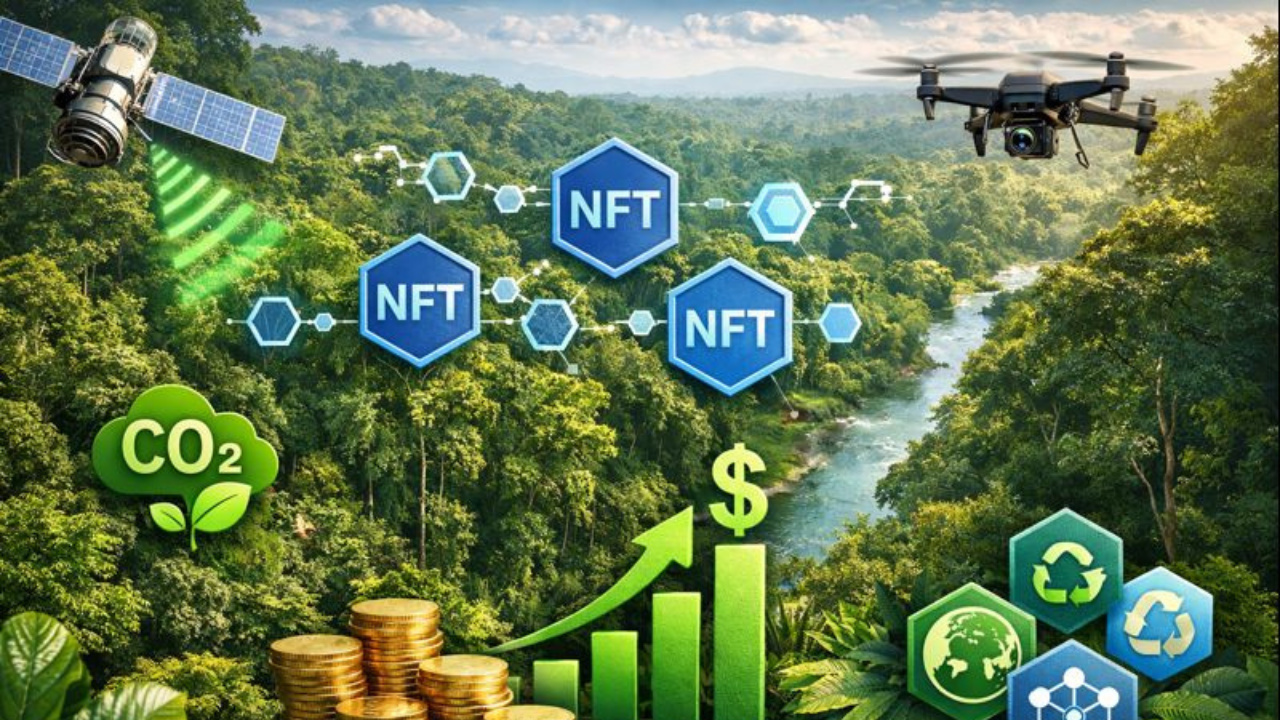
Initiative Uses Environmental Technology and Carbon Credits to Create a Sustainable Forest Economy in the Amazon.
A private project created by Brazilian and Italian entrepreneurs is transforming 3,000 hectares of the Amazon into a sustainable economic asset by combining environmental technology, carbon credits, and financial governance in the voluntary carbon market.
Conceived by Italian economist Fabio Ongaro, CEO of Energy Group Brazil, the venture was born between 2021 and 2022, took shape in the Amazonas region, and is now generating real contracts with logistics companies.
The initiative focuses on precise measurement, international certification, and digital traceability to prove that sustainable forest economy can be viable, scalable, and financially attractive.
-
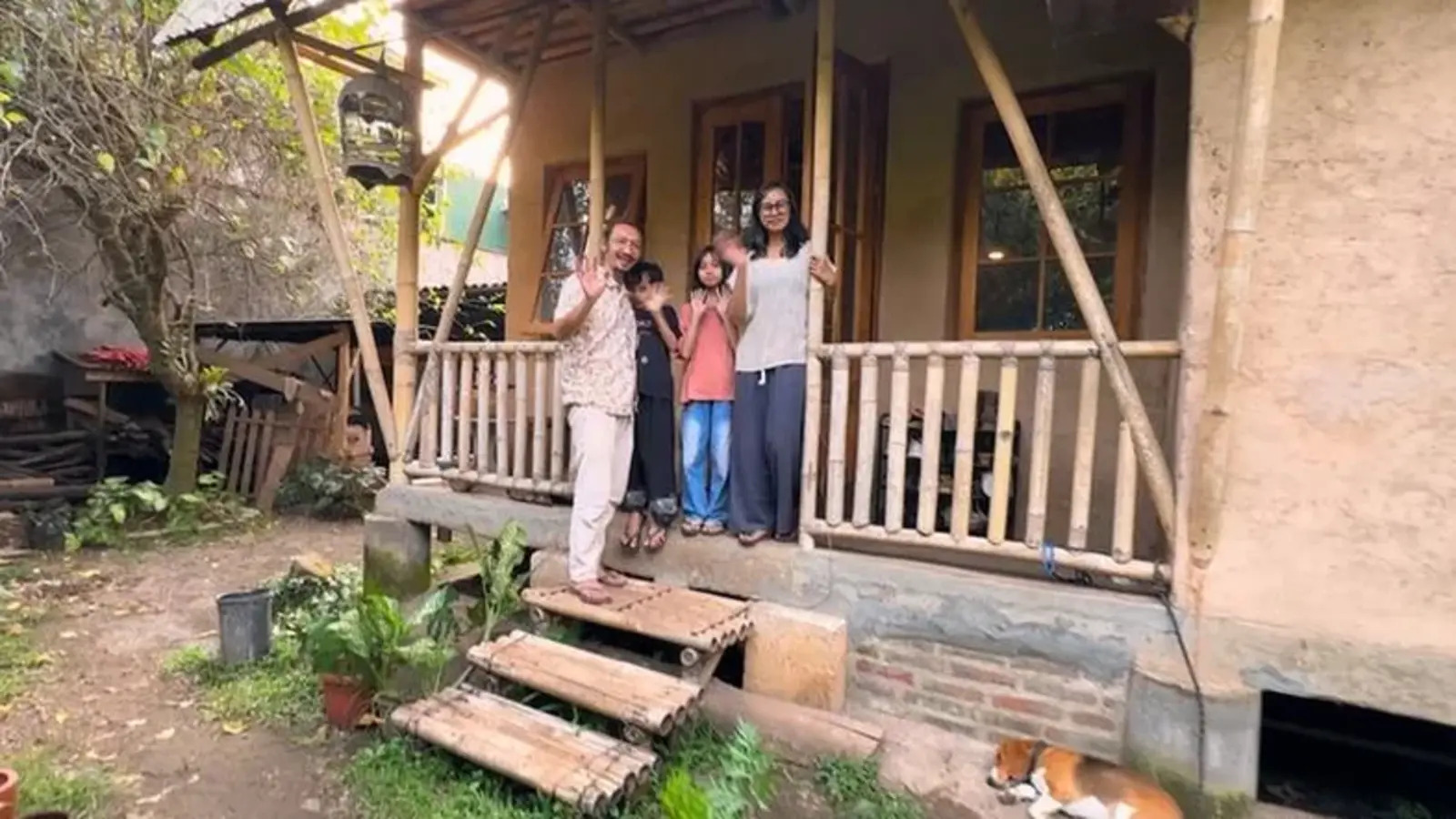
With earth, bamboo, straw, and lime mortar, a specialist builds a house for just over $460 and draws attention for its cost being much lower than traditional construction.
-
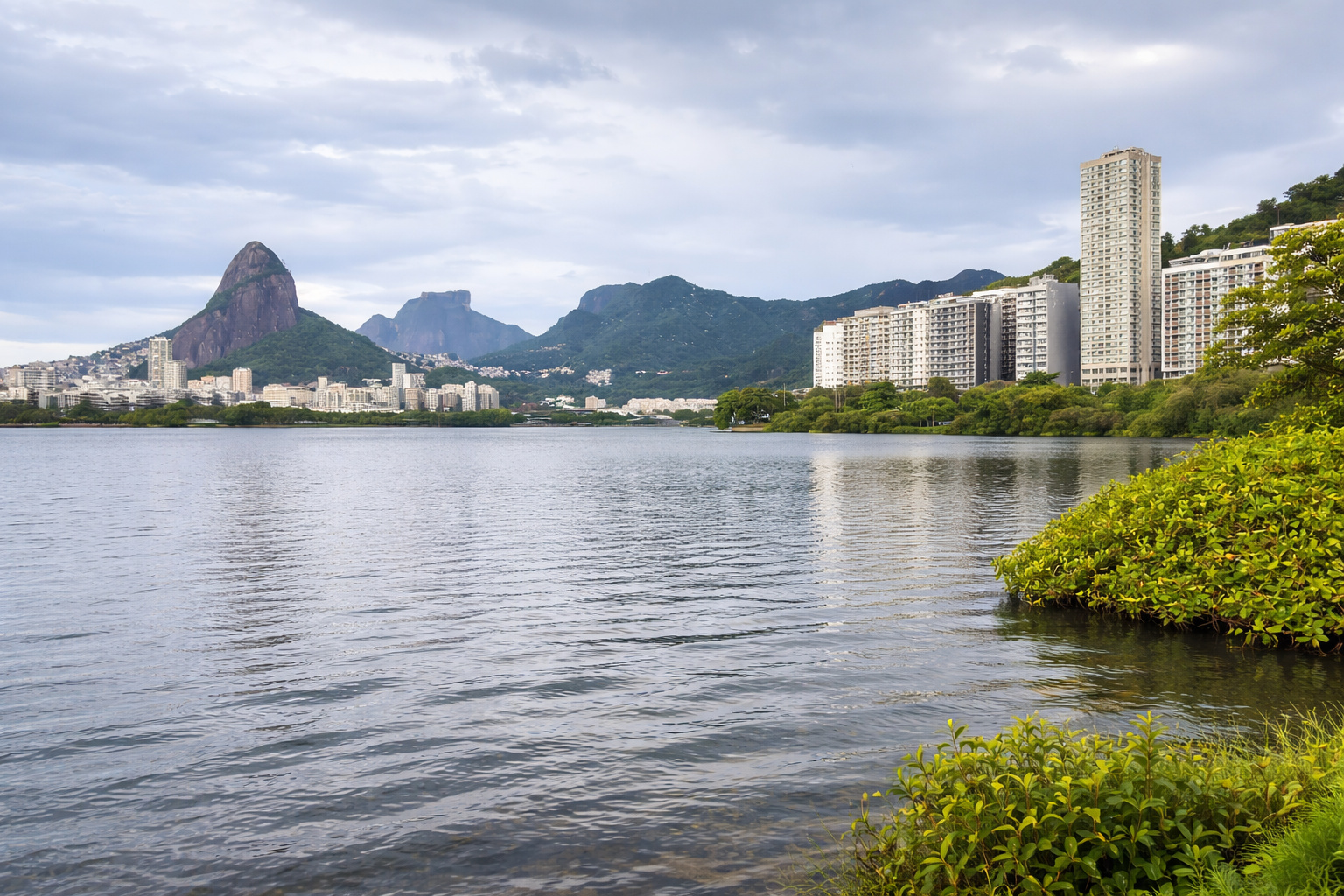
Rodrigo de Freitas Lagoon advances in environmental recovery with sanitation, elimination of irregular sewage, and the resumption of water sports in Rio de Janeiro.
-
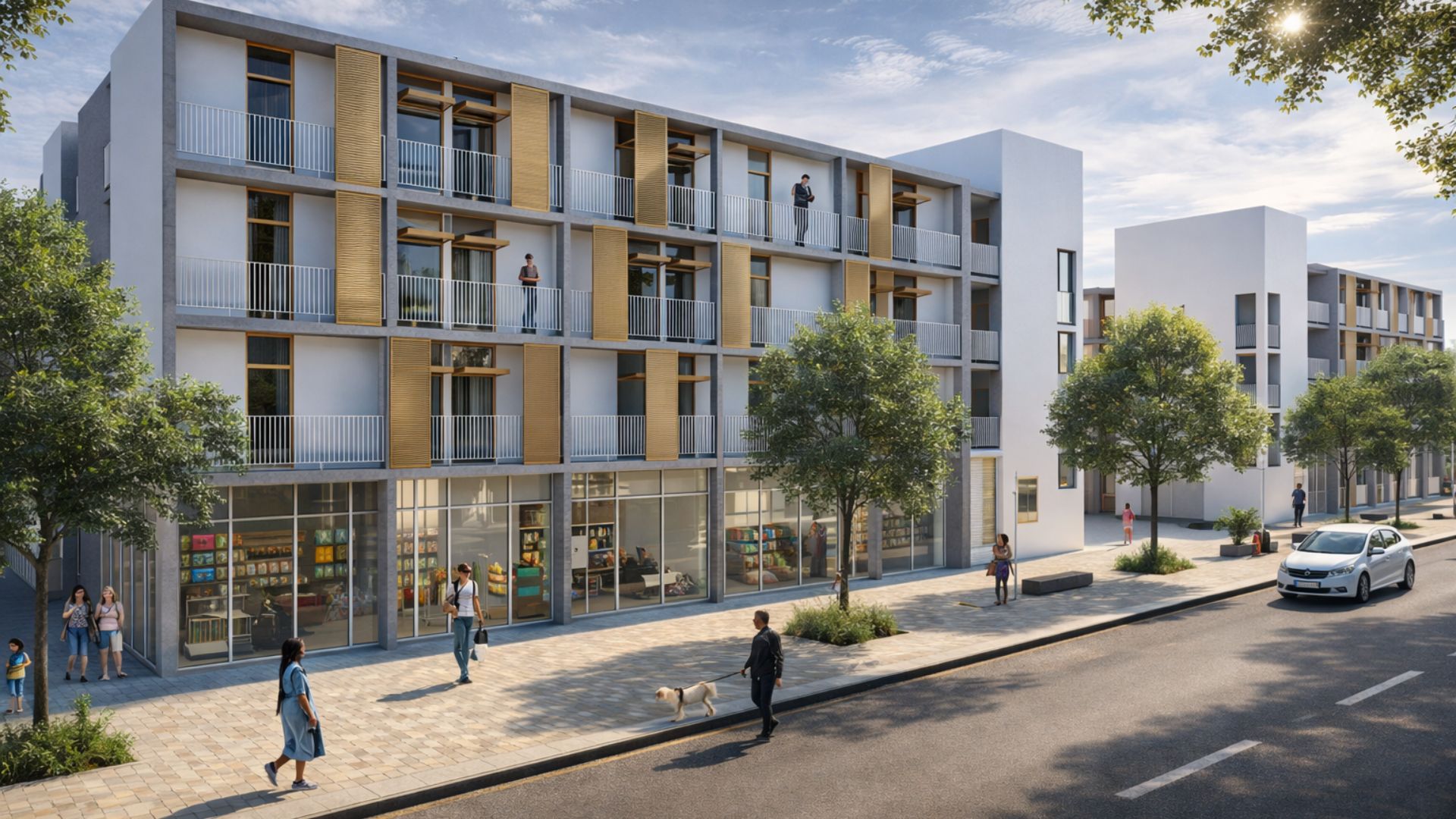
Sustainable housing gains strength with a nationally awarded project in Campo Grande, highlighting innovative solutions that combine sustainability, urban integration, and efficiency in the use of natural resources.
-
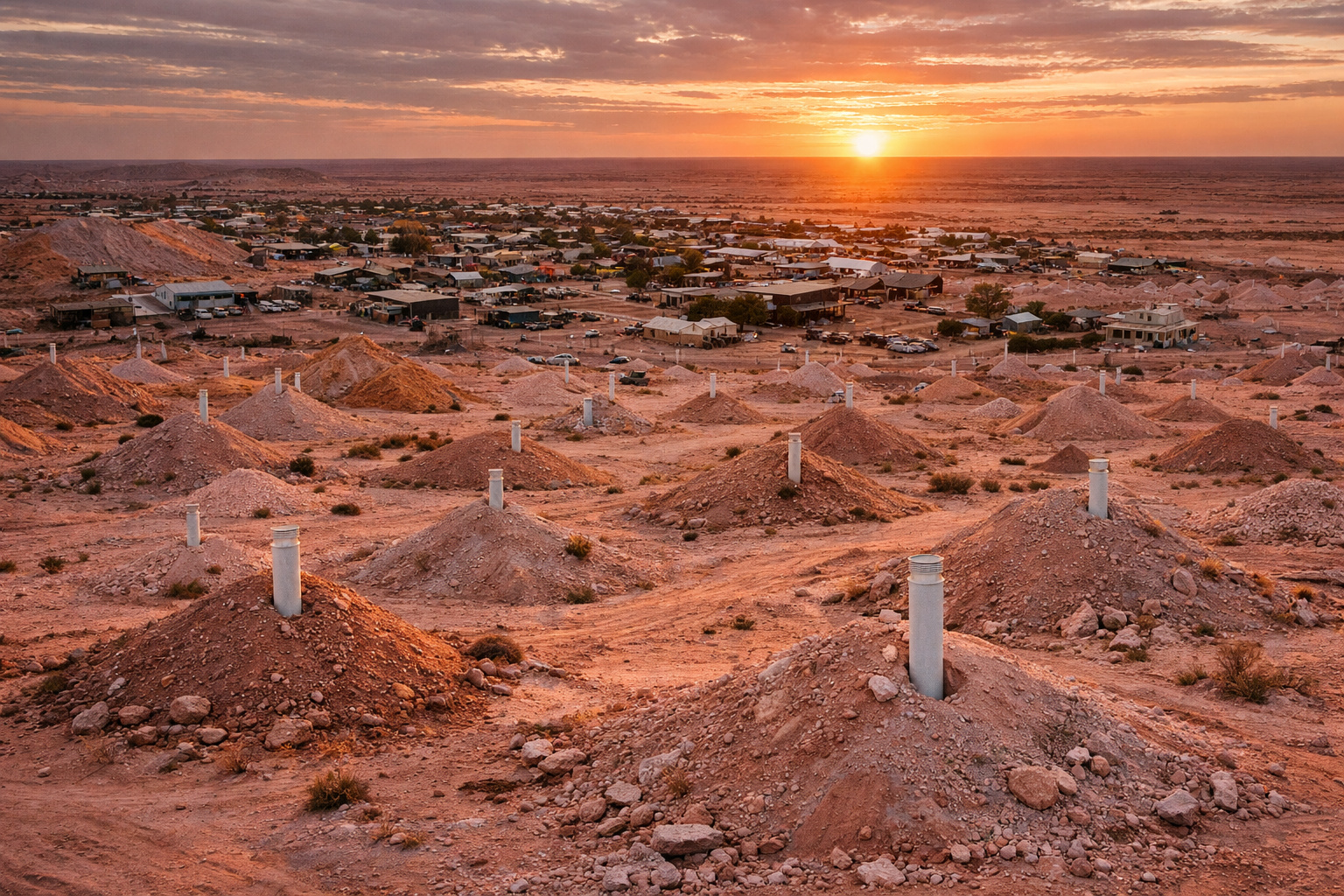
City Where Residents Live Underground to Escape 52°C May Be a Picture of the Future on an Increasingly Hot Planet
Amazon at the Center of a New Economic Model
The Amazon, the largest tropical forest on the planet, occupies a strategic position in this model.
With around 700 million hectares distributed across nine countries, the biome contains approximately 60% of its area in Brazil, equivalent to 421 million hectares.
Nevertheless, the advance of deforestation remains a structural challenge. Between 1985 and 2024, the country lost about 52 million hectares of native vegetation, according to data from MapBiomas. Although recent numbers indicate a decrease, such as the 11.08% reduction in deforestation between August 2024 and July 2025, according to Inpe, the scenario requires solutions beyond environmental discourse.
It is precisely in this context that the project is situated, proposing an economic path to keep the forest standing.
From a Phone Call to the Creation of Amazon Tree
The origin of the venture dates back to an international phone call. While on vacation in Europe, Fabio Ongaro received a call from Italian electrical engineer Rosário Zaccaria, a long-time friend.
Inspired by a family conversation, Zaccaria asked if there was a practical way to contribute to the preservation of the Amazon.
“At that time, I was on vacation in northern Italy. I was on a small balcony overlooking the snow, that wonderful bucolic view, and my partner was also on vacation in Lisbon, sitting on his beautiful balcony, which faced the Tagus River,” Ongaro recalls.
The answer came with pragmatism. “The idea would be to buy a little land and leave it there. That already helps preserve the forest.
And it can be done on a smaller scale,” he told his friend, emphasizing the need for something simple, executable, and financially sustainable.
Environmental Technology Applied to Preservation
The project took shape with the creation of Amazon Tree, a company founded by Ongaro, Zaccaria, and Brazilian production engineer Jhonathan Santos.
With their own resources, the trio acquired two rural properties in Rio Preto da Eva, a municipality located about 80 kilometers from Manaus.
The initial investment, estimated at around R$ 5 million, included land purchase, digital platform development, certifications, and legal structure.
The central proposal is clear: the land is not sold. What is commercialized is the environmental preservation service.
To this end, the forest is digitally divided into parcels of 256 square meters.
Each generates an NFT, or Non-Fungible Token, which acts as a digital preservation certificate registered on the blockchain. This environmental technology prevents the duplication of credits and ensures total traceability.
Carbon Credits with Measurement and Certification
Monetization occurs in the carbon market, more specifically in the voluntary segment.
The calculation of CO₂ sequestration potential uses satellite images, estimates of forest biomass, tree density, and height.
The entire process has been audited and certified by Bureau Veritas, a global reference in ESG criteria. According to Ongaro, this certification was crucial for opening international negotiations.
Currently, each lot is priced at around US$ 25.
If the entire monitored area is sold in one year, revenue could reach US$ 1.5 million, equivalent to R$ 7.5 million.
First Contracts and Validation of the Model
Even before a broad commercial expansion, the project has already advanced in negotiations with international companies in the transport and logistics sectors.
Then a Swiss association linked to air transport expressed interest in absorbing the entire available area.
The first operation, however, was closed with the São Paulo company Action Cargo, specialized in air, sea, and road logistics.
The contract served as concrete proof of the model’s viability.
“The market is not lacking in environmental discourse but in trust.
When you show method, certification, and transparency, the purchasing decision ceases to be ideological and becomes economic,” Ongaro asserts.
Sustainable Forest Economy and Critical View
Although directly involved with carbon credits, the founder maintains a cautious view of the sector. For him, emission neutralization does not solely resolve the climate crisis.
“The real answer is to reduce emissions. Credit is a transitional tool, not an end in itself,” he states.
Still, he sees Brazil as having a rare strategic advantage. “Water, biodiversity, and productive capacity will be the geopolitical assets of the future.
Thus, Brazil could occupy a position comparable to oil in the 1970s, if there is governance and a long-term vision.”
Next Steps of the Project in the Amazon
Among the upcoming moves considered is the possibility of doubling the preserved area by acquiring an additional 3,000 hectares.
Another alternative is to open the platform to other landowners, expanding the reach of sustainable forest economy.
Thus, the final decision will depend on the balance between scale, financial return, and environmental impact. “We are not building a philanthropic project, nor a speculative fund.
So we are testing whether it is possible to make the forest worth more standing than fallen, and everything indicates it is,” Ongaro concludes.










Seja o primeiro a reagir!