





 English
  Francês
  Alemão
  Italiano
  Japonês
  Norueguês
  Portuguese
  Spanish
  4 min of reading


The Natural Gas Market Has a Positive Outlook. Understand Why in the Detailed Assessment by Experts During Rio Energy.
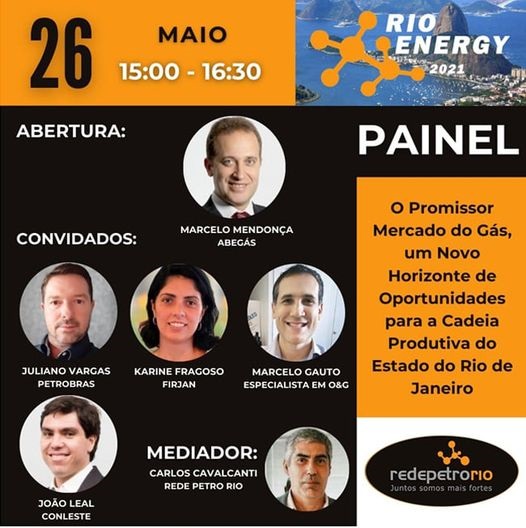
The outlook for the natural gas market was discussed this Wednesday (26), the first day of the Energy 2021 circuit, promoted by the Rede Petro Rio. The meeting, themed “The Promising Gas Market: A New Horizon for the Production Chain of the State of Rio de Janeiro,” took place virtually, featuring important representatives from reference institutions in the local sector and Brazil. Read also about the panel on May 27 here.
The director-president of Rede Petro Rio, Carlos Cavalcanti, mediated the discussions and welcomed the engaged experts.
Next, the director of the Brazilian Association of Gas Distribution Companies, Marcelo Mendonça, advocated for the interiorization of product distribution and shared updated numbers from the industry in Rio de Janeiro:
-
Brazilian giant expands borders in the Southeast: Petrobras confirms new oil discovery in ultra-deep waters in the pre-salt of the Campos Basin.

-
Alert in the global energy market: Severe tropical cyclone hits the coast and disrupts gas production at major plants in Australia, threatening global supply.

-
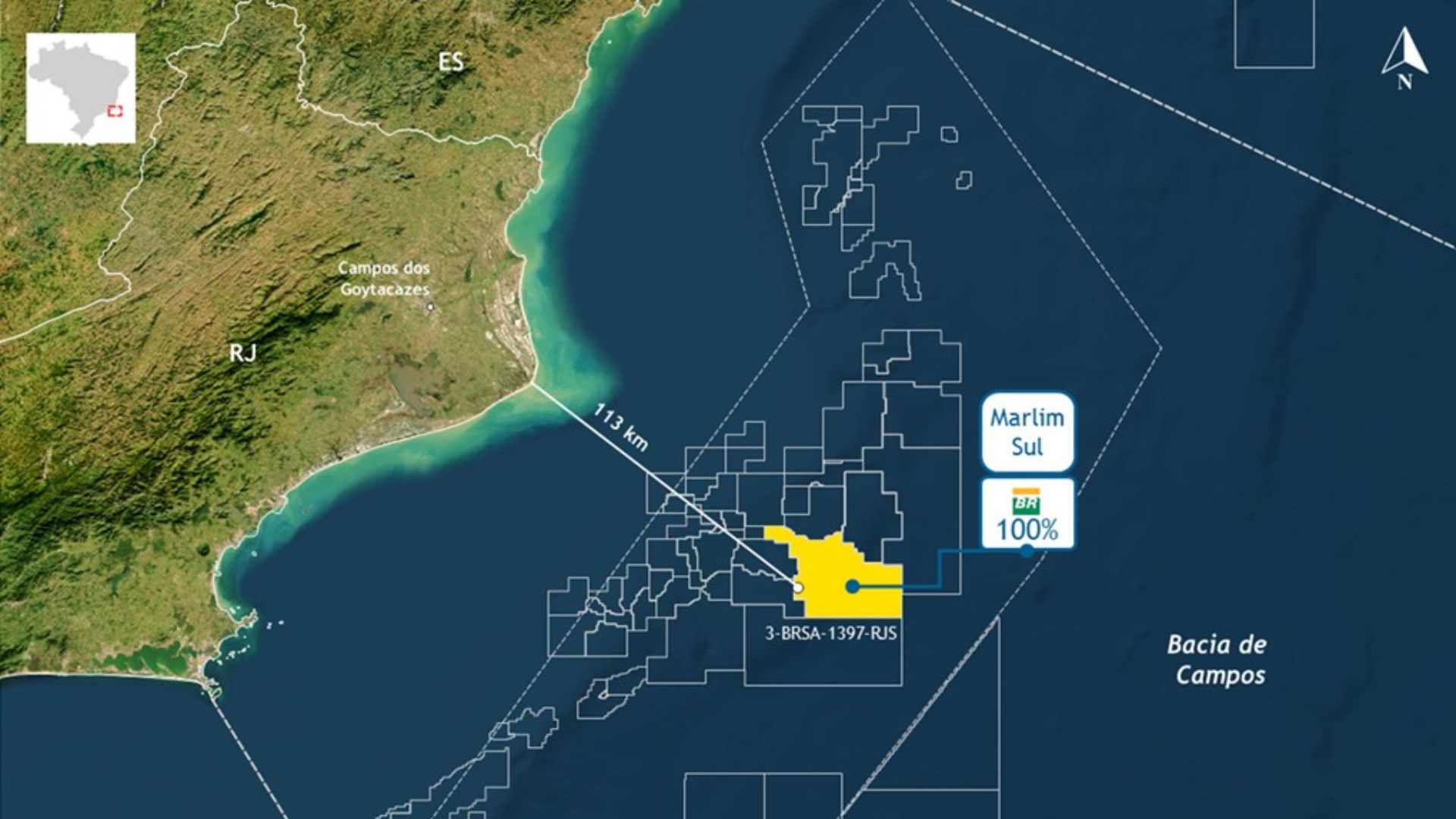
Petrobras finds high-quality oil in the pre-salt at 113 km from RJ and reignites expectations about strategic reserves in the Campos Basin.

-
Ocyan opens registrations for startups focused on innovation in the oil and gas sector and will select projects for Innovation Day with the support of Nexio.

- 80% of the total oil in Brazil and 65.8% of natural gas were produced in March 2021 in Rio de Janeiro
- 510 million reais in royalties were collected by Rio de Janeiro also in March 2021
- In the first quarter of 2021, more than 20 million cubic meters of natural gas were consumed
- More than one million customers served in 43 municipalities in Rio (industries, residences, and businesses)
“The state of Rio de Janeiro could be doing much better if we had policies to encourage greater utilization and infrastructure development, but this scenario can change with the completion of the works on Route Three and the beginning of operations of the UPGN hub at the old Comperj, with a capacity to process 20 million cubic meters per day, which will be a great differential in boosting the supply of natural gas and attracting more investments.”
Marcelo Mendonça
The Relevance of the Gas Market in Rio de Janeiro
The O&G expert Marcelo Gauto also highlighted Rio de Janeiro’s relevance in the natural gas industry and made a rather optimistic forecast for the sector with future pre-salt projects.
“Our total production is 110 million cubic meters of gas and consumption is 80 million per day. In the next ten years, by 2030, it should rise from 110 million to more than double, 230 million. It’s a colossus in natural gas volume.”
Marcelo Gauto
Articulation and Regulation Sectors Also See a Promising Future for the Sector
Rede Petro Rio, the organizer of Rio Energy, operates between the supply and demand of products and services in gas, oil, energy, and metal mechanics, facilitating business and sustainable development for associated companies.
With this focus on commercial, technological, legal, managerial, human resources, social, economic, and financial aspects, management sectors of the gas and oil market were also invited to the event.
The oil and gas manager at the Federation of Industries of the State of Rio de Janeiro (Firjan), Karine Fragoso, emphasized the importance that oil has brought to human development and believes that natural gas offers even more possibilities.
“Gas also has several usage possibilities that we haven’t explored yet. We see a series of movements to utilize it for the reindustrialization of Rio de Janeiro and for fine chemistry. It cannot be only dedicated to CNG. It needs to serve as inputs for new industries.”
Karine Fragoso
João Leal, general director of the Intermunicipal Consortium for Development of Leste Fluminense (Conleste), believes that, among other regulatory instruments, the Law 14.134 of 2021, known as the Gas Regulatory Framework, favors the sector’s scenario.
“Our region (East Rio) is so depressed after the downfall of Comperj, but it is reborn with great strength and this new role of gas entering our region.”
João Leal
Gas Market in the Effective Rebirth of Comperj
Currently, according to João Leal, there is already an area of more than 11 square kilometers licensed within the premises of the old Comperj for the industrialization of the natural gas market.
The eastern region of Rio is cut by the metropolitan arc. The road and BR 493 can provide the flow of products and co-products from the gas industry to the port of Itaguaí.
Read also:
- If Lula is elected in 2022, could the Petrobras Comperj refinery project be resumed and affect fuel prices?
- Kerui Método and Petrobras reach agreement to fully resume Comperj works, generating many job openings in Itaboraí.
Petrobras: How to Maximize Gas Opportunities?
The regulation process of industries is one of the main pillars for the consolidation of the gas market in Rio and throughout Brazil.
The manager of contracting strategies and business partnerships for Petrobras’s corporate area, Juliano Vargas, presented what is important to know about contracting the gas market industries with the state-owned company. There are four steps:
Obtain all information about the contracting rules at the Supplier Channel
- Stay alert for publication of bids and pre-qualifications
- Pay attention to the details of the opportunities, including proposal submission deadlines
- Obtain the Registration Certificate in advance
The process involves preparation, disclosure, proposals or bids, evaluation of proposals, verification of effectiveness, negotiation, qualification, appeal, and finally approval or annulment.
Numbers
Currently, Petrobras has 113 platforms operating, 13 refineries, four natural gas processing units, and 19 power generation plants.
There are 5.8 billion in annual expenditures, 3,400 suppliers involved, and 1,400 active contracts.
“All Petrobras contracts go through Petronet, to foster the market and facilitate companies’ participation in the bidding process.”
Juliano Vargas
Rio Energy continues this Thursday (27) with the theme “Natural Gas and Energy Transition: New Technologies, Innovation, and Technology.” The event can be followed on YouTube through the Rede Pro Rio channel starting at 3 PM.
Watch the First Panel in Full Below:







Seja o primeiro a reagir!