





 Portuguese
  English
  Spanish
 4 min of reading
  0 comments


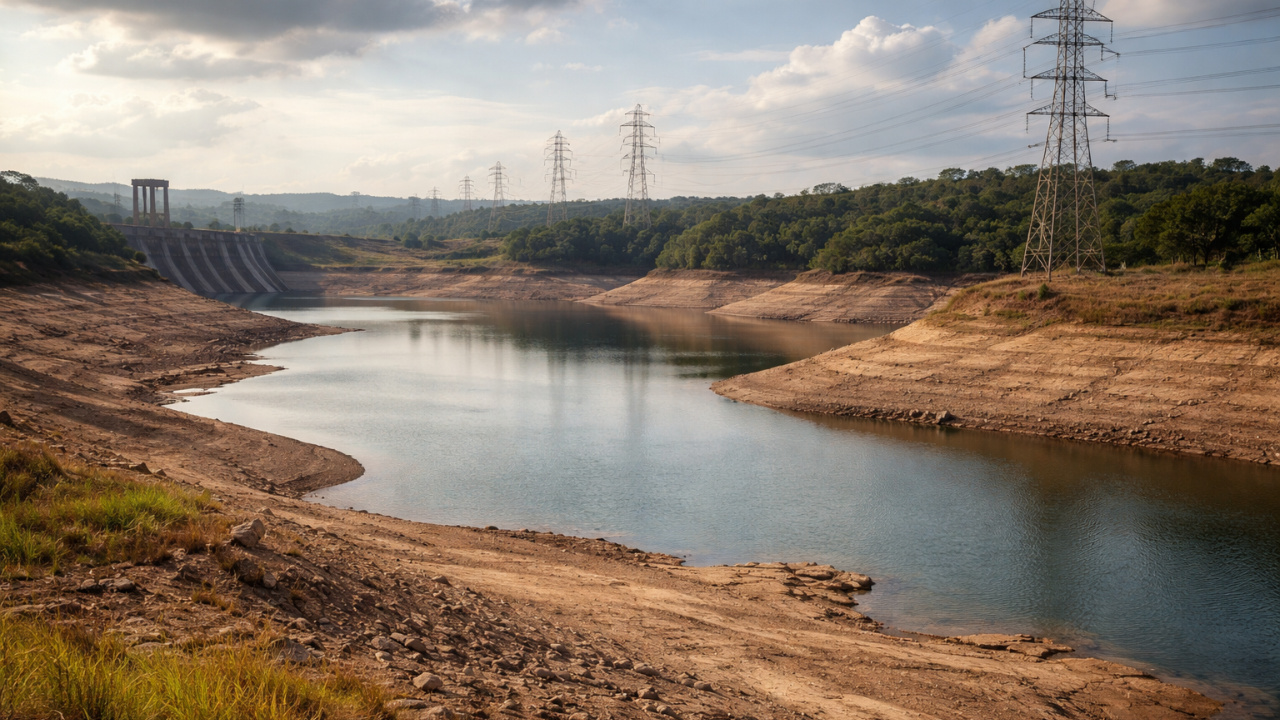
Late Rains Do Not Reduce Energy Prices in the Free Market, Keep Thermal Power Plants Active, and Increase PLD Brazil.
The recovery of reservoir rains in early February was not enough to reduce the energy price in the free market, according to experts in the electric sector.
The scenario occurs after months of low precipitation in December and January, which limited the replenishment of water levels in Brazil.
As a result, the system had to activate thermal power plants, which are more expensive, increasing the PLD Brazil and raising short- and mid-term contracts.
-
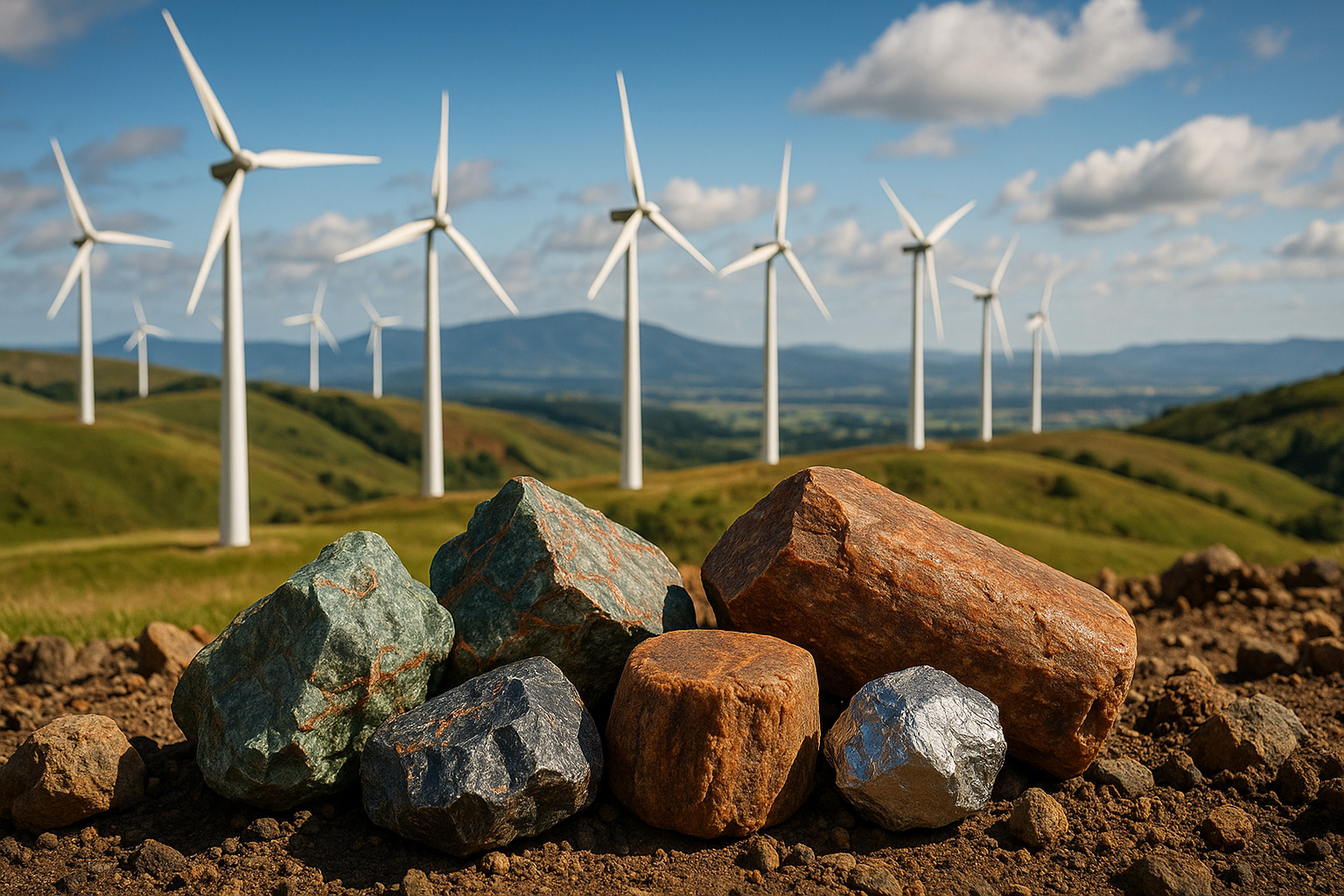
The Brazilian state accelerates industrial competitiveness with a focus on the extraction of strategic minerals to boost the energy transition in Goiás.
-
A Canadian retiree creates a hydroelectric system on a real river, generating energy continuously throughout the day and demonstrating how the power of water can supply a house with stability even in a simple structure.

-
Petrobras reaffirms its commitment to the market and ensures that it will carry out the energy transition safely to maintain national sovereignty.

-
Researchers discover a possible hydrogen deposit of up to 46 million tons beneath an ancient coal basin, and the volume could exceed half of the entire global production.


The impact is already affecting consumers and companies assessing migration to the free contracting environment.
According to market agents, the expectation was that the recent rains would alleviate costs.
However, the volume arrived late and has yet to replenish the reservoirs to comfortable levels.
Thus, the cost of generation remains under pressure.
Late Rains Keep High Cost in the Free Market
The president of CMU Energy Trading, Walter Fróes, states that there has only been a partial improvement in water levels.
“Prices are very high. This is practically making new migrations to the free market unfeasible,” he says.
According to him, the average increase in reservoirs was about 5% before Carnival.
Still, the index is insufficient to reduce the dispatch of thermal power plants, which raise the energy price.
Fróes emphasizes that February is decisive for annual tariff formation. “February is crucial in defining the prices practiced in the year.
It is the month that historically sees the most rainfall.
So, with ten days left until it ends, let’s see what happens,” he states.
PLD Brazil Rises and Expensive Contracts
The lack of reservoir rains at the end of 2025 raised the PLD Brazil, an indicator that references the price in the short-term market.
This index is calculated based on the supply and demand for energy, in addition to climatic and hydrological factors.
The superintendent of Planning at Cemig’s Trading division, Marcus Vinícius Lobato, explains that the increase in PLD directly impacted bilateral contracts.
“The rains have helped maintain this stability, but currently, they are not enough to allow for a significant reduction, given that they occurred late.
For now, the expectation is to maintain prices at higher levels,” he assesses.
By the end of 2025, contracts for delivery in 2026 were around R$ 250/MWh.
Currently, they are close to R$ 350/MWh, reflecting the higher cost of generation.
Free Market Loses Attractiveness in the Short Term
With the energy price being high, companies that planned to migrate to the free market have postponed decisions.
This is because the main attraction of this environment is the possibility of negotiating more competitive tariffs, which diminishes when costs rise.
According to Lobato, consumers who did not fix contracts in advance are facing increased expenses.
“This increase reduces the attractiveness for joining the free market at this time, for deliveries in 2026, causing some clients to prefer to wait a bit,” he states.
On the other hand, long-term contracts continue to see structural decline.
Projections indicate values close to R$ 200/MWh for delivery in 2030, maintaining strategic interest in the model.
Renewables and Distributed Generation Create New Paradox
Despite the high cost in the short term, the advancement of renewable sources has changed the dynamics of the sector.
The expansion of distributed generation, driven by the drop in solar panel prices, has increased the energy supply at certain times.
In Fróes’ view, this creates a paradoxical effect in the system.
“At a moment like this when generation is high, with sun shining every day, they end up having to shut down 90% of production to avoid excess energy supply. Because production must equal consumption. It’s a paradox. If it’s below, it falls; if it’s above, it also falls,” he states.
That is, even with greater installed capacity, the balance between production and consumption remains crucial for setting the energy price.
What to Expect from Energy Prices in the Coming Months
The trend, according to analysts, is to maintain elevated values in the short term.
This occurs because the replenishment of reservoirs depends on consistent and continuous rains, not just isolated events.
Meanwhile, the dispatch of thermal power plants is expected to remain necessary to ensure system safety.
This factor keeps the PLD Brazil at higher levels and limits tariff reductions in the free market.
If the wet period intensifies by the end of the season, there may be a gradual relief in prices.
However, in the current scenario, consumers should prepare for higher energy costs throughout 2026.
See more at: Lack of Rain Raises Energy Prices in the Free Market










-

Uma pessoa reagiu a isso.