





 Portuguese
  English
  Spanish
  4 min of reading
  0 comments


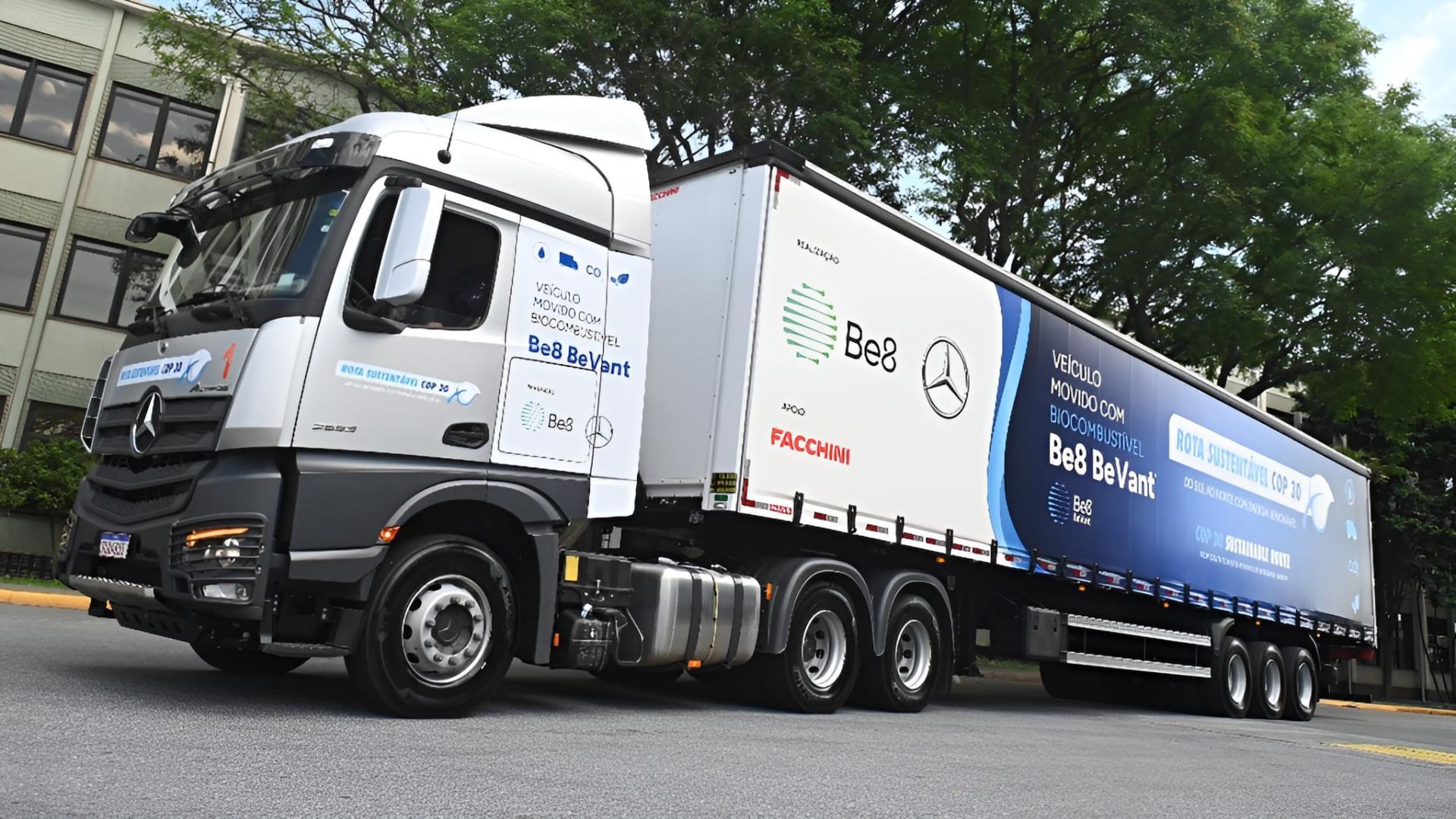
In Tests In Brazil, Mercedes-Benz And Be8 Highlight The Potential Of 100% Biofuel Vehicles, Showing Efficient Performance And Significant Reduction In Emissions Compared To The B15 Blend
Tests carried out by Mercedes-Benz and Be8 confirmed that vehicles powered by 100% biofuel can emit up to 65% less CO₂ compared to those powered by the B15 blend. According to a report released by Agência Eixos this Tuesday (11), the finding represents a significant advancement in the decarbonization of heavy transport in Brazil.
Mercedes-Benz And Be8 Prove The Efficiency Of 100% Biofuel
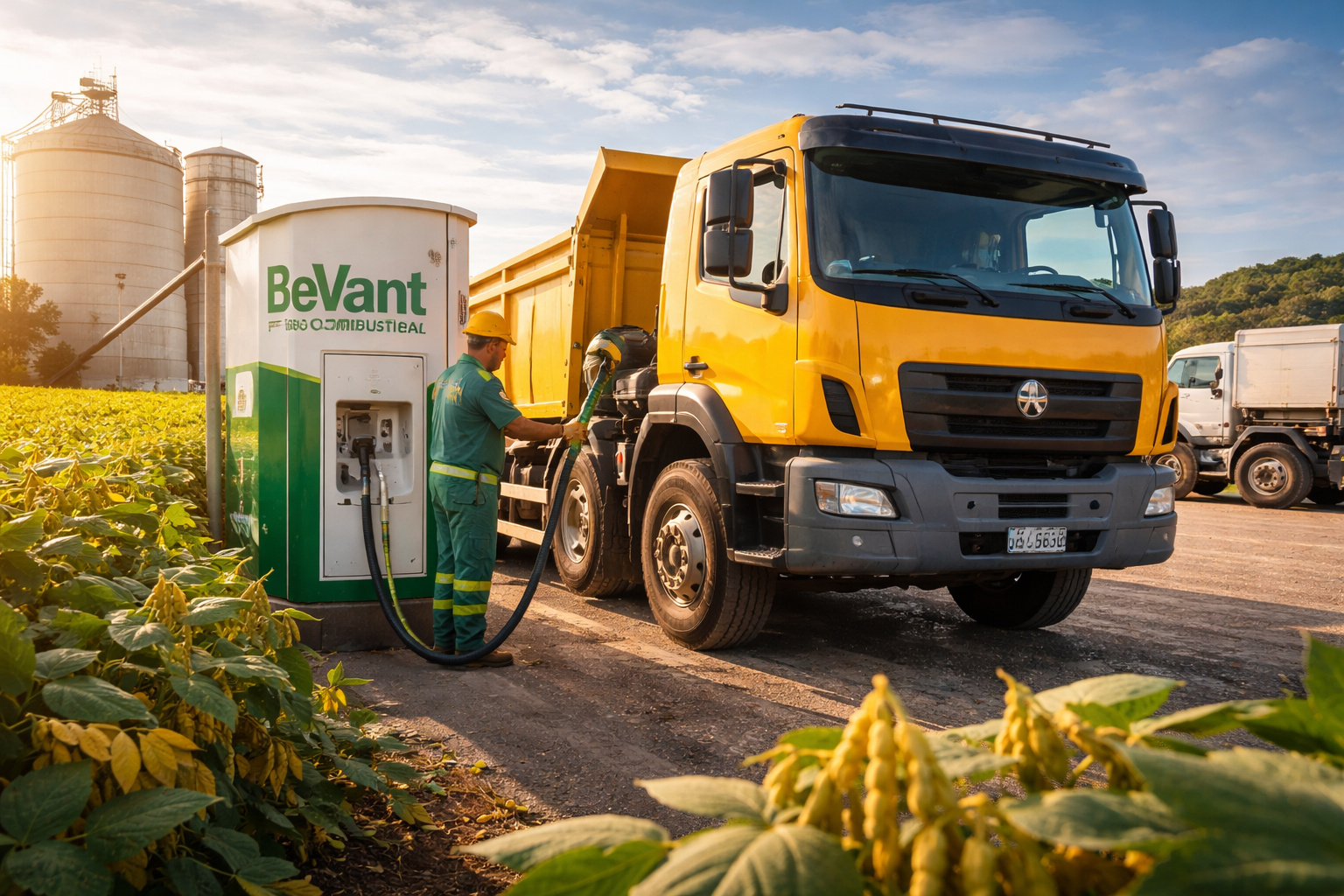
The “Sustainable Route” initiative, led by Mercedes-Benz and Be8, involved two trucks and two buses powered exclusively by BeVant — a 100% biofuel developed by Be8. The vehicles departed from the company’s plant in Passo Fundo (RS) heading to Belém (PA), the venue for COP30.
During the journey of over 3,000 km, the vehicles were monitored in real-time, and the collected data revealed a reduction of up to 65% in carbon dioxide (CO₂) emissions compared to similar vehicles powered by the B15 blend. This result reinforces the potential of biofuel vehicles as a viable solution for sustainable transport.
-
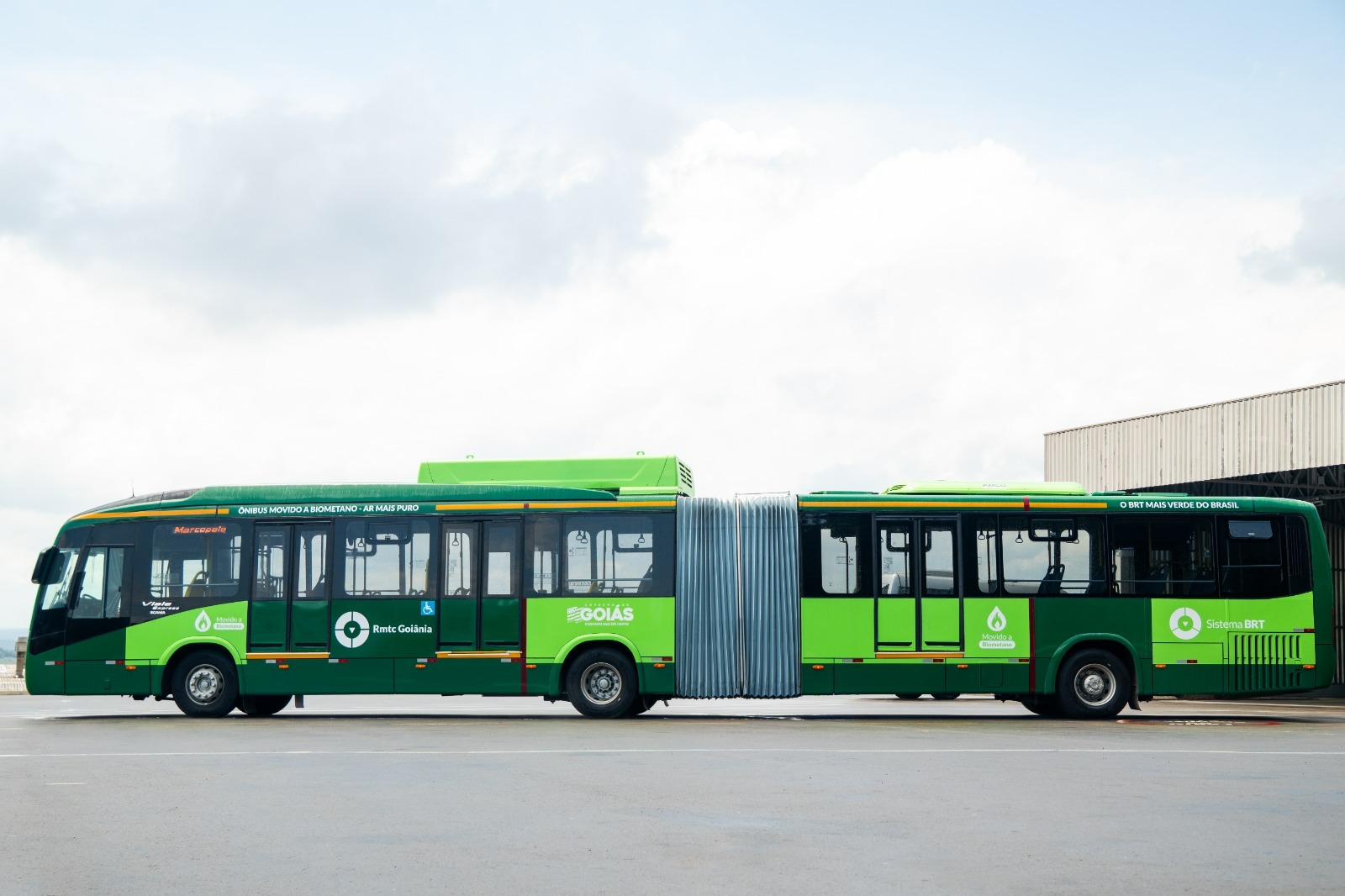
Revolution in public transport: Goiânia puts into circulation the first articulated buses powered by biomethane in Brazil and promises to drastically reduce pollution on the Anhanguera Corridor.
-
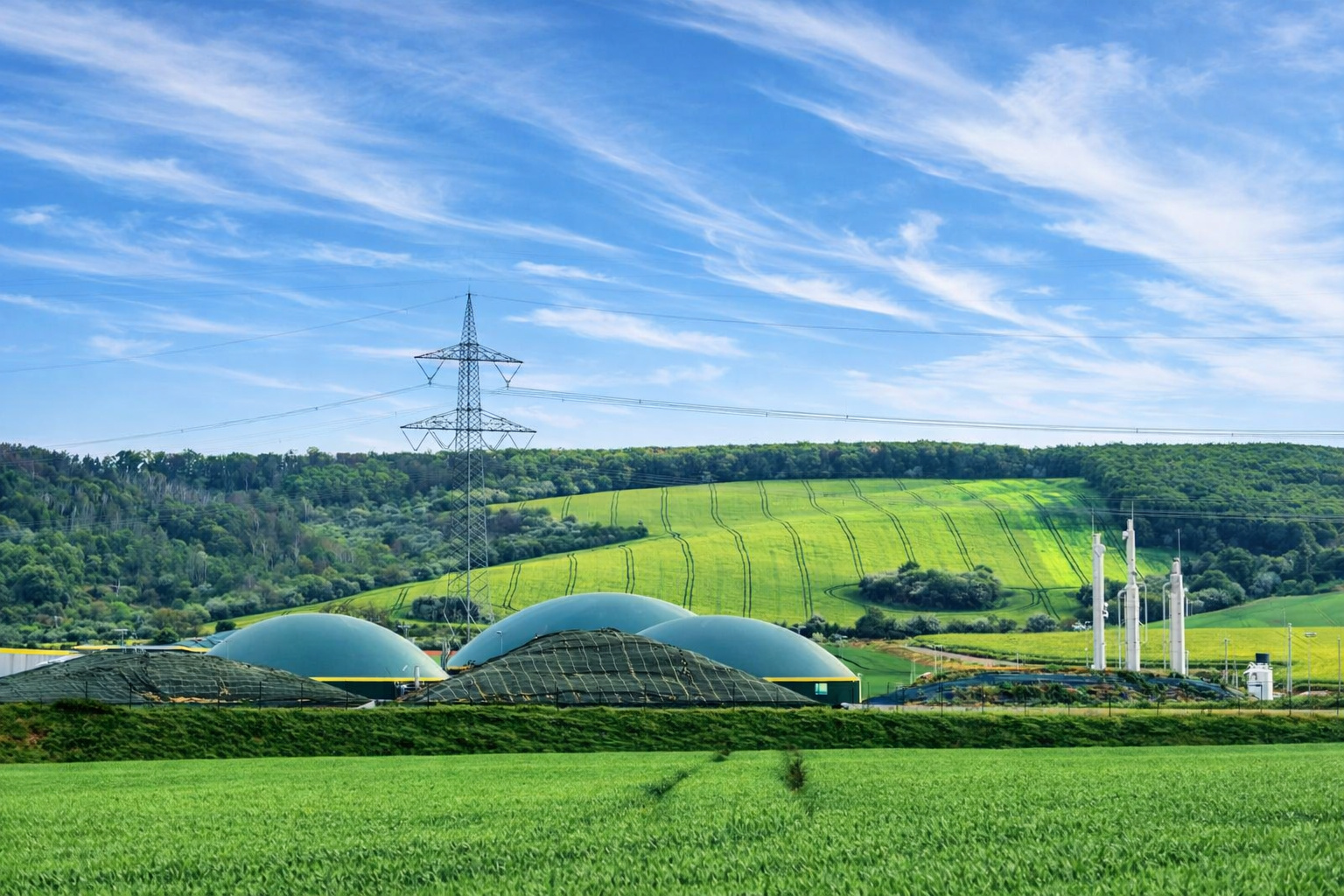
From the field to the pipelines: Mato Grosso do Sul accelerates the energy transition and consolidates a new axis in renewable energy with the arrival of a giant biogas plant.
-
The Economist states that Brazil has a “secret weapon” against expensive oil and highlights how the country can reduce economic impacts even in international scenarios of high volatility.

-
Brazil accelerates decarbonization in the South: International forum in Foz do Iguaçu gathers leaders to discuss the advancement of biomethane in the energy matrix and the potential of “caipira pre-salt.”

Road Tests Reveal Superior Performance
The tests were conducted under real operating conditions, crossing different regions of Brazil. Emissions measurements were made using onboard equipment, ensuring accuracy and reliability of the data. In addition to the significant reduction in CO₂, vehicles powered by 100% biofuel also showed lower emissions of particulate matter and nitrogen oxides (NOx).
No significant performance losses were observed during the tests, demonstrating that the use of 100% biofuel does not compromise the operational efficiency of the vehicles. This finding is essential for commercial fleets that rely on high performance and low maintenance costs.
BeVant: Know The Fuel Used By Mercedes-Benz And Be8
BeVant, the fuel used in the tests, is a premium biodiesel with “drop-in” characteristics, meaning it can entirely replace fossil diesel without the need for adaptations in engines or fueling systems. This technical compatibility is an important differential to accelerate large-scale adoption.
According to Be8, BeVant has a cost about 50% lower than green diesel (HVO) practiced in the international market. This makes 100% biofuel not only environmentally advantageous but also economically competitive, especially for companies operating large fleets.
B15 Blend: Limitations Compared To 100% Biofuel
The B15 blend, composed of 15% biodiesel and 85% mineral diesel, is widely used in Brazil. However, the tests conducted by Mercedes-Benz and Be8 show that this composition does not achieve the climate efficiency levels provided by 100% biofuel.
In addition to emitting more CO₂, the B15 blend maintains partial dependence on oil, exposing the sector to price fluctuations and international market instability. A complete switch to renewable fuels represents a safer and more sustainable solution for the future of mobility.
Biofuel Vehicles And COP30: Brazilian Protagonism
The “Sustainable Route” also had a symbolic and strategic character. The arrival of 100% biofuel vehicles at COP30 in Belém reinforces Brazil’s commitment to energy transition and the decarbonization of transport.
The country, which is already a world leader in biodiesel production, can establish itself as a global reference in sustainable solutions for heavy mobility. The partnership between Mercedes-Benz and Be8 demonstrates how innovation and collaboration can accelerate this process.
Market Acceptance And Expansion Prospects
During the tests, logistics operators, public managers, and transport companies showed interest in adopting BeVant. The possibility of reducing emissions without compromising operational performance is an important attraction for the sector.
Mercedes-Benz and Be8 are already planning new tests and partnerships, aiming to consolidate the use of 100% biofuel across different segments of transport. The expectation is that by 2030, a large part of the national fleet will operate on renewable fuels.
Mercedes-Benz And Be8 Initiative: Infrastructure And Regulatory Challenges
Despite the promising results, there are still challenges to overcome. Expanding the infrastructure for distributing 100% biofuel, specific regulation, and fiscal incentives are crucial points for the scalability of the solution.
Be8 advocates for creating public policies that encourage the production and consumption of advanced biofuels. Meanwhile, Mercedes-Benz emphasizes the importance of clear technical standards that ensure the safety and reliability of vehicles powered by renewable fuels.
In addition to reducing CO₂, the use of 100% biofuel contributes to improved air quality, especially in urban areas. The decrease in pollutants such as NOx and particulate matter has a direct impact on public health, reducing cases of respiratory and cardiovascular diseases.
The production of biofuels also generates jobs and boosts the local economy, especially in agricultural regions. Brazil, with its vast capacity for producing oilseeds, has the potential to become one of the main exporters of renewable fuels.
Path To A Cleaner And More Efficient Mobility
The reduction of up to 65% in CO₂ emissions demonstrated by the tests from Mercedes-Benz and Be8 represents a milestone in sustainable mobility in Brazil. With accessible technology, proven performance, and significant environmental impact, the 100% biofuel presents itself as the most effective alternative to the B15 blend.
In addition to meeting climate goals, this solution strengthens the national industry, generates jobs, and positions Brazil as a leader in the global energy transition. The revolution of biofuel vehicles has already begun — and is accelerating towards a cleaner and more efficient future.





Seja o primeiro a reagir!