





 Portuguese
  English
  Spanish
  4 min of reading
  16 comments


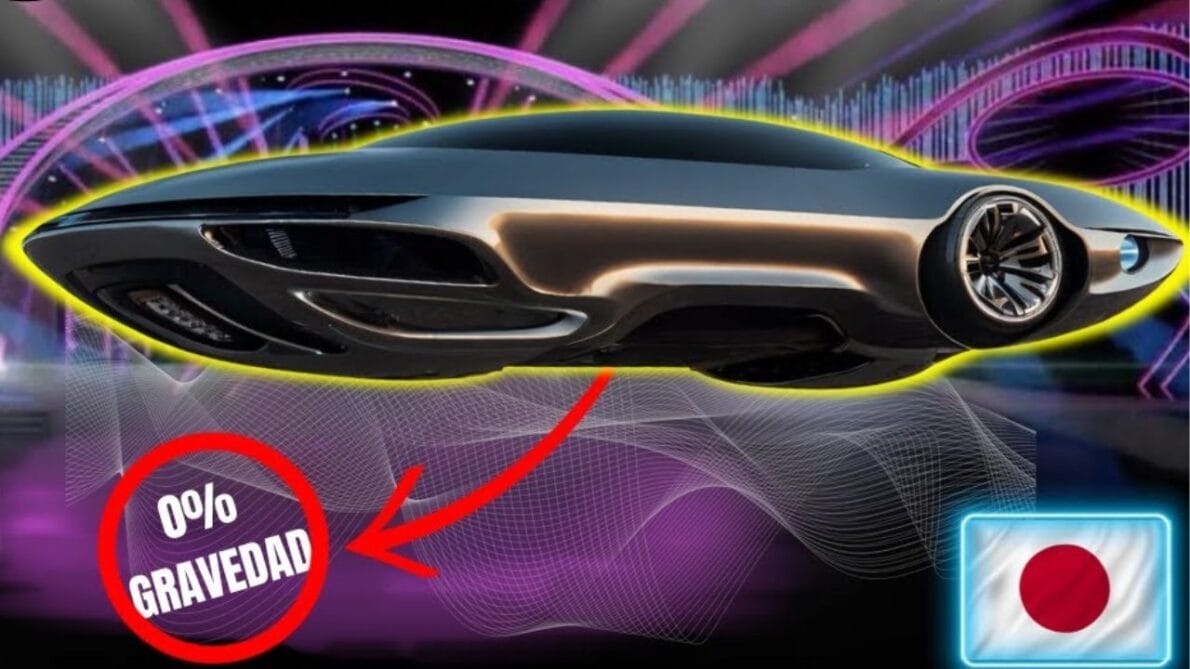

Japan Develops Magnetic Levitation That Could Destroy Current Motors and Batteries
Check this out: Japan is working on the mind of the people by introducing a technology that could completely change the way we move around. Forget everything you know about motors and batteries. The new thing is magnetic levitation.
Mobility, as we know it, is about to undergo an unprecedented revolution. Today, our vehicles depend on motors and batteries to move, always facing the challenge of overcoming friction and gravity. These factors consume a good portion of the energy. But now, Japan has brought an innovative solution that could change everything: magnetic levitation for cars.
Researchers Developed a Track That Allows Magnetic Levitation


A team of researchers from the Quantum Machines Unit at the Okinawa Institute of Science and Technology (OIST) developed a track that allows magnetic levitation without needing a constant external energy source. This advancement promises to eliminate the reliance on batteries and motors in transportation, at least during the movement of vehicles.
-
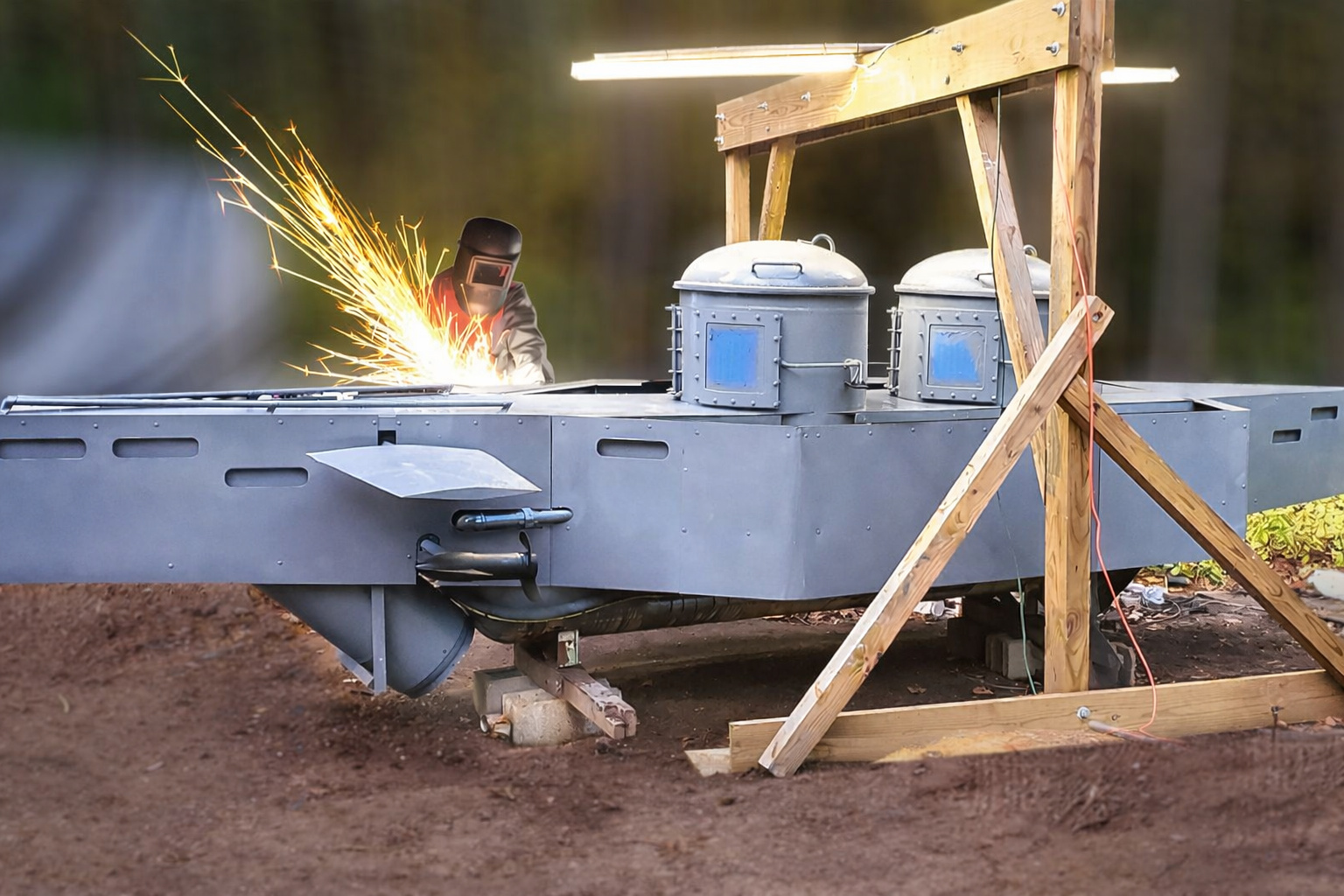
Man builds functional 5-meter submarine in his garage using gas cylinders, PVC pipes, and a refrigerator motor, and navigates with the vessel on a lake in Colombia.
-
Millions of people have been eating yam for centuries without knowing that this humble tuber contains a compound called diosgenin, which scientists have now discovered can improve memory and help control blood sugar levels.

-
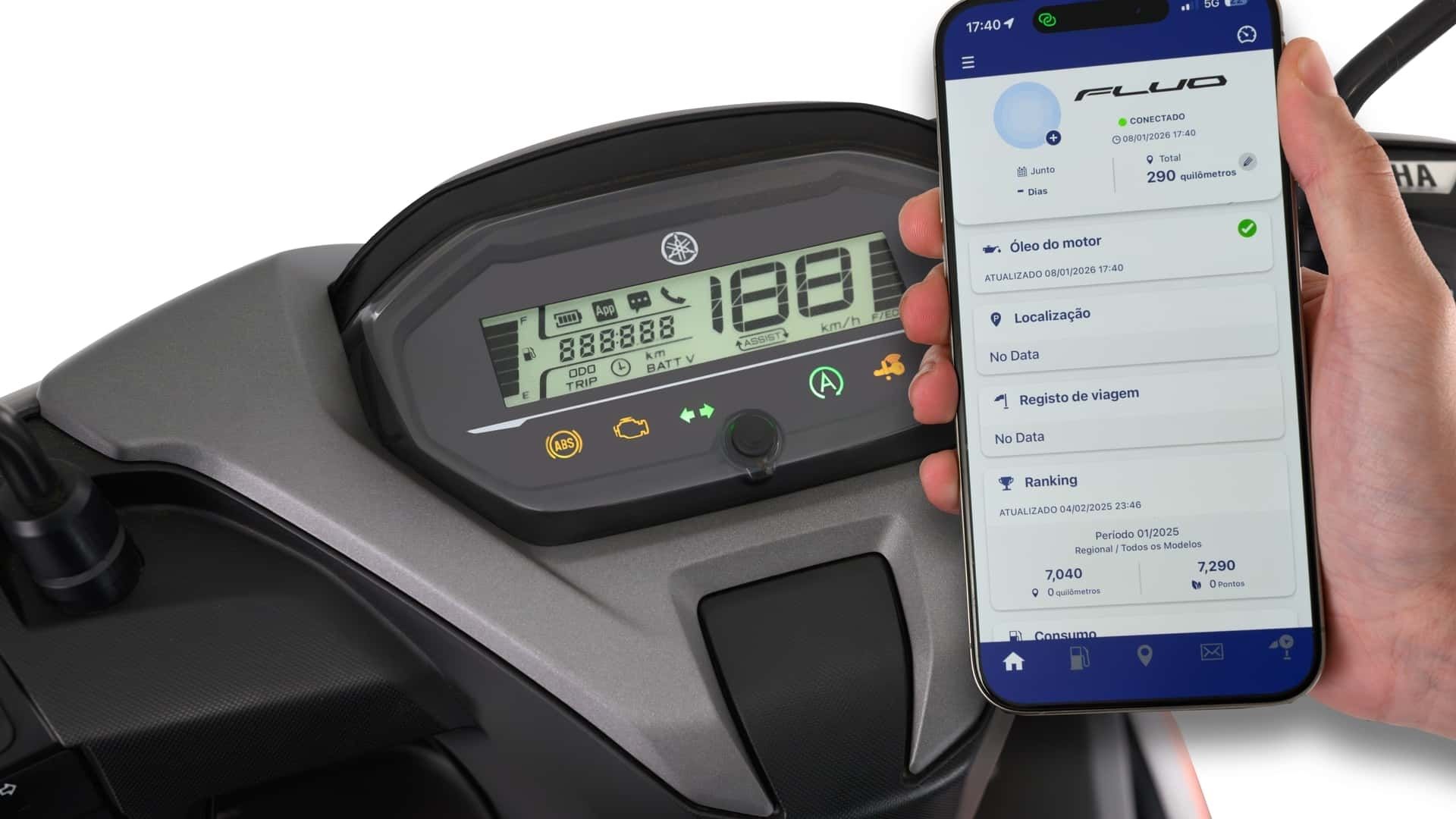
Costing R$ 16,000, the new Yamaha features a 125 cc hybrid engine with electric assistance, delivers 8.3 hp, includes ABS, optimized fuel consumption, Y-Connect connectivity, 25 liters of storage space, and a surprising 4-year warranty in the urban segment.
-
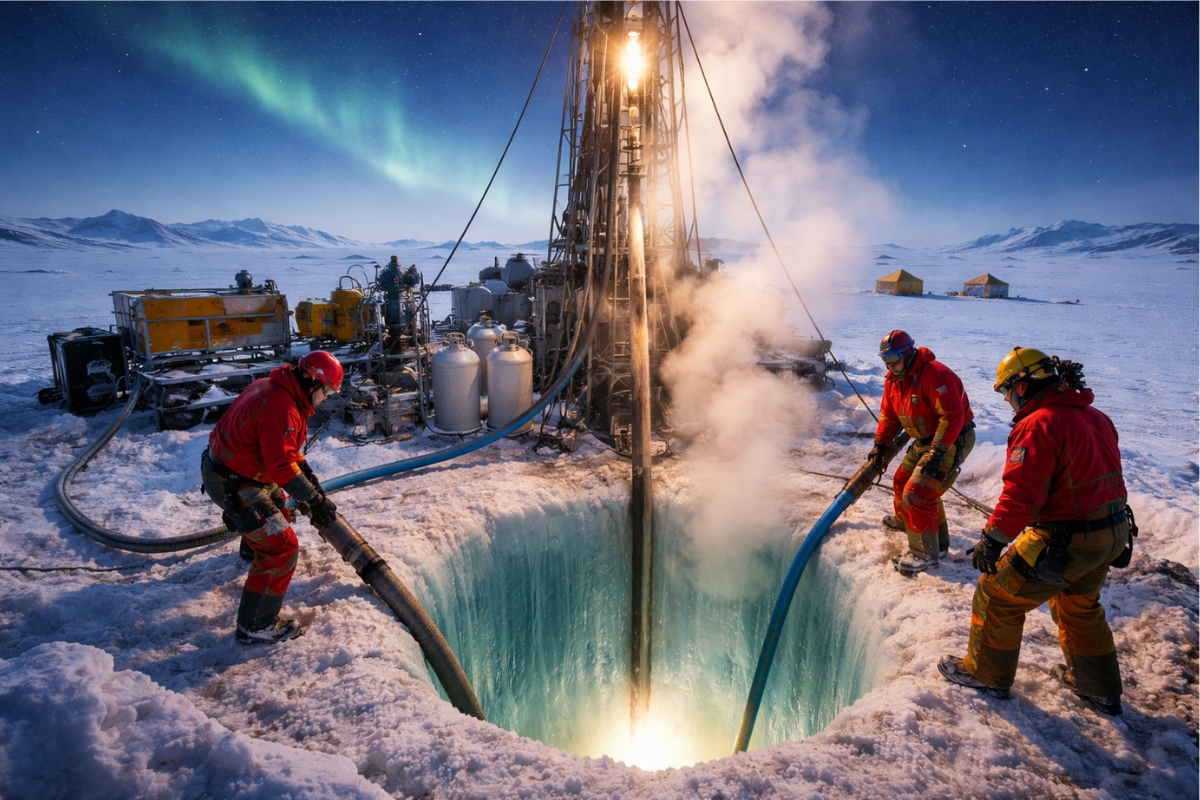
Scientists from an international project drill 1,800 meters of ice in Antarctica using hot water and discover details about one of the most intriguing places on planet Earth.

How Magnetic Levitation Works
For a car to float above the surface of this track, only energy at the moment of start is required to generate the initial magnetic field. Once created, the field keeps the car levitating, allowing movement without the need for additional energy.
Magnetic levitation (or maglev) causes objects, like cars, to float a few centimeters above a special track. This phenomenon eliminates friction, allowing vehicles to move without the need for batteries, motors, or other mechanical or electrical propulsion systems.
Innovative Technology from Japan
To achieve this, cars need to be built with diamagnetic materials. Magnets along the track generate an intense magnetic field that makes the car float. The energy required to create this field is only needed initially, allowing for continuous and efficient movement without further energy consumption.
A well-known example of magnetic levitation application is the maglev train, which uses powerful superconducting electromagnets to propel itself without motors or batteries. However, these trains require a constant energy source to keep the magnetic field active. The OIST innovation improves this method, needing energy only to initiate the levitation process.
The scientists used powdered graphite, a crystallized carbon material, mixed with wax to create a paste that becomes a plate. Beneath this plate, several magnets arranged in a continuous grid produce a strong enough magnetic field to achieve levitation. This advancement suggests a future where transportation will be more efficient, eliminating friction and improving mobility without relying on batteries or motors.
Experimental Prototype Still Faces Challenges
Despite its promise, the experimental prototype still faces challenges before it can be implemented on a large scale. First, it is necessary to reduce kinetic energy on the surface to allow movement towards the quantum domain to cool down. This is crucial for increasing self-sufficiency and sensitivity in larger sizes. Another significant challenge is damping vortices, as oscillating systems tend to lose energy due to external forces.
If these obstacles are overcome, magnetic levitation could mark the end of motors and batteries in cars. Eliminating friction and gravity as barriers to movement promises unprecedented efficiency. This advancement would not only change the way we move, but also have a significant impact on sustainability and global energy consumption.
Automobiles Evolving from Internal Combustion Engines to Electric Vehicles and Now We Are on the Brink of an Even More Radical Revolution
The presentation of magnetic levitation for cars by Japan makes us reflect on the rapid technological advancement we are experiencing. In just a few decades, we have seen automobiles evolve from internal combustion engines to electric vehicles, and now we are on the brink of an even more radical revolution that could render both obsolete. Technology is advancing at a speed that challenges our capacity to adapt, and what seems like science fiction today could be reality tomorrow.
Magnetic levitation, which was once confined to the pages of futuristic novels, is about to transform our way of moving around the world. And this is just one example among many. The possibility of imagining a future where cars float without friction and move without a constant energy requirement reminds us that there are no limits to human innovation.
Are We Prepared for a World Where Technologies Change So Rapidly?
How will this affect our lives, our cities, and our environment? It is crucial that we approach the future with enthusiasm and caution. We need to foster innovation while being prepared to manage the changes it brings.
Magnetic levitation for cars gives us an exciting glimpse into the future of transportation, but it is only one piece of the puzzle of technological evolution. Ultimately, the speed of technological advancement reminds us that we are living in an era of unprecedented possibilities.
We must seize these opportunities to create a more efficient, sustainable, and connected world, ensuring that each step forward benefits humanity as a whole. The race to the future doesn’t stop, and our challenge is to keep pace, ready to adapt and thrive in a constantly changing world.








Excelente!
A vida é maravilhosa. Só é preciso acreditar nela.
Dessa tecnologia todo mundo já conhece faz tempo.
E o custo para fabricar as estradas?
Com essa tecnologia não vai gastar asfalto