





 Portuguese
  English
  Spanish
  3 min of reading
  1 comment


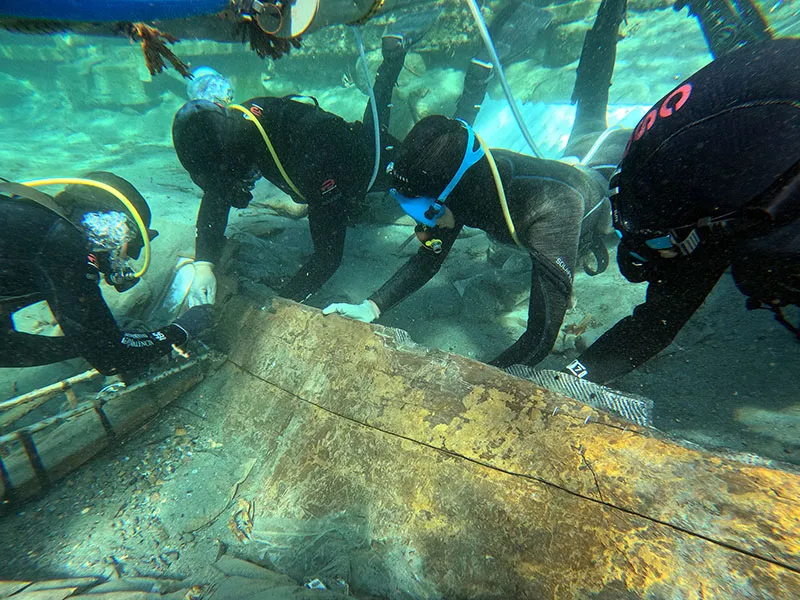


A Shipwreck Over 2,600 Years Old Has Been Recovered by Divers, Revealing Artifacts and Secrets of the Past. This Amazing Discovery Provides a Rare Glimpse into Ancient Maritime Trade and Life, Shedding Light on New Mysteries About the Civilization That Lost the Vessel.
A historic operation revisited the wreck of Mazarrón II, a 2,600-year-old Phoenician ship that was submerged just six feet deep in the Mediterranean, near the town of Mazarrón in southeastern Spain.
This meticulously planned and executed rescue promises to reveal new details about the culture and navigation techniques of the Phoenicians, one of the most influential trading peoples of antiquity.
The Discovery of Mazarrón II
The shipwreck was first identified in 1994, during archaeological investigations in the region. Covered by a layer of sand, the ship remained hidden for centuries, protected from the elements and natural wear.
-
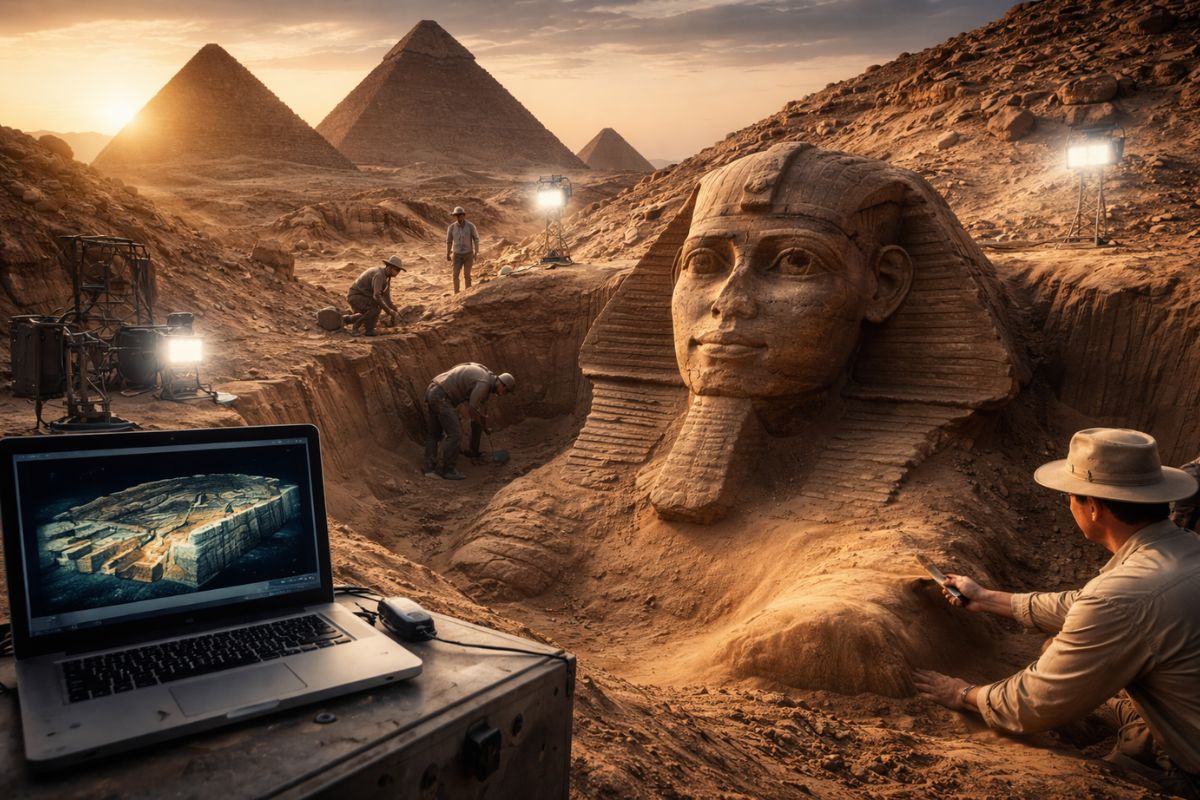
Italian researchers have detected what appears to be a second Sphinx buried under the sands of Egypt, and satellite scans reveal a gigantic underground megastructure hidden beneath the Giza Plateau for over 3,000 years.
-
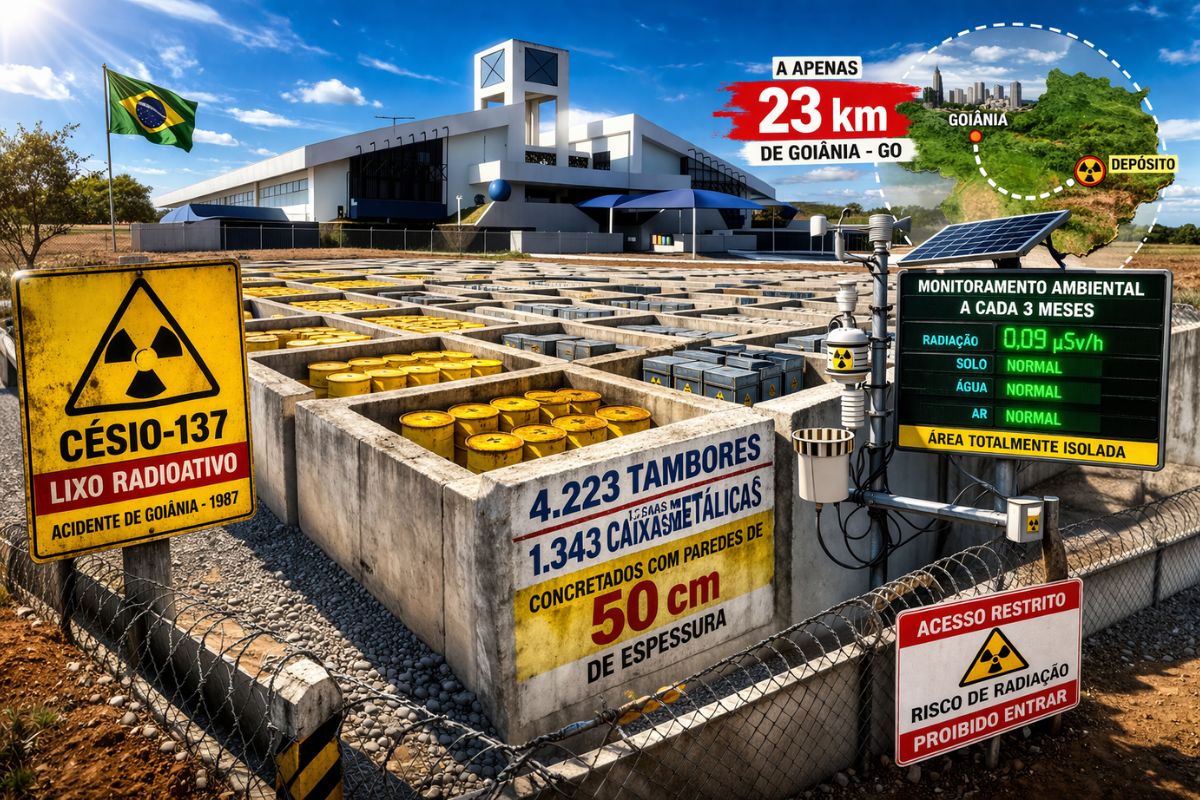
There are 4,223 drums and 1,343 metal boxes concreted with 50-centimeter walls that store the radioactive waste from Cesium-137 in the worst radiological accident in Brazil, just 23 kilometers from Goiânia, with environmental monitoring every three months.
-
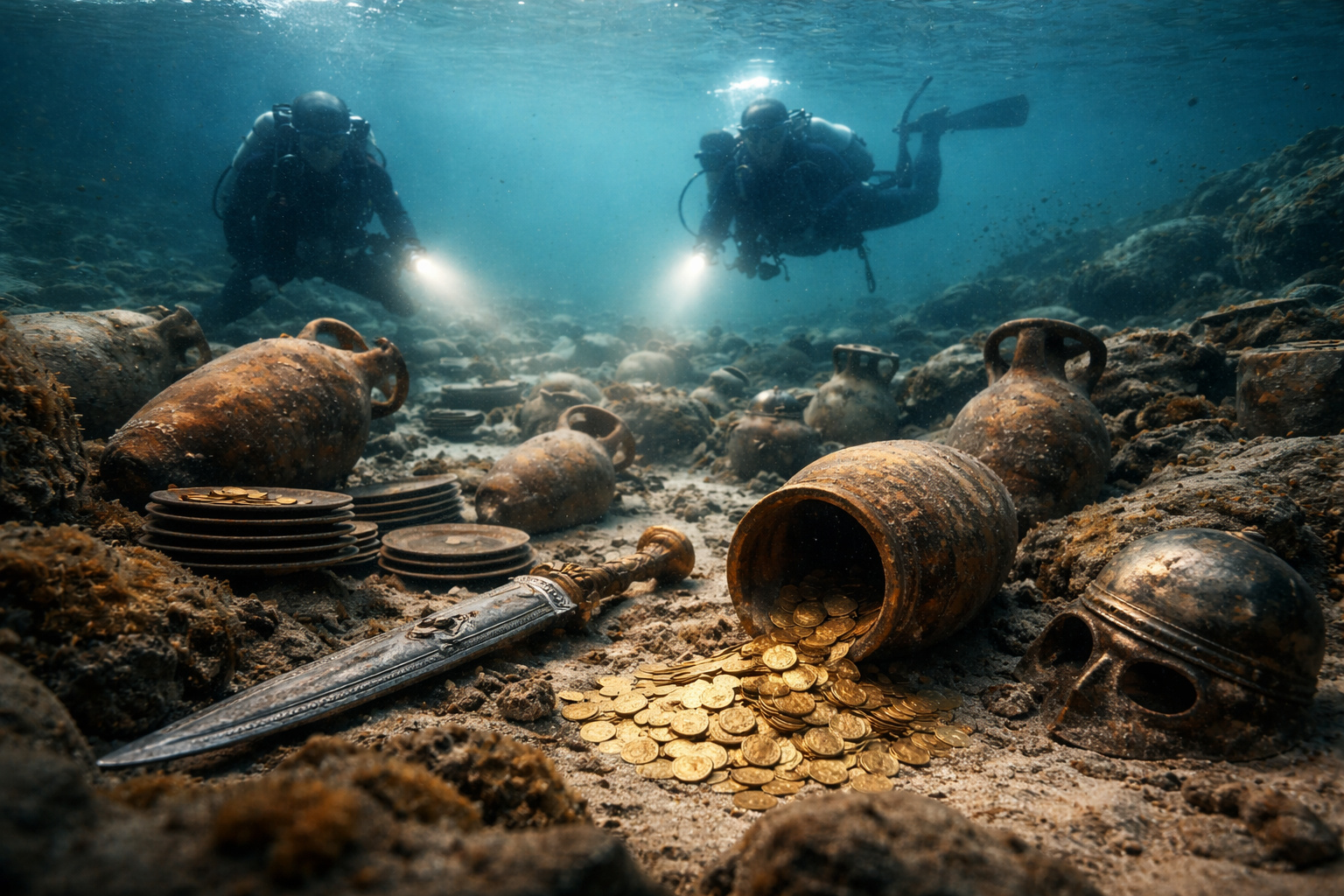
Giant Roman treasure found at the bottom of Lake Neuchâtel in Switzerland reveals an advanced trade system, circulation of goods, and armed escort in the Roman Empire about two thousand years ago.
-
He buried 1,200 old tires in the walls to build his own self-sufficient house in the mountains with glass bottles, rainwater, and an integrated greenhouse.

However, recent changes on the coast, such as constructions and alterations in ocean currents, compromised this natural protection.
Measuring approximately 8 meters in length, Mazarrón II was laden with lead ingots at the time of the wreck.
Its location near Playa de la Isla, just 61 meters from the shore, contributed to its vulnerability.
For years, the ship was protected by a metal structure, but studies conducted between 2017 and 2019 revealed that this protection was sinking, threatening to crush the wreck.

José Antonio Moya
The Challenge of the Rescue
In 2023, a rescue plan was drawn up by a team led by archaeologist Carlos de Juan from the University of Valencia.
“The wreck has survived for centuries, but now it’s time to ensure that we can continue to enjoy this cultural asset,” De Juan stated.
Between September and November 2024, a team of 14 divers dedicated 560 hours to meticulously map the wreck and disassemble it piece by piece.
Each fragment was carefully transported to the Underwater Archaeology Museum in Cartagena, where it will undergo a lengthy conservation and reconstruction process.
The Conservation Process
In the laboratory, the meticulous conservation work has already begun. The first step involves removing the salt that has permeated the wood, followed by the application of resins to fill in the deteriorated areas.
After this treatment, the pieces will be frozen to prevent further deformation before being reassembled.
This process, estimated to take at least four years, is essential to ensure the integrity of Mazarrón II and allow its exhibition in a museum, making it accessible to the public and preserving its history for future generations.
The Importance of Mazarrón II
Mazarrón II is one of the rare examples of nearly intact shipwrecks from the Phoenician era. This group of maritime traders, who inhabited the eastern Mediterranean coast between 1500 and 300 BC, played a crucial role in the dissemination of knowledge and cultural goods among different civilizations.
Agustín Díez, a historian at the University of Valencia, highlighted the potential of the ship to reveal valuable information:
“It will tell us what types of wood were used to build the boat, where it was constructed, what navigation was like at the time, as well as degradation and contamination processes in shallow waters.”
Additionally, studying Mazarrón II can help to better understand the dynamics of Phoenician trade, including trade routes, types of cargo, and the technologies employed to build durable and efficient vessels.
Historical Context
The importance of the Phoenicians in maritime history is undeniable. Masters of navigation and trade, they connected distant regions through their maritime routes, transporting goods such as metals, textiles, and ceramics.
Their advanced shipbuilding techniques influenced contemporary and later civilizations, leaving a legacy that still fascinates archaeologists.
Mazarrón II complements another wreck found in the same area, known as Mazarrón I. Discovered in 1993 and salvaged in 1995, Mazarrón I was preserved and exhibited to the public in 2005 at the National Museum of Underwater Archaeology.









Eu gosto de ver obras de arquiologia descoberta por naufragio sde navios do seculo 14 para cima.