





 Portuguese
  English
  Spanish
  4 min of reading
  0 comments


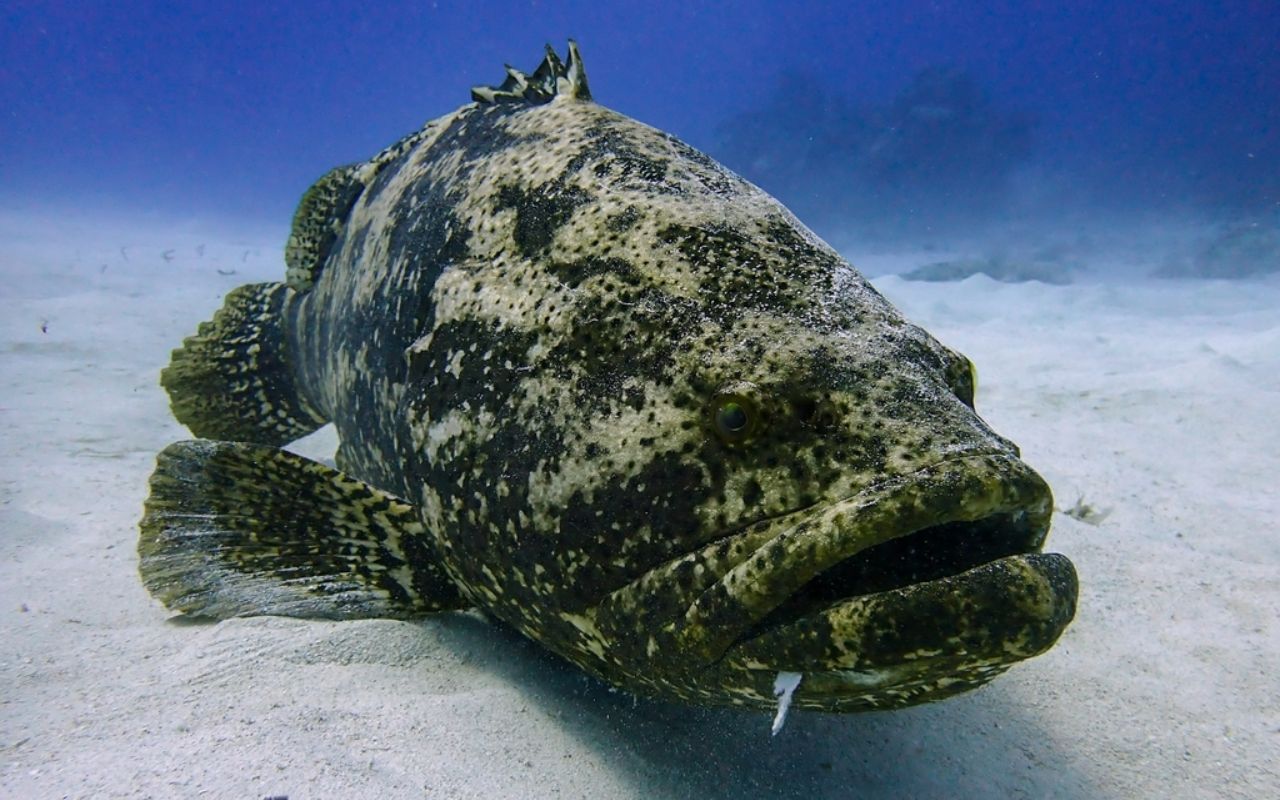
Giant Sea Bass, Large Marine Fish, Are Critically Endangered in Brazil. Learn How They Live, Why They May Disappear, and What the Giant Bass Project of Brazil Does to Protect Them.
The species of fish known as giant sea bass, imposing inhabitants of the tropical and subtropical seas of the Atlantic, faces a dramatic decline in their populations in Brazil.
These marine giants, which can exceed 2.5 m in length and weigh over 400 kg, are critically endangered due to fishing, pollution, and habitat destruction.
To reverse this situation, the Giant Bass Project of Brazil brings together institutions and researchers in research, education, and conservation actions for the species and its environment.
-
Friends have been building a small “town” for 30 years to grow old together, with compact houses, a common area, nature surrounding it, and a collective life project designed for friendship, coexistence, and simplicity.

-
This small town in Germany created its own currency 24 years ago, today it circulates millions per year, is accepted in over 300 stores, and the German government allowed all of this to happen under one condition.

-
Curitiba is shrinking and is expected to lose 97,000 residents by 2050, while inland cities in Paraná such as Sarandi, Araucária, and Toledo are experiencing accelerated growth that is changing the entire state’s map.

-
Tourists were poisoned on Everest in a million-dollar fraud scheme involving helicopters that diverted over $19 million and shocked international authorities.


All About Giant Sea Bass, Endangered Giant Fish
Giant sea bass, scientifically called Epinephelus itajara, belong to the Epinephelidae family, the same as other groupers and sea basses.
They are also known by popular names such as bodete, canapú, badejão, merote, and even “lord of the rocks”, referencing the Tupi-Guarani translation and their habit of living near rocky shores and reefs.
Despite their impressive size, these fish are considered docile and curious, allowing close encounters led by divers in some areas.
Juvenile giant sea bass take refuge in mangroves, using the roots for protection and a food source.
Over time, they migrate to the open sea, occupying rocky reefs, shipwrecks, bridge pillars, and artificial structures. These environments provide cavities and hideouts where the fish seek shelter and food.

Life Cycle and Reproduction
The reproduction of giant sea bass occurs in large spawning aggregations, formed between December and March in coastal habitats.
During this period, males and females gather in specific locations for spawning, with females releasing millions of eggs, fertilized externally by males.
The juveniles spend between 35 and 80 days in marine current systems before settling in coastal areas where they will continue their development.
Interestingly, giant sea bass are born as females, and some become males later in life, usually between 6 and 8 years, when they become sexually active.
Feeding: Top Predators
As top predators in the food chain, giant sea bass feed on crustaceans such as crabs, shrimp, lobsters, and prawns.
They also consume fish that live near the seafloor, such as rays, catfish, pufferfish, and octopuses, as well as sea turtles in some situations.
Population Decline and Threats
Over the last 65 years, giant sea bass populations in Brazil have experienced a reduction of over 80%, a decline that concerns scientists and conservationists.
This setback occurs due to overfishing, marine pollution, mangrove degradation, and the destruction of reefs that serve as shelter and food.
Despite being a large fish with no significant natural predators in Brazilian waters, its slow growth rate and late maturation increase its vulnerability to human intervention.
In 1994, giant sea bass were included in the International Union for Conservation of Nature (IUCN) Red List as Critically Endangered (CR).
In Brazil, this status remains after the 2020 assessment, reinforcing that the species is still at risk of disappearing without ongoing protection actions.
Legal Protection and Fishing Prohibition
In Brazil, the capture, transport, and commercialization of giant sea bass has been prohibited since 2002, according to IBAMA Ordinance No. 121.
This measure aims to reduce fishing pressure on the species and allow for the gradual recovery of their populations.
However, mere prohibition has not been sufficient to recover the numbers.

High mortality, exacerbated by illegal fishing and habitat loss, continues to be a major challenge for conservation efforts.
Giant Bass Project of Brazil: Science and Commitment
Founded in 2002 by a group of researchers, the Giant Bass Project of Brazil aims to form a broad network of institutions and individuals committed to the preservation and recovery of giant sea bass and Brazilian marine environments.
Currently, the project is present in nine Brazilian states and 37 municipalities, promoting scientific research, environmental education, and communication actions aimed at the conservation of marine and coastal environments.
With the involvement of universities, NGOs, divers, fishermen, and volunteers, the initiative seeks to disseminate knowledge about giant sea bass, mobilize society, and influence public policies that favor the recovery of this unique species.
How Can Everyone Help Giant Sea Bass?
To reverse the decline and extinction of giant sea bass, the project highlights simple actions that anyone can take.
This includes protecting natural habitats, such as mangroves and reefs; reducing pollution by managing waste and sewage; and not capturing, commercializing, or consuming endangered species.
The conservation of giant sea bass is not only a biological issue but also a cultural and environmental one, as it preserves a key link in marine ecosystems and a natural symbol of the Brazilian coast.
Giant sea bass represent much more than just giant fish from the ocean floor.
They are a fundamental part of coastal and marine life, maintaining ecological balance and inspiring scientific and conservation projects.
Although threatened, efforts like the Giant Bass Project of Brazil show that with science, education, and community involvement, it is possible to protect such majestic species as giant sea bass and ensure that future generations can also know these ocean giants.
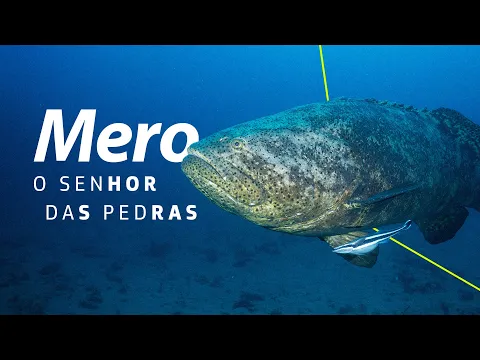

With information from the website Meros do Brasil.









-

-

-

-

-

17 pessoas reagiram a isso.