





 English
  Francês
  Alemão
  Italiano
  Japonês
  Norueguês
  Portuguese
  Spanish
  3 min of reading
  0 comments


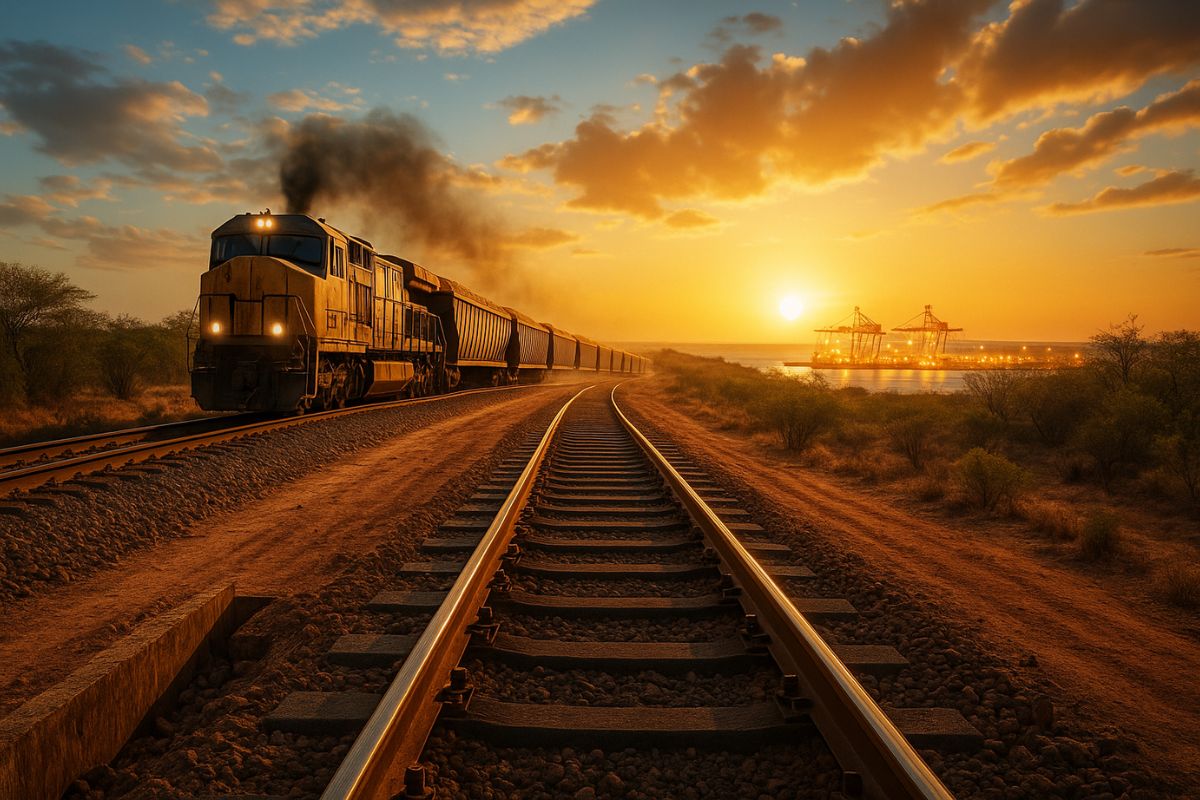
Transnordestina Will Have Its First Grain Trains by 2025, But Complete Work of 1,206 km Should Only Be Finished in 2028 After Investment of R$ 15 Billion
The Transnordestina is one of the largest railway projects in Brazil and, despite successive delays, is expected to finally begin partial operations by the end of 2025. The first operating section will connect grain-producing areas in Piauí to Ceará, allowing flow through dry ports and reducing logistical costs for the northeastern agribusiness.
According to the government and the responsible concessionaire, the complete delivery of the Transnordestina is only expected to occur in 2028, after a total investment of R$ 15 billion. By then, the railway will continue to be under construction in various sections, mainly in Ceará, where the lots are considered the most challenging.
What Is Already Underway in Ceará
In the state of Ceará, the Transnordestina is advancing on three fronts: lot 8, in the Baturité Massif, already under construction; lot 10, between Baturité and Aracoiaba (51 km), which should have a contract signed by September; and lot 9, which goes from Aracoiaba to Caucaia, considered the most difficult as it crosses mountainous areas and is scheduled for hiring in October.
-
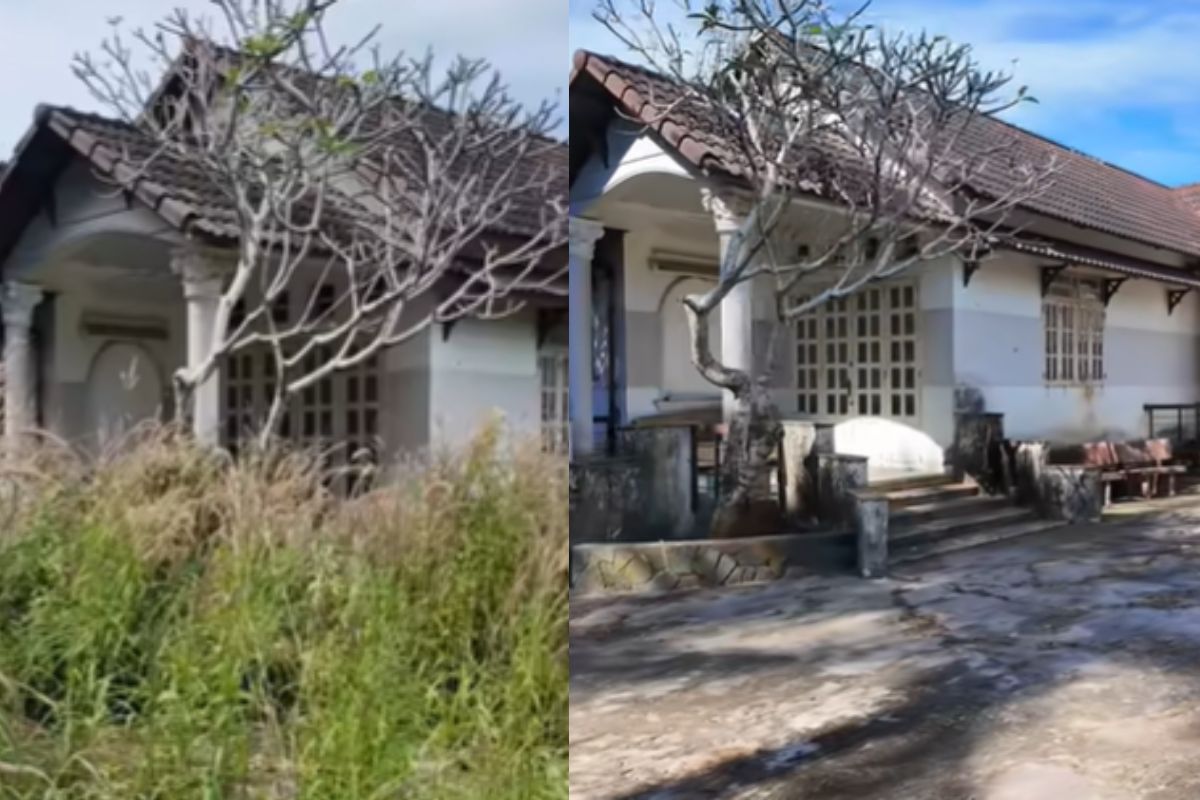
Abandoned house for 15 years disappears in the woods, shocks owner with unrecognizable scenery and is reborn in an intense transformation after almost 90 hours of work in just 10 days.
-
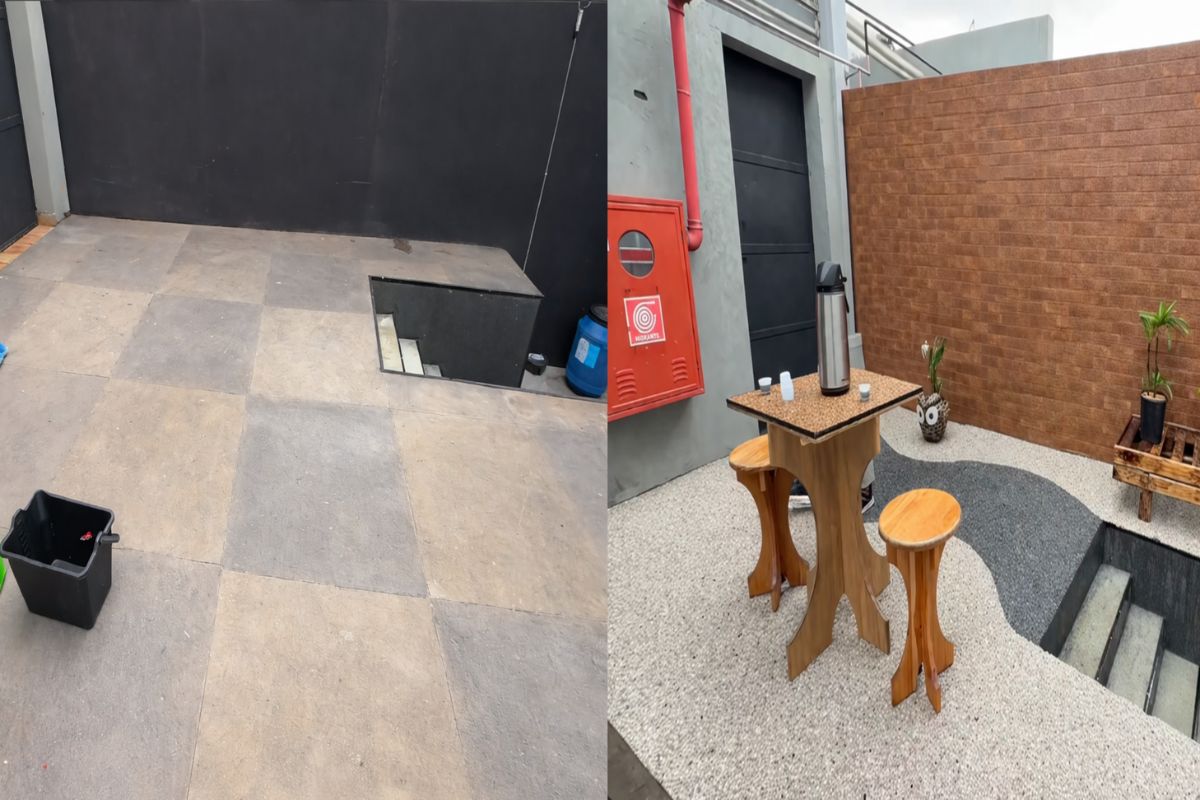
In just three hours, a natural stone floor transforms the entrance of the house with an organic effect, immediate drainage, and a sophisticated non-slip finish that doesn’t puddle water, dries quickly, and impresses with the final result.
-
‘Interlocking brick’ made of earth arrives in the construction industry with cost reductions of up to 40% on the project.

-
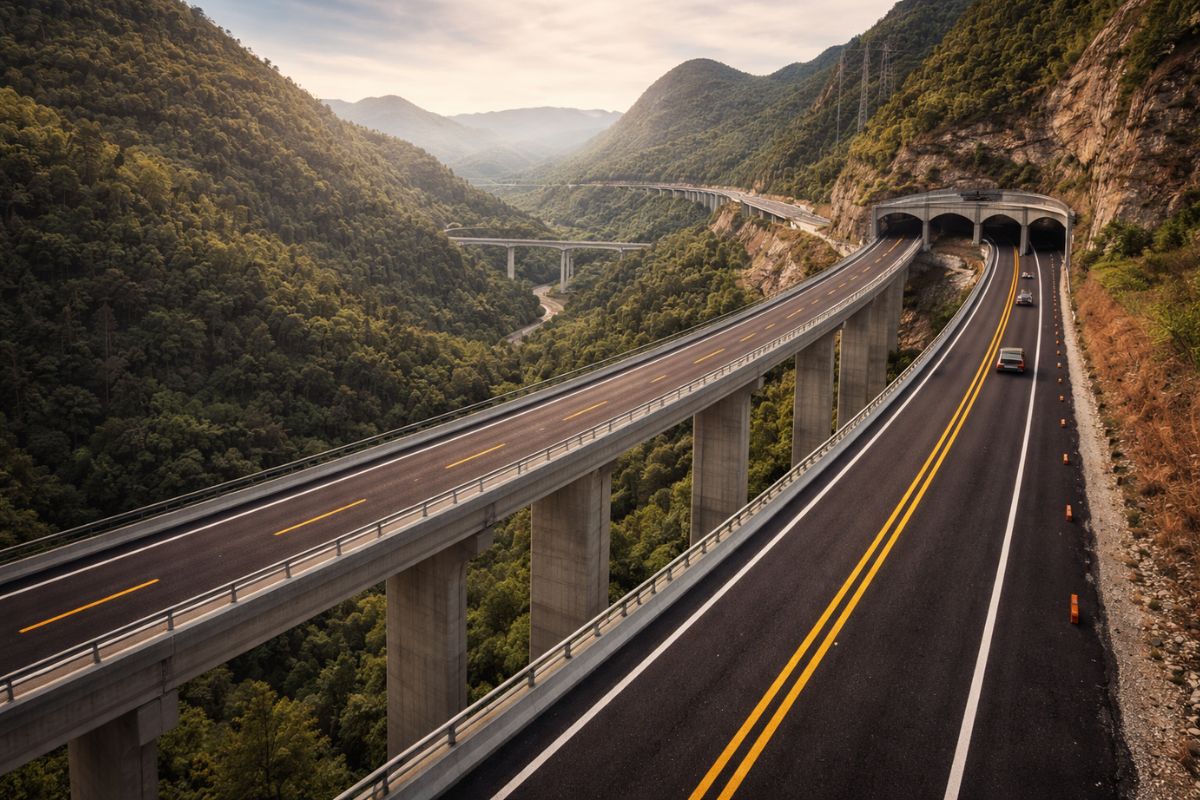
Espírito Santo will receive the largest engineering project in its history with the duplication of BR 262, which will have 50 viaducts, 28 bridges, and 2-kilometer tunnels cutting through the most challenging mountainous region of the entire state.
These sections are crucial because they connect the railway to the metropolitan region of Fortaleza, allowing direct access to the Pecém Port, which is considered strategic for agricultural and mineral exports. The completion of these lots is essential to enable a continuous flow of goods.
First Loads in 2025
The expectation is that by the end of 2025, the first grain trains will operate on a partial section of the Transnordestina, linking Piauí to Ceará. Transportation will be conducted through intermodal terminals already under construction in Quixeramobim, Iguatu, and Missão Velha, which will function as dry ports for receiving and distributing loads such as corn, soybeans, fertilizers, and cement.
According to those responsible for the project, more than 4,000 direct jobs have already been created, and the expectation is that this number will increase as new construction contracts are signed.
Deadlines and Phases of the Work
The schedule predicts that Phase 1 of the Transnordestina, equivalent to about 90% of the route, will be completed by September 2027. Meanwhile, Phase 2, which will connect São Miguel do Fidalgo to Eliseu Martins (PI), will start in 2026 and is expected to finish in June 2028, when the complete railway will be in operation.
The investment of R$ 15 billion combines public and private resources, and the government hopes that the railway will be a game changer for regional competitiveness.
Expected Impacts for the Northeast
The completion of the Transnordestina is expected to transform logistics in the Northeast. With the new railway, the costs of transporting grains and minerals should decrease, increasing the competitiveness of local agribusiness. Additionally, the project is expected to attract international investments and strengthen economic integration between the hinterland and the coastal ports.
Experts point out that the Transnordestina will be decisive in consolidating the Pecém Port as one of the most important in the country, creating a strategic logistics corridor that can reposition the Northeast on the map of international trade.
The Transnordestina arrives in 2025 as a project that mixes historical delays with a promise of economic transformation. The partial operation next year should be a milestone, but the true impact will only come after the total completion in 2028.
And you, do you believe that the Transnordestina will finally fulfill its strategic role for the Northeast? Or are you concerned that new delays will compromise the results? Share your opinion in the comments — we want to hear from those closely following this historic project.










Seja o primeiro a reagir!