





 Portuguese
  English
  Spanish
  5 min of reading
  0 comments


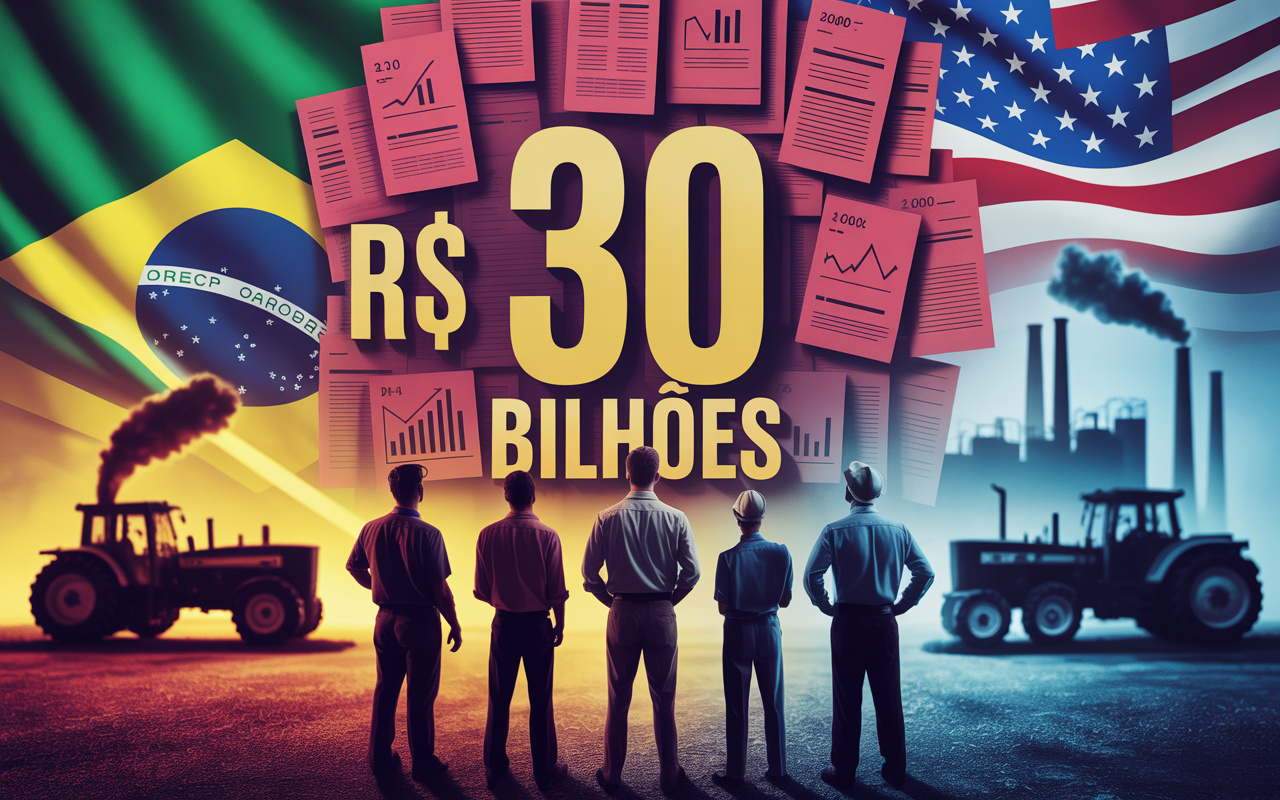
Brazil Announces R$ 30 Billion Package Against US Tariff, But Agriculture and Industry Warn: Losses Exceed Support and Jobs Are at Risk.
Even with the promise of a billion-dollar relief package announced by the Brazilian government to try to soften the impacts of the tariff imposed by the United States, the sentiment among exporters and business associations is far from relief. The R$ 30 billion announced under the “Sovereign Brazil” program sounds robust on paper, but according to entities from the agriculture and industry sectors, it falls short of compensating for the projected losses in the coming months—especially in strategic sectors such as coffee, oil, and processed foods.
The fear is not just of a decline in external revenues: the equation could result in thousands of jobs cut, in a cascading effect that reaches the domestic economy.
50% Tariff Hits the Heart of Exports
In August 2025, the US government imposed a 50% tariff on a wide range of Brazilian products, in a measure to protect the domestic market that quickly turned into a diplomatic crisis.
-
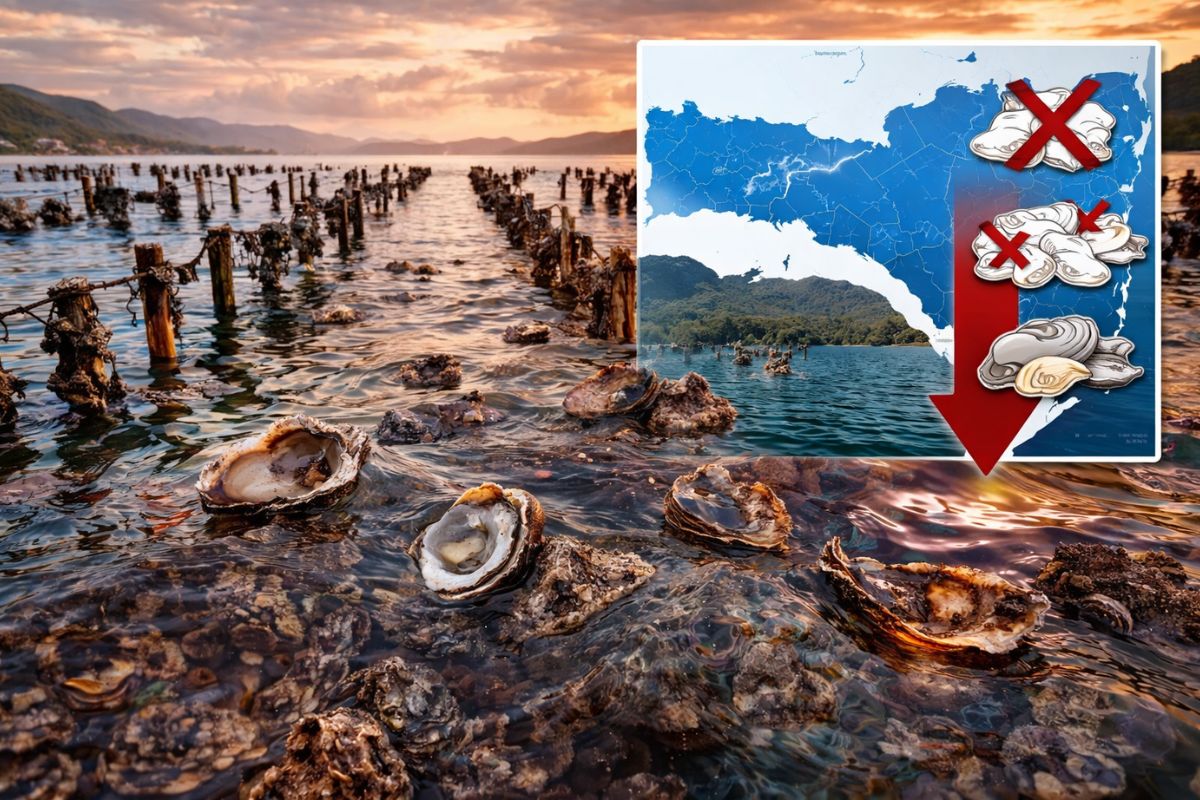
The sea water temperature rose from 28 to 34 degrees in Santa Catarina and killed up to 90% of the oysters: producers who planted over 1 million seeds lost practically everything and say that if it happens again, production is doomed to end.
-
An Indian tree that grows in the Brazilian Northeast produces an oil capable of acting against more than 200 species of pests and interrupting the insect cycle, gaining ground as a natural alternative in soybean, cotton, and vegetable crops.

-
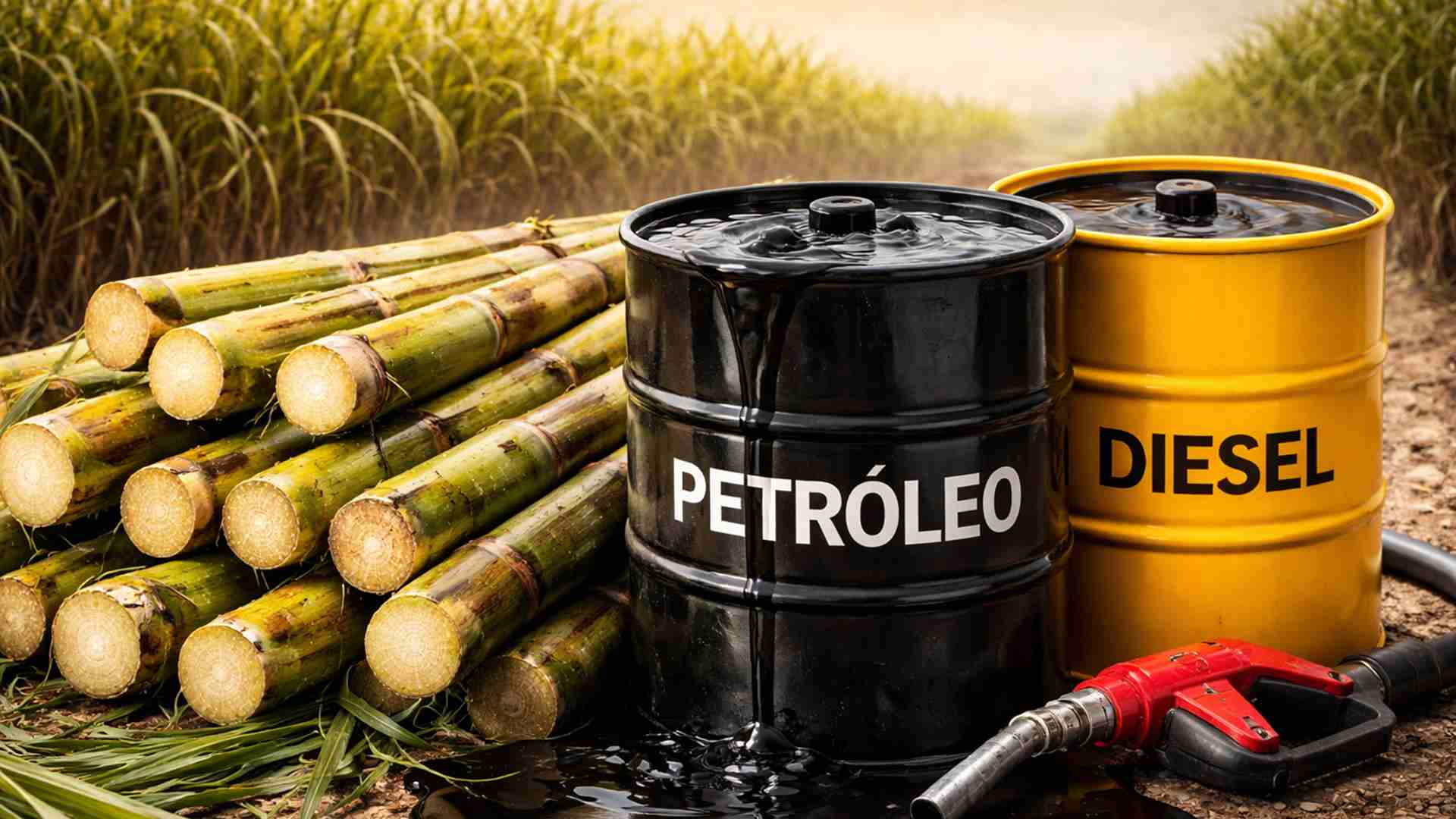
The rise in oil prices in the Middle East is already affecting Brazilian sugar: mills in the Central-South are seeing their margins shrink just as ethanol gains strength.
-
Rain gains strength in April, potentially exceeding 150 mm, placing the North, Northeast, and the coasts of the South and Southeast at the center of the heaviest forecast of the week.


Preliminary data already shows the extent of the impact: in the soluble coffee sector alone, exports to the United States plummeted nearly 60% in August compared to the same month the previous year, according to Reuters.
Companies that relied on the American market report suspended contracts and unsold inventory, with margins eroded by the difficulty of passing on costs to the final consumer.
In oil, another significant segment, scheduled shipments have even been interrupted, as companies fear not only the direct impact of the tariff but also the regulatory uncertainty surrounding exemptions and exceptions that are still not clearly defined.
Sectors such as beverages, metals, equipment, and processed foods also appear on the list of those affected, creating a cloud of uncertainty that is already impacting entire supply chains.
The R$ 30 Billion Package and Its Limitations
In light of this scenario, the Brazilian government launched a support package that includes subsidized credit lines, tax incentives, and emergency measures to strengthen the competitiveness of exporters.
Named “Sovereign Brazil,” the program aims to demonstrate quick reaction capacity, while also signaling to international partners that the country will not sit idly by.
However, sector associations were categorical: the amount does not cover potential losses. If the 50% tariff remains in effect for more than a year, it is estimated that Brazil could lose tens of billions in export revenues, comfortably exceeding the amount allocated by the government.
For the coffee sector, for example, the contraction already recorded in just one month exceeds hundreds of millions of dollars in suspended contracts. In oil, the bill could be even higher if the paralysis in sales to the US becomes consolidated.
The Pressure from Companies and the Law of Reciprocity
One unprecedented element in this crisis is the alignment between large American multinationals established in Brazil, such as Amazon, Coca-Cola, and GM, and the Brazilian government itself.
In a meeting led by the Interministerial Committee on Negotiation and Countermeasures, these companies expressed support for attempts to reverse or relax the tariffs, arguing that they also suffer impacts in supply chains and production costs.
On the Brazilian side, the Economic Reciprocity Law, passed in 2025, has become the most politically significant instrument. The government has already initiated the formal process to assess whether the tariffs applied by the US fall under the law and whether countermeasures can be activated.
However, diplomats and ministers admit that the application of the law could lead to a backlash, risking an escalation of the crisis. Therefore, the strategy has been to combine diplomatic pressure, business lobbying, and internal compensation measures.
The Risk of Jobs and Social Pressure
At the end of the chain, what concerns labor associations and unions the most is the effect on the labor market.
The National Confederation of Industry and entities linked to agribusiness warn that without access to the American market and with compressed margins, companies will have to cut costs, which means layoffs.
With each suspended contract or ship held at ports, there are dozens of workers in agriculture, industry, and logistics who may lose their jobs.
The most conservative estimate indicates that if the tariff remains in place for more than 12 months, thousands of direct and indirect jobs could be lost, generating social and political pressure within Brazil.
This explains why the government’s rhetoric has been tough but accompanied by caution: the goal is to avoid a full-blown trade war with the US pushing the country into a partial recession in key exporting sectors.
A Delicate Balance
The R$ 30 billion package shows that Brazil is trying to act in a coordinated manner, but the perception among business people and analysts is that it is merely a short-term buffer.
Without a review of the American tariffs or without opening broader exceptions, the program will hardly prevent mass layoffs or the collapse of exporting companies.
The crisis exposes a dilemma: retaliating could mean more costs for the Brazilian consumer, especially in sectors where the US is a relevant supplier; not retaliating could be seen as weakness and leave exporting sectors exposed to unsustainable losses.
Between one extreme and the other, the government is trying to buy time, but each week of active tariffs adds pressure on the economy, employment, and politics.








Seja o primeiro a reagir!