





 English
  Francês
  Alemão
  Italiano
  Japonês
  Norueguês
  Portuguese
  Spanish
  4 min of reading


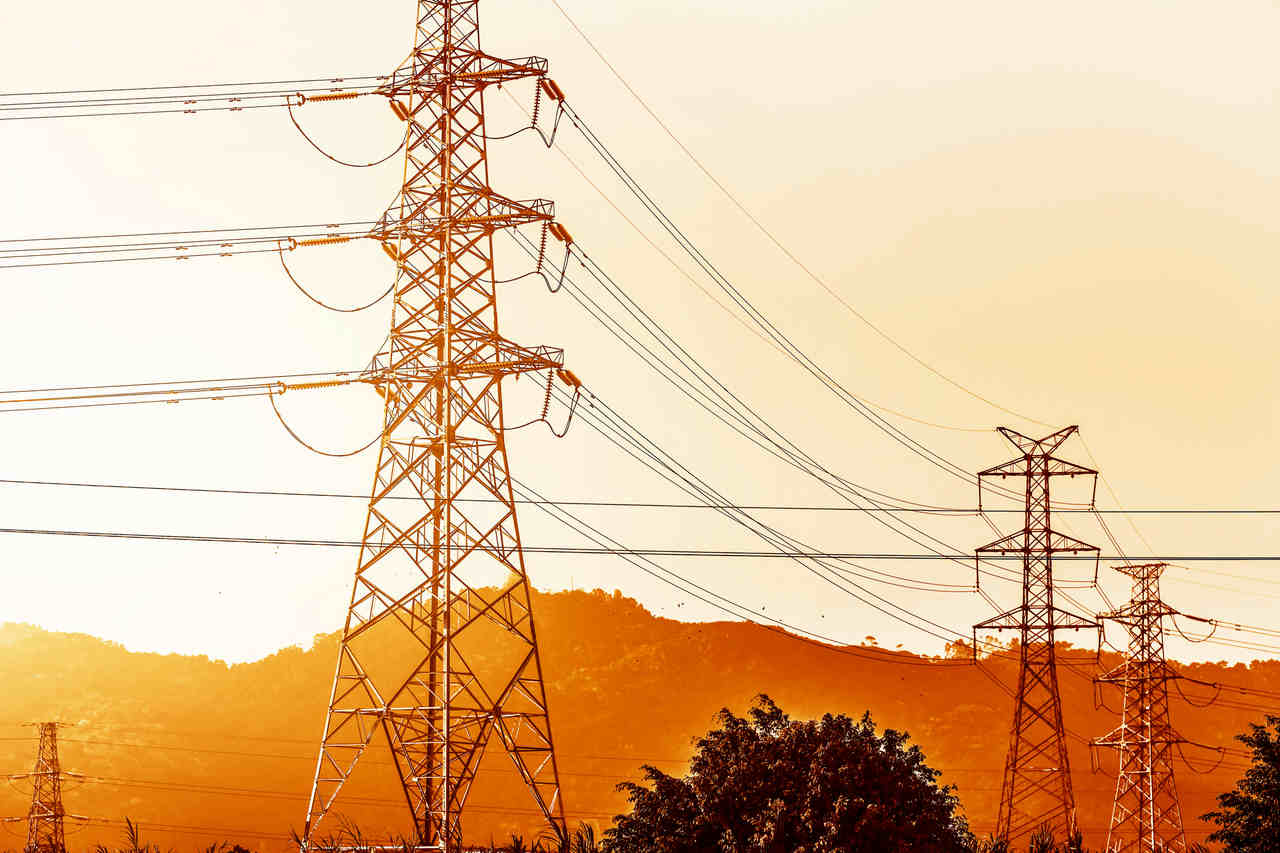
Minister of Mines and Energy, Christiano Vieira Says There Is No Risk of Power Rationing, Even Amid the Worst Water Crisis in 91 Years
In an interview given to the program “A Voz do Brasil,” the Secretary of Electric Energy of the Ministry of Mines and Energy (MME), Christiano Vieira da Silva, states that even in the face of the water crisis faced by Brazil this year – the country is experiencing the worst rainfall levels in the last 91 years – there is no indication of a lack of resources to meet the country’s energy demand in 2021. Check out this news: MME Launches Plan for Brazil to Become an Energy Exporter
- Carrier Begins Using Natural Gas Truck for Transportation of Chemical Products
- Grupo Certano Announces Investment of R$ 14 Million and Creation of New Jobs in the State of Paraná
- Tire Factory in Paraná to Receive Billion-Dollar Investment to Expand Production Capacity. 300 New Jobs May Be Created
- State of Rio Grande do Sul to Have Two New Biomass Power Plants
- Enel SP Invests R$ 10.6 Million and Starts Work to Expand the Power Supply Capacity of the Sumaré Substation, Generating Jobs and Income for Local Residents
Minister of Mines and Energy Highlights Reservoir Levels
Silva stated that the Southeast region, responsible for 70% of Brazil’s storage capacity, is currently at only 26% of its capacity. The MME Secretary also added that the most affected basin is that of the Paraná River and its tributaries, such as the Tietê and Paranaíba.
Due to this scenario, the secretary explained that since October 2020, the National System Operator (ONS) has been recommending energy supplementation by activating thermoelectric plants. “And we have been dispatching thermal energy since then,” he said. In addition to this measure, the government has also been adopting others such as importing energy from neighboring countries, facilitating supply from uncontracted plants, and excess generation from biomass plants.
-
Chinese giant worth nearly R$ 4 billion that manufactures cables for electric cars, solar energy, and robotics wants to open a factory in SC.
-
Many employers do not know, but the law guarantees domestic workers a 25% increase in salary during trips, 50% for overtime, 20% for night shifts, and 17 additional benefits that can lead to labor lawsuits if not paid.

-
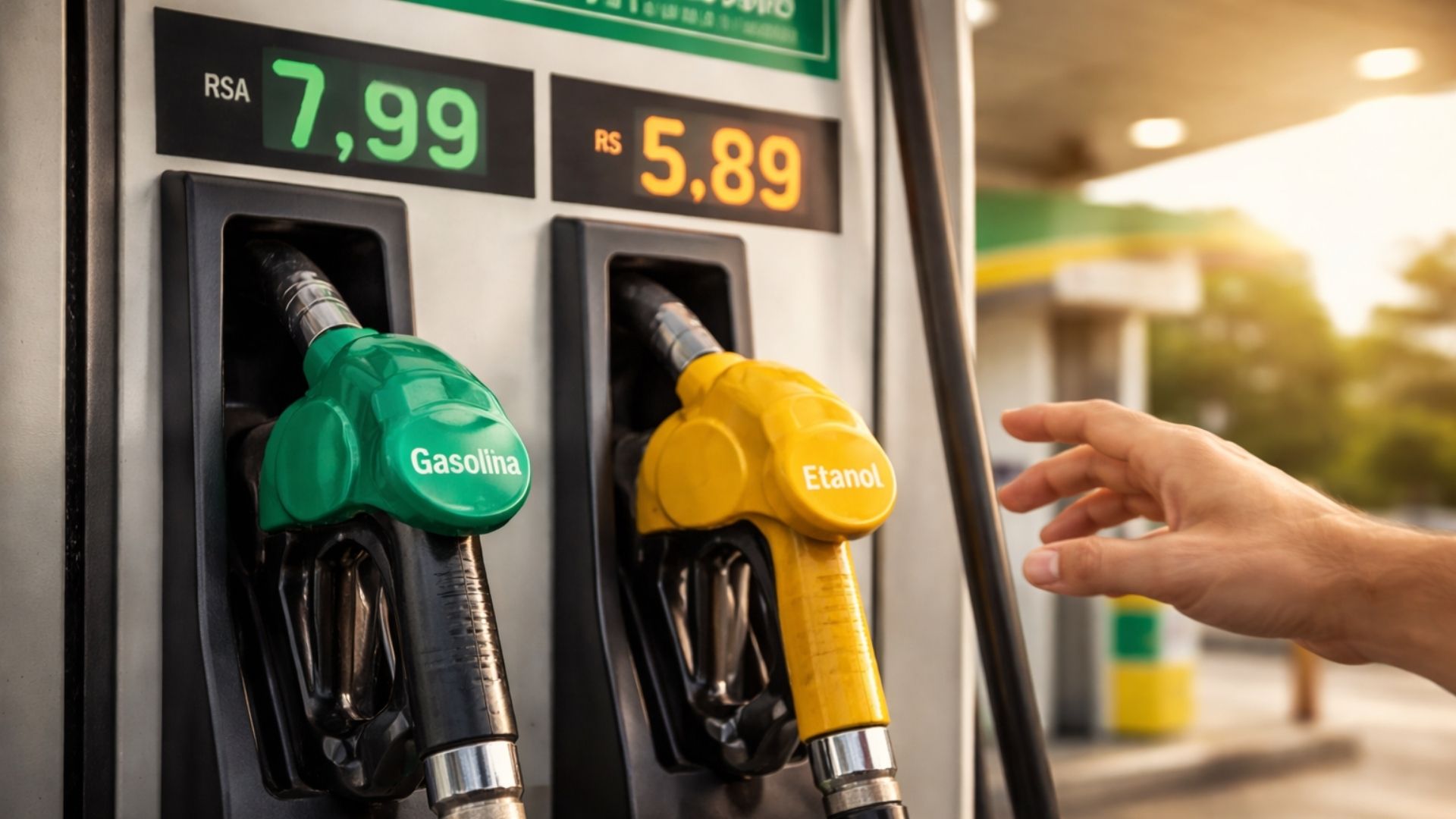
Gasoline prices soar and the question arises: is ethanol more advantageous? The 70% rule reveals the limit with gasoline.
-
The government has made a decision and is starting a test with more ethanol in gasoline, anticipating a mixture of up to 35%, diesel with 25% biodiesel, and a study to assess the impacts on engines.

The Secretary of the Ministry of Mines and Energy spoke about the actions that Brazilians can take to help save electric energy, such as turning off lights in rooms that are not being used, closing the door to rooms using air conditioning or heaters, and avoiding opening the refrigerator unnecessarily. “These are small gestures, even at home, that consumers can make and that won’t disrupt their routine,” he says.
Use of Thermoelectric Plants
The government published a measure in June that authorizes, on an exceptional and temporary basis, differentiated regulatory conditions to allow the activation of uncontracted thermoelectric plants for a period of up to six months, which may be extended. The initiative, announced by the MME in the Federal Official Gazette, comes amid a historic drought which has pressured the levels of reservoirs in hydroelectric plants, the main source of generation in the country, raising concerns about energy supply.
The authorization disclosed by the MME, which had already been signaled due to the conditions of hydroelectric plants, but that would focus only on gas units, was formalized by the government, broadening the thermal sector’s support to the water crisis by calling on thermoelectric plants from other, more expensive sources.


Check Out Also: Spending on Thermoelectric Plants Rises from R$ 9 Billion to R$ 13 Billion According to MME, Due to Water Crisis
According to an estimate made by the Ministry of Mines and Energy (MME), based on simulations from the National Electric System Operator (ONS), the increased use of thermoelectric plants, prompted by the water crisis scenario, will cost consumers R$ 13.1 billion this year, compared to a previous estimate made in June that projected a cost of R$ 9 billion.
This calculation used in the MME’s estimate is based on simulations from the National Electric System Operator (ONS), considering the additional use of thermoelectric plants between January and November of this year. The increase in generation costs is passed on to consumers through the tariff flag, an extra fee applied to the electricity bill.
The MME and the Electric Energy Trading Chamber (CCEE) informed G1 that such actions taken by the government are to preserve the water in the reservoirs of hydroelectric plants, leading to the activation of more thermoelectric plants, ensuring the supply of energy. With this activation, the projected cost of using thermal energy throughout this year increased from R$ 9 billion to R$ 13.1 billion, a 45% increase.








Seja o primeiro a reagir!