





 Portuguese
  English
  Spanish
  5 min of reading
  0 comments



Technology Companies Revert to the 9-9-6 Method, Which Imposes 12-Hour Daily Workdays and Reignites Concerns About Burnout and Corporate Abuse.
The so-called 9-9-6 method, which advocates working from nine in the morning to nine at night, six days a week, is spreading again among startups and major technology companies. The model, which originated in China and was once banned for promoting abusive work hours, is now reappearing in Western companies and is raising concerns among workers and mental health experts.
According to reports from Wired, InfoMoney, and Forbes, companies in Silicon Valley are embracing extreme work culture as a way to accelerate deliveries amid the race for advances in artificial intelligence. In Brazil, reports on professional networks indicate that this pace is starting to be copied in local startups, with managers demanding “total availability” and work hours exceeding 60 per week.
What Is the 9-9-6 Method and Why Is It a Concern
The term 9-9-6 comes from the acronym that defines the regime: working from 9 AM to 9 PM, six days a week, totaling 72 hours. The practice was popularized in the 2010s by Chinese companies like Alibaba and Huawei, which argued that professional success requires “sacrifice and full dedication.”
-
A fine of R$ 115 thousand places Goodyear at the center of an environmental case in Americana after oil and grease appeared in a stream and the company was required to act quickly.

-
A fine of R$ 115 thousand puts Goodyear at the center of an environmental case in Americana after oil and grease appeared in a stream and the company was forced to act quickly.

-
Lack of workers and an aging population: Japan bets on AI robots in factories, logistics, and infrastructure to keep the economy and essential services active.

-
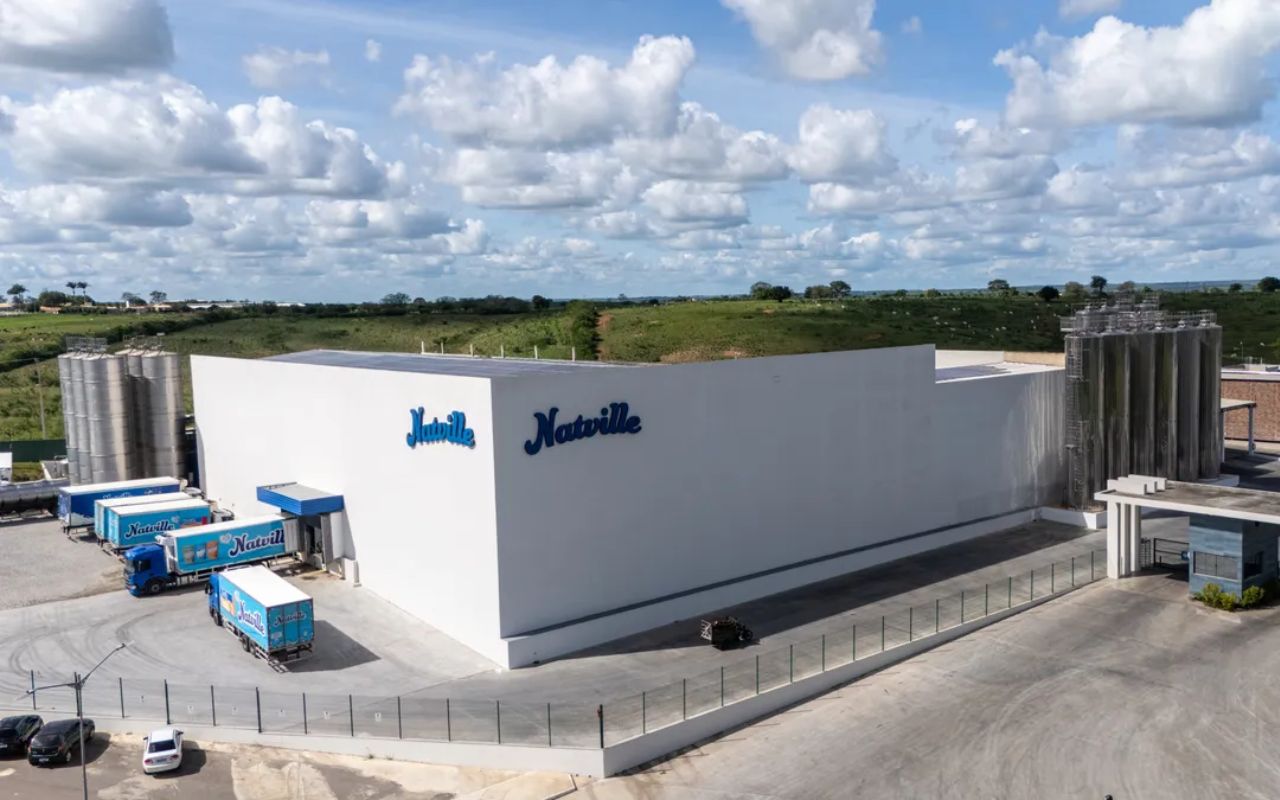
Natville puts R$ 700 million on the table for new factories in the Northeast, generating jobs and boosting the local economy.


The pressure was so intense that, in 2021, the Supreme Court of China deemed the method illegal and ruled that work weeks exceeding 48 hours must be compensated. Still, the “work until you drop” mentality persisted — and has now resurfaced in new innovation hubs.
AI Startups Reignite the Debate on Work Limits
The magazine Wired revealed that several artificial intelligence startups in the United States are embracing versions of 9-9-6 to maintain development speed amid competition. Founders justify the model as a way to “maximize focus and results” during intense investment phases.
Forbes cites cases of engineers reporting 12 to 14-hour daily shifts, with meals taken at their desks and little separation between personal and professional life. “It’s like going back to the 2010s when Silicon Valley was experiencing the era of corporate heroism,” the report describes.
In Brazil, the pressure is also evident. Diário de Pernambuco reported that national technology companies are starting to adopt similar routines, disguised under the rhetoric of “autonomy and flexibility.” In many of them, the practice comes with aggressive targets and increasingly shorter deadlines.
Experts Warn of Risks of Burnout and Productivity Loss
For occupational health specialists, the trend is alarming. Psychologist Patrícia Guimarães, an expert in organizational behavior, explains that prolonged work hours “reduce concentration capacity and increase the risk of burnout, anxiety, and cognitive failures.”
Studies by the World Health Organization (WHO) show that working more than 55 hours per week increases the risk of stroke by 35% and the risk of heart disease by 17%. Furthermore, companies that force extreme paces tend to lose talent, generate high turnover, and face costs for medical leaves.
American researcher Bryan Robinson, from Forbes, reinforces that the 9-9-6 method “is an illusion of productivity” — it generates more rework, failures, and a decline in the quality of deliveries. “In the long run, the brain simply cannot handle this level of constant pressure,” he states.
Culture of Sacrifice Disguised as Meritocracy
For many analysts, the 9-9-6 method represents more than just a work schedule: it is a symbol of toxic corporate culture. By glorifying exhaustion as synonymous with success, it transforms rest into guilt and leisure into weakness.
Chinese companies have even printed phrases like “Work is the best way to love” on internal murals, and now, according to InfoMoney, some Western startups are reviving this kind of rhetoric — this time with slogans in English about “focus and discipline.”
But experts remind us that the success of companies like Google, Microsoft, and Nvidia, which invest in balance and innovation, shows the opposite: productivity does not depend on exhaustion, but rather on healthy mental conditions and smart planning.
The Silent Side Effect: Inequality and Exclusion
Another recurring criticism of the 9-9-6 method is that it excludes those who cannot adapt to this workload, such as parents, single mothers, individuals with health limitations, and workers with dual jobs, who end up being left out of the job market.
Thus, the model reinforces the idea that “only the tireless deserve success,” perpetuating inequalities and harmful work environments.
In Brazil, labor lawyers also point out potential illegality. The CLT sets a maximum workday of 8 hours a day and paid weekly rest.
Any regime that exceeds this limit requires formal compensation and payment for overtime. Otherwise, the practice may constitute a labor infraction.
Resistance and the Search for More Human Models
In response to the rise of the 9-9-6 culture, there is an increasing number of companies investing in the right to disconnect, a concept already recognized in European countries and under debate in the National Congress. The proposal guarantees workers the right not to be contacted outside of working hours, especially in hybrid and remote regimes.
More mature technology companies are also seeking alternatives, such as four-day workweeks, flexible targets, and mandatory break programs. The logic is simple: rested employees produce more, make fewer mistakes, and stay longer.
The rise of the 9-9-6 method reveals a dilemma that crosses borders: to what extent does the obsession with productivity compensate for human wear and tear?
In a scenario where technology promises to automate everything, the biggest risk may not be replacement by machines, but the burnout of those who program them.
History shows that extreme models always exact their price — and, in this case, it comes in the form of chronic fatigue, illness, and loss of creativity. The question remains: how many work hours are worth a healthy life?










Seja o primeiro a reagir!