





 Portuguese
  English
  Spanish
  4 min of reading
  0 comments


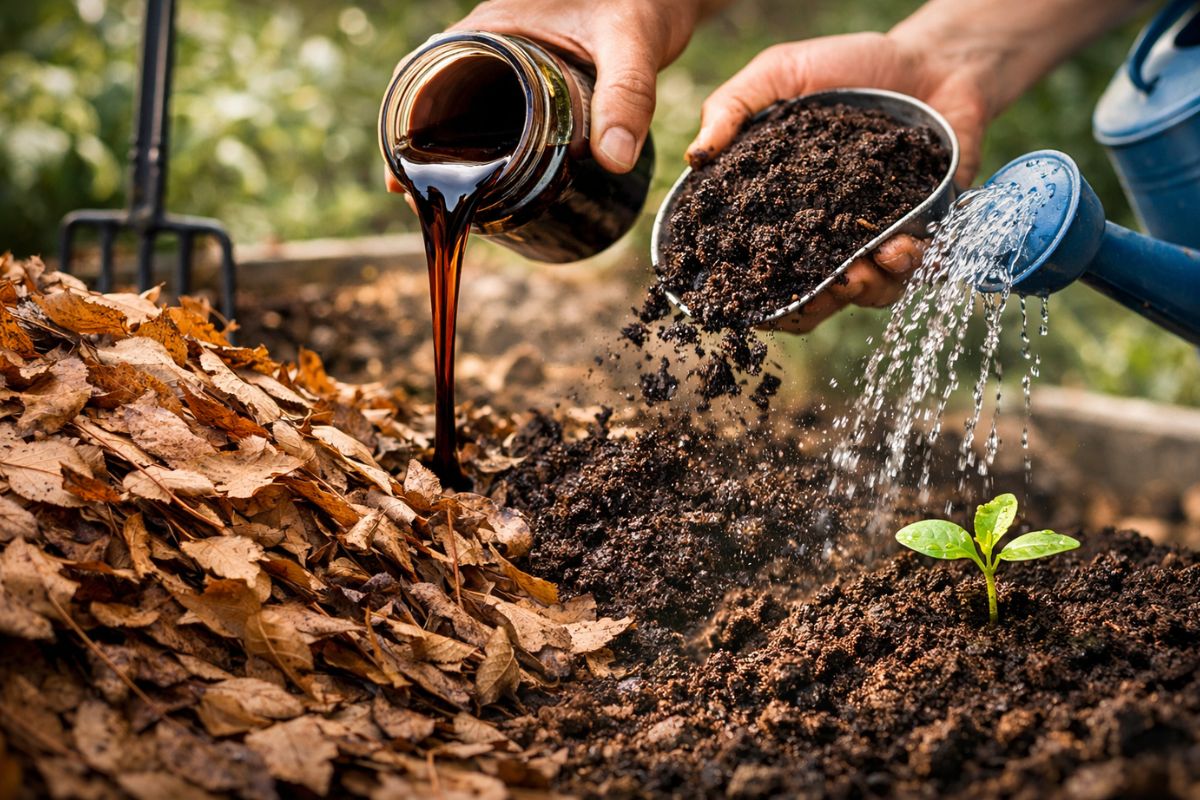
An Accelerated Composting Technique Shows How Common Dry Leaves Can Quickly Be Transformed Into Fertile Soil Using A Simple Mixture Of Molasses, Worm Humus, And Water, Offering A Natural Alternative To Chemical Fertilizers In Vegetable Gardens, Home Gardens, And Small Sustainable Urban Growing Spaces.
The idea of turning yard waste into fertile soil has become a rapid process within the routine of those who grow plants at home. A simple method of accelerated composting allows dry leaves, often treated as trash, to become a rich organic compound in just a few days.
This technique uses an accessible combination of molasses, worm humus, and water to stimulate the activity of microorganisms responsible for decomposition. The result is a much faster process of fertile soil formation, capable of nourishing gardens and plots without relying on chemical fertilizers.
What Makes Accelerated Composting Capable Of Producing Fertile Soil In Just A Few Days
<p.Traditional composting can take months for organic waste to turn into nutrient-rich material for the soil. The accelerated method shortens this timeframe by creating ideal conditions for the multiplication of microorganisms that decompose organic matter.
-
Alone, the producer applies 7,400 hectares with the T100 drone in an optimized structure, replaces the generator with a silent battery, and demonstrates how technology reduces costs, increases productivity, and even challenges the uniport in the field.

-
China banned the export of 22 tons of meat from Argentina.

-
JBS, founded by the Batista brothers, continues to conquer the world: entrepreneurs built a ‘factory in the desert’ creating 3,000 jobs.
-
With only 1% of Brazil’s territory, Santa Catarina has built one of the most competitive industrial parks in the country, with 64,000 companies, nearly 1 million jobs, and a growth rate of 5.3% while the national industry is practically stagnant.





<p.At the heart of this process is a simple mixture made up of molasses, worm humus, and water. Molasses provides an energy source for the microorganisms, the humus introduces an active biological community, and the water ensures the necessary moisture for these organisms to function.
This combination creates a highly favorable environment for rapidly generating fertile soil.
Why Dry Leaves Are The Ideal Base For Producing Fertile Soil
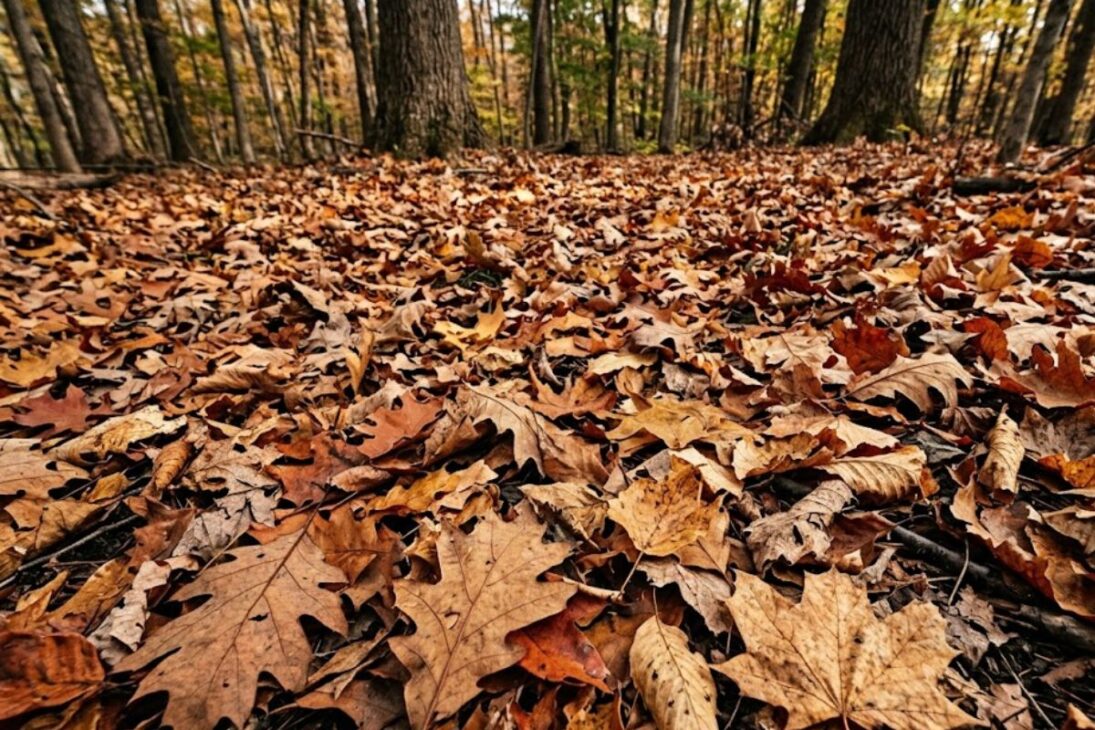
Dry leaves are abundant in gardens, tree-lined streets, and backyards, but often end up being discarded. In practice, they represent an important source of carbon, an essential element for forming organic compost.
However, alone, leaves decompose slowly because they have little nitrogen and energy available for microorganisms.
By adding the activation mixture with molasses and humus, this material begins to turn into fertile soil much faster, creating an efficient cycle for reusing natural waste.
Step By Step To Transform Dry Leaves Into Fertile Soil
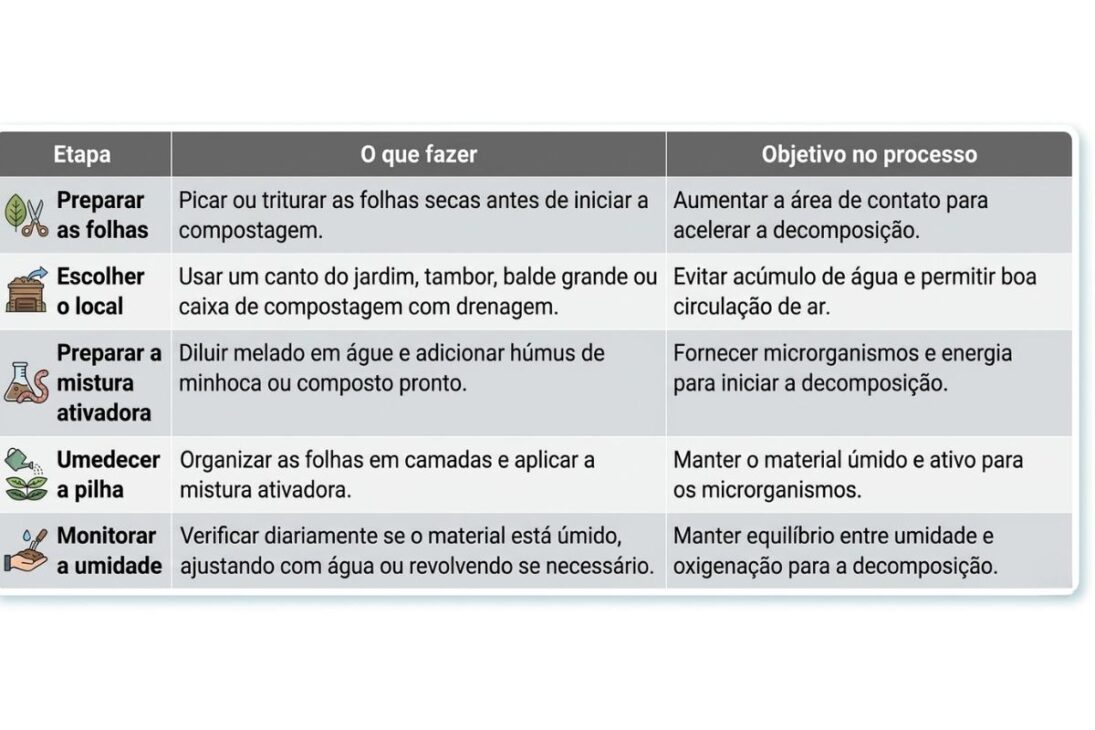
The accelerated composting process follows a few simple steps that organize the work and help maintain biological activity during the early days.
First, the dry leaves should be chopped or shredded. This increases the surface area and facilitates decomposition. Next, choose an appropriate location, such as a drum, large bucket, or compost bin with drainage, avoiding water accumulation and ensuring ventilation.
<p.After that, prepare the activation mixture by diluting molasses in water and adding worm humus or finished compost.
This solution is applied over the layers of leaves to start the process. The moisture needs to be monitored daily to keep the material active and ensure the formation of fertile soil in just a few days.
What Residues Can Further Enrich The Produced Fertile Soil
Although dry leaves are the main element of the method, other organic residues can also be incorporated into the process.
Fruit peels, vegetable scraps, coffee grounds, and crushed eggshells contribute to diversifying the nutrients present in the compost.
This variety of materials enhances the quality of the final compost, providing plants with nutrients such as nitrogen, phosphorus, potassium, and important micronutrients. The result is a more balanced fertile soil capable of sustaining healthy plant growth.
Essential Care To Keep Composting Healthy
Some precautions help avoid problems during decomposition and ensure that the process remains efficient. Excess water, for example, can remove oxygen from the material and cause unpleasant odors.
Keeping the pile aerated is also crucial. Compact leaves hinder air circulation and reduce microorganism activity. When well-balanced between moisture, oxygen, and organic matter, the system quickly and steadily produces fertile soil.
Another important point is to avoid greasy residues, meat, or dairy products. These materials can attract animals and disrupt the biological balance of the composting process.
How The Continuous Use Of This Compost Improves Soil Over Time
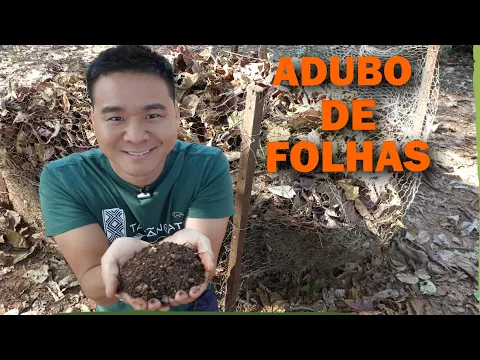

The frequent use of the compost generated by accelerated composting gradually transforms the soil structure. Organic matter increases water retention capacity and promotes the formation of stable aggregates.
In sandy soils, this reduces moisture loss. In heavily compacted soils, it improves air circulation and allows roots to develop more easily.
Over time, the fertile soil created through composting fosters a more balanced environment for plant growth.
The Environmental Impact Of Transforming Waste Into Fertile Soil
In addition to benefiting vegetable gardens and gardens, accelerated composting reduces the volume of organic waste discarded in landfills.
Dry leaves, food scraps, and other natural materials become part of a local nutrient cycle.
This practice also reduces the burning of plant waste in backyards and encourages a more conscious use of natural resources. Transforming leaves into fertile soil shows that what is often considered trash can, in fact, be a valuable resource for home cultivation.
<p.Accelerated composting reveals that producing fertile soil does not necessarily depend on chemical fertilizers or complex processes.
With dry leaves, molasses, worm humus, and water, it is possible to create a rich compost in just a few days and strengthen gardens and plots in a natural way.
This simple method also demonstrates how small everyday waste can gain new utility within the growing space itself.
The question that remains is straightforward: have you tried turning dry leaves into fertile soil in your garden or vegetable patch? Share your experience or opinion; your response can help others who want to get started.










Seja o primeiro a reagir!