





 Portuguese
  English
  Spanish
  5 min of reading
  0 comments


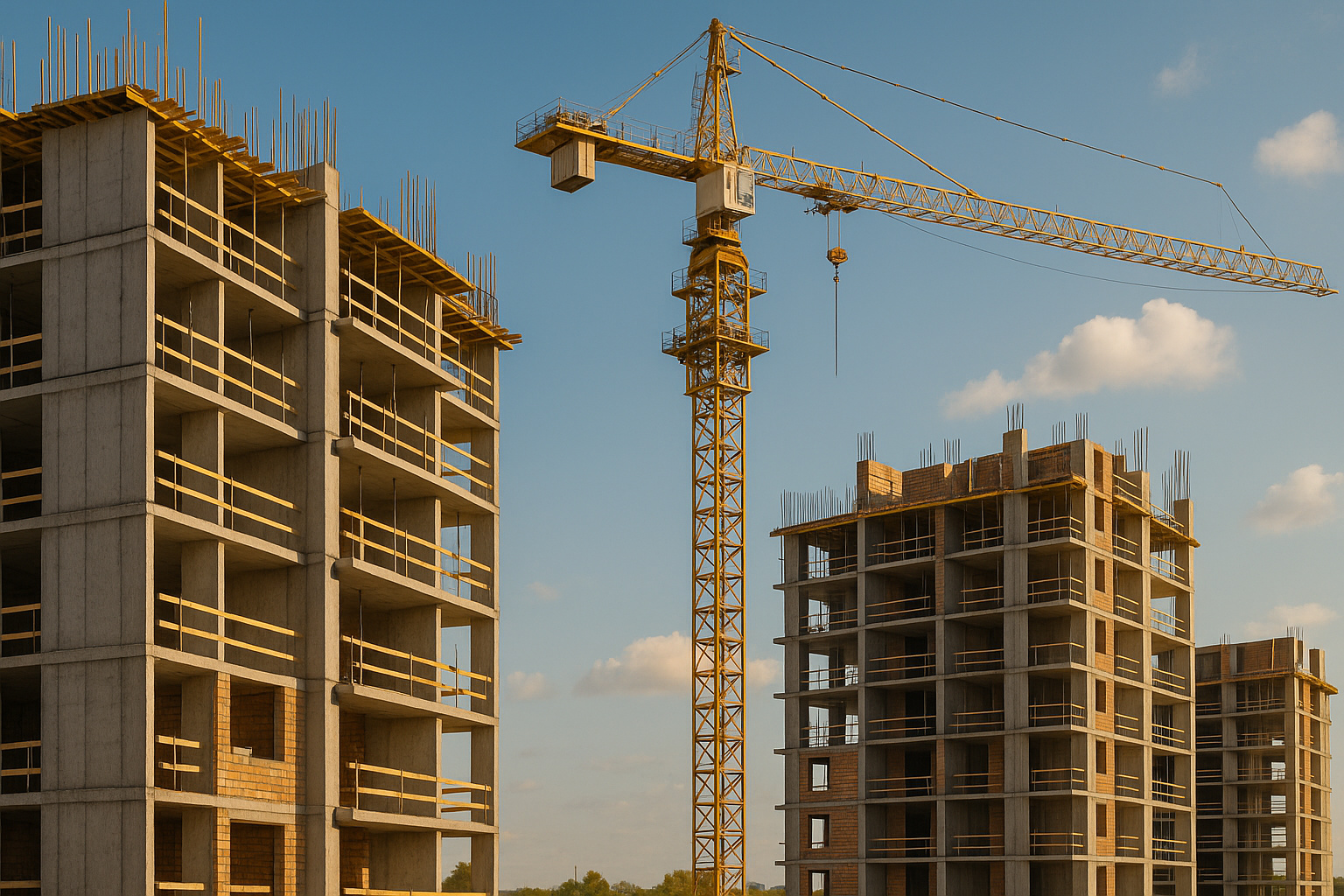
Discover How Construction Methods Evolved Over Time and Why They Are Fundamental to Ensure Safe, Efficient, and Sustainable Buildings.
The construction industry is one of humanity’s oldest activities.
Since ancient times, humans have sought ways to protect themselves from the elements, create shelter, and organize living spaces.
In this context, construction methods emerge as a set of techniques and processes to define how a building will be constructed.
-
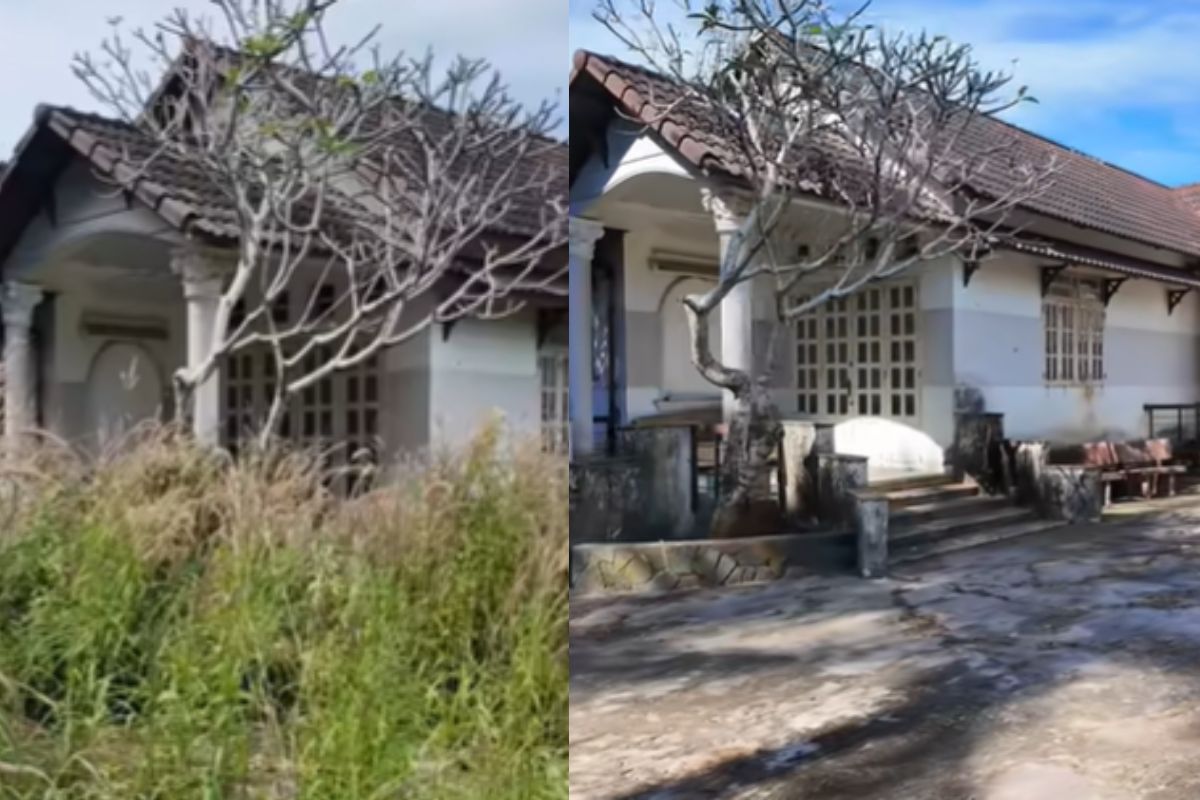
Abandoned house for 15 years disappears in the woods, shocks owner with unrecognizable scenery and is reborn in an intense transformation after almost 90 hours of work in just 10 days.
-
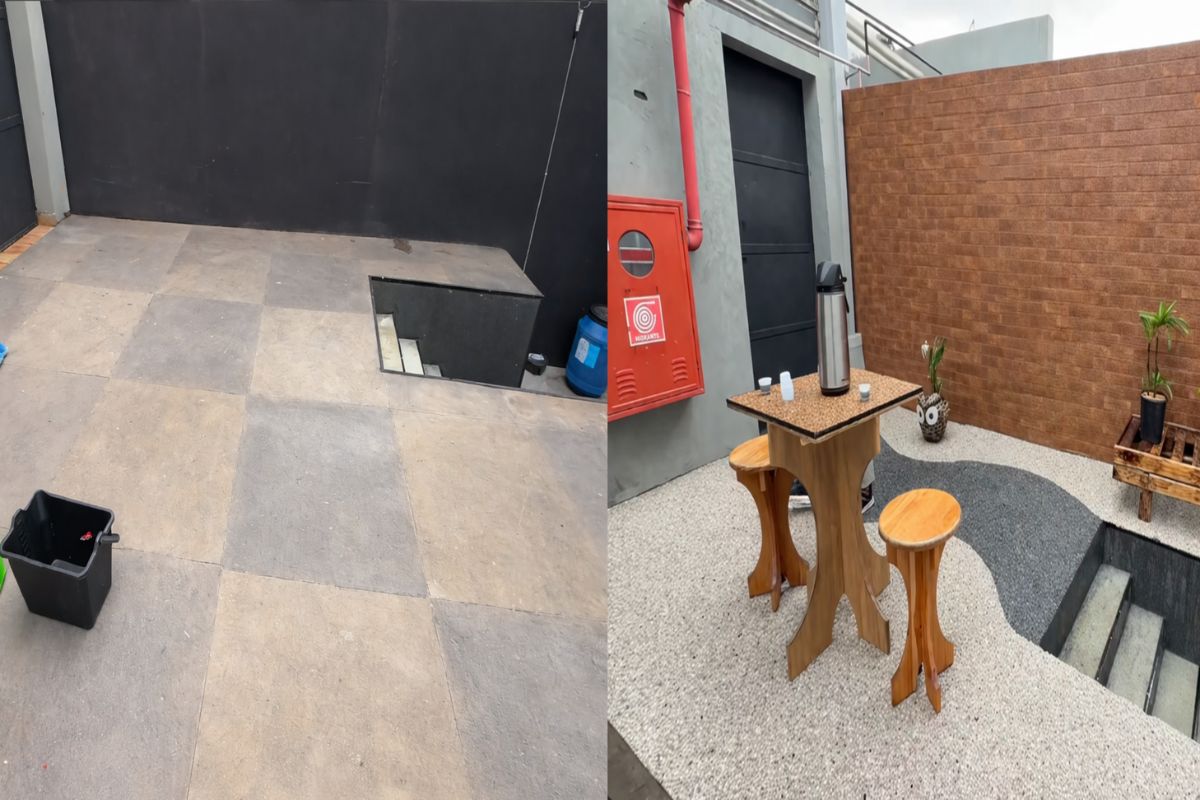
In just three hours, a natural stone floor transforms the entrance of the house with an organic effect, immediate drainage, and a sophisticated non-slip finish that doesn’t puddle water, dries quickly, and impresses with the final result.
-
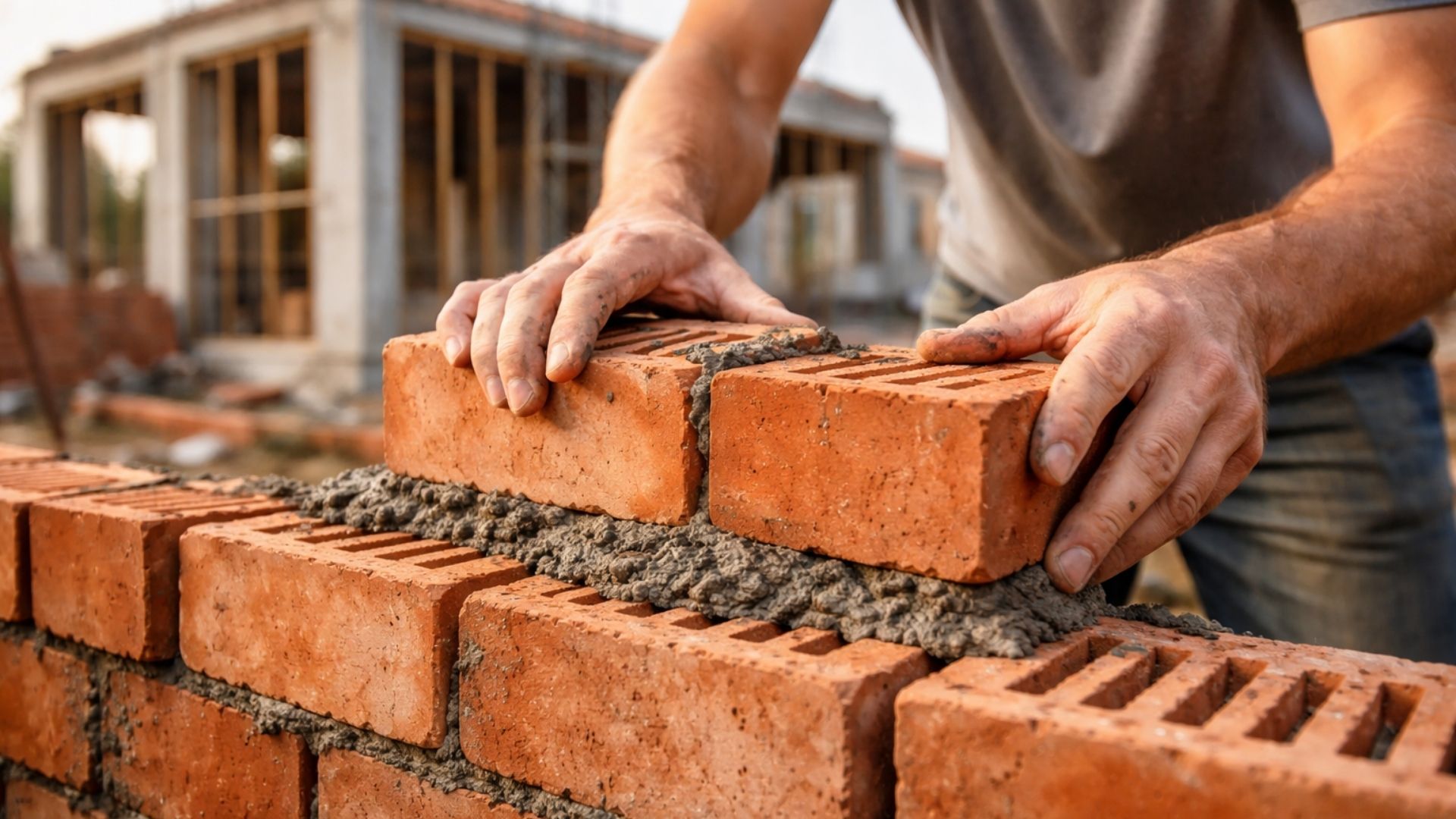
‘Interlocking brick’ made of earth arrives in the construction industry with cost reductions of up to 40% on the project.
-
Espírito Santo will receive the largest engineering project in its history with the duplication of BR 262, which will have 50 viaducts, 28 bridges, and 2-kilometer tunnels cutting through the most challenging mountainous region of the entire state.


According to the National Institute of Historic and Artistic Heritage (IPHAN), the earliest known construction techniques date back to over 10,000 years ago in prehistory when humans began using stones and clay to build their shelters.
This shows that from an early age, humans were already seeking technical solutions to erect resilient buildings.
In ancient times, peoples such as the Egyptians, Greeks, and Romans developed specific construction methods according to the resources available in their environments.
The Egyptian Museum of Cairo emphasizes that around 2600 B.C., Egyptians mastered the use of solid stone blocks, allowing the construction of the pyramids, structures that still impress with their durability today.
On the other hand, according to the Roman Museum Foundation, from the 1st century B.C., the Romans revolutionized construction with the use of primitive concrete, mortar, as well as arches and vaults.
These innovations significantly increased the resilience and complexity of buildings, consolidating methods that influence engineering to this day.
During the Middle Ages, between the 5th and 15th centuries, construction took on a religious and defensive character.
The European Institute of Construction History explains that Gothic cathedrals and medieval castles employed methods that prioritized hewn stone and elevated structures, initially using wooden scaffolding.
At that time, knowledge was empirically passed down among craftsmen, and projects took years to complete, highlighting the importance of patience and technique.
The Impact of the Industrial Revolution on Construction Methods
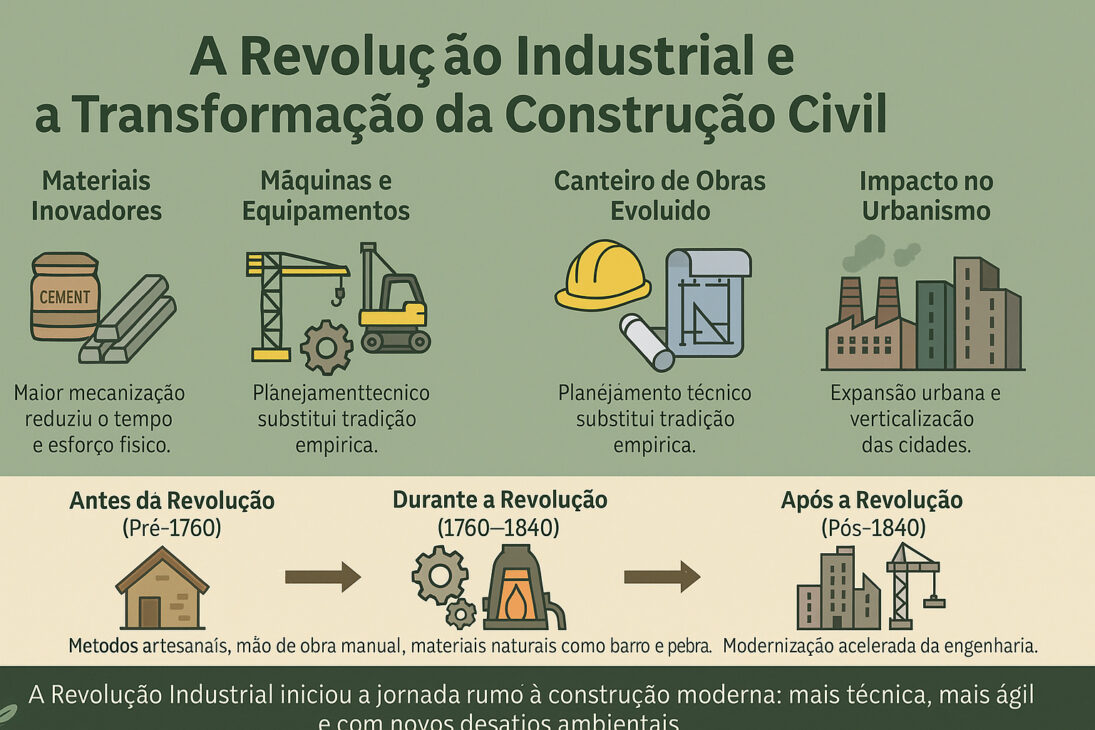
However, the Industrial Revolution, which took place between 1760 and 1840, brought a significant transformation in construction methods.
According to the Science and Industry Museum of the United Kingdom, this period marked the emergence of mass production of materials such as steel and cement, which allowed for taller, more resilient, and faster constructions.
As a consequence, buildings with metal structures and deep foundations began to emerge, consolidating modern engineering as a technical and scientific field and leaving behind the exclusivity of artisanal construction.
In the 20th and 21st centuries, construction methods diversified even further.
The Brazilian Concrete Council (CBC) informs that reinforced concrete started to be widely used in Brazil from the 1920s, allowing for safe, flexible, and economical constructions.
Additionally, new technologies such as drywall, steel frame, and wood frame gained traction.
These industrialized methods offer quick, sustainable, and economical solutions, as well as reducing waste and environmental impacts.
According to the National Institute of Technology (INT), since the early 2000s, digital tools such as Building Information Modeling (BIM) have been revolutionizing the way projects are designed and executed, increasing precision, resource savings, and collaboration among professionals.
Thus, technological advances facilitate the choice of appropriate construction methods, optimizing timelines and costs for each project.
Traditional and Industrialized Methods: Differences and Applications
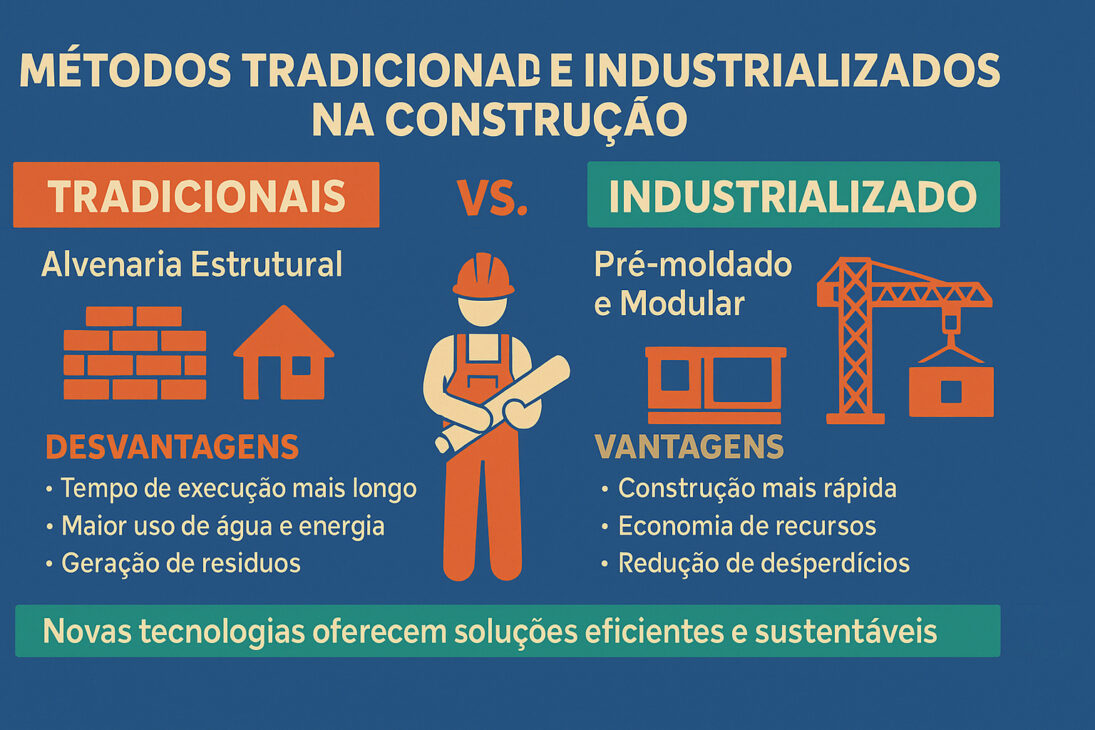
Currently, structural masonry, a conventional method known in Brazil, still dominates residential and commercial constructions.
However, the Brazilian Institute of Economics of Getulio Vargas Foundation (FGV IBRE) warns that this traditional method requires more time, higher consumption of water and energy, and generates considerable waste.
On the other hand, industrialized methods such as precast, modular, and steel frame speed up projects, ensuring standardized quality and reducing waste.
According to the Brazilian Steel Frame Market Association (ABEST), steel frame is lightweight and versatile, ideal for earthquake-prone areas or challenging terrains.
Environmental concerns have grown, and the construction industry is seeking sustainable alternatives.
The United Nations Environment Programme (UNEP) highlights the use of recycled materials, water reuse, solar energy, and green roofs as essential practices to reduce environmental impacts.
Furthermore, advancements in sustainable techniques are linked to the circular economy, which encourages reuse and waste reduction.
Eco-friendly materials, such as compressed earth blocks and certified woods, are gaining ground, requiring professionals to be knowledgeable in both traditional and sustainable methods.
Construction methods also impact safety, thermal and acoustic comfort, durability of the building, and property valuation.
The International Sustainable Construction Association (ISCA) states that well-planned buildings reduce maintenance costs and increase energy efficiency.
According to ISCA, technologies such as off-site construction and 3D printing open new avenues for the sector, providing innovative solutions to old challenges.
The Social and Environmental Importance of Construction Methods
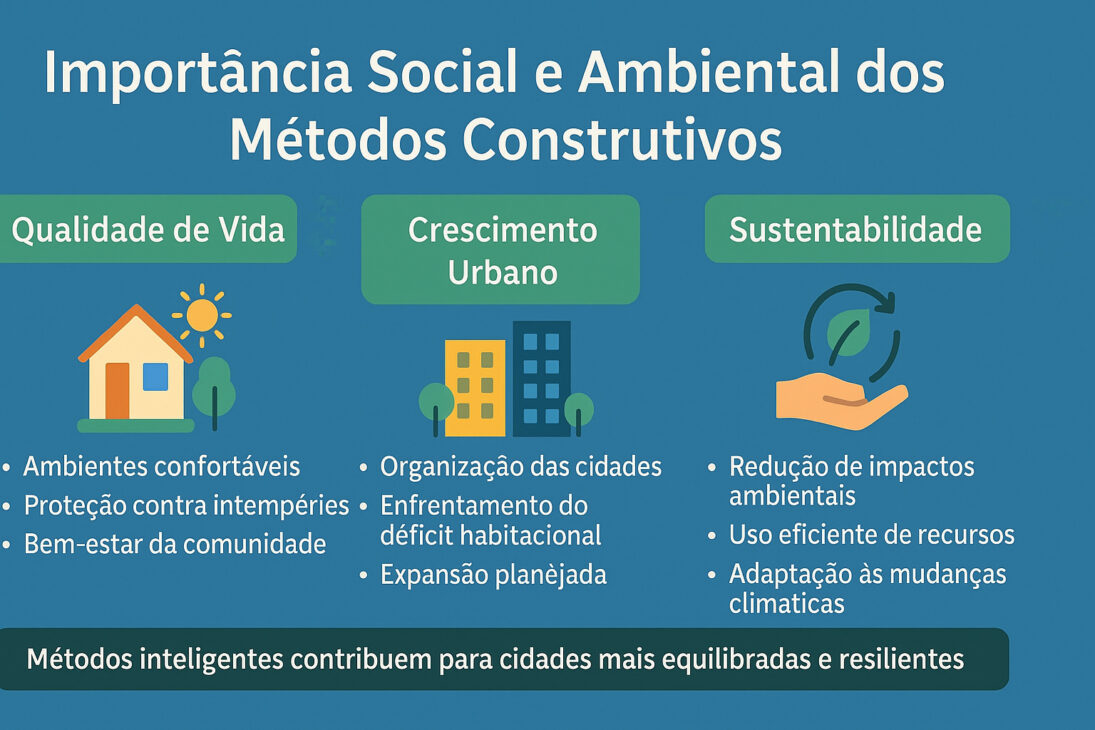
Construction methods reflect how a society creates its spaces, organizes cities, and faces challenges such as urban growth, housing deficits, and climate change.
Therefore, opting for smart and sustainable methods is essential for a balanced future.
The choices made in planning directly influence the quality of life of occupants.
Choosing appropriate materials and techniques ensures environments with comfortable temperatures, less noise, and greater protection against the elements.
This highlights the connection between construction methods and the well-being and health of communities.
Understanding construction methods and their impact on the quality and efficiency of buildings is fundamental, even for those who do not work in technical fields.
Each house, building, bridge, or school results from technical decisions, material selection, and careful execution.
In summary, construction methods represent the heart of the construction industry.
From ancient times to today, they have evolved to meet society’s needs and keep pace with technological and environmental transformations.
Therefore, understanding their importance is essential to ensure safer, more durable, and sustainable buildings.
By valuing this knowledge, we make way for a future where engineering and architecture go hand in hand with innovation and respect for the environment.











Seja o primeiro a reagir!