





 Portuguese
  English
  Spanish
  5 min of reading
  0 comments


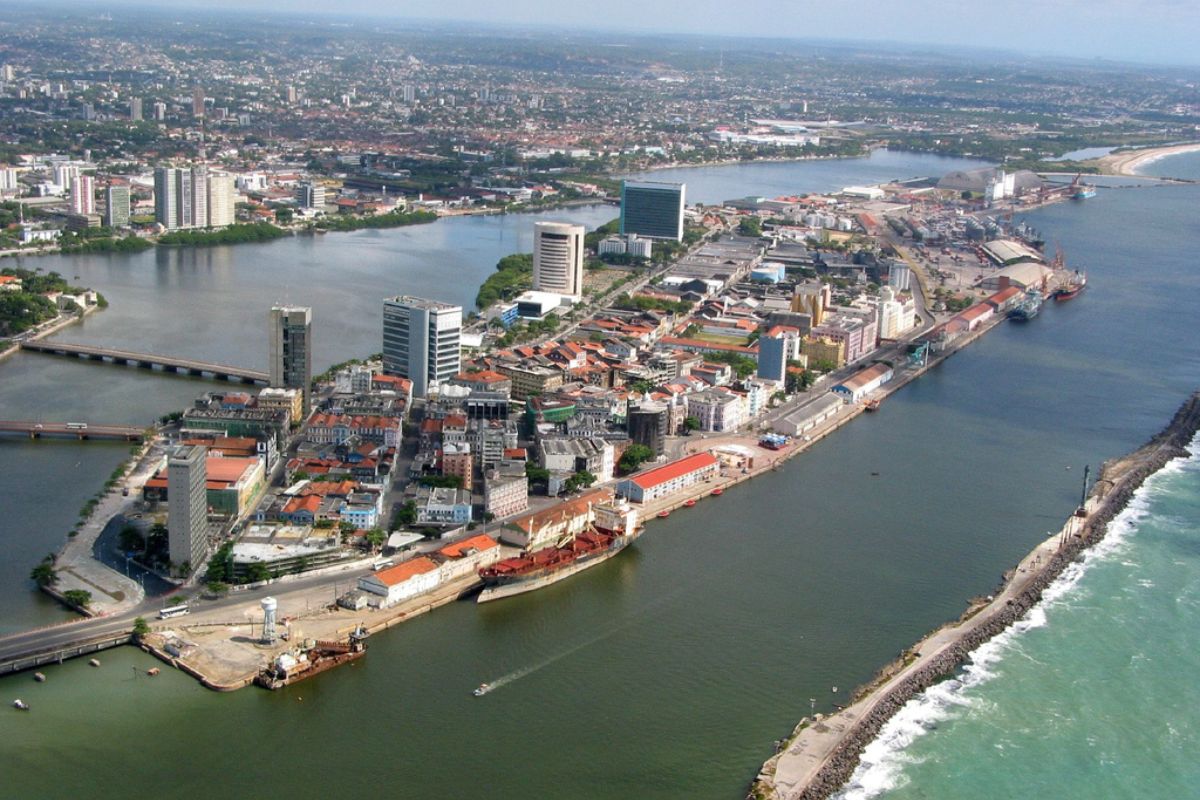
An Investigation Reveals That the Capibaribe River, a Postcard of Recife, Faces Severe Contamination by Imperceptible Chemical Products. This Hidden Pollution Threatens the Ecosystem and the Health of the Population of This Important Brazilian Metropolis.
The Capibaribe River, the waterway that defines the landscape and cultural identity of Recife, hides a growing danger. Besides the visible garbage and sewage in its dark waters, a complex mix of invisible chemical pollutants poses a quiet but severe threat to this Brazilian metropolis.
Studies indicate that the true extent of this chemical contamination is underestimated. The lack of comprehensive monitoring for substances like heavy metals, pesticides, and microplastics masks the real risks, with potentially serious consequences for the environment and public health.
Capibaribe, Vital Vein of a Brazilian Metropolis, Under the Mantle of Hidden Contamination
The Capibaribe River is more than a watercourse for Recife; it is its backbone. However, the iconic image of the “Brazilian Venice” contrasts with the reality of its waters. The apparent pollution is just the tip of the iceberg. Beneath the surface, a contamination by a myriad of ‘invisible’ chemical pollutants spreads, representing a chronic and underreported problem affecting this entire Brazilian metropolis.
-
A forgotten cord on the floor of a basement in Vienna leads a plumber to a box containing 30 kilograms of gold with Mozart’s face, hidden before World War II. The treasure, worth 2.3 million euros, was just centimeters away from a worker who ignored the sign a day earlier.
-
A couple buys an old chalet, breaks the kitchen floor for renovation, and finds over a thousand coins of gold and silver hidden since the English Civil War over 4 centuries ago.

-
Rigid bags with their days numbered: new trend prioritizes comfort in 2026.

-
YouTuber creates an excavator equipped with a giant 4.5-meter sword to challenge his brother to a rematch, and the invention quickly goes viral on social media.

The Toxic Cocktail Hidden in the Waters and Sediments of the Capibaribe
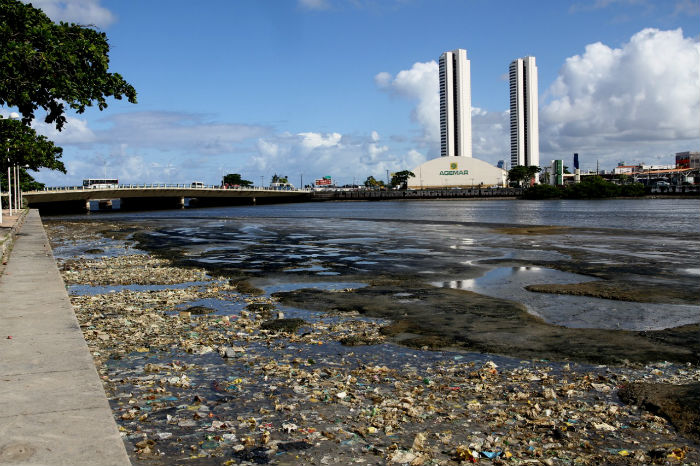
Scientific research confirms the presence of a concerning toxic cocktail in the river. High concentrations of heavy metals such as chromium (Cr), copper (Cu), nickel (Ni), lead (Pb), and zinc (Zn) have been found in sediments, according to a study by Araújo Júnior (2021) from UFPE. This contamination, whether from industrial legacy or irregular dumping, is toxic to aquatic life. Maciel’s work (2015) had already demonstrated toxicity in zebra fish embryos due to these pollutants. The leaching from landfills also contributes to this metallic load in the river of the Brazilian metropolis.
Another significant threat comes from pesticides. The Capibaribe basin encompasses agricultural areas. Marques’ thesis (2024) from UFPE detected herbicides such as atrazine and metolachlor in the water of a tributary. In the sediments of the same river, fifty-four distinct pesticide compounds were identified. Alarmingly, many of them are banned or unregistered in Brazil, indicating serious regulatory failures.
Microplastics are also present. A UFPE study revealed that 100% of the analyzed hammerhead sharks from the coast of Pernambuco were contaminated with microplastics. The Capibaribe serves as an important transport vector for these pollutants from land to sea.
In addition, other industrial and emerging contaminants are polluting the river. Previous research identified organotins, such as tributyltin (TBT), Polycyclic Aromatic Hydrocarbons (PAHs), and organochlorines like DDTs and PCBs, in high concentrations in the estuary and coast of Recife. Emerging pollutants, such as pharmaceuticals and personal care products, carried by sewage, add to this worrying list.
Unveiling the Sources of Invisible Contamination Afflicting Recife
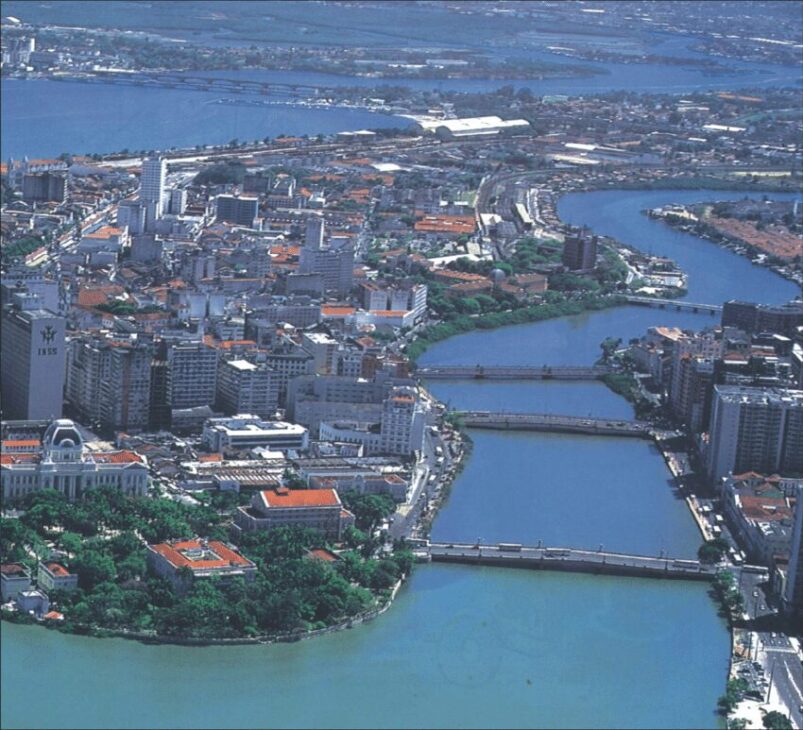
The origin of these chemical pollutants is multifactorial, resulting from a history of human activities and chronic deficiencies. The primary and most significant source of pollution for the Capibaribe River remains untreated domestic sewage released improperly. Data from SNIS (2022) indicate that sewage treatment covers only 34.8% of the volume generated in Pernambuco. Sewage carries not only organic matter but also pharmaceuticals, cleaning products, and cosmetics.
Industrial discharge, both historical and current, also contributes significantly. Nóbrega (2011) identified 65 industries near the river in the Brazilian metropolis of Recife and the surrounding area, with 40% of them being high pollutant potential, primarily from the chemical sector. Regular, accidental, or clandestine discharges represent a constant risk.
The leaching from landfills is another source. Poorly managed or old landfills release leachate, a highly polluting liquid that can contain heavy metals and organic compounds. The case of the Muribeca Landfill, which contaminated nearby rivers, serves as an important warning for the Capibaribe basin.
Finally, agricultural and urban runoff contributes in a diffuse manner. Rain washes pesticides from fields. In urban areas, runoff carries a variety of pollutants, such as vehicle oils and heavy metals, directly into the Capibaribe.
Devastating Impacts of Chemical Pollution: Silent Threats to the Ecosystem and Health in the Brazilian Metropolis
The consequences of this invisible contamination are severe and deeply affect this Brazilian metropolis. Aquatic fauna is directly impacted. Studies have shown that sediments from the Capibaribe estuary have proven toxic to fish embryos, causing cardiac alterations and developmental delays, as highlighted by Maciel et al. (2015). Pollution can lead to mortality of organisms, reproductive problems, and a drastic loss of biodiversity.
Contaminated fish pose a serious risk to the population. Pollutants such as heavy metals and persistent organic compounds can accumulate in the tissues of fish and shellfish. Research by Silva et al. (2010) had already indicated levels of metals in mollusks from the Mangrove Park region exceeding limits considered safe for human consumption. The presence of pesticides and microplastics in the ecosystem also suggests a risk of fish contamination.
The health of riverside communities is particularly vulnerable. Direct exposure to contaminated water and the consumption of fish or water from nearby wells can lead to various health problems. A study by ABRHidro correlated chemical elements present in the Capibaribe with an increased risk of developing hepatitis, kidney problems, Alzheimer’s disease, and lead poisoning, affecting lower-income populations more severely.
The degradation of the riverine and estuarine ecosystem is another severe impact. Eutrophication, caused by excess nutrients from sewage and fertilizers, leads to the proliferation of algae and aquatic plants such as water hyacinths. These plants, when decomposed, consume oxygen from the water, creating lethal conditions for many species and suffocating aquatic life. The loss of critical habitats, such as mangroves, further exacerbates the situation.
Recovery Initiatives: Signs of Hope or Point Solutions for the River of This Brazilian Metropolis?


In light of the contamination scenario, various initiatives aim to mitigate the pollution of the Capibaribe. However, their capacity to tackle the complex chemical pollution on a large scale is questionable. The filter gardens, implemented under the CITInova Project, use plants to purify the water from tributary streams, such as the Cavouco Stream. This technique is promising for treating smaller water flows but has limited capacity for the volume and complexity of the main river of this Brazilian metropolis.
The Capibaribe Park Project is a larger initiative aiming at urban and environmental requalification of the riverbanks. However, there is no clarity on a specific and detailed strategic plan within the project scope to diagnose, monitor, and remediate pollution from “invisible” chemical contaminants throughout the relevant extent of the Capibaribe.
Effective chemical depollution requires more than point solutions. The adoption of integrated and long-term strategies is essential. The Regional Basic Sanitation Plan for the Capibaribe River Basin, by COMPESA, which proposes universal sewage collection and treatment, is a crucial step. However, treatment systems need to incorporate advanced technologies to remove chemical micropollutants.








Seja o primeiro a reagir!