





 English
  Francês
  Alemão
  Italiano
  Japonês
  Norueguês
  Portuguese
  Spanish
  3 min of reading
  0 comments


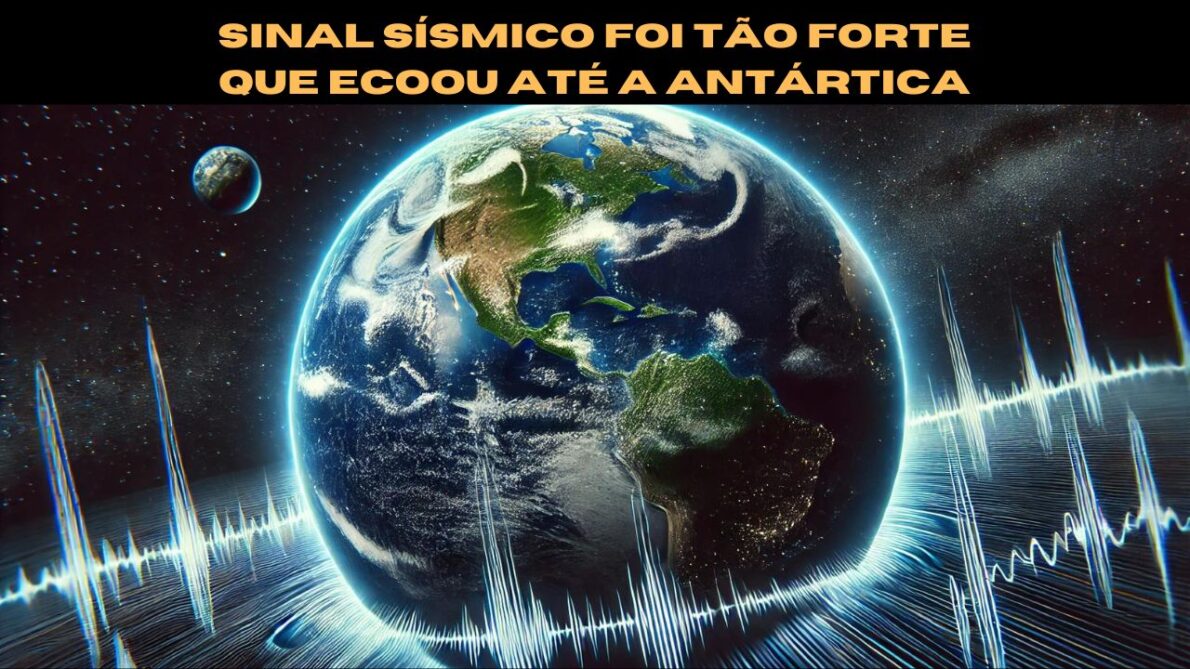
Global Seismic Event Caused by Landslide in Greenland Highlights Impact of Climate Change in the Arctic.
The entire Earth shook for nine days after this climate tsunami, resulting from a catastrophic landslide in Greenland, which not only shook the planet but also triggered massive tsunami waves. The event, revealed by an international team of scientists, drew attention due to its unprecedented magnitude and duration. The seismic signal was so strong that it echoed all the way to Antarctica, marking a new chapter in discussions about the effects of climate change in the Arctic.
In September 2023, an event of epic proportions shook the Earth in a way never seen before: a climate tsunami, originating from a landslide in the remote Dickson Fjord in Greenland, resulted in a tremor that lasted an impressive nine days. This extreme event was caused by the fall of 25 million cubic meters of rock and ice, triggered by the melting of the glacier due to global warming.
Detected Around the World
The consequences were devastating. At the epicenter of the landslide, a 200-meter-high tsunami emerged, destroying cultural and archaeological heritage in the region. Waves of up to four meters in height traveled 70 kilometers, reaching a research base on Ella Island, causing serious damage. “This event was unique for the duration and intensity of the seismic signal, which was detected around the world“, said Kristian Svennevig, a geologist at the Geological Survey of Denmark and Greenland (GEUS).
-
Explorers find Roman treasure trapped between rocks on the seabed for nearly 1,600 years and reveal a desperate attempt to hide 53 gold coins during the invasions of the Empire.

-
Archaeologists discover Roman vase buried for over 2,000 years with more than 175 intact gold and silver coins, revealing a desperate strategy to protect wealth during the collapse of the Empire.

-
With 241 meters, 48 thousand tons, and a structure designed to accompany aircraft carriers at sea, the Chinese ship that refuels fleets in motion was born to push Beijing away from the coast and has become the hidden gear of its naval projection.
-
“Discreet” city in the interior of SP stands out among the smartest in Brazil thanks to a national ranking.
Initially confused with an “unidentified seismic object”, the event surprised scientists with its global dimension. “Landslides and similar tsunamis have generated seismic signals in the past, but they lasted only a few hours and were limited to local areas. This one was recorded globally, even in Antarctica“, highlighted Svennevig.
Climate Tsunami Is a Warning
This climate tsunami serves as a warning about the dangers of the accelerated warming in the Arctic that is occurring on our Earth. The reduction of glaciers, which was already weakening the mountain base in Dickson Fjord, was the trigger for the collapse. And, with the Arctic rapidly heating, Svennevig warned that events like this may become increasingly common. “We have no experience with an Arctic as warm as what we are observing now“, said the researcher, pointing to the urgent need for early warning systems.
Unpredictable Consequences
However, implementing such systems in remote and difficult-to-access regions like the Arctic is a technical challenge. Climate change is not only accelerating the melting of polar regions but also bringing unpredictable consequences, as demonstrated by this impressive event in September 2023.
The entire Earth shook for nine days, a painful and constant reminder that the Earth’s climate is changing, and natural disasters that we considered rare or impossible are now lurking with each new melting of ice in the Arctic. This climate tsunami is just the beginning of an era where the effects of global warming will be felt more intensely, even in the most inhospitable places on the planet.
The entire Earth shook for nine days after this climate tsunami, leaving a trail of destruction and a clear warning about the impact of climate change. With the Arctic rapidly warming and extreme events becoming more frequent, the question remains: are we prepared to deal with natural disasters of this magnitude in an increasingly unpredictable future?








Seja o primeiro a reagir!