





 Portuguese
  English
  Spanish
  3 min of reading
  1 comment


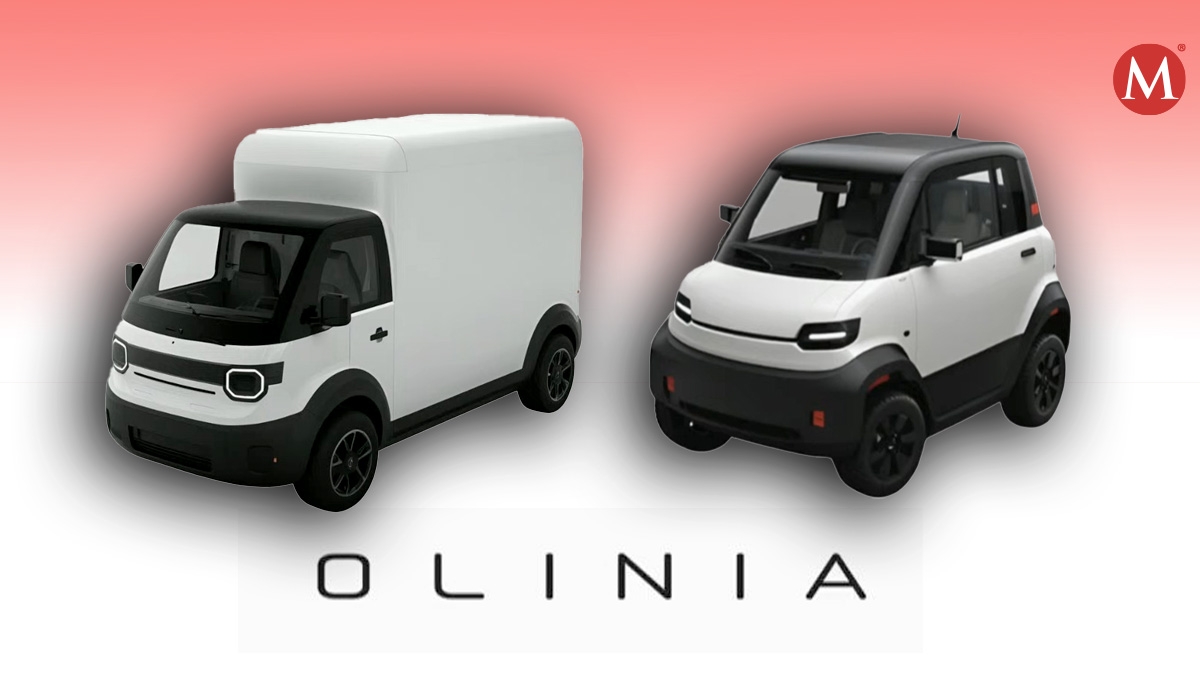


Mexico Revolutionizes The Automotive Market By Launching An Electric Car That Costs Five Times Less Than The BYD Models And Is Cheaper Than A Motorcycle.
Mexico is set to make history at the 2026 World Cup with the debut of Olinia, the first electric car produced entirely in the country. The announcement, made by the administration of Claudia Sheinbaum, revealed that the car will be presented during the opening match of the tournament in Mexico City.
The project, led by the Ministry of Science, Humanities, Technology and Innovation (Sectei), is part of an ambitious clean mobility plan introduced in the presidential inauguration speech in October 2024.
With an initial budget of 25 million pesos (around 1.2 million dollars), the initiative aims to revolutionize the Mexican automotive sector by aligning cutting-edge technology and sustainability.
-
Goodbye expensive popular car: electric vehicle for less than R$ 70,000 starts being sold in Brazil with a range of 200 km and targets those looking to escape gasoline.
-
China Surprises Automotive Industry With Battery That Promises Electric Car Able to Run Up to 1,000 km Without Recharge
-
Why BYD Grew So Fast in Brazil and How Blade Batteries, Electric Cars, and Industrial Incentives Shaped This Expansion in the National Automotive Sector
-
Electric Cars Make Progress in Brazil in 2026 and Promise to Reduce Drivers’ Costs with Cheaper Energy, While Infrastructure Grows Slowly Across the Country
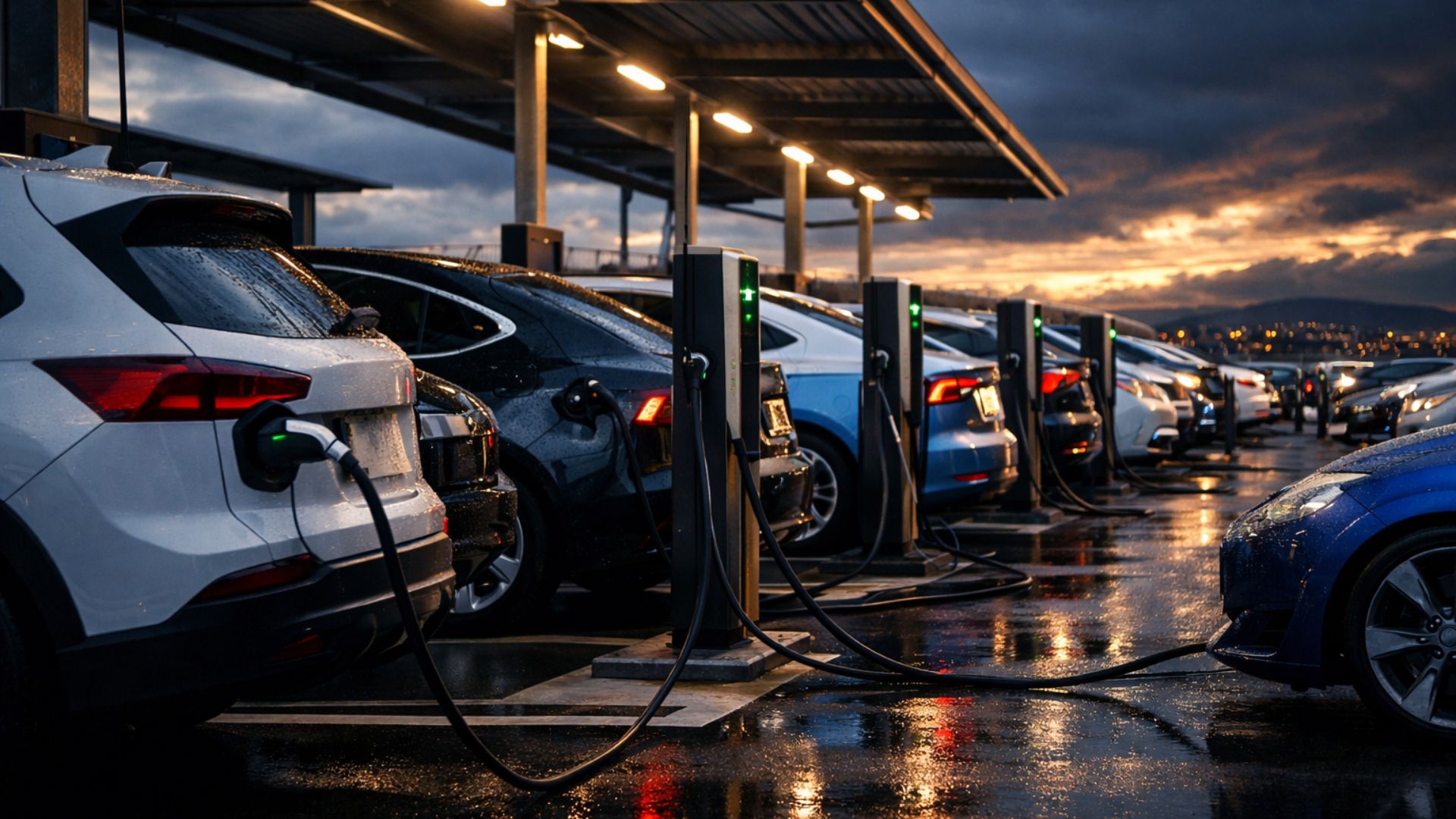

Origin of the Name and Cultural Symbolism
Olinia, which in Nahuatl means “movement“, reflects the vehicle’s goal of promoting sustainable mobility and technological innovation.
Designed and assembled entirely in Mexico, the car will have its production base in the state of Sonora, a region with vast solar resources that drive the development of clean energy.
According to Claudia Sheinbaum, the name also symbolizes the commitment to strengthening the local automotive industry and positioning Mexico as a reference in the electric vehicle market in Latin America.
Production and Models Available in Mexico
The initial production will feature three models tailored to various urban demands. Two of them will focus on short routes and family use, while the third model, aimed at transporting goods and local deliveries, will serve the growing urban logistics market.
This diversity allows for catering to both young people looking for sustainable options and small businesses that need economical and ecological alternatives for deliveries.
Environmental Impact and Design Innovation
One of Olinia’s main objectives is to reduce fossil fuel emissions in the transportation sector. Rosaura Ruiz, Minister of Sectei, emphasized that the project aligns with the energy transition promoted by the federal administration.
The vehicles will be compact, designed to optimize urban space usage and improve traffic flow in major Mexican cities.
The proposal is to offer practical solutions to mobility issues, ensuring that sustainability and functionality go hand in hand.
Competitive Price as a Differentiator
One of Olinia’s biggest attractions is its price. With estimates ranging from 90,000 to 150,000 pesos (approximately 4,400 to 7,400 dollars), it will be a significantly more accessible option than competing electric models in the Mexican market.
While brands like JAC, Renault, and BYD offer electric vehicles in the range of 350,000 pesos (17,200 dollars), Olinia seeks to democratize access to electric mobility in the country, encouraging a broader transition to sustainable alternatives.
Safety as a Priority in Design
User safety was also a focus in the development of Olinia. In a context where the number of accidents involving motorcycles has been increasing, the vehicle’s design aims to offer a safer and more functional alternative.
“We want a compact and functional car that is a viable and safer alternative to motorcycles,” said Sheinbaum. The model combines modern technology with design efficiency to provide a reliable and accessible driving experience.
A Milestone for the Future of Mexico
The presentation of the Olinia electric car at the 2026 World Cup will be an iconic moment for Mexico. In addition to hosting the largest sporting event on the planet, the country will be showcasing its capacity to lead technological and sustainable innovations.
More than just a vehicle, the project reflects Mexico’s commitment to clean transport, citizen safety, and sustainable economic development. Olinia is a concrete example of how to combine accessibility and technology to shape a greener and more promising future.







Primeiro, só se pode fazer comparações entre coisas iguais, semelhantes, nunca entre um veículo que oferece um certo conforto e um compacto, minimalista, destituído de um mínimo razoável, com o intuito único de dizer que é muito mais barato que o outro