





 Portuguese
  English
  Spanish
  6 min of reading
  0 comments


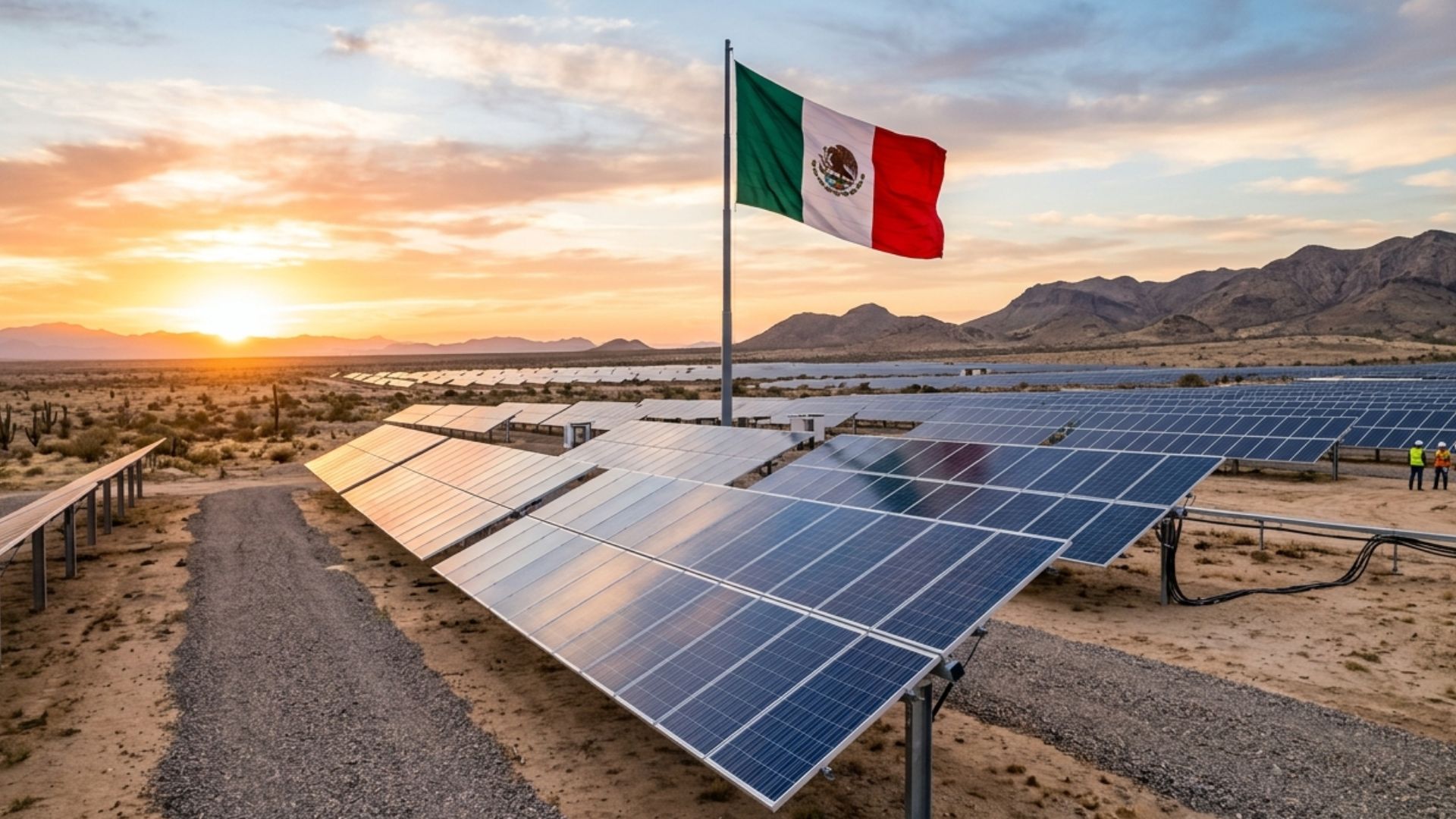
Project in Mexico expands the capacity of the largest solar plant in Latin America with a planned expansion that exceeds 1 GW, boosts solar energy, and strengthens the sustainable energy transition in the country.
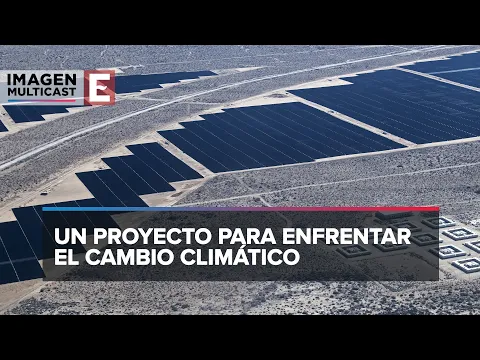
The largest solar plant in Latin America is about to enter a new historic phase. Located in Puerto Peñasco, in the state of Sonora, in Mexico, the plant will be expanded through a planned expansion that promises to raise its capacity to 1 gigawatt (GW). According to a publication by Olhar Digital, this advancement reinforces the country’s position in the solar energy sector, consolidating a growth strategy based on clean sources.
The project is led by the Federal Electricity Commission (CFE), which announced an investment of approximately 30 billion Mexican pesos, equivalent to about US$ 1.62 billion. The initiative is not limited to expanding electricity generation but also includes energy storage and integration with the national grid.
Expected to be completed by the end of 2028, the planned expansion reinforces Mexico’s commitment to the energy transition. More than just an infrastructure project, it is a strategic move to ensure energy security, reduce emissions, and strengthen the presence of solar energy in the country’s electricity matrix.
-
Solar cells have just achieved the “impossible” with this 130% breakthrough.

-
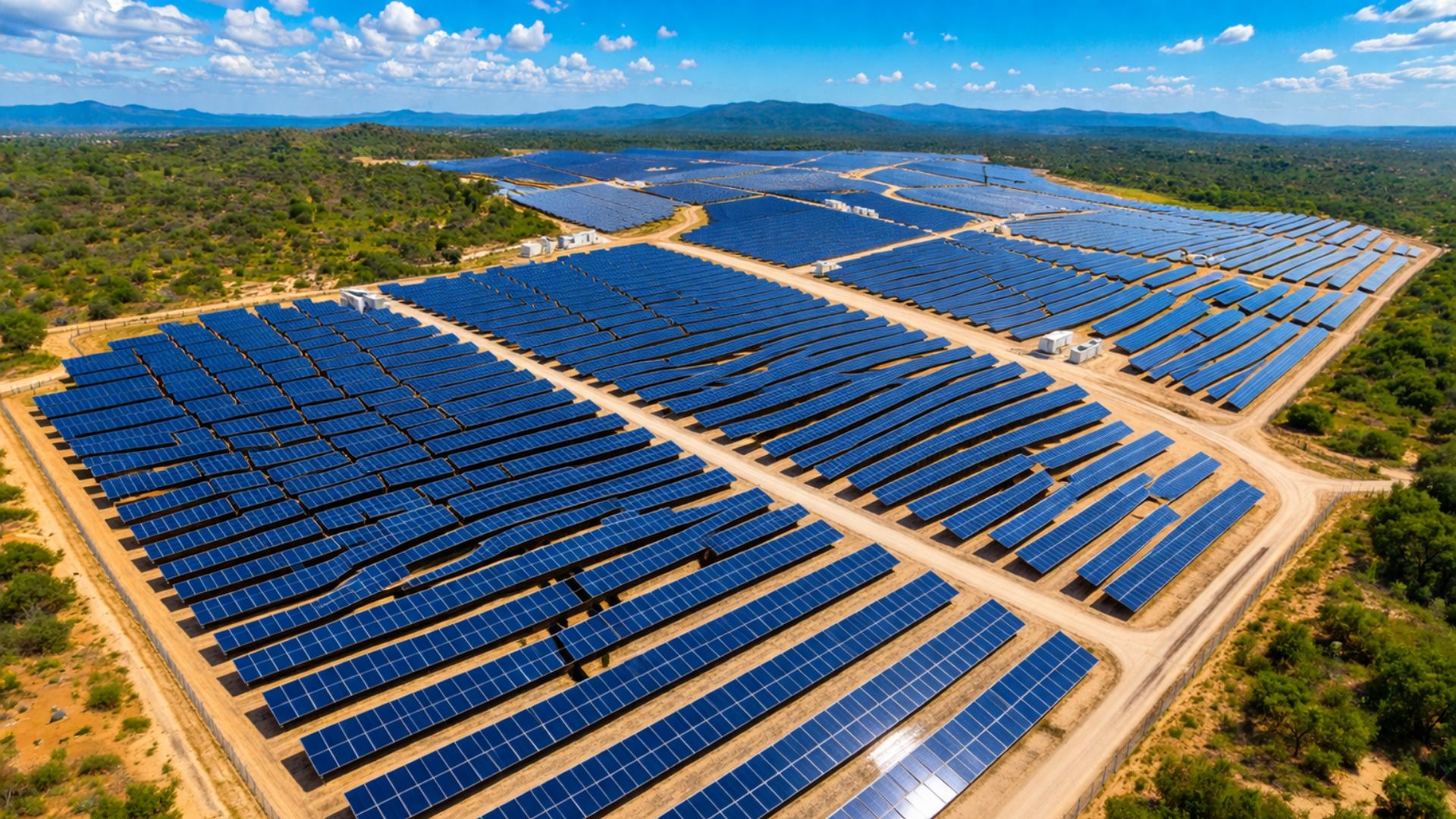
The Sol do Agreste Photovoltaic Complex begins operations in Pernambuco and accelerates the expansion of solar energy in Brazil, directly impacting the reduction of emissions and strengthening the sustainable energy matrix.
-
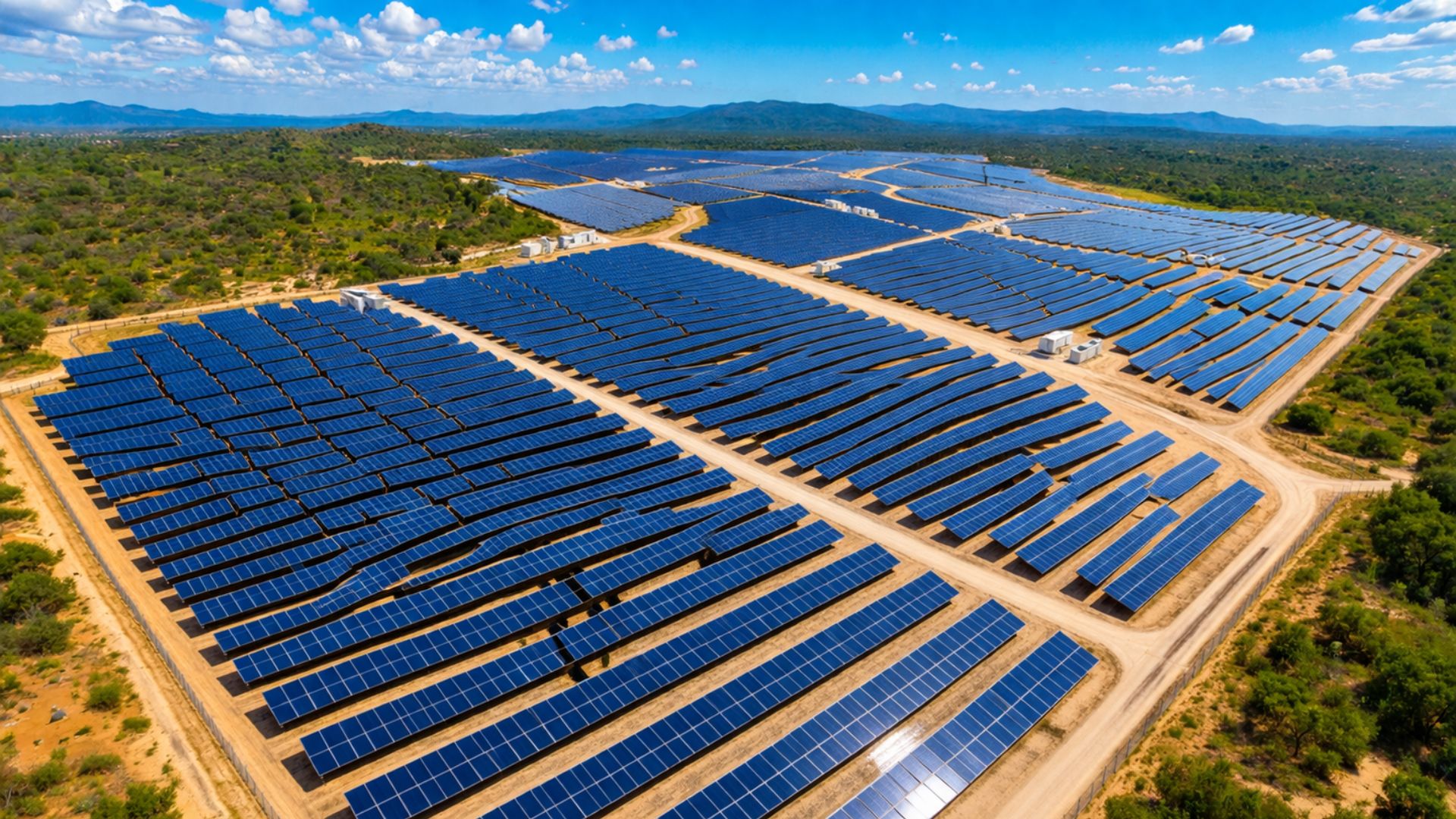
The Sol do Agreste Photovoltaic Complex begins operations in Pernambuco and accelerates the expansion of solar energy in Brazil, directly impacting the reduction of emissions and strengthening the sustainable energy matrix.
-
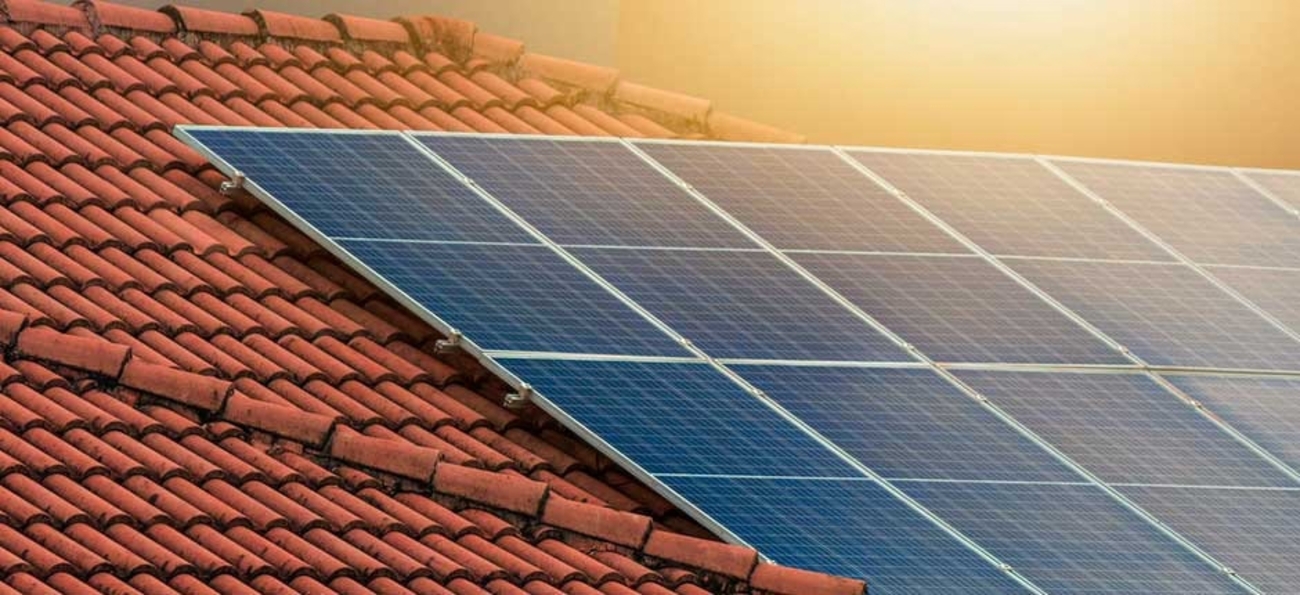
Roraima bets on the sun to escape high tariffs: Amid the energy crisis and price hikes, solar energy is growing in Roraima and transforming consumption in the North region.

Sonora has ideal conditions to expand solar energy on a large scale
The state of Sonora is central to this advancement. The region is considered one of the most favorable in the world for solar energy generation, recording between 300 and 350 days of full sun per year. This natural factor reduces operational costs and increases the efficiency of energy production.
The expansion of the largest solar plant in Latin America will add 580 megawatts (MW) to the existing capacity. With this, the complex will reach the mark of 1 GW, consolidating itself as the largest project of its kind in operation in the region.
Another important differentiator is the inclusion of storage systems. About 30% of the total capacity will be allocated to batteries, allowing for greater stability in energy supply, especially during periods without direct solar incidence.
This combination of high solar radiation and storage technology positions Mexico as a reference in energy innovation. The planned expansion not only increases installed capacity but also improves the quality and reliability of the solar energy generated.
Planned expansion brings solar energy to new strategic regions of Mexico
The CFE’s strategy goes beyond Sonora. The planned expansion includes new solar energy projects in the state of Coahuila, expanding the presence of renewable generation in Mexico.
Two new hubs have been confirmed:
- Rio Escondido, with a capacity of 180 MW
- Carbón II, with a capacity of 376 MW
Like the largest solar plant in Latin America, both projects will feature 30% battery storage. This technological standardization ensures greater efficiency and integration with the national electrical system.
The decentralization of production is a key point. By distributing generation across different regions, Mexico reduces transmission losses and increases the resilience of the energy system. Additionally, the initiative creates local economic opportunities. Among the main benefits are:
- Creation of direct and indirect jobs
- Development of regional infrastructure
- Attraction of new investments
The planned expansion shows that the growth of solar energy in the country follows a structured model, focusing on scale and sustainability.

Solar energy gains prominence in the energy sovereignty strategy
The expansion of the largest solar plant in Latin America is directly linked to a larger goal of the Mexican government: to ensure energy sovereignty through clean sources.
During the official announcement, President Claudia Sheinbaum emphasized that the country seeks an energy system that is “ordered, clean, and sufficient.” The statement reinforces the importance of solar energy as a central pillar of this transformation.
The integration between generation and storage is one of the main advances. By incorporating large-scale batteries, the project reduces intermittency, making solar energy more reliable to meet national demand.
This approach also helps reduce dependence on fossil fuels. As a result, Mexico strengthens its energy autonomy and protects itself against fluctuations in the international market.
The planned expansion of the largest solar plant in Latin America thus represents a decisive step towards a more sustainable and independent energy model.
Technical planning ensures structured advancement of the largest solar plant in Latin America
The execution of the planned expansion follows a rigorous technical model. The CFE works in conjunction with the Ministry of Energy and the National Infrastructure Fund (FONADIN), ensuring institutional alignment and operational viability.
According to Emilia Calleja, the projects are being evaluated by tripartite technical committees. These groups analyze everything from technical aspects to the status of the necessary licenses for each undertaking.
Among the main points evaluated are:
- Technical characteristics of the plants
- Status of environmental licenses
- Integration with the national electrical grid
This governance model reduces risks and increases efficiency in implementation. The largest solar plant in Latin America thus advances based on solid planning and strategic decisions. By adopting this approach, Mexico ensures that the planned expansion is executed in an organized manner, avoiding delays and maximizing results.

New projects expand the reach of solar energy in Mexico
In addition to the already confirmed initiatives, the Mexican government is studying new solar energy projects in different regions of the country. Among the states being analyzed are:
- Durango
- Quintana Roo
- Guanajuato
These projects are still in the technical evaluation phase, but they indicate that the planned expansion of the largest solar plant in Latin America is part of a broader strategy.
The goal is to diversify the energy matrix and expand access to clean energy. This also contributes to regional development, especially in areas with high solar potential. With this movement, Mexico demonstrates that solar energy will increasingly be central to its long-term energy planning.
Economic and environmental impacts reinforce the importance of the planned expansion
The largest solar plant in Latin America generates positive impacts that go beyond energy production. The planned expansion directly contributes to the reduction of greenhouse gas emissions, reinforcing the role of solar energy in the fight against climate change.
In the economic field, the benefits are also significant. The investment of 30 billion Mexican pesos boosts the economy, creates jobs, and strengthens the production chain linked to renewable energy.
Among the main impacts are:
- Reduction of dependence on fossil fuels
- Stimulus to technological innovation
- Greater stability in energy costs
Moreover, the use of battery storage improves the efficiency of the system, ensuring continuous supply even during periods without sun. The planned expansion positions Mexico as one of the main protagonists of solar energy in Latin America.
A new chapter for solar energy in Mexico
The largest solar plant in Latin America symbolizes a turning point in how Mexico produces and consumes energy. With a robust planned expansion, billion-dollar investments, and technological integration, the country is moving towards a more sustainable model.
The Puerto Peñasco project, along with initiatives in Coahuila and studies in other states, shows that solar energy is moving from a complementary role to a central role in the energy matrix.
This movement not only strengthens energy security but also positions Mexico as a reference in innovation and sustainability. The planned expansion of the largest solar plant in Latin America is, above all, a clear indication that the future of energy has already begun — and it is increasingly solar.







Seja o primeiro a reagir!