





 Português
  Inglês
  Espanhol
  3 min de leitura
  0 comentários


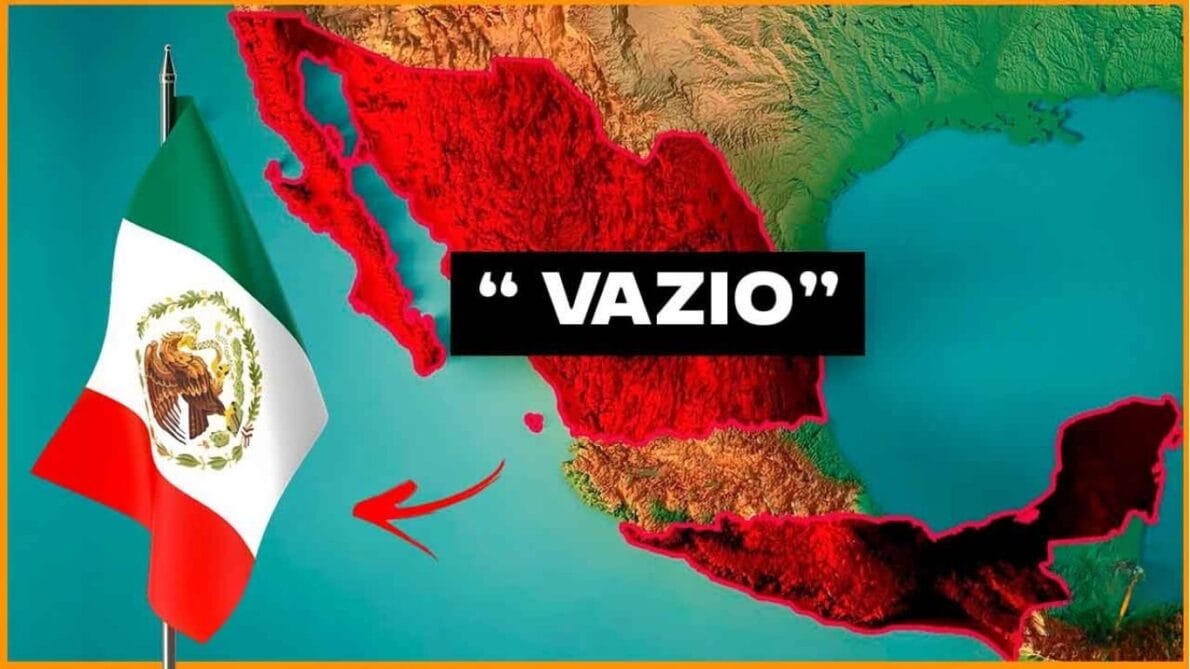
The Fascinating Geographical Contrast of Mexico and Its Influence on Population Distribution Between the South, North, and Central Region
The Mexico is a country full of contrasts, with a diverse geography that directly influences the distribution of its population. Although it is home to over 126 million inhabitants, most of the population is concentrated in a small strip of land in the central region. But what leads 80% of Mexican territory to be sparsely populated? Let’s explore this intriguing question, according to the financial capital channel.
North Deserts: Arid Climate and Challenges for Life
The northern region of Mexico is dominated by vast arid and hot deserts, such as the Chihuahua Desert and the Sonora Desert. These areas face serious difficulties for agriculture and human life due to water scarcity and extreme temperatures. Therefore, it is no surprise that population density in these regions is extremely low. The inhospitable conditions make the development of infrastructure and settlement a Herculean task.
Tropical Regions of the South: Intense Climate and Limited Infrastructure
On the opposite end, the southern region of Mexico is characterized by an intense and humid tropical climate. Although this area is rich in biodiversity, the abundant rains and difficulty in construction on wet terrain present significant challenges for infrastructure development. Roads can be easily damaged by weather conditions, and agriculture faces obstacles due to the nature of the soil and high humidity. This contributes to low population density, with few large urban areas.
-
A bright yellow mushroom imported from Asia escaped from a cultivation farm in the United States in 2010 and is now aggressively spreading across 25 states, destroying entire communities of native fungi in American forests.

-
Buried under China, a colossal machine weighing 20,000 tons began operating as the largest neutrino detector on the planet and, in just 59 days, surpassed results that science took half a century to achieve.

-
Iran enters the center of a climate alert after the war emitted 5.6 million tons of CO2 in two weeks, surpassing the annual pollution of entire countries.

-
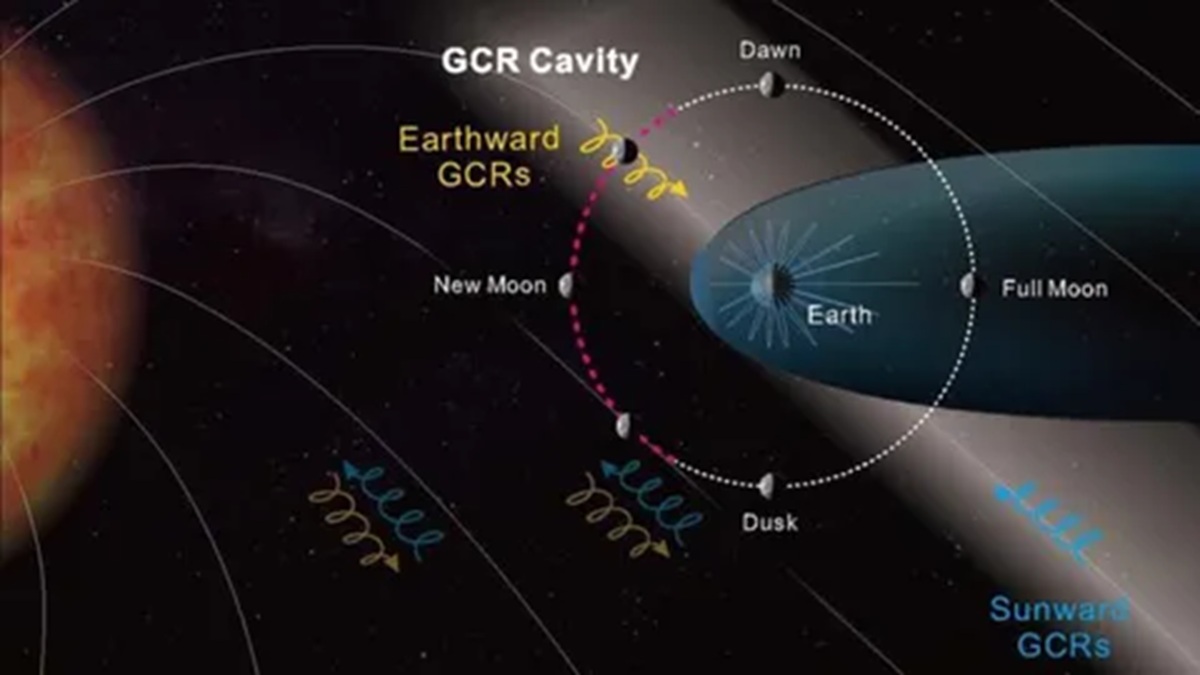
Lunar exploration may change after a Chinese probe finds a “cavity” of radiation that reduces the impact on astronauts by up to 20% at certain times on the Moon.

Central Region: Oasis of Fertility and Mild Climate
On the other hand, the central region of Mexico, where the Mexico City and other large cities like Puebla and Guadalajara are located, offers a mild climate and fertile land. This area benefits from the presence of volcanoes that enrich the soil, making it ideal for agriculture. Additionally, easy access to water and favorable climatic conditions make this region a true oasis of habitability. It is no wonder that most of the Mexican population is concentrated here.
History and Population Patterns
Pre-Columbian Civilizations and the Current Legacy
Historically, pre-Columbian civilizations such as the Mayans and the Aztecs also developed in areas with favorable geographical and climatic conditions. They built their cities and cultural centers in the central and southern regions of Mexico, where there was access to essential natural resources. However, the lack of water resources and droughts led to the decline of some of these civilizations.
In the last 120 years, the Mexican population has continued to concentrate in the same areas, unlike what has occurred in countries such as Brazil, where there was a population shift towards the interior. The tradition of settling in central regions has persisted, perpetuating the population pattern we see today.
Challenges and Opportunities for the Future
With the continuous growth of the Mexican population, challenges and opportunities for the development of the northern and southern regions of the country arise. Investments in infrastructure, irrigation technology, and sustainability initiatives can help make these areas more habitable and productive. However, it is essential to consider the unique geographical characteristics of each region when planning development.
A Country of Contrasts
Therefore, Mexico is a country of contrasts, where geography plays a crucial role in population distribution. While the central region thrives with fertile lands and a mild climate, the northern and southern regions face significant challenges due to extreme climates and infrastructure difficulties. Understanding these factors is essential for planning the future of development and habitability throughout Mexican territory.






Seja o primeiro a reagir!