Portuguese
  Spanish


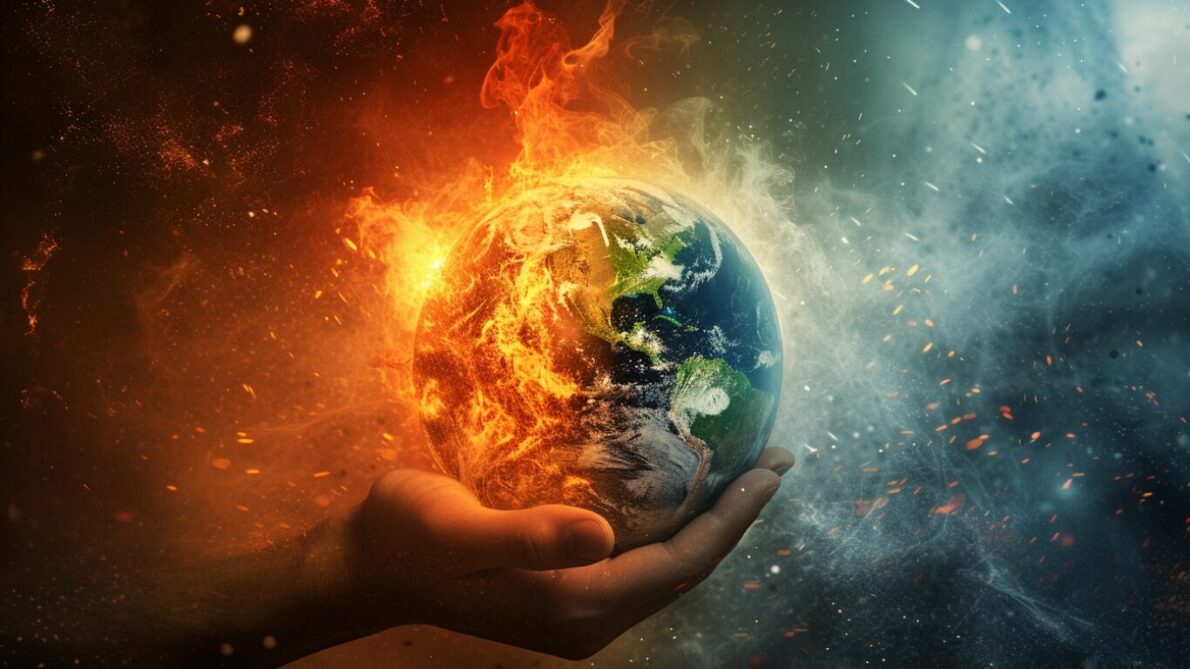

The Revealing NASA Study on the Future of the Planet: South Asia, Persian Gulf, and China Are Also on This List
The NASA, the world’s leading space agency, released an alarming report about the consequences of global warming, pointing out that Brazil and other regions could become uninhabitable in the next 50 years. Using satellite data, the study reveals that, in addition to uninhabitable areas, some regions of the planet will no longer support life. Among the most affected areas are South Asia, the Persian Gulf, China, and of course, Brazil. In February of this year, NASA had already warned that the Earth is 1.5 degrees warmer than in the pre-industrial era, worsening the situation, according to Forbes.
NASA’s studies show that global warming brings severe and far-reaching consequences, affecting various aspects of life on Earth. Here are some of the most concerning impacts:
Sea Level Rise and Extreme Heat
The melting of polar glaciers and ice caps is raising sea levels, threatening coastal areas and displacing populations. Cities like Miami and Rio de Janeiro are particularly at risk. If sea levels continue to rise, many of these areas could become uninhabitable, forcing millions of people to relocate.
-
Tesla injected an additional $250 million into the German factory, doubled the battery cell target, and opened its own production line for startups.

-
No more TV stuck on the wall: Samsung The Freestyle+, the new projector with over 400 lumens projects on walls, floors, and ceilings, bringing cinema to any corner of the house.

-
A Japanese governor single-handedly stalled the construction of the world’s fastest train for nine years, and only now has he agreed to allow a tunnel excavated at a depth of 1,400 meters.
-
Almost 1 billion euros, two gigafactories, and a million-dollar public investment, Chinese company aims to turn Spanish city into Europe’s new battery hub.



Extreme Weather Events
With global warming, heat waves, droughts, floods, and hurricanes are becoming more frequent and intense. These extreme weather events cause significant damage to agriculture, infrastructure, and human health. In Europe and North America, we are already seeing an increase in the frequency of these events, which have devastating consequences for the affected communities.
Changes in Precipitation Patterns
Changes in precipitation patterns are making arid regions even drier, while others face torrential rains. This leads to flooding and soil erosion. Sub-Saharan Africa and Northeastern Brazil are already facing severe challenges with water scarcity, and this situation is only expected to worsen over time.
Ocean Acidification, Heat, and Biodiversity Loss
The increase in carbon dioxide in the atmosphere not only warms the planet but also makes the oceans more acidic. This threatens marine life, especially corals and crustaceans, which are essential to ocean ecosystems. The Great Barrier Reef in Australia is bleaching and dying at an alarming rate. Furthermore, the rise in temperatures could lead to the extinction of various plant and animal species, destabilizing entire ecosystems and impacting the food chain. The Amazon, for example, could lose up to 60% of its species by 2100.
Impacts on Human Health and Socioeconomic Factors
Extreme heat, air pollution, and the spread of vector-borne diseases such as malaria and dengue increase the risk of respiratory, cardiovascular, and infectious diseases. The heat waves in Europe in 2003 caused thousands of deaths, and this could become increasingly common. Additionally, global warming may lead to mass migration, resource conflicts, and significant economic losses. Developing countries, such as those in Africa and Asia, are the most vulnerable to these impacts.
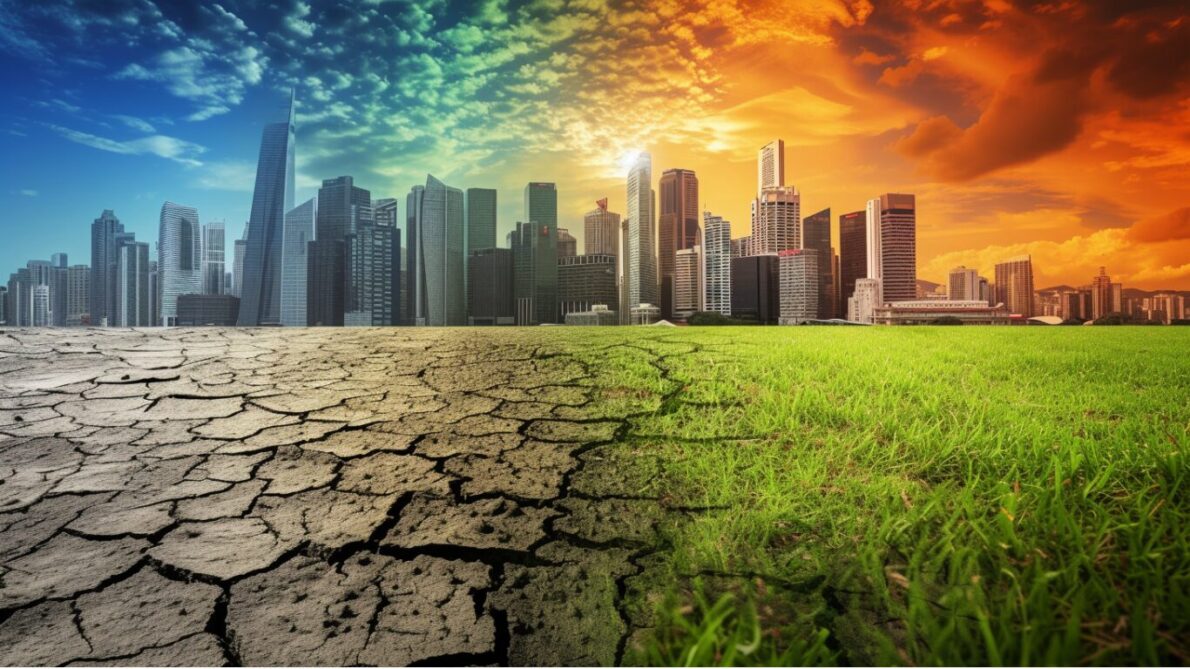
The Future of the Planet Is in Our Hands
The NASA report serves as a clear warning that we need to act now to mitigate the impacts of global warming. Stricter environmental policies, transitioning to renewable energy, and public awareness are essential to ensure a livable future for all. As a reminder, science shows us that there is still time to change course, but the window of opportunity is closing rapidly.
Therefore, based on this concerning scenario, it is crucial that governments, businesses, and citizens unite to face the challenge of global warming. Only through joint efforts can we preserve our planet for future generations.