





 Portuguese
  English
  Spanish
  7 min of reading
  0 comments


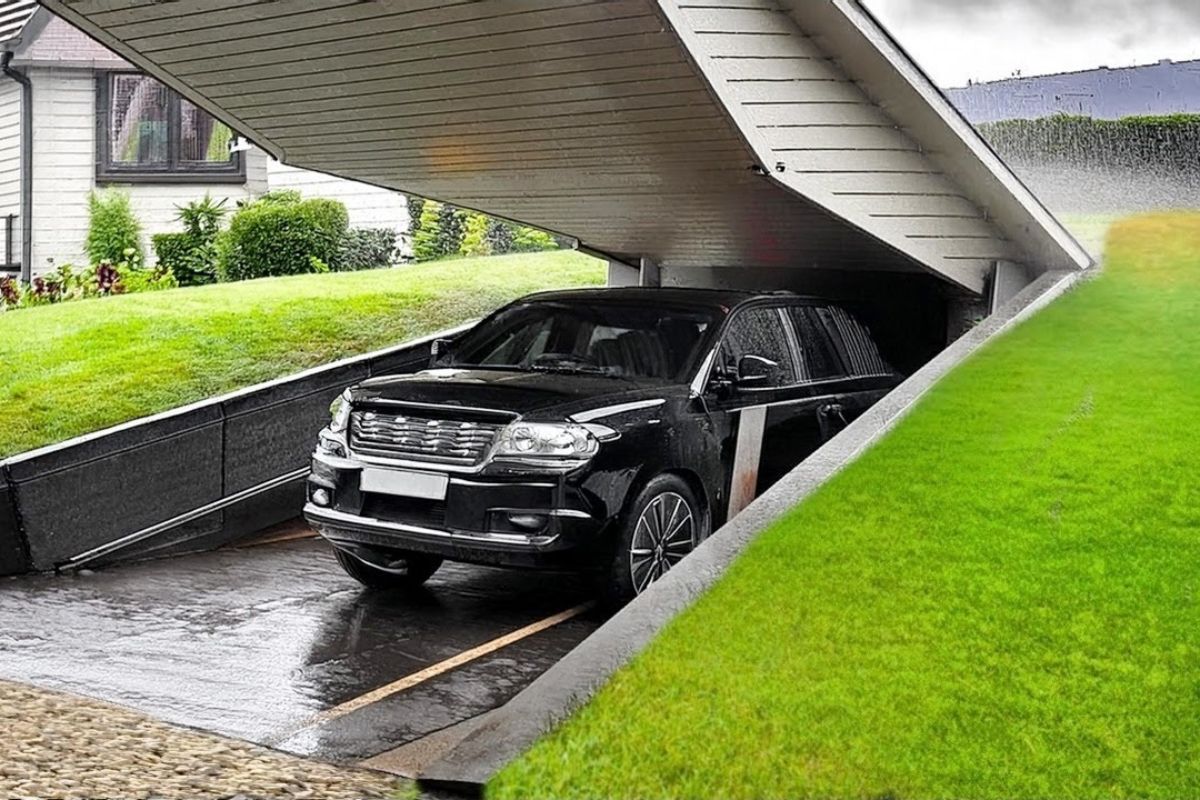
In This House, Hidden Doors and Smart Systems Change the Logic of Environments: Integrated Panels Become Secret Entrances, Gates Open Without Energy, and Pivoting Mechanisms Create Elegant Passages. From Residential Solutions to Public Projects, Technology Advances with Focus on Functionality, Aesthetics, and Practical Use in Daily Life.
No one pays attention to a common wall until the house reveals what was hidden. A door moves, the cladding opens, and suddenly what seemed like mere decoration becomes a secret passage, with an invisible mechanism and perfect finish.
It was exactly this kind of surprise I encountered while gathering examples of hidden doors and modern systems that are changing the way we think about circulation, security, and space utilization inside a house. These are solutions that range from unique designs to mechanisms that work without electricity, always with the same promise: to turn the obvious into the extraordinary.
Why Technology Is Changing the Way to Design a House
Technological developments are transforming door systems, offering more functional, secure, and aesthetic solutions.
-
New CCR concrete paving technology promises roads up to 3x more durable, less maintenance, and cost reduction in Brazil.

-
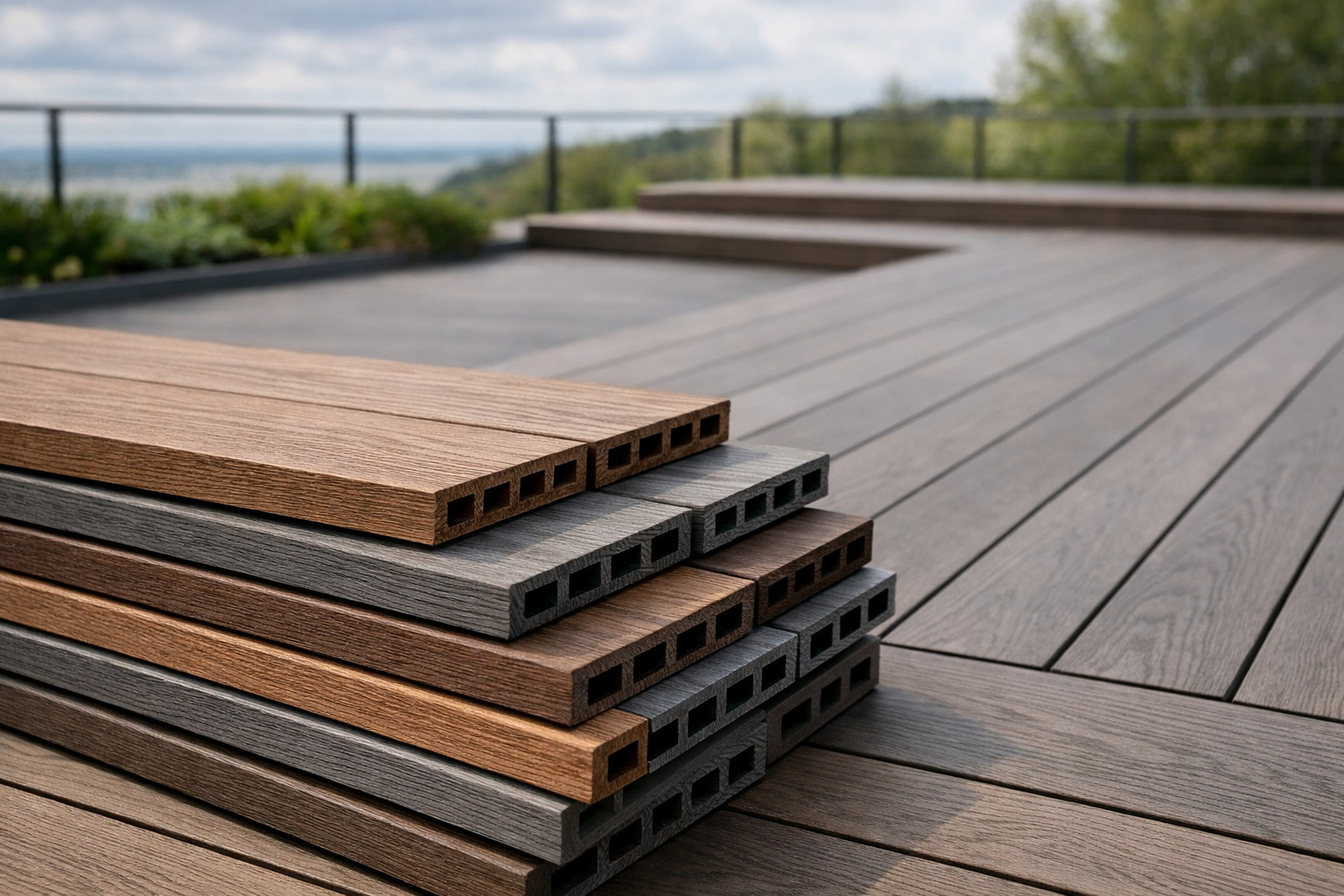
Made from recycled plastic, plastic wood is gaining space in the construction industry because it does not rot, resists moisture, and reduces maintenance costs over the years.
-
Florianópolis will receive a million-dollar BRT that will begin construction in 2026 with nearly 400 million in funding from the federal government and the Inter-American Development Bank, and the map already shows the routes for the exclusive bus corridors.

-
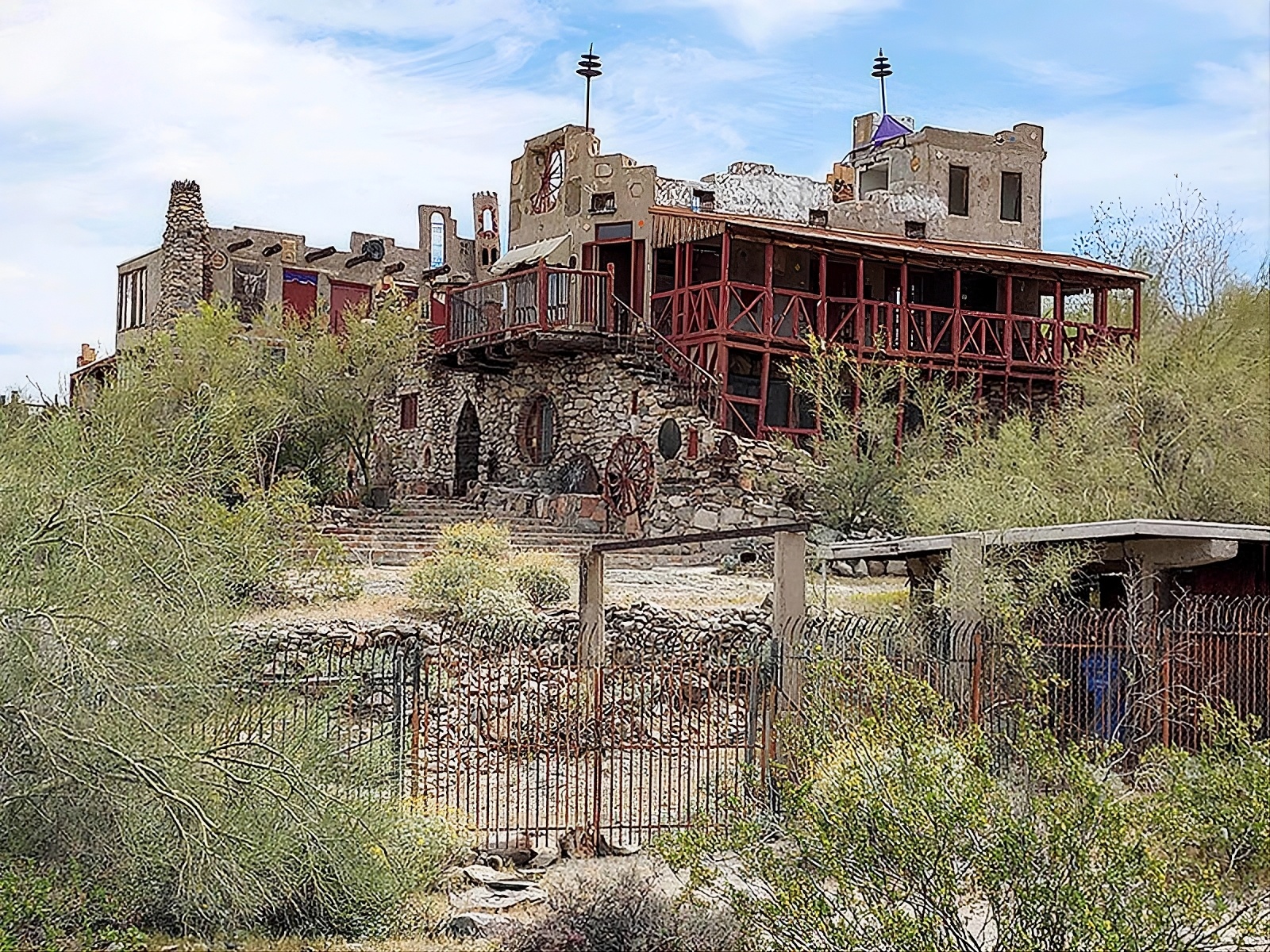
Without a blueprint, without an engineer, and using scrap from the dump, a father spends 15 years building an 18-room castle for his daughter, featuring tram tracks, 13 fireplaces, and over 700 m², which may now be demolished.

In practice, this means that a house no longer needs to treat doors as simple passage points.
They can become architectural elements, fully integrated into the wall, operating more smoothly and providing a clean look typical of modern designs.
These solutions are prominently featured in contemporary architecture and also in designs aimed at special needs, as they allow for controlled openings, reduce effort, save space, and organize environments without cluttering the interior with visible tracks and obvious hardware.
Doors That Become Art: The Signature of Klemens Torggler Inside the House

Among the most striking examples, Klemens Torggler stands out as the creative mind behind exclusive door designs.
The proposal is not just to open and close. Inside a house, Torggler doors function as pieces that combine art and architecture, uniting functionality and aesthetics in a single gesture.

The result is a passage that draws attention even when closed, because the design ceases to be neutral and becomes part of the project’s environment.
Fancy Fence System: Quick and Elegant Protection for Future Spaces
The Fancy Fence System appears as an innovative solution for architects and designers looking to create spaces for the future.
It is described as suitable for private residences as well as public utility areas and installations of public institutions.
The differential lies in the proposal to quickly protect areas around important buildings that require special protection without compromising the visual aspect.
Instead of a coarse blockade, the idea is for the system to be impressive and elegant, something that can be applied consistently even in the surroundings of a house that prioritizes clean architecture.
OzAutogate: Gate That Opens Without Electricity Using the Weight of the Vehicle

In open areas, such as farms, property entrances, and barns, the OzAutogate stands out for dispensing with electricity.
The system uses the weight of the vehicle to open the gate, and after passage, a controlled closing allows the gate to return automatically.
This type of solution changes the routine of those who use rural entrances every day, and it also reinforces an important logic: a house does not rely solely on electronics to be smart.
Sometimes, the gain lies in a well-designed mechanical structure.
Swinging Doors: When the Passage Becomes the Highlight of the Environment
Another presented example is a door that opens by swinging, with a design different from the standard. The promise is simple: to be perfect for those who want to make a difference in their house, as the movement deviates from the expected and creates a strong visual effect.
These systems place the user experience at the center. The opening ceases to be a detail and becomes part of the space’s impact.
Lifestyle Screens: Retractable Door in the Garage Screen and “Out of Sight” Use
The Lifestyle Screens garage screen system includes a retractable passage door that can be easily operated and stored out of sight when not in use.
This detail is crucial in a house that seeks visual organization: the door appears when needed and disappears when not needed.
There is also a sustainability argument: the system is described as a green product for not using electricity and for having 90% of production materials recyclable.
Murphy Door: The Door That Disappears Into the Wall and Creates a Secret Room
When it comes to a secret passage within a house, the Murphy Door is the most direct example.
This is a type of door that can be fully integrated into the wall and hidden when not in use.
The effect is twofold. First, space is gained in small environments, making interiors more organized.
Second, the door can become an architectural trick, as in the described case, where it serves as an entrance to a secret game room.
Invisible Garages: When the Facade Becomes a Wall and the House Deceives the Eyes
Hidden garage doors also emerge as a striking solution. They blend seamlessly with the exterior cladding of the house, appearing as a normal wall as one passes by.
The facade then ceases to “reveal” the garage.
The result is a more uniform exterior, with fewer visual interruptions and a futuristic design feel, without needing to announce the mechanism.
Schweiss: Hydraulic Door That Appears with the Push of a Button
Among the most eye-catching solutions, the Schweiss hydraulic door appears, described as fully functional and activated by pressing a button. What seemed like a wall transforms into a real opening.
This type of mechanism reinforces the central concept: a house can hide invisible systems that are only revealed when activated, combining surprise and utility.
Pivot Door: Rotation on the Floor and Ceiling for Wide Openings
The Pivot Door System is presented as a modern and aesthetic solution that goes beyond traditional hinged doors.
In this model, the door rotates around pivot points on the floor and ceiling.
This creates an impressive look and fits well in wide openings, where a house seeks grandeur and smooth circulation without relying on the conventional standard of side hinges.
Ramps and Automatic Systems: Button Control That Changes Parking
In addition to doors, the automatic ramp is described as a special system used in parking lots.
It operates with a simple button or remote control and, in general, works with hydraulic or pneumatic systems.
It is used in transitions from underground parking to ground level, showing how automation is not just inside the house, but also in the entire access and circulation infrastructure.
Farm Gates with a Bump: Practicality That Closes Itself
Another curious example is the farm gate that opens with a small bump and then closes on its own. The logic is straightforward: approach, touch with the vehicle, pass through, continue on.
These solutions save space compared to traditional hinged or sliding doors and deliver a more modern appearance, reinforcing that the idea of a smart passage can exist both in urban houses and rural environments.
FAKRO Attic Ladder: Hinges and Springs for Easy Opening and Closing
For quick access to the attic, the FAKRO loft ladder. The construction consists of hinges and springs, ensuring easy opening and closing.
For safety, there are two metal handles.
It’s a simple yet important example because it shows that a house can also hide smart solutions in elements that would normally be merely utilitarian.
MOVEO ComfortDrive: Mobile Walls to Divide and Recompose Spaces
The MOVEO ComfortDrive system is described as widely used in buildings with multipurpose areas.
The proposal is to divide large spaces into smaller, more private areas or, conversely, to open everything up and create a large area.
The activation is by button, and the system stands out for acoustic insulation with high-quality materials, reducing noise pollution between areas.
In the context of a house with integrated spaces and multiple uses, this idea transforms a fixed plan into an adaptable one.
What These Solutions Reveal About the Modern House
Totaling all examples, the pattern is clear. Doors are no longer just doors.
They become panels, mobile walls, secret passages, autonomous gates, and mechanisms that make the environment behave differently, according to needs.
When a house can hide the mechanism and reveal the function only at the right time, it creates impact, improves circulation, and still reinforces visual security and organization.
In your opinion, which of these solutions would you implement in your house first: an integrated secret door in the wall, a gate that opens without electricity, or a pivot system that transforms the entrance into a spectacle?










-

Uma pessoa reagiu a isso.