





 Portuguese
  English
  Spanish
  3 min of reading
  1 comment


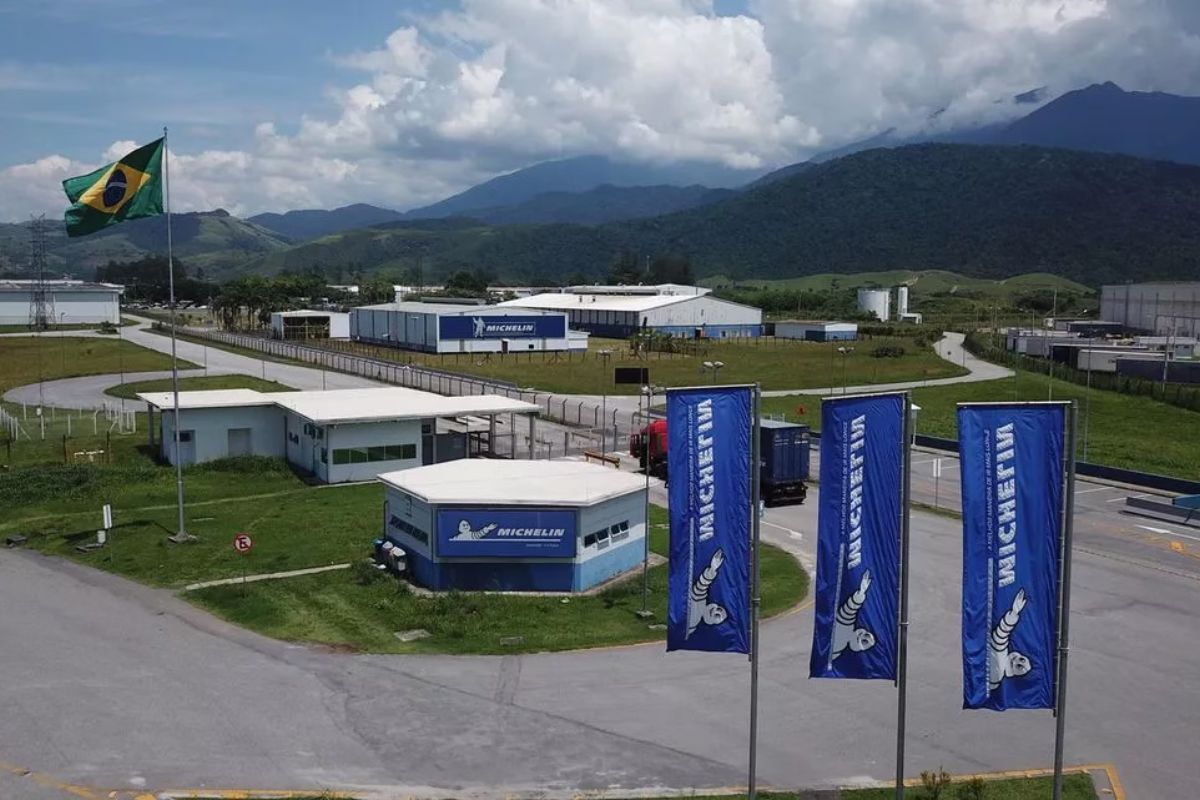


Michelin’s Decision to Close Its Factory in Guarulhos and Dismiss 350 Employees Sparked a Debate About the Competitiveness of the National Industry and the Strategies of Large Corporations.
The traditional tire manufacturer Michelin announced the closure of its factory in Guarulhos, São Paulo. The company attributed the decision to strong competition from imported products from Asia, which arrive in Brazil at a lower cost. The shutdown will be gradual and is expected to be completed by the end of 2025, with the dismissal of 350 employees.
According to an article published by the AutoPapo portal on June 30, 2025, the decision by the French giant generated an intense debate. While the company points to “unfair competition,” market analysts and consumers question whether the move is instead a strategy to protect high profit margins, rather than adapting to a more competitive market.
The Announcement of the Closure: The End of the Line for the Guarulhos Factory
The statement from Michelin confirmed the shutdown of operations at the Guarulhos factory, which was focused on the production of tires for motorcycles, bicycles, and inner tubes.
-
A new Brazilian shopping center worth R$ 400 million will be built in an area equivalent to more than 4 football fields, featuring 90 stores, 5 cinemas, a supermarket, a college, and parking for 1,700 cars, potentially generating 3,000 jobs.

-
Larger than entire cities in Brazil: BYD is building a 4.6 km² complex in Bahia with a capacity for 600,000 vehicles per year, but the discovery of 163 workers in conditions analogous to slavery has shaken the entire project.

-
With an investment of R$ 612 million, a capacity to process 1.2 million liters of milk per day, Piracanjuba inaugurates a mega cheese factory that increases national production, reduces dependence on imports, and repositions Brazil on the global dairy map.
-
Brazilian city gains industrial hub for 85 companies that is equivalent to 55 football fields.


The company stated that the decision was made after considering other alternatives and that it is not related to the performance of the local team. Michelin also assured that it will fulfill all of its commitments to customers during the transition period and that it is negotiating with the union regarding the termination of contracts for the 350 employees.
Michelin’s Justification: Competition with Asian Tires
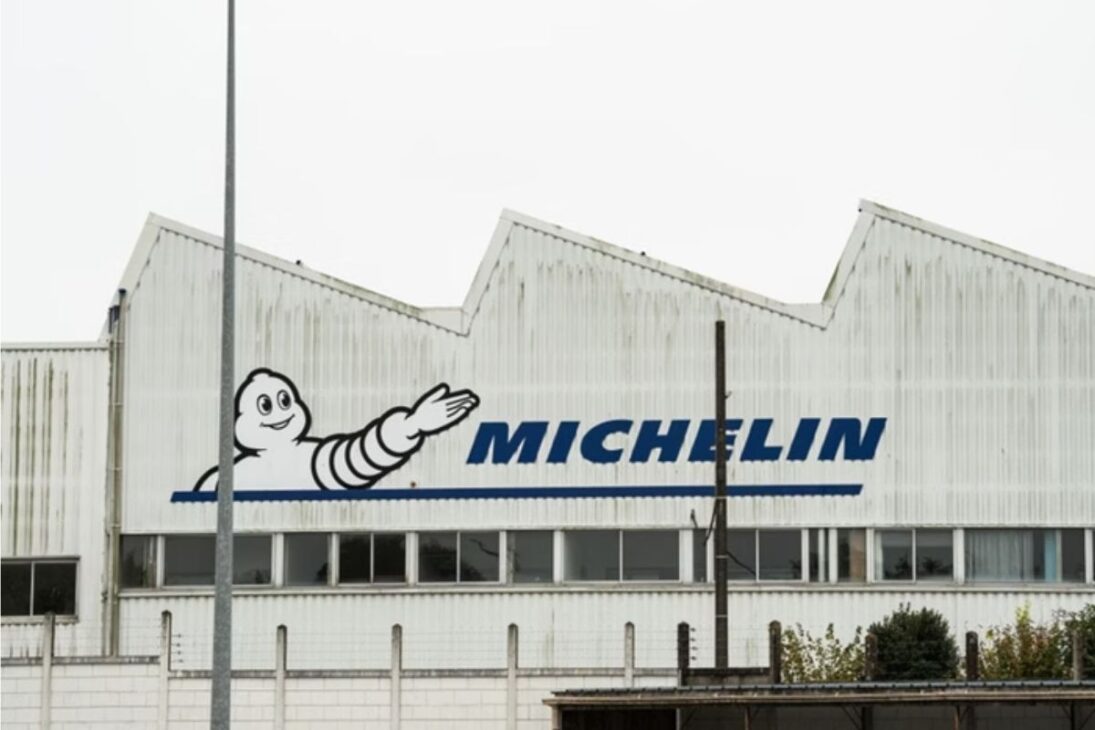
The official reason presented by the company for the closure of the Michelin factory is the difficulty of competing with imported products from Asia. According to the company, these tires enter the Brazilian market at a lower cost, making domestic production unviable.
The motorcycle and bicycle tire sector was the hardest hit by this competition, according to the manufacturer.
Another Perspective: A Strategy to Protect Profit Margins?
Despite the company’s justification, market analysts point to another interpretation. The argument of “unfair competition” is often used by companies that have been in the market for decades and do not wish to reduce their profit margins to compete with new entrants.
An example cited is what occurred in the automotive sector. The arrival of electric cars from Chinese brands, with more technology and lower prices, forced traditional automakers to drastically reduce their prices to avoid losing market share.
The Debate: Why Not Fight for Tax Reductions?
The situation of the Michelin factory raises an important question: why don’t large industries established in Brazil unite to pressure the government for a reduction in the high tax burden, which raises the cost of domestic production?
Often, the adopted strategy is to call for an increase in taxes on imported products, which protects the profit margins of already established companies but results in fewer options and higher prices for the end consumer.
The Impact on the Consumer: Fewer Options and the Quality Dilemma


The closure of the Michelin factory raises direct concerns for consumers, especially those who own motorcycles. Tires such as the Michelin City Grip 2 are regarded by many as the best in the market in terms of safety and durability.
With the exit or reduction of the supply of premium products, consumers may be left with fewer options, having to turn to cheaper brands like Kenda or Technic, whose quality and reliability are still under debate. In the end, the decision of a giant like Michelin could result in a market with less competition and fewer high-performance products available for Brazilian consumers.
What do you think of this situation? Is the blame on “unfair competition” or should the companies that have been here longer adapt and reduce their margins? Share your opinion in the comments.








triste pois a melhor michelin é a melhor de todas