





 Portuguese
  English
  Spanish
  3 min of reading
  0 comments


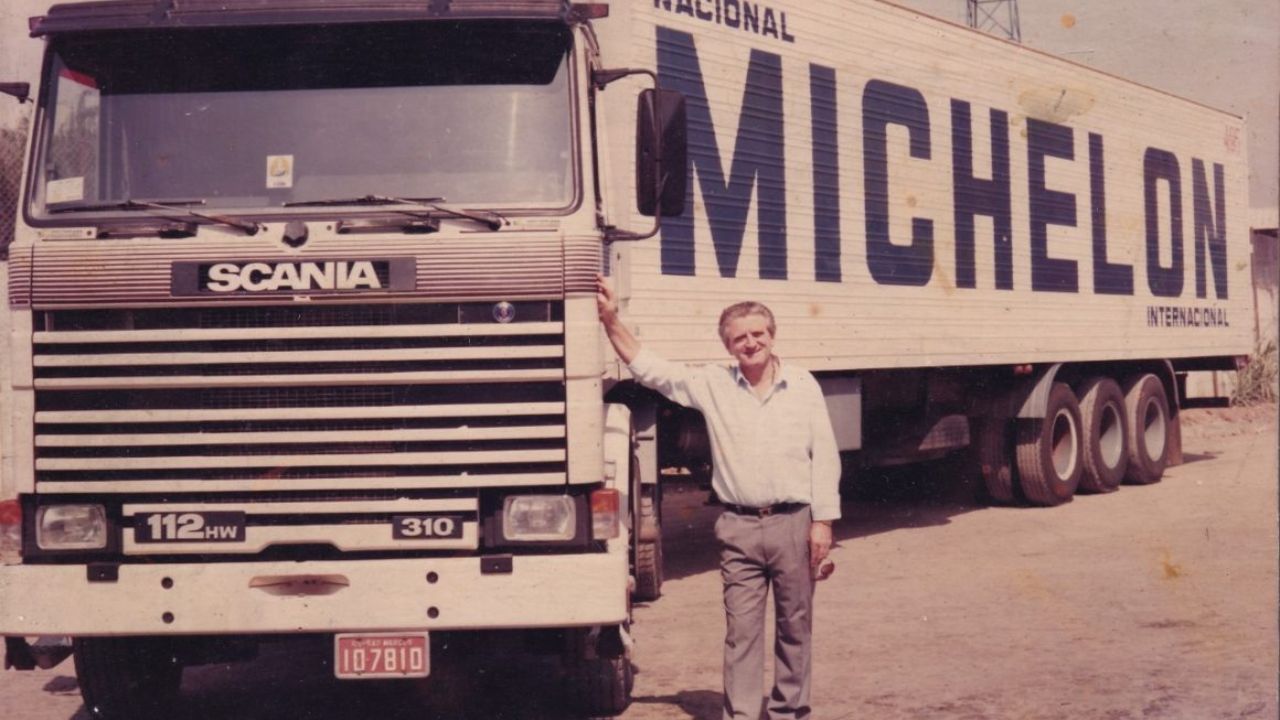
The Trajectory of Ladair Michelon, Pioneer in Heavy Cargo Transport and Key Figure in National Logistics Evolution
The first Scania manufactured in Brazil had a visionary owner: Ladair Michelon. More than a buyer, he was one of those responsible for promoting the use of bitrens and transforming road cargo transport in the country.
Selective Process of the Road: From Cart to Scania
The story of Ladair Michelon is one that summarizes the spirit of Brazilian transport: sweat, vision, and stubbornness. It all began with his father hauling wood with a cart. Over time, a landlord recognized the family’s effort and gifted them a simple truck, a D30 with a wooden cabin.
According to an interview he gave to the Pé na Estrada program, Michelon obtained his driver’s license in the Army, where he was already involved in logistics with military trucks. Even as a young man, he would hit the road without documentation, driving through the colonies in the South. It was there that one of the most influential figures in national road transport was born.
-
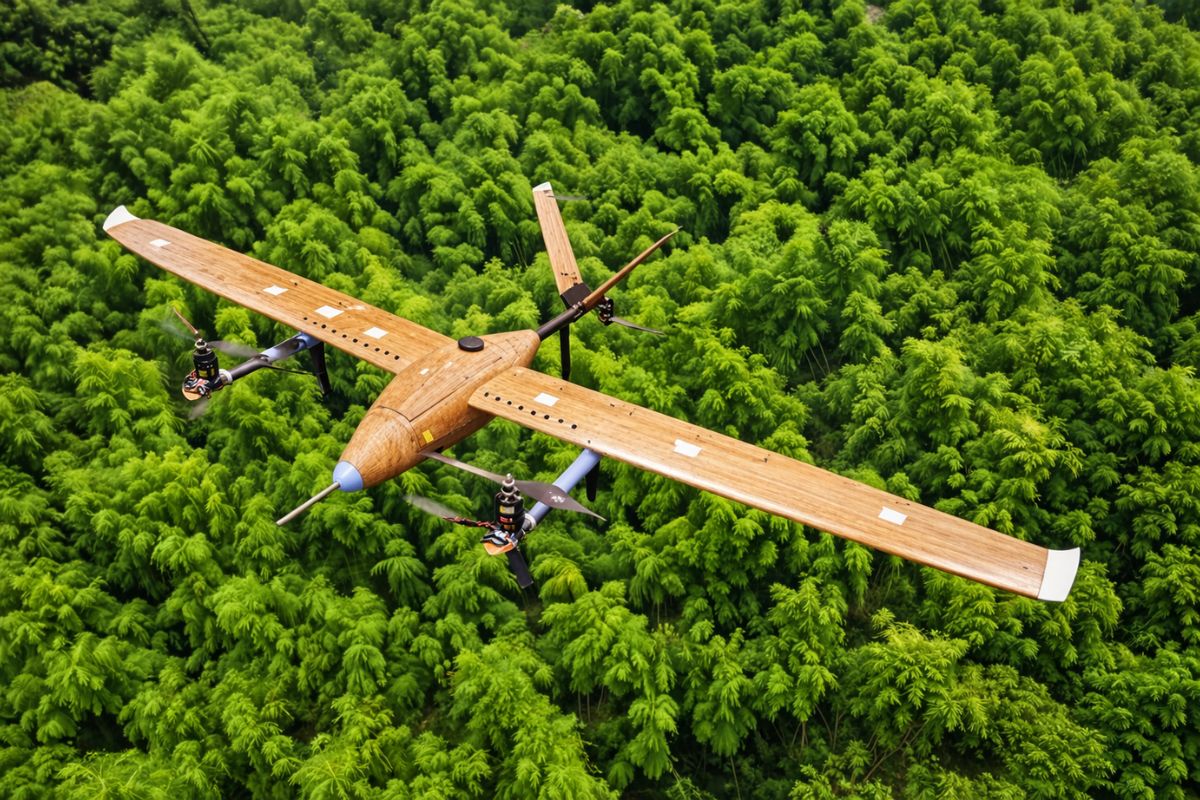
Chinese researchers have created bamboo drones that fly with the same precision as conventional models and have released the flight control software for free to the entire world in a technology that could revolutionize sustainable aviation.
-
Russia reveals that it is already conducting 95% of all its business with China without using a single dollar; dedollarization has ceased to be a promise and has become a reality in record time, and the West watches helplessly.

-
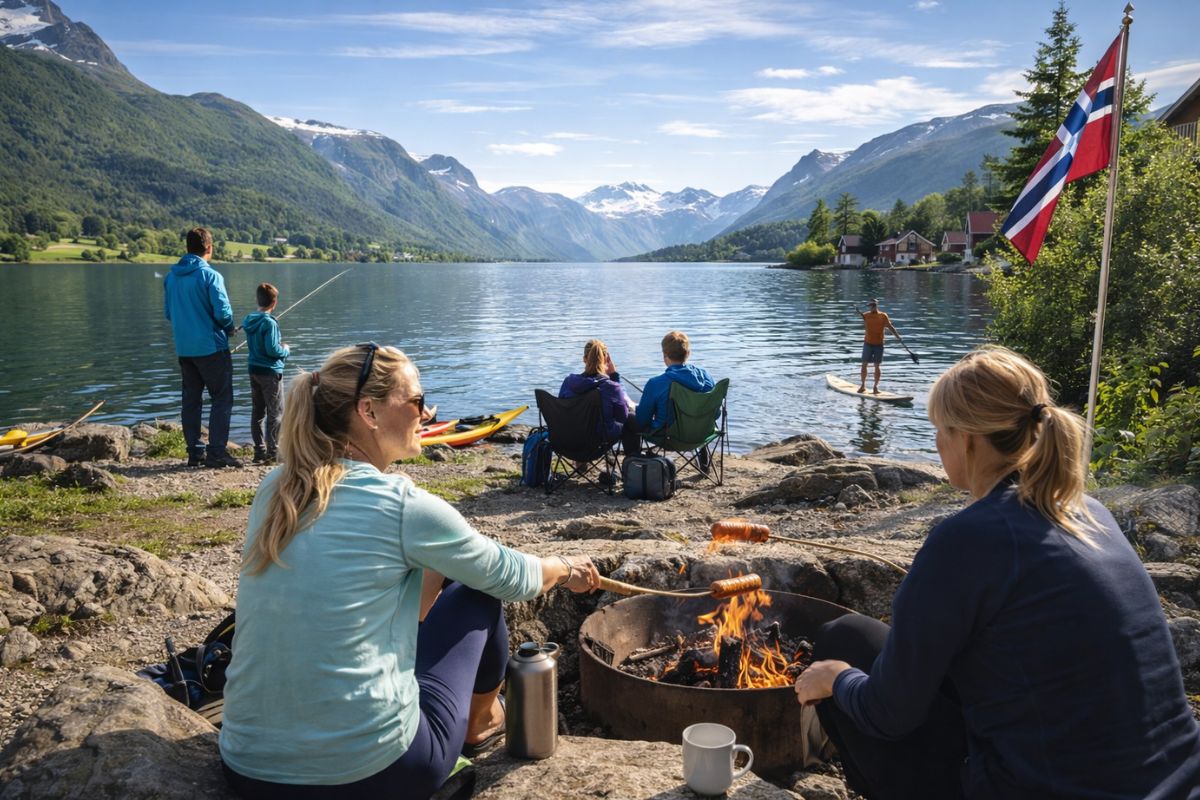
While Brazilians work more than 44 hours a week, Norwegians leave the office at 3 PM and are now testing a four-day workweek with full pay and no loss of productivity.
-
A legend of Brazilian TV is 75 years old, returned to narrate the World Cup for SBT, and still finds time to manage a farm of over 100 hectares in Rio Grande do Sul where she produces award-winning wines, olive oil, and raises cattle.


Michelon and the Milestone of the First National Scania
In 1965, Ladair founded his own transport company and acquired the first Scania truck produced in Brazil. At the time, the model did not have a dolly, but that was not a problem for Michelon. He himself had an extra axle installed, anticipating the need for more load capacity. A pioneering and bold solution.
According to Estradão, Michelon was not only the first buyer of the brand in the country but also played a fundamental role in adapting and adopting transport models with multiple trailers, the famous bitrens. In meetings with engineers and authorities, he was the one who suggested changes to allow trucks up to 30 meters, even in the face of technical and political resistance.
Bitrens, International Routes, and Political Recognition

Michelon’s boldness did not stop there. In the 1970s, his transport company was already operating international routes through countries like Argentina, Chile, Colombia, and Venezuela. It was in this context that he began employing large vehicles to transport loads such as potatoes for McDonald’s, reducing the number of trucks on the road and optimizing freight.
His model inspired debates in Brasília, where he was invited by the Ministry of Transport to explain his ideas. Many independent truckers feared that the bitren would take their jobs. But Michelon argued that it was an efficient solution to avoid crop losses and increase competitiveness against rail transport. He was not inventing the bitren, but showing Brazil how it could truly work.
The Legacy of Michelon and the Challenges of the Future
Michelon believes that the future of transport will be dominated by electric trucks, but he warns: Brazil is still far from having the necessary infrastructure. “Today there are no roads that can handle it. Everything will have to change,” he said in the interview.
Even so, what he has already accomplished is enormous. With his legacy, Ladair Michelon helped transform national logistics. He popularized solutions that made road transport more efficient, connecting continental distances with intelligence and courage. His name is marked not only in the history of Scania but also on the asphalt he helped shape.






Seja o primeiro a reagir!