





 Portuguese
  English
  Spanish
 3 min of reading


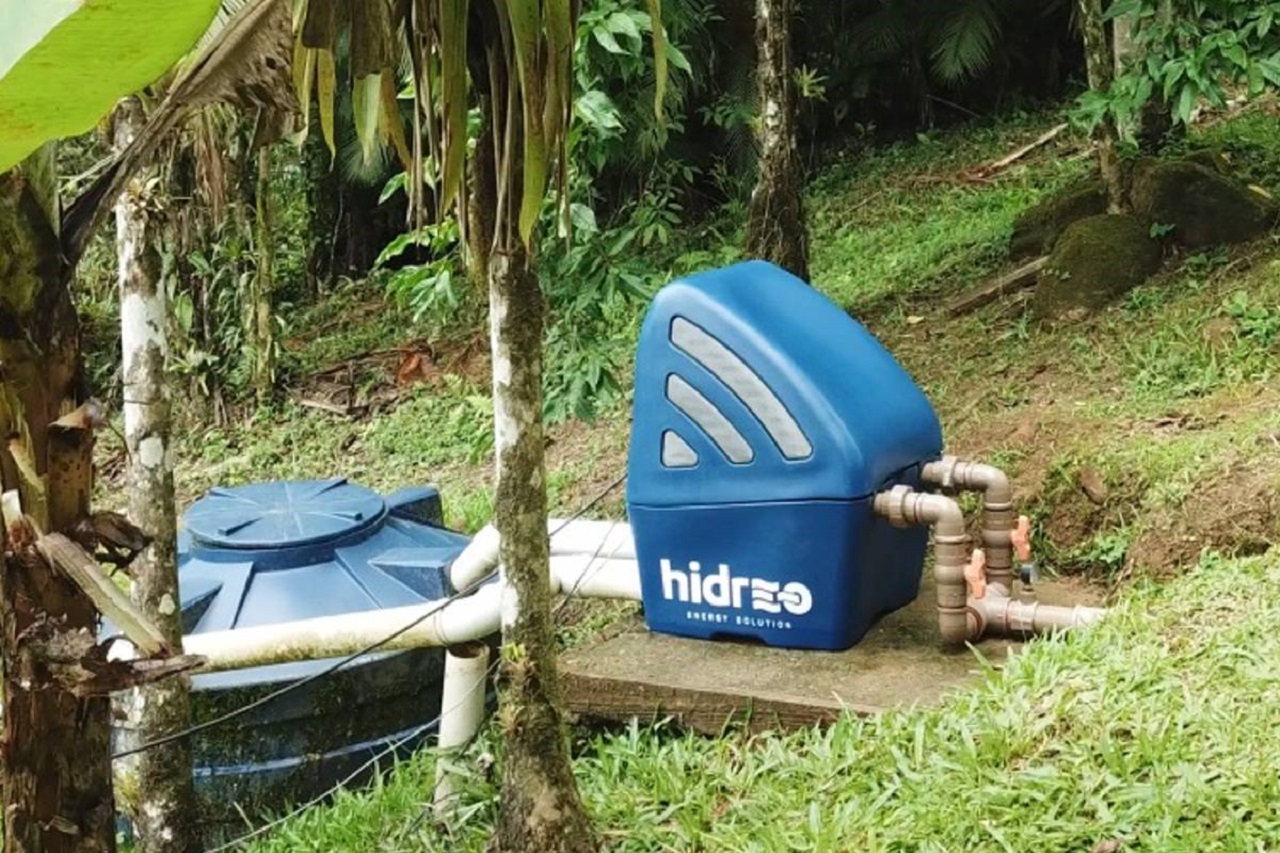
Engineers From Curitiba Develop Micro Hydroelectric Plant Capable of Supplying More Than 5 Homes and Generating a Significant Reduction in Users’ Electricity Bill.
In 2018, two mechanical engineers from Curitiba built a “homemade” micro hydropower plant, capable of supplying up to 4 homes. At the time, Juliano Rataiczyk and Felipe Wotecoski developed a functional prototype that promised a reduction in electricity bills and a small startup to make the equipment available in the market. Over these 4 years, the engineers have brought other ideas to fruition and continue generating new products to meet the needs of a larger number of customers.
Curitiba’s Micro Hydropower Plant Undergoes Several Improvements


According to Wotecoski, when the plant was developed in 2018, thinking of its startup model, they were still in the process of having the minimum viable product, which is the first step to enter the market. Thus, after reports at the time, there was a high demand and significant production for the moment the startup was experiencing.
It is not possible to quantify exactly, but to this day there are people who reach out due to old reports. Wotecoski emphasizes that over this period the micro hydropower plant has undergone numerous improvements and evolutions.
-
A simple stitch in wood with nylon thread can reduce adhesives, speed up production, and make sheets up to 4 times stronger and 14 times more difficult to break.
-
The gigantic steel shell built to contain Chernobyl for a century has been pierced by a drone, exposing a critical system and creating a hole that could cost over 500 million euros to repair.

-
Brazilian Navy reaches a new level by taking over an airport with a 1,600-meter runway used by 1,800 military personnel and autonomous attack drone testing.

-
The Himalayas continue to grow to this day, with tectonic plates advancing 5 cm per year, mountains rising up to 10 mm annually, and the 2015 earthquake that killed 9,000 people may have increased the risk of an even larger seismic mega-event.

At the time, to install the equipment, which generates a significant reduction in electricity bills, it was necessary to have a water source like a stream or similar watercourse close to the property with a natural drop of at least 15 meters in height. The product officially reached the market in 2020 with some improvements such as, for example, plastic protection for the plant, among other things.
The engineer explains that it was possible to enhance the equipment and mitigate the minimum water drop height from 15 to 12 meters, expanding the installation possibilities of the micro plant. There are also plans to launch another product, a mini plant, to cater to the majority of customers who sought the company for equipment that provides energy for a single house, while the micro plant generates enough energy for up to 5 houses.
Advantages of the Micro Hydropower Plant Produced in Curitiba
While the equipment can generate up to 720 kilowatt-hours monthly, enough to supply four to five homes or even three rural properties, the mini plant, which can be installed in locations with a water drop starting from 10 m in height, generates 220 kW of energy per month, sufficient to supply one residence.
In both cases, if the consumer installs the bidirectional meter in connection with the Copel grid, they can “sell” any surplus energy, generating a reduction in their electricity bill. Among the advantages of the mini plant are its smaller size and a cost that is less than half that of the micro plant.
Additionally, the mini plant requires a water source of only 2 or 3 liters per second, allowing its installation in places where the other equipment cannot be installed for technical reasons.
How Much Does a Micro Hydropower Plant Cost?
According to the engineer, since the company started, more than 50 micro hydropower plants have been installed in 10 Brazilian states, in addition to Curitiba. Curiously, its largest markets are the states of Minas Gerais and Santa Catarina, due to their terrains.
As for the mini plants, although they were launched recently, more than 20 have already been installed. The success of the new model, in Wotecoski’s opinion, is especially due to the lower cost. While the larger model costs around R$ 20 thousand, the mini plant costs only R$ 8.5 thousand, already including batteries.








Seja o primeiro a reagir!