





 Portuguese
  English
  Spanish
  6 min of reading
  0 comments


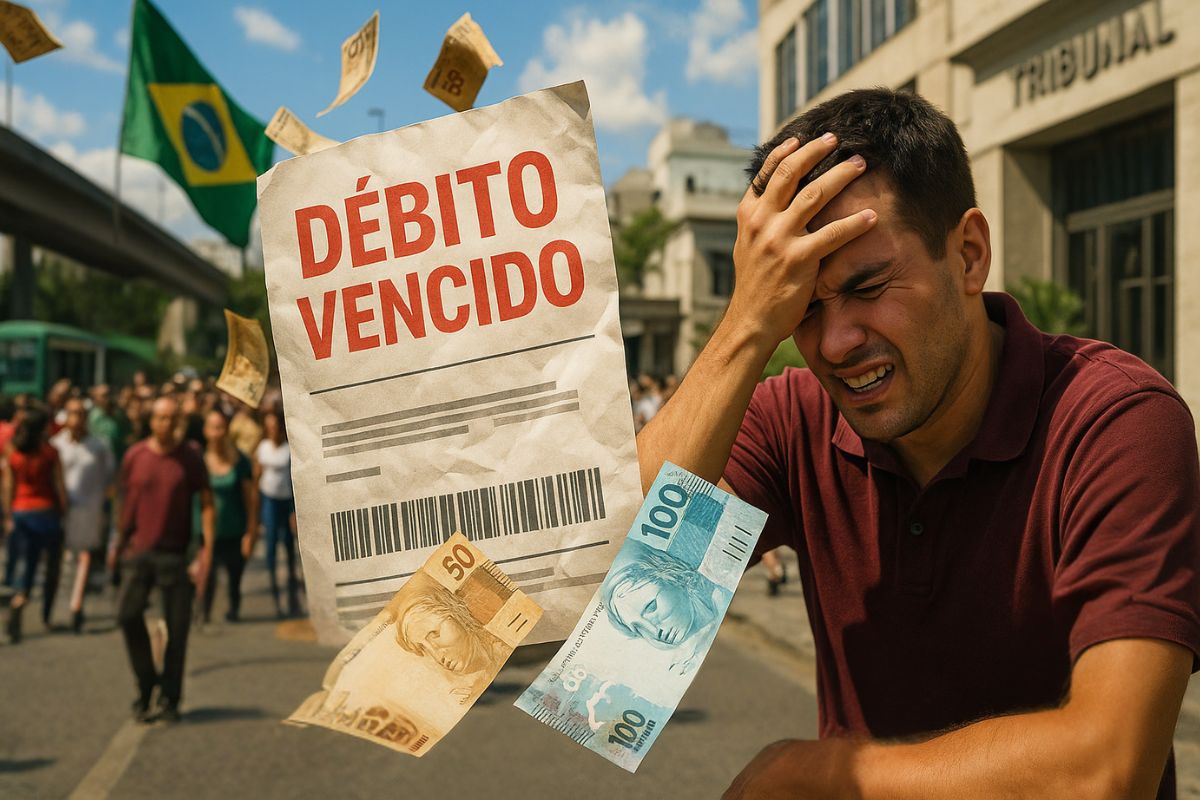
Sales Events and “Unmissable Offers” Have Led Consumers to Pay Off Debts Beyond the Legal Collection Deadline, Often with Misleading Promises of Score Increases.
In the financial retail sector, haste has become a method. “Name-clearing” platforms display 90% discounts and countdowns; on the other side of the screen, a consumer who just wants to start over. The problem? Part of these debts is already old (prescript or expired for negative listing) and yet is still presented as if it were a valid claim. The result: thousands of Brazilians are paying debts they shouldn’t have to pay due to lack of information, fear of losing credit, or the psychological pressure of the design of these platforms.
According to expert Antonio Galvão, this text objectively explains what prescriptive debts are, when collections become abusive, what the risks of “recognizing” a dead debt with a click are, and what formal ways exist to formally request the permanent removal of offers that shouldn’t be there. Without legal jargon, without miraculous promises, and focusing on what the law allows.
What Does “Expire” Mean: Prescription, Expiration, and Why It Matters
Prescribing does not mean “erasing” the debt from the map. The debt continues to exist, but loses its judicial enforceability: once the legal deadline has passed, the creditor can no longer sue for collection. In parallel, there is the expiration of negative listings: debts cannot remain visible in records for more than 5 years. After this period, the record must be removed and cannot reappear disguised as a “settlement offer” to pressure payment.
-
Brazilian city bets on the business environment to generate jobs and attract investments in the energy sector — secretary reveals strategy at Macaé Energy 2026.

-
50 viaducts, 4 tunnels, 28 bridges, and 40 kilometers of bike paths: BR-262 in Espírito Santo will receive 8.6 billion reais for the largest engineering project in the state’s history, inspired by the Immigrant Highway in São Paulo.

-
Brazil produces too much clean energy and doesn’t know what to do with it: over 20% of solar and wind capacity was wasted in 2025 while investors flee and 509 renewable generation projects were abandoned in the last year.

-
Piauí will produce a new fuel that replaces diesel without needing to change anything in the truck’s engine and reduces pollutant gas emissions by half: truck drivers from all over the Northeast are already celebrating the news that will arrive later this decade.


In practice, this means:
Debts beyond the deadline should not affect your score nor reappear as bargaining chips (“pay and gain points”). Linking score increases to the payment of prescribed debts is viewed by courts as an undue extrajudicial collection.
Charging (calling, sending letters, presenting “proposals”) does not make the debt enforceable. And offering “score bonuses” for paying old debts reinforces the abusive nature, as it induces payment of something that the law no longer allows to demand.
Key Point: Paying off a prescribed debt is an option, not an obligation. Turning this option into pressure, under the threat of “eternal bad credit” or “frozen score”, is not compatible with consumer protection and data regulations.
Credit protection/recovery platforms were created to inform risks, not to increase restrictions. However, in the showcase of “sales events”, categories like “settlement offers”, “overdue accounts”, and “debt groups” emerge that mix valid debts with prescribed ones. In many cases, the consumer sees seals saying “pay, and your score goes up”.
This arrangement creates two distortions:
- Ranking by Fear: the person pays expired debts just to remove the label from the screen or “unfreeze” the score.
- Bad Data Contaminating the Score: old information or without legal basis should not be part of credit models — the score should reflect current and relevant data.
Practical Conclusion: paying to “gain points” when the debt can no longer be collected is paying for what the law has already granted you: the non-enforceability.
How to Know If Your Debts Have Expired and What to Do (Step by Step)
Before taking any action, organize your information:
- Due date and listing date
- More than 5 years past due? As a rule, prescription.
- More than 5 years since listing? Record must be removed — it cannot reappear as “an offer” to pressure you into paying.
- Who is collecting?
- Assignment of credit (e.g., bank sold the debt). Request proof of the assignment (a document showing that the new collector is indeed the creditor). Without proof, do not pay.
- Avoid “acknowledging” the debt on impulse
- A click on “I accept” or “I renegotiate” can reopen the deadline or confess the debt. Negotiate only after checking prescription.
Formal Paths to Request Removal of Undue Offers
1) Complaint directed to the creditor (via the Reclame Aqui platform)
- File a complaint against the originating company (e.g., bank/store), not the “negotiation platform”.
- Explain that there are offers concerning debts over 5 years old, which constitutes undue pressure, and request the immediate removal of the offers, without linking to score.
- Attach screenshots with dates.
2) Complaint to the Central Bank
- On the BC complaint portal, file against the financial institution.
- Provide the protocol from the previous step and repeat the request: removal of offers and formal commitment to not link score to payment of prescribed debts.
- Institutions must respond — this generates internal movement.
3) Consumidor.gov.br (or local Procon)
- Reiterate the content of the first two steps, with attachments.
- Request in writing the cessation of any “score bonus” tied to prescribed debts and the guarantee that old data will not impact the score.
Golden Tip: keep protocols, deadlines, and responses. Documentation is your shield if you need to go to court.
What Can and What Cannot Be Done in the Collection of Old Debts
- Can: offer voluntary agreements, without pressure, without threats, without score as a bargaining chip.
- Cannot: condition “score increase” to the payment of prescribed debts; re-display debts older than 5 years as if they were “new pending issues”; omit that the deadline for enforceability has expired.
And what if they insist? Request in writing: “Confirm that the offer will not affect my score if I do not accept and that the old information will not be used in the calculation.” Negative or silence reinforce the characterization of undue collection.
Costly (and Common) Mistakes When Dealing with Expired Debts
Signing “without reading”: accepting an agreement reopens discussions and may restart deadlines.
Paying without proof: in assignments, pay only to those who can prove they are the creditor.
Confusing removal from registration with “forgiveness”: the debt may exist as a natural obligation, but it cannot negatively affect you or become score blackmail.
Clicking on “name-clearing” out of anxiety: check the date. Five years is the cutoff for registrations; prescription follows deadline rules if in doubt, seek guidance.
People in a hurry for credit (financing, rental, employment) are the most susceptible to the narrative of “pay and gain points.”
Consumers who have faced successive “no’s” from the market absorb the idea that “score only goes up by paying everything” even when some debts can no longer be enforced.
Interface and language of platforms maximize urgency, with clocks, seals, and “last chances” — it is design aimed at converting, not for clarifying.
Market Impact: Transparency Improves Credit (For Real)
When outdated data and undue pressure leave the system:
Risk models become cleaner, rates tend to better reflect the real profile.
Consumers stop wasting income paying debts that lack enforceability, freeing up cash flow for valid debts and healthy consumption.
Reliability in the market increases, which is good for banks, retail, and buyers.
Information is your first line of defense. Debts with more than 5 years of listing should not appear in records; prescribed debts cannot become “score blackmail”; assignments without proof should not be paid. If an “irresistible offer” appears, breathe, check dates, request documents, and leave a written trail. Haste is the fuel for error.
Now it’s your turn:
Have you ever paid an “agreement” on an old debt out of fear of your score? Was it worth it?
Should platforms display a clear alert (“prescribed debt / no effect on score if not paid”)?
Should banks and bureaus be required to prove the assignment of credit before offering agreements?
Share your experience in the comments real stories help other readers avoid the same.









-

Uma pessoa reagiu a isso.