





 Portuguese
  English
  Spanish
  7 min of reading
  38 comments


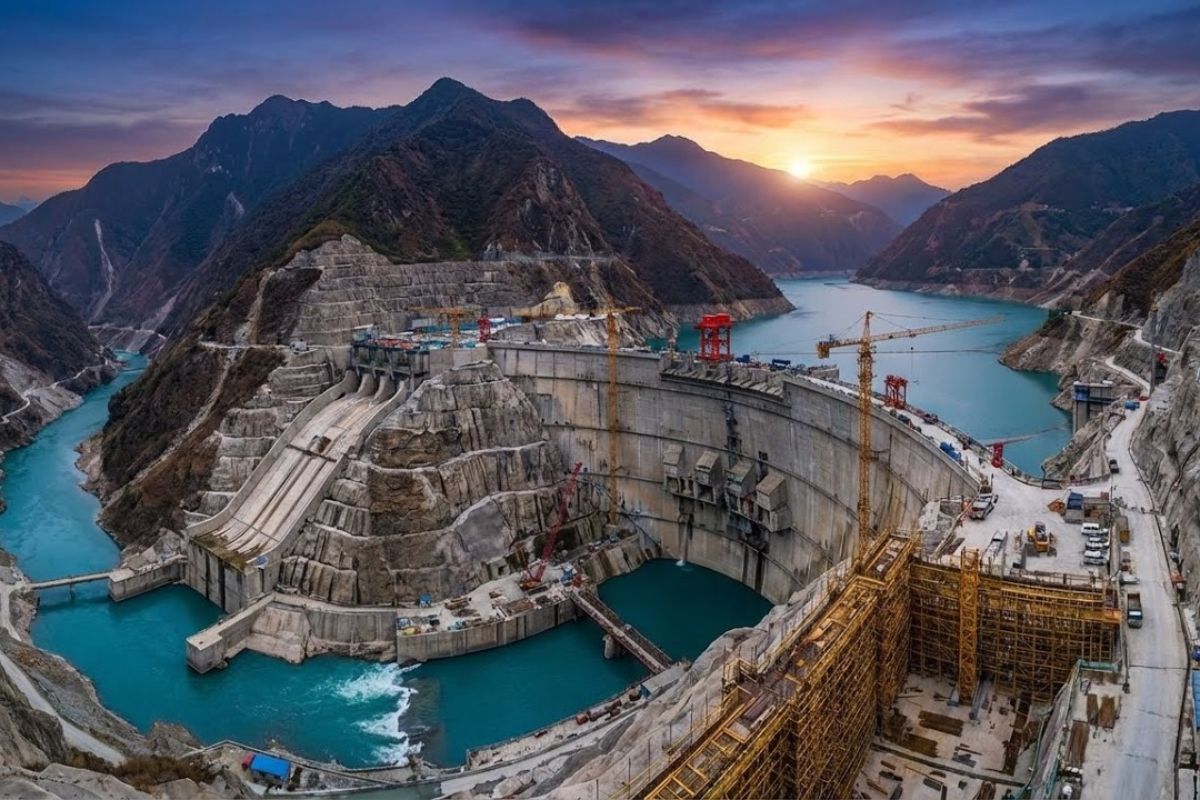


In The Himalayas, The Medog Megaproject Advances Like A 24-Hour Operation: Medog Road Becomes A Logistics Artery, Giant Tunnels Divert The Yarlong Tsangpo, And The Project Promises 60 GW But Divides Opinions
The Medog megaproject was approved in 2025 and initiated an immediate mobilization of thousands of engineers and workers to the heart of the Himalayas, in the deepest canyon in the world. The ambition is to divert the Yarlong Tsangpo river through giant tunnels and transform the Great Bend, where the river drops thousands of meters in a short distance, into a natural battery exploited by engineering.
The Medog megaproject is described as radical and controversial. The proposal is a water pipeline without a massive reservoir, featuring gigantic tunnels to redirect the flow and power turbines on a colossal scale. The budget cited is US$ 167 billion, and the promise made is for 60 gigawatts of clean energy coming from the Himalayas to supply millions of homes and distant industries.
The Great Bend of The Yarlong Tsangpo and The “Supreme Challenge” of Engineering
In the heart of the Himalayas, the Yarlong Tsangpo is described as a river of immense power and untamed fury. At the Great Bend, the water course drops thousands of meters in a short distance, creating a natural fall that, in the project’s view, works as a ready-to-be-exploited battery.
-
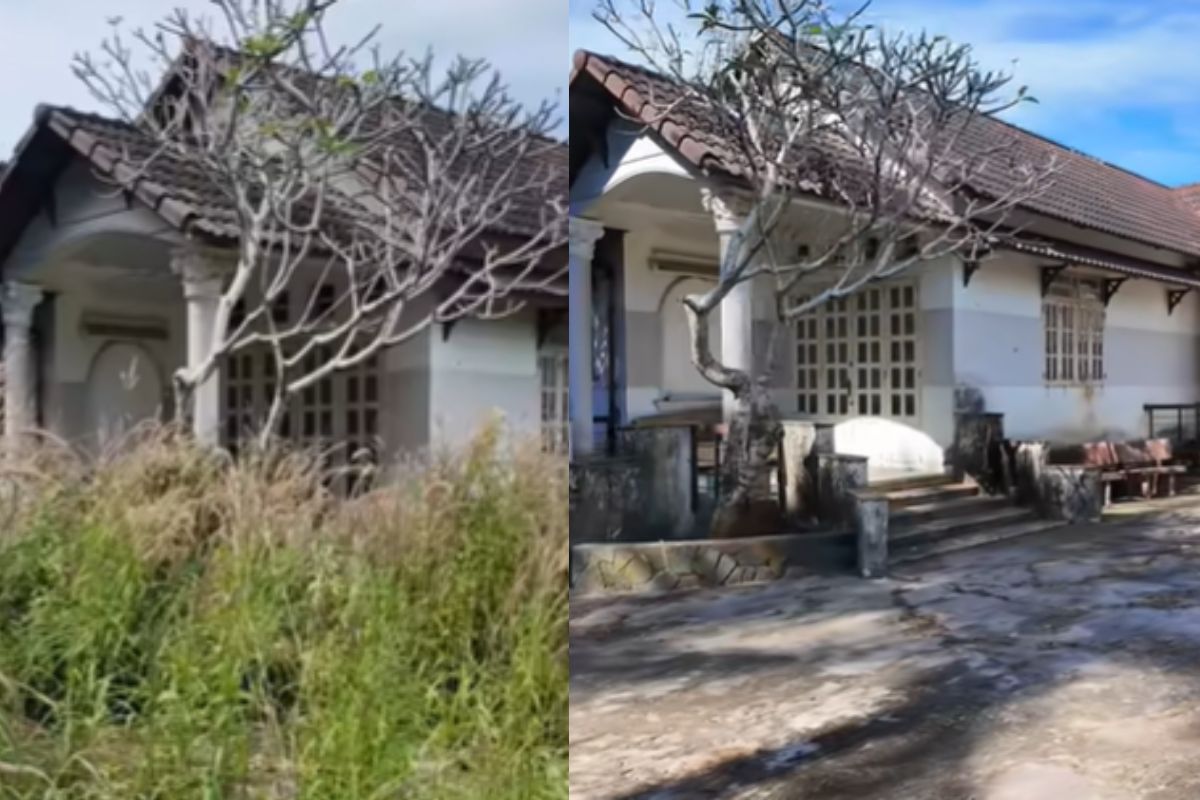
Abandoned house for 15 years disappears in the woods, shocks owner with unrecognizable scenery and is reborn in an intense transformation after almost 90 hours of work in just 10 days.
-
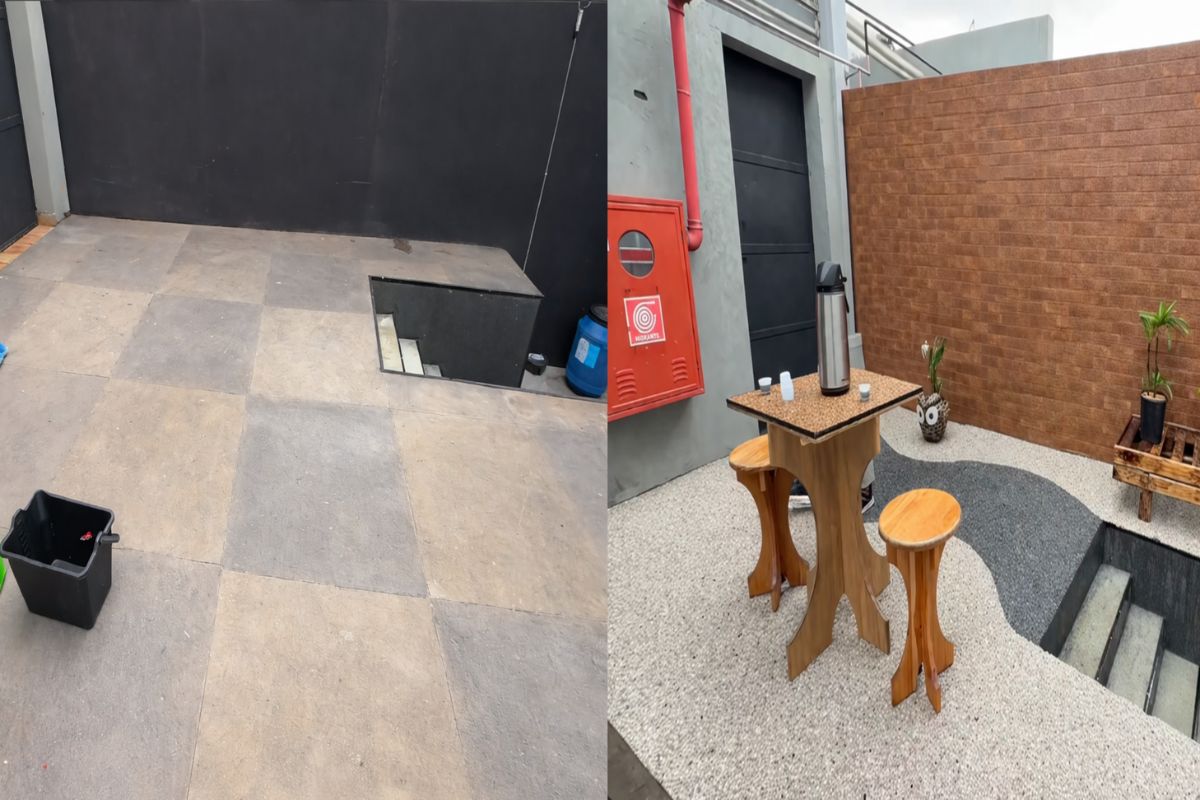
In just three hours, a natural stone floor transforms the entrance of the house with an organic effect, immediate drainage, and a sophisticated non-slip finish that doesn’t puddle water, dries quickly, and impresses with the final result.
-
‘Interlocking brick’ made of earth arrives in the construction industry with cost reductions of up to 40% on the project.

-
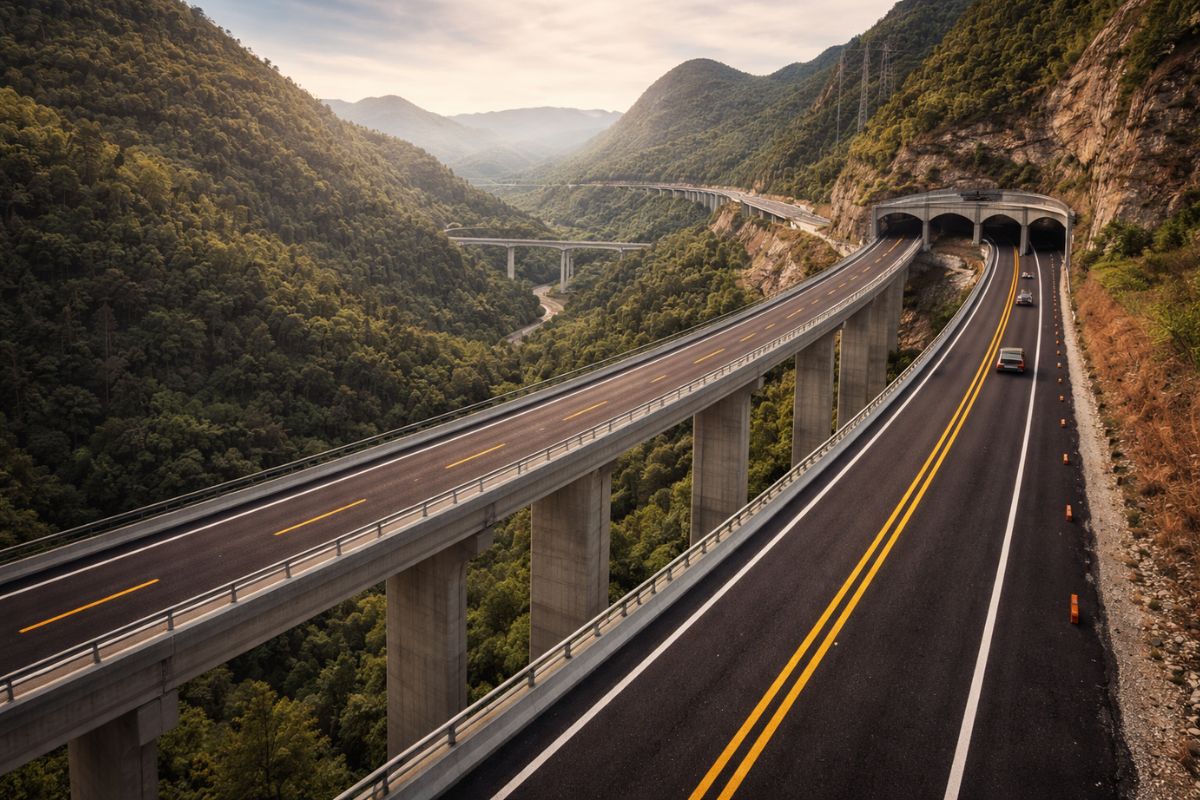
Espírito Santo will receive the largest engineering project in its history with the duplication of BR 262, which will have 50 viaducts, 28 bridges, and 2-kilometer tunnels cutting through the most challenging mountainous region of the entire state.

This is where the Medog Hydroelectric Plant comes into play. However, the scene is presented as a battle against nature: building in the deepest canyon in the world requires dealing with challenging terrain, massive rock, geological faults, and the pressure of floods associated with monsoons.
Immediate Mobilization and Logistics: Medog Road Becomes The Project’s Artery
Before any dam is raised, the Medog megaproject needs to pave the way in an environment described as “impossible.” Supply lines are treated as vital. Without roads, heavy machinery cannot reach the river.
Medog Road is touted as the project’s artery. With it, a mobilization of thousands of engineers and workers descends into the valley.
The description indicates that a city is born amid isolation, as the work demands continuous presence, constant supplies, and a permanent flow of equipment.
The First Step Is To Move The River: Diversion Tunnels and Monsoon Pressure
The initial logic of construction is straightforward: to raise the dam, the Yarlong Tsangpo must first be moved. Diversion tunnels are dug into the canyon walls to bypass the construction site.
These temporary tunnels must withstand the crushing pressure of monsoon floods. The current is described as reacting and reaching speeds of 15 m/s.
The critical moment appears as a final engineering assault: massive concrete and blocks seal the opening until the diversion is completed and the river starts flowing through the artificial route.
Excavation to The Bedrock: Clean Base, Grout Curtain, and Zero Risk
With the diversion completed, the stage begins to find the solid foundation. Layers of sediments and loose rocks are removed until the bedrock is reached. The described requirement is complete cleanliness of the foundation, with no room for weakness.
To seal cracks and prevent seepage under the dam, engineers inject high-pressure cement deep into the ground.
This grout curtain is presented as an essential safety component, as the structure needs to support the weight of a mega dam and resist extreme events.
Giant Tunnels In The Himalayas: Unprecedented Drilling And Millimeter Precision
As the dam begins to rise from the riverbed, critical work takes place underground. The Medog megaproject relies on water tunnels drilled by machines described as the largest ever built for tunnel drilling.
The mission is to cross kilometers of Himalayas to create the drop necessary for generation. A laser guide keeps the machine aligned with millimeter precision.
As the machine advances, the tunnel is immediately lined with reinforced concrete to stabilize the walls and consolidate the structure.
The geology, however, is described as unpredictable. High-pressure groundwater appears as a constant threat, requiring emergency teams ready to quickly drain and prevent the machine from flooding.
Tunnels Wide Enough For A Train: Minimum Friction And Chambers For Pressure Peaks
The text describes that several tunnels are excavated simultaneously to handle the enormous volume of the Yarlong Tsangpo. These tunnels are presented as wide enough for a train to pass through, reinforcing the physical scale of the undertaking.
The technical objective is to reduce friction and allow water to flow without resistance. The prediction is for flow at speeds described as frightening.
To protect turbines and the system’s integrity, flood chambers are excavated to absorb pressure peaks, functioning as hydraulic dampers in an underground network.
Steel Lining And X-Ray Inspection: The Risk Of Explosion As Absolute Limit
Near the exit, the tunnels receive a steel lining to withstand extreme pressure conditions. Welding is treated as a non-negotiable step: a defect would be catastrophic.
Every centimeter of steel is inspected with X-ray technology. The message is clear: in a system where water flows with force and high pressure, structural integrity is not detail, it is a condition for survival.
The Dam Grows Like A 3D Concrete Printer, Nonstop For Years
The main dam begins to rise with cable cranes transporting tons of concrete with millimeter precision. The pouring is described as continuous, nonstop, for years.
The workers vibrate the mixture to ensure maximum density and strength. The comparison used is that of a concrete 3D printer, with the dam growing layer by layer.
The concrete, as it cures, generates heat. To prevent cracks, cooling pipes are embedded, and the temperature is constantly monitored. Curing must be uniform to ensure the structure does not have weak points.
Reinforced Spillways, Extreme Cold, And 24-Hour Work In Tibet
The spillways are reinforced with extra steel to withstand floodwaters. The structure is described as built to resist earthquakes and floods for centuries, which adds complexity to the project in a high-risk natural environment.
Winter in Tibet is treated as brutal, with temperatures well below zero. Still, the work does not stop. Heated blankets cover the fresh concrete, and engineering solutions maintain the pace, sustaining the work under adverse conditions.
Control Gates And The “New Wall” In The Himalayas
As the seasons change, the giant takes final shape. Control gates are installed to regulate the flow of the Yarlong Tsangpo. The narrative describes the structure as a new wall in the Himalayas, a monument to human ambition.
The barrier, however, is not the end. The heart of the machine continues to be built deep underground, where energy generation is assembled like a precision industrial system within the mountain.
The Largest Artificial Cave: Giant Turbines And Millimeter Assembly
At the foot of the mountains, the hydropower plant’s cave is described as the largest artificial cave in the world. Inside are giant turbines that will generate electricity.
Large cranes are installed to move oversized components. Suction pipes come to guide the water exiting the turbines. Precision welding ensures that the water flows smoothly, without turbulence. Once aligned, the components are permanently encased in concrete.
The spiral accelerates the water through the turbine blades. Pressure tests confirm resistance to the river’s impact. The stator is assembled with thousands of steel plates stacked manually, with copper wires intertwined within the machine.
The most critical moment is the rotor elevator. Weighing thousands of tons, it needs to fit into a space with only a few millimeters of tolerance. The process repeats unit after unit, consolidating an industrial-scale generation set.
Power Grid On The “Roof Of The World”: Long-Distance Transmission
Transformers raise the voltage for long-distance transmission. A power grid is built across the roof of the world to carry energy out of the mountain.
Erecting transmission towers at high altitude is described as done by itself. Ultra high voltage lines connect Medog to the rest of China, completing the final path to ensure the energy does not get stuck in the valley and reaches consumption centers.
Tests, River Release, And The Promise Of 60 Gigawatts
Every sensor, valve, and switch is digitally tested. Systems are checked with the intent of minimizing ecological impact, and the final safety approval is described as crucial.
With construction completed, the time comes to let the water back in. The river is released, the reservoir begins to fill, pressure increases, and the dam remains firm.
Gates open, and water floods the tunnels. The first rotation marks the awakening of the system, with synchronization completed and connection to the power grid.
Do you think the Medog megaproject is a historical-scale infrastructure necessity or too great a risk for such an extreme place as the Himalayas?









What a tremendous feat of engineering if I was 60 years younger I would love to have been involved
It is historic marvel. It a frightening process to undetake this enormous amount and risky coonstruction work, but as we witness what the chinese are this days, I believe they will coplete it as per their schedule. IT WILL BE THE WONDER OF THE CENTURY .VIVA CHINA!
Engineering feat of the Century for producing clean renewable power . Other countries bordering should join the project.