





 Portuguese
  English
  Spanish
  4 min of reading
  1 comment


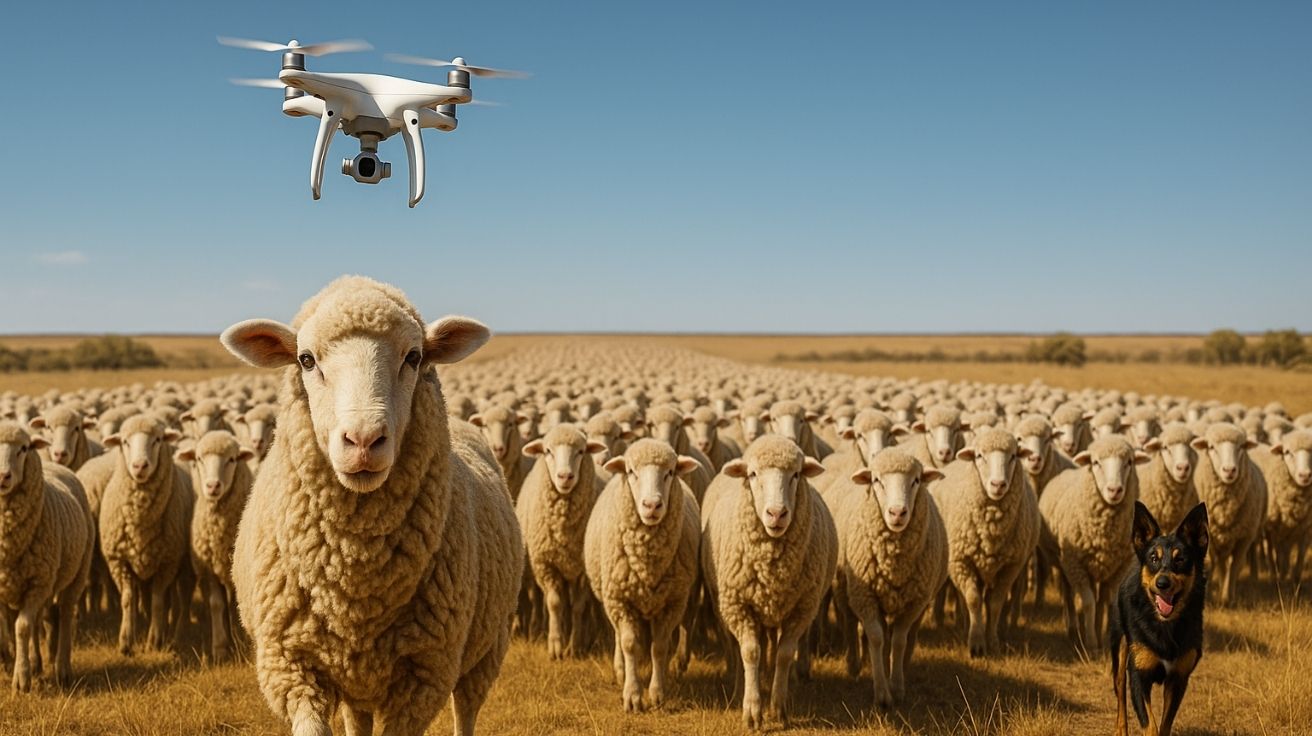


With 70 Million Animals Grazing Freely, Digitally Tracked and Raised with Technological Precision, Australia Has Transformed Its Sheep Farming Industry into a Global Wool and Meat Export Powerhouse
Australia Has Become a Global Reference in Agriculture Thanks to Efficient Large-Scale Sheep Farming, Combining Tradition, Innovation, and Sustainability.
With over 70 million sheep grazing freely in open fields, the country is a global leader in merino wool production and ranks among the largest global exporters of lamb meat. In 2023, the sector generated more than US$ 5.5 billion in exports, directly impacting the global agricultural market.
The story began in 1797, when the first merino sheep were introduced in southern Australia. Adapted to the arid climate, these animals thrived and became symbols of the Australian agriculture, producing some of the finest and most valued wool in the world, found in luxury brands in the United States, Japan, and Europe.
ARTICLE CONTINUES BELOWSee also
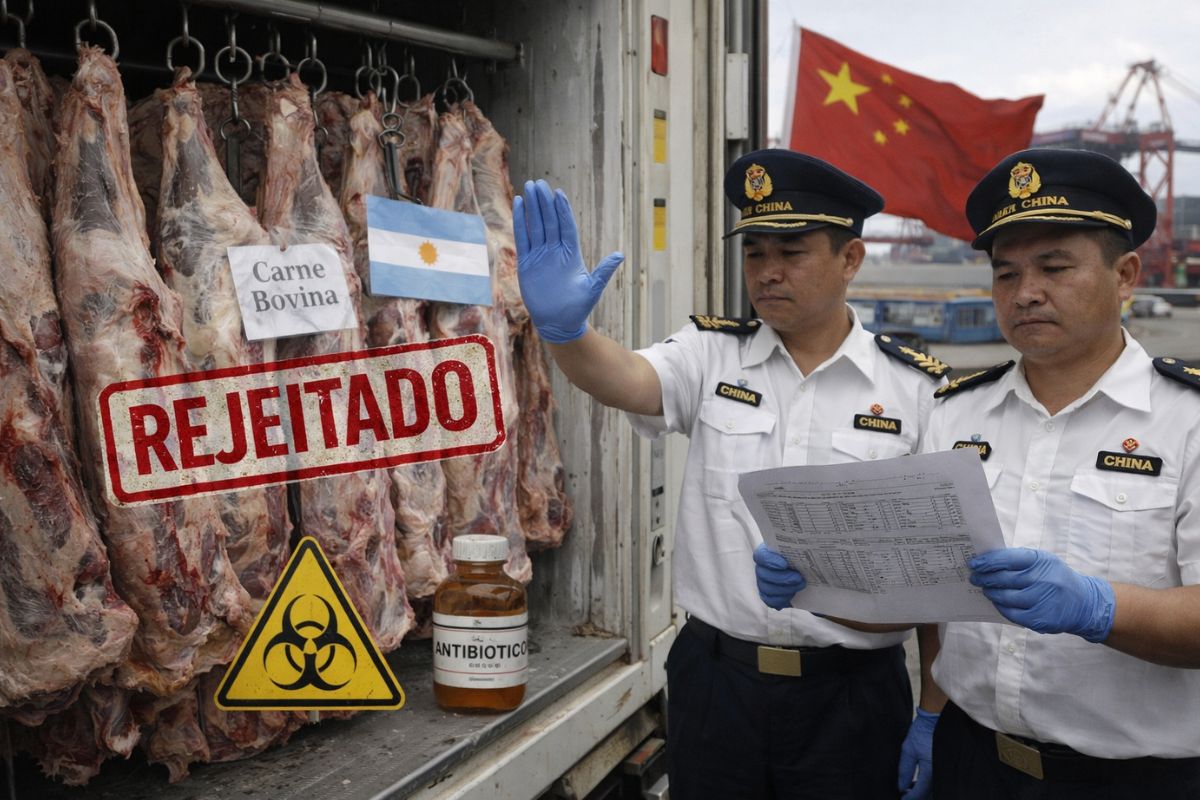
China rejected an entire shipment of beef from Argentina after detecting an antibiotic so dangerous that it has been banned for human consumption for over 30 years, and now the export sector is facing a crisis of international trust.
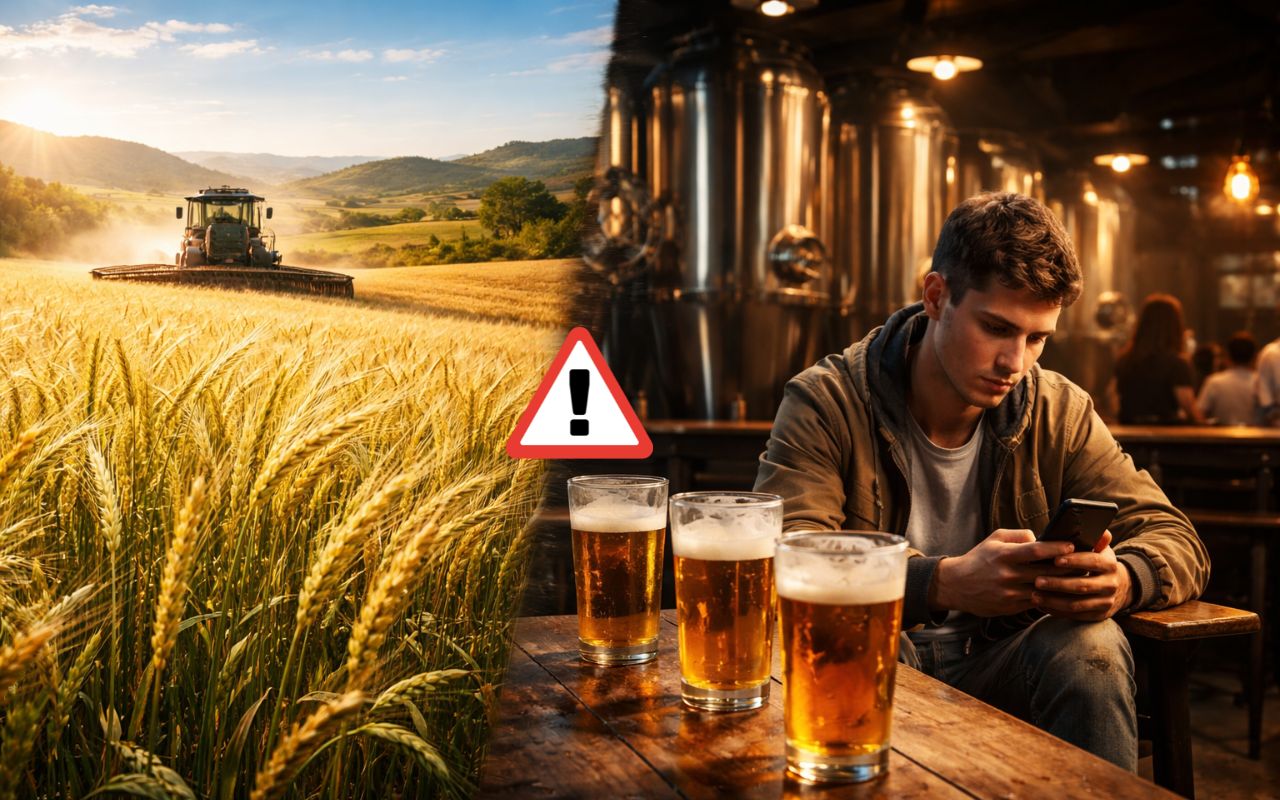
With nearly 500 thousand tons per year, barley production is growing in Brazil, while a decline in beer consumption among Generation Z raises alarms in the sector.
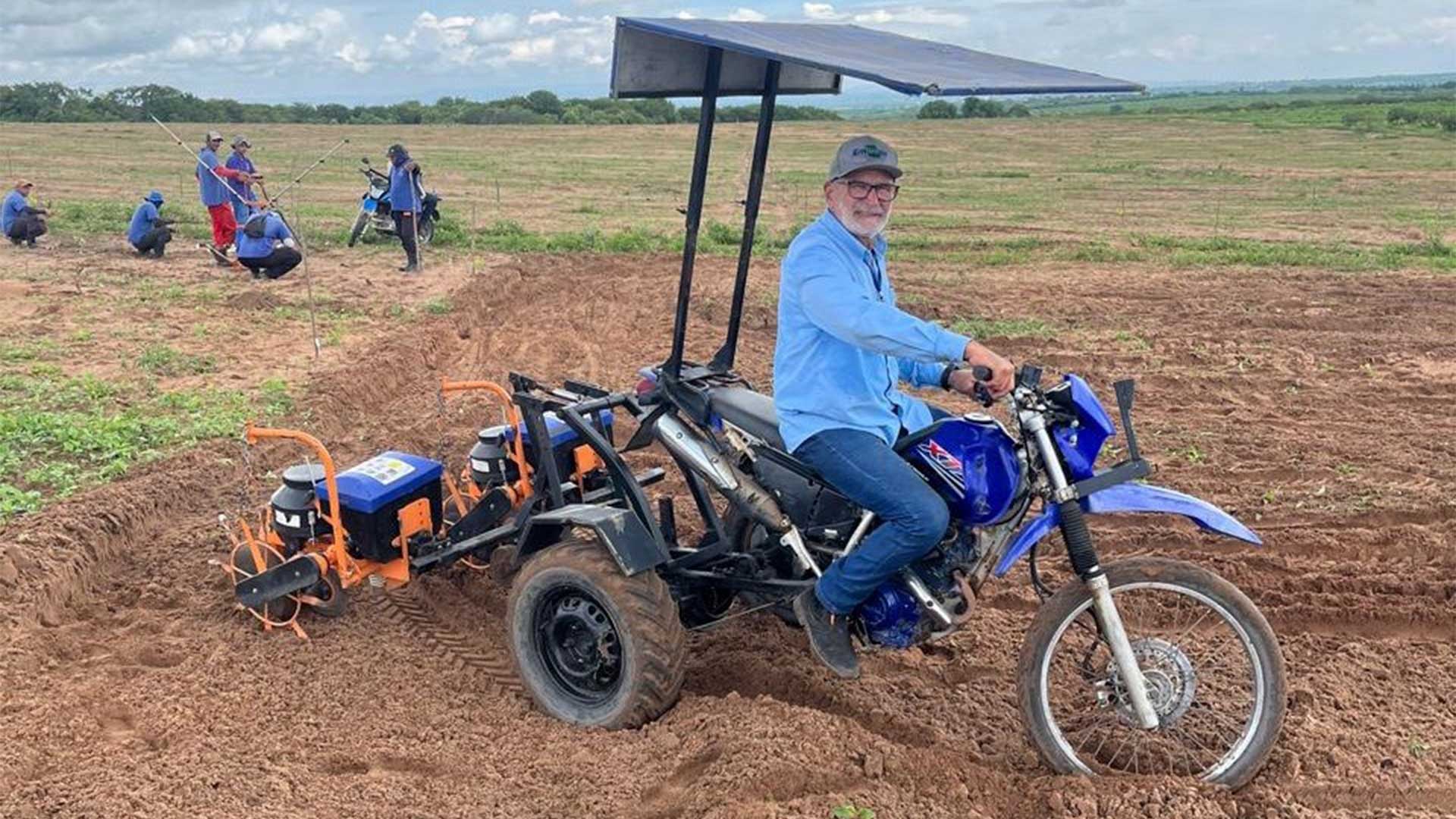
With tractors out of reach for small producers, a tricycle created by Embrapa Algodão becomes a cheap and efficient solution and gains national prominence.
From 130 producers in the year 2000 to just 15 today: the dramatic decline of passion fruit in Araguari shows how the lack of labor in the Brazilian countryside is killing a decades-old agricultural tradition, even with Brazil being the largest producer in the world.
What sets this system apart is the precision management: each sheep is monitored with electronic identification chips (EID), drones carry out daily flights, and herding dogs like border collies and kelpies perform tasks with precision. This efficient and technological approach allows a few workers to manage herds of thousands of animals over areas totaling millions of hectares.

Cutting-Edge Technology, Rotational Grazing, and Traceability Make the Australian Sheep Farming Model a Global Case Study in Agriculture
The system is based on rotational grazing, which protects the soil from degradation and maintains pasture quality, directly impacting herd productivity. Every 3 to 7 days, the sheep are moved to new sections, aided by mobile fences and smart sensors that collect data on soil and vegetation.
During the Australian winter, from May to September, the focus shifts to lamb gestation and birth, with enhanced nutrition, veterinary care, and specific facilities like warmed nurseries. These measures raise the survival rate of the offspring to over 90%, an exceptional number within extensive livestock farming.
The identification process begins immediately after birth. Each lamb receives an electronic EID, vaccinations, and temporary markings made with vegetable dye. Although controversial, practices such as tail docking and rubber ring castration are still adopted to prevent infections and behavioral issues, justified by losses exceeding US$ 173 million in 2022 due to fly infestations (fly strike).


From Premium Wool to Exported Meat: Efficiency in the Field and Appreciation in the Global Sheep Market
The first sheaing process occurs between 6 and 8 months of life. Specialized shearers remove the wool with precise cuts, keeping the fleece intact. Each merino sheep produces 9 to 11 kg of wool per year, enough for up to six high-quality sweaters. The product is sorted into fine and coarse wool, packaged, and sent to the largest markets in the world.
In the case of sheep raised for meat, breeds such as Dorper and Suffolk are fed grains, hay, and minerals until they reach between 45 and 60 kg, and then sent for slaughter with strict animal welfare procedures, including gas stunning or electric shock, health inspections, and complete traceability of the meat’s origin.
Each cut exported to the United States or Europe comes with codes that inform the place of origin, diet, and health history, something valued in the premium meat market, where transparency and quality are competitive differentiators.
Australia Shows That It Is Possible to Combine Tradition, Animal Welfare, and High Technology in Modern Agriculture
According to information released by the channel 98 Discovery, the Australian sheep production system is considered today a world example of sustainable agriculture. Combining free grazing, rigorous health control, and automation, producers manage to maintain high profitability with low environmental impact, something increasingly demanded in the international market.
In addition to generating jobs and income in the field, the Australian model promotes soil preservation and local biodiversity, while supplying the global market with high-value products, such as premium merino wool and traceable sheep meat.
The expectation is that this model will serve as a reference for countries exporting animal protein, such as Brazil and Argentina, which also seek to raise their position in the global agricultural ranking without compromising quality, productivity, and respect for the environment.
What does Brazil lack to achieve the same level of innovation, traceability, and added value in sheep farming that Australia has already reached?








Parabéns pela matéria porém gostaria de ressaltar que a raça que mais é utilizada no cruzamento industrial na Austrália é a POLL DORSET MAIS DE do que o dobro de todas as outras juntas. Poll dorset agrega maciez suculência nos cruzamentos. As raças citadas na reportagem são pouquíssimo usadas . Grande abraço