





 Portuguese
  English
  Spanish
  3 min of reading
  0 comments


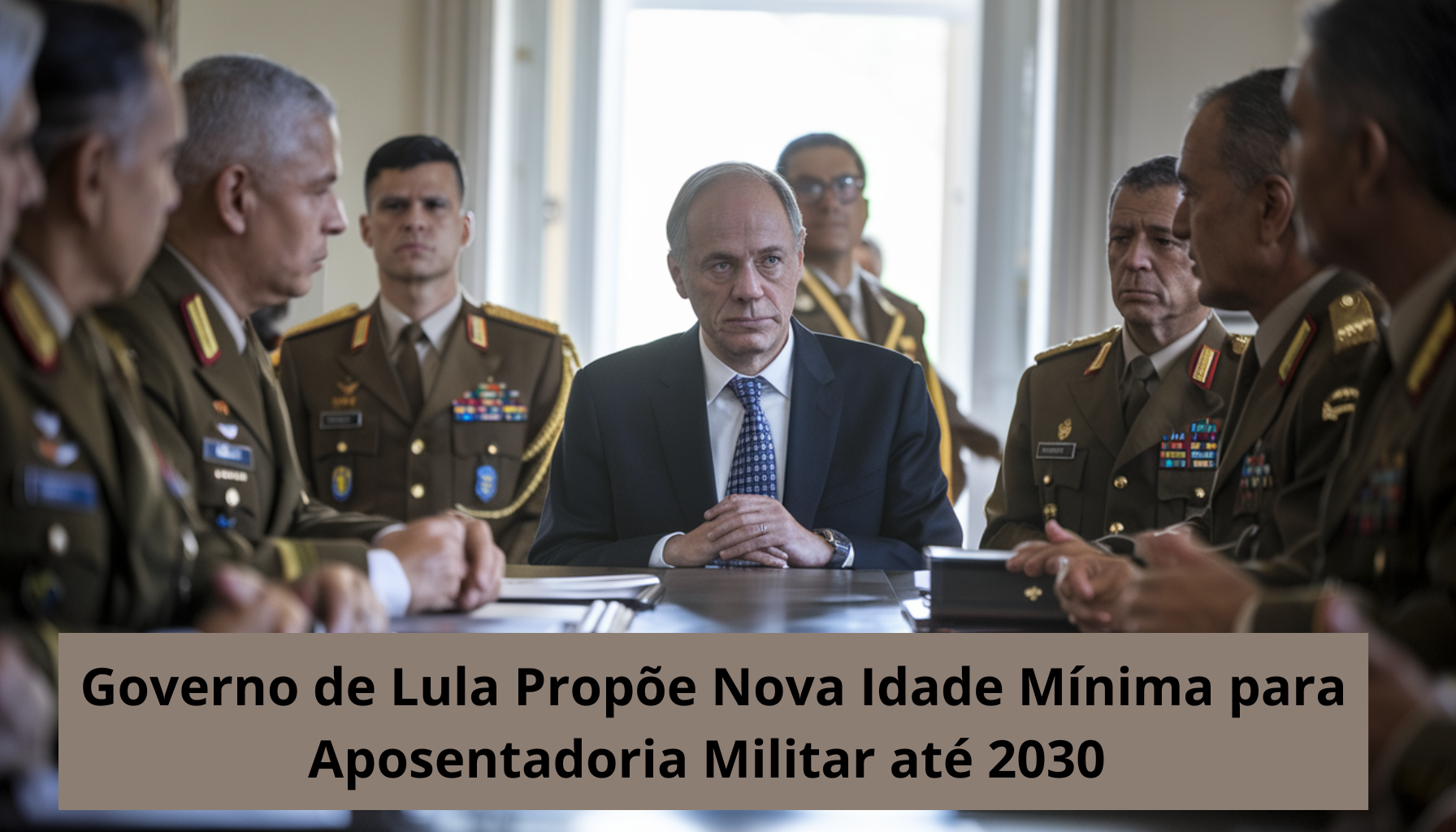
Government Proposes Minimum Retirement Age of 55 for Military by 2030, But Soldiers Demand Longer Transition. Furthermore, They Criticize Changes in Promotion and Pension Rules. Defense Minister José Múcio Mediates Negotiations Between the Armed Forces and the Government to Find a Balance Between Economic Needs and the Rights of the Category.
A meeting at the Alvorada Palace revealed tensions between the federal government and the military over changes to Armed Forces pensions. Is consensus possible?
On Saturday (30), President Luiz Inácio Lula da Silva met privately with the commanders of the Armed Forces at his official residence, the Alvorada Palace.
The meeting brought to light one of the most controversial topics in the recent spending cuts proposed by the government: the new retirement rules for military personnel.
-
A forgotten cord on the floor of a basement in Vienna leads a plumber to a box containing 30 kilograms of gold with Mozart’s face, hidden before World War II. The treasure, worth 2.3 million euros, was just centimeters away from a worker who ignored the sign a day earlier.

-
A couple buys an old chalet, breaks the kitchen floor for renovation, and finds over a thousand coins of gold and silver hidden since the English Civil War over 4 centuries ago.

-
Rigid bags with their days numbered: new trend prioritizes comfort in 2026.

-
YouTuber creates an excavator equipped with a giant 4.5-meter sword to challenge his brother to a rematch, and the invention quickly goes viral on social media.


Although the category acknowledges the need for adjustments, the current proposal faces significant resistance, especially regarding the transition period.
What’s at Stake: New Retirement Rules
During the meeting, which included General Tomás Paiva (Army), Admiral Marcos Olsen (Navy), Brigadier Marcelo Damasceno (Air Force), and Defense Minister José Múcio Monteiro, the government presented a plan to implement a minimum retirement age of 55 for military personnel by 2030.
The proposal aims to align Armed Forces pensions with parameters closer to civilians, reducing pension costs.
Currently, the average age for military personnel to retire is below 55, varying by case. To reach this goal, the government proposed a transition rule, but it generated dissatisfaction.
According to information released by G1, military commanders consider the 2030 deadline insufficient to adapt the category to the new requirements.
Divergences in Transition: The Main Stalemate
The commanders accepted the minimum age of 55 as a consensus but emphasized that the transition rule needs significant adjustments.
As reported, the current format could force some officers to endure a toll of up to seven additional years before retiring.
Moreover, the military pointed out the need for changes in promotion rules to facilitate the transition.
Currently, military personnel are promoted, on average, every seven years, which places the retirement age around 52.5 years. Without changes to this system, reaching 55 years would be unfeasible within the stipulated deadline.
Reactions to the Proposal
Initially, the economic team proposed that the minimum age go into effect immediately, but compromised by including a transition period.
Despite this, the details of the project have not yet been officially disclosed. Among the most sensitive points is the restriction of pension transfer only to spouses and underage dependents, a system more limited than the current one.
The so-called “fictitious death,” which guaranteed pensions for families of military personnel expelled due to crimes, will be eliminated, and this change was well received by the commanders.
The Role of José Múcio Monteiro
Defense Minister José Múcio Monteiro played a central role in the meeting, acting as an intermediary between the military and the government.
It was at Múcio’s request that Lula convened the meeting, signaling openness to dialogue.
However, the minister also reinforced that the government does not intend to give up on a broad and necessary reform to balance public accounts.
Next Steps
While the government adjusts the final details of the proposal, the military maintains its position that the 2030 deadline should be extended.
Negotiations are ongoing, and experts point out that the resistance from the category may influence other aspects of the fiscal package.
“Changes are inevitable, but they need to be made sensibly to avoid harming the category or undermining the country’s economy.”
Is a Balanced Reform Possible?
The future of the military pension reform depends on adjustments that balance the government’s economic needs and the rights of the category.
The transition period will be the turning point of these negotiations. Will Lula be able to find a solution that satisfies all sides? Share your opinion in the comments!








-

Uma pessoa reagiu a isso.